The Knife Block Problem: Why Magnetic In-Drawer Strips Save Your Fingers
It was a typical Saturday morning when I narrowly avoided a painful mishap that I now realize happens to many of us more often than we admit. As I reaching into my kitchen drawer to grab a knife, I accidentally slid my fingers over the sharp edge of a rogue blade, missing a nasty cut by mere millimeters. That split-second experience was my lightbulb moment—how something so common could be so hazardous and often overlooked. If you’ve ever experienced a similar close call, you’re not alone. This made me seriously reevaluate how I was storing my knives and sparked my journey into safer, smarter kitchen solutions.
The Small Change Making a Big Difference in Kitchen Safety
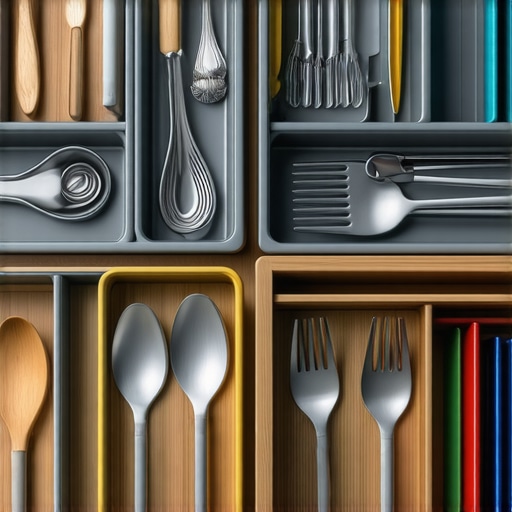
Many of us don’t think twice about our knife storage, often leaving them in standard wooden blocks or cluttered drawers. But the truth is, traditional knife blocks can be awkward, space-consuming, and surprisingly dangerous. Every time I rummaged through my drawer, I risked a cut on that last, jagged edge of a misplaced blade. I knew I needed a better way—not just for convenience, but for safety.
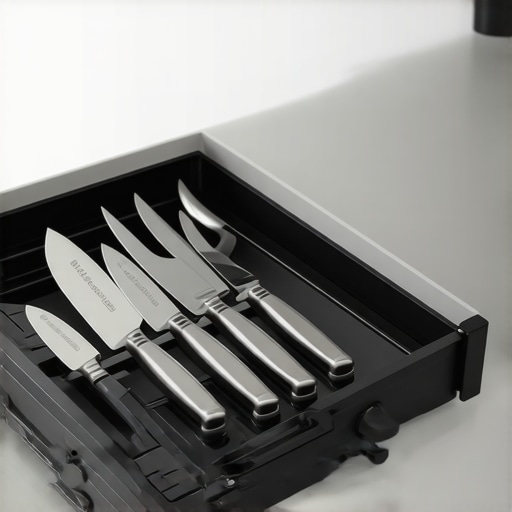
The solution? Magnetic in-drawer strips. These sleek, unobtrusive organizers keep blades securely in place, out of the way, and accessible when needed. They drastically reduce the chance of accidentally catching a finger on a sharp edge during routine kitchen tasks. Plus, I found that _they help keep my knives sharper_, since the blades aren’t rubbing against other utensils or getting dull from misplacement.
If you’re tired of the clutter, the danger, or just looking to upgrade your kitchen’s safety and efficiency, this might be the easiest fix. For more innovative ideas, you can explore [custom cabinet ideas that transform your home’s style](https://artisancabinetworkz.com/custom-cabinets-ideas-that-transform-your-homes-style) and see how thoughtful storage affects the entire space.
Is Magnetic Storage Really Worth the Hype?
I was initially skeptical about whether a magnetic strip could truly make that much difference. Early on, I made the mistake of installing a flimsy, adhesive-backed strip that barely held my blades and ended up falling off after a few weeks. That experience taught me a valuable lesson: invest in sturdy, properly mounted strips designed for kitchen use. Once I upgraded, my safety dramatically improved, and I found myself more confident in handling my knives.
So, have you ever faced the hazard of slipping fingers or accidental cuts from poorly stored knives? If so, read on. We’ll walk through why magnetic strips are a game changer and help you decide if it’s time to upgrade your kitchen safety gear. Stay tuned—safety and convenience are just a few steps away.
Secure Your Knives with Magnetic Strips
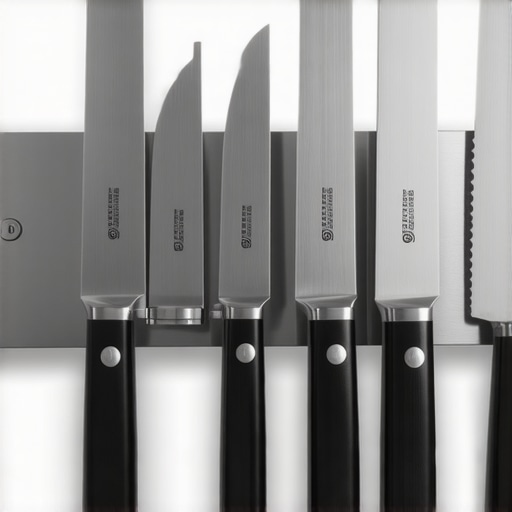
Start by purchasing high-quality, sturdy magnetic strips designed for kitchen use. Measure your available space on the wall or inside a cabinet door to ensure a proper fit. Use a level tool to mark where the strip will be mounted, keeping it at a comfortable height for easy access. Drill pilot holes and attach the strip using appropriate screws, ensuring it’s firmly secured to handle the weight and prevent accidents.
Choose the Right Location
Position the magnetic strip away from high-traffic areas to minimize risk of accidental bumps. Installing it above your countertop, near your chopping station, reduces the need to reach across busy workspaces. Ensure the spot is out of children’s reach to add an extra layer of safety.
Prepare Your Knives for the Strip
Clean and dry each knife thoroughly before hanging. Organize them by size or frequency of use to streamline your workflow. Place the blades ‘face down’ on the magnetic strip, with the handles easily reachable. This setup not only keeps blades sharp by preventing contact with other utensils but also minimizes clutter, making your kitchen safer and more functional.
Maintain and Optimize Your Storage
Regularly inspect the magnetic strip for dust or debris that could affect grip. Clean the surface with a damp cloth and dry thoroughly. Rotate knives periodically to prevent uneven wear on blades. As your collection grows or changes, adjust the arrangement for maximum safety and efficiency.
Additional Safety Tips
Avoid storing extremely sharp or heavy knives on the same strip to prevent accidental slips. Consider supplementing with knife sheaths or blade guards for extra protection. Limit access to the storage area if children are present, and educate household members on safe handling practices. Properly installed, these strips significantly reduce the risk of injuries compared to traditional knife blocks or drawers.
By implementing these steps, you’ll transform your kitchen into a safer environment. The process may seem straightforward, but attention to detail—like precise measurements and solid mounting—makes all the difference. Want to explore innovative storage ideas? Check out space-maximizing storage solutions to enhance your entire kitchen design.
 While many homeowners focus on selecting attractive cabinets and stylish countertops during a kitchen remodel, the real mastery lies in understanding the subtle intricacies of storage solutions. It’s a common misconception that all storage options serve the same purpose—that choosing a high-gloss finish or trendy color outweighs the importance of functional design. However, overlooking these nuanced details can lead to wasted space, persistent clutter, and even increased maintenance costs. For example, many assume that deep drawers are always the best for pots and pans, but without proper dividers or glide systems, they become a jumbled mess, reducing efficiency and risking damage to valuables. An advanced mistake often made is selecting cabinet hardware based solely on aesthetics, ignoring how hardware impacts usability and ergonomics over time. Soft-close hinges and slides are popular, yet if poorly installed or incompatible with specific cabinet types, they can malfunction or cause alignment issues, turning sleek upgrades into frustration. According to a study by the National Kitchen and Bath Association, meticulous attention to hardware compatibility and storage accessories significantly enhances user satisfaction and cabinet longevity. Moreover, many believe that existing walls or framing are sufficient for supporting built-in units, ignoring the importance of assessing load capacity and seismic anchoring, especially in earthquake-prone regions. Improperly anchored built-ins can cause safety hazards and costly repairs down the line. To avoid these pitfalls, it’s wise to consult detailed guides like those on transformative custom cabinet ideas or modern remodels spotlighting built-ins, which delve into these subtle technical details. Remember, the devil is in the details—perfecting storage isn’t just about space but about smart design that stands the test of time. Have you ever fallen into this trap? Let me know in the comments.Maintaining your custom cabinets and built-ins over the long haul requires more than just installation; it demands the right tools, regular upkeep, and strategic upgrades. As someone deeply involved in kitchen remodeling, I swear by precision equipment like digital calipers and laser levels to ensure every component fits perfectly. These tools help me verify measurements down to the millimeter, preventing costly misalignments that can compromise functionality over time. For software, I rely on CAD programs such as SketchUp for planning, allowing me to visualize storage arrangements and make adjustments before cutting any material. This virtual tweaking reduces waste and ensures the final product operates smoothly for years.
When it comes to actual maintenance, I recommend periodic inspections combined with cleaning routines. Use a microfiber cloth to wipe down surfaces, and apply furniture-grade wax to wooden cabinets every six months to preserve the finish and prevent warping. For hinges and slides, applying a light lithium grease ensures silent operation and reduces wear. Keep a small toolkit with screwdrivers and Allen wrenches handy to tighten loose fittings—this simple step prevents misalignments and squeaks that, over time, can lead to costly repairs.
The future of kitchen storage maintenance leans heavily into automation. IoT-enabled sensors can monitor humidity, temperature, and even the integrity of your cabinetry—alerting you to potential issues before they become serious. As these technologies become more affordable, I predict a seamless integration where your smart home system manages maintenance schedules, reminding you to perform specific tasks like lubricating hinges or checking for water leaks.
**How do I maintain custom storage solutions long-term?** Establish a regular checkup routine with specific tools: measure with digital calipers to ensure tolerances remain tight, and consult firmware updates for your smart storage systems if applicable. Remember, an ounce of prevention is worth a pound of cure—staying proactive can drastically extend the lifespan of your investments.
If you’re interested in creating efficient, durable storage that ages gracefully, consider exploring [transformative custom cabinet ideas](https://artisancabinetworkz.com/custom-cabinets-ideas-that-transform-your-homes-style). And for further insights into smart storage and long-term strategies, check out [smart storage solutions for small kitchens in 2025](https://artisancabinetworkz.com/smart-storage-solutions-for-small-kitchens-in-2025). Don’t forget: incorporating easy-to-use maintenance tools into your routine now ensures your kitchen remains both beautiful and functional for years to come. Try installing a magnetic screwdriver set near your work area—it’s an accessible upgrade that can save time during regular adjustments.
Lessons That Changed How I Approach Kitchen Storage
One of the most eye-opening realizations I had was how seemingly small choices, like opting for a magnetic strip over a traditional knife block, can dramatically improve safety and efficiency. I also learned that investing in quality mounting hardware prevents costly mishaps and that regular maintenance keeps these solutions functioning flawlessly. These insights taught me that attention to detail and embracing innovative ideas are crucial for a truly functional kitchen.
Another lesson was the importance of personalizing storage to fit your specific needs. No two kitchens are the same, and customizing solutions like adjustable dividers or strategic placement makes a significant difference in usability. Lastly, I discovered that ongoing education—reading expert guides and consulting trusted sources—helps prevent common pitfalls and keeps your space optimized for years to come.
Tools and Resources That Elevate My Kitchen Design Journey
For meticulous measurements and precise planning, I rely on digital calipers and laser levels. They ensure everything fits just right, preventing misalignments that could compromise safety or aesthetics.
SketchUp is my go-to for visualizing layouts before building, saving time and reducing material waste. When it comes to learning more about custom cabinetry and built-ins, this resource offers insightful ideas that inspire innovative storage solutions. Additionally, staying updated with industry trends through websites like modern kitchen remodels helps me incorporate current best practices into my projects.
Your Next Step Toward a Safer, Smarter Kitchen
Transforming your kitchen storage is more than a change in cabinets or racks — it’s an investment in your safety, convenience, and peace of mind. Embrace innovative solutions, stay curious, and don’t hesitate to experiment with different configurations until you find what truly works for you.
Are you ready to reevaluate your current storage and make a meaningful upgrade? Remember, small adjustments today can lead to a safer, more enjoyable kitchen tomorrow. What storage challenge have you been putting off solving? Share your experience below—I’d love to hear your story.