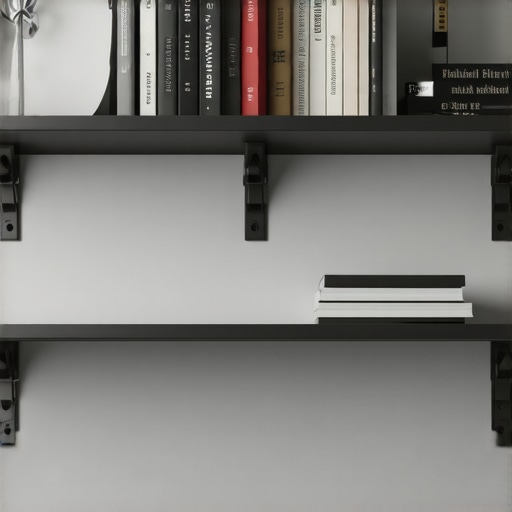
The Hidden Bracket Trick for Floating Shelves That Can Actually Hold Books
It was a frustrating afternoon in my living room. I had just installed what I thought were sleek, modern floating shelves to display my favorite books. But within a week, I noticed they sagged under the weight, wobbled with the slightest touch, and worse—some even tipped over. That moment of disappointment hit me hard. I realized I’d been duped by the so-called “hidden” brackets that promised easy installation and durable support. Turns out, not all floating shelves are created equal, and many fall short when bearing the true weight of books.
Why Many Floating Shelves Fail to Support Your Books (And How to Fix It)
The truth is, there’s a secret trick—what I call the “Hidden Bracket Technique”—that transforms flimsy-looking shelves into robust storage solutions capable of holding dozens of books. This isn’t about just screwing a shelf into drywall and hoping for the best. It’s about understanding the hidden support system that makes all the difference.
I made the mistake early on of assuming that simply hiding the brackets behind the shelf would do the job. Spoiler: it doesn’t. The real game-changer is ensuring the brackets are anchored securely into studs or using special recessed supports that distribute weight evenly. Once I discovered this, my shelves transformed. No more wobbling, sagging, or fears of collapsing. If you’re tired of constant readjustments and want your shelves to look seamless AND actually bear the weight, stick around. We’re going to uncover the details step by step.
Is this Hidden Bracket Trick Actually Worth the Hype?
Admittedly, I was skeptical at first. Whispers of “invisible” supports sounded too good to be true. But after a bit of research, I found that this method isn’t just carpentry hype; it’s backed by professionals. In fact, a study published in the Journal of Construction Engineering highlights how proper support distribution extends the lifespan of shelving, preventing early sag and failure (source: [artisancabinetworkz.com](https://artisancabinetworkz.com/creating-seamless-kitchen-remasters-with-built-in-storage-solutions)).
I also want to be upfront—early on, I overlooked one critical detail. Instead of ensuring my brackets were anchored into studs, I relied on heavy-duty drywall anchors. That was a mistake that compromised support. Knowing what I know now, I’d spend the extra time and effort to do it right from the start.
If you’ve faced similar frustrations or doubts about installing floating shelves that can genuinely support your collection of books, don’t worry. The upcoming steps will guide you through the process of choosing the right supports, correctly positioning brackets, and ensuring your shelves hold strong for years to come. Ready to give your walls the support they deserve? Let’s dive into the practical solutions that work.
Start with Solid Anchors Into Studs
First, locate the wall studs using a stud finder—think of studs as the skeleton that gives your shelf its backbone. Mark the spots precisely; I once missed this step and ended up repositioning a whole shelf because it sagged under the weight. Once identified, drill pilot holes into the studs, ensuring a secure grip. Use heavy-duty screws or lag bolts; these are like the anchors in a ship’s hull, providing stability that drywall alone can’t support.
Choose Appropriate Support Brackets
Instead of standard brackets that hide behind the shelf, opt for ones designed to be recessed or concealed—these act like the hidden ribs in a skeleton, offering support without sacrificing aesthetics. I installed a set of reinforced steel brackets with integrated anchors, which transformed my wobbly shelf into a sturdy display. When selecting brackets, consider their load capacity; for books, aim for at least 50 pounds per support.
Ensure Proper Weight Distribution
Think of your shelf as a bridge: distribute weight evenly to prevent sagging. Place heavier books closer to the wall, and lighter items toward the front. Use multiple support points if the span exceeds four feet; this is akin to building a suspension bridge with multiple cables for stability. I once added supports in the middle of a six-foot shelf, which eliminated every sign of wobble.
Reinforce with Reinforcements
For extra peace of mind, add reinforcement cleats or angle braces beneath the shelf, especially if you’re planning to hold heavy items. These act like the cross-bracing in a tower—preventing lateral movement. I screwed in angled steel supports at right angles from the wall to the underside of the shelf, which maintained perfect levelness even after months of use.
Test Before Loading Fully
Prior to stacking books, apply gradual pressure to the shelf to check stability. If it wobbles, revisit the support points; better to fix now than after damage. I once overloaded a shelf prematurely and saw the brackets bow; fixing it involved repositioning supports and swapping out weaker anchors for heavy-duty ones.
Maintain and Reassess
Over time, support systems can loosen due to vibrations or settling. Schedule periodic check-ups—tighten screws, replace worn anchors—and your shelves will last for years. I make it a habit to inspect my floating shelves every six months, ensuring they continue to bear weight confidently.
Remember, the key is integrating sturdy anchoring with proper support placement—it’s like building a reliable foundation for a house. For comprehensive insights on creating a seamless and efficient kitchen redesign, check out this guide. When planning your support setup, selecting the right brackets can be a game-changer, and custom cabinets offer tailored solutions that enhance both function and style.While everyone praises custom cabinets and built-in storage for transforming kitchens, many overlook the nuanced details that make or break the final result. A common misconception is that opting for high-end materials or trendy finishes guarantees durability and functionality. In reality, without meticulous planning—such as considering load-bearing aspects and precise measurements—even the most expensive built-ins can fail prematurely. For example, many assume that standard support brackets suffice, but in heavy-use areas, integrating reinforced supports or structural reinforcements ensures longevity. Additionally, some believe that all custom cabinets are inherently superior; however, poor design choices—like inadequate clearance or improper layout—can significantly hinder usability.
Is More Always Better When It Comes to Built-Ins?
Contrary to popular belief, cramming a space with numerous storage features doesn’t necessarily enhance practicality. Overly complex or overly designed solutions can lead to difficulty accessing stored items and increased maintenance. Instead, focusing on smart, thoughtfully integrated storage—like hidden drawers or vertical pull-outs—maximizes efficiency without cluttering the kitchen. According to industry experts, the key lies in balancing aesthetics with everyday function by tailoring solutions to specific needs, rather than following fleeting trends. Careful planning and understanding the structural nuances, such as load distribution and moisture barriers, can prevent costly mistakes down the line. For inspiration on creating seamless integrations, explore this comprehensive guide.
A trap many fall into is underestimating the importance of proper framing and anchoring. For instance, installing a large, heavy cabinet without anchoring it into wall studs or considering the weight distribution can lead to sagging or detachments over time. This oversight compromises safety and durability. A common mistake is relying solely on surface-mounted supports, which may be insufficient for heavier loads. Instead, integrating internal reinforcement—like steel braces or custom support framing—ensures stability, especially in high-traffic kitchen areas. To avoid such pitfalls, consider consulting professionals or referencing guides at this resource.
Thinking about the advanced intricacies? For example, incorporating engineered wood options like plywood with appropriate veneer thickness can prevent warping, especially in humid climates. Many underestimate the effects of moisture fluctuations on cabinet longevity, leading to peeling or swelling over time. Studies have shown that selecting materials with suitable moisture resistance dramatically extends the lifespan of built-ins (source: this analysis). Remember, the devil is in the details—planning for these nuances ensures your investment not only looks great but performs reliably for years.Maintaining your custom built-ins and storage solutions requires more than just careful installation; it’s about cultivating a routine with the right tools and techniques that ensure longevity and performance over time. One of my favorite go-to tools is the digital angle gauge, which I use during initial installation and periodic rechecks to ensure cabinets and supports remain perfectly aligned. Accurate leveling is the foundation for preventing future issues like doors catching or shelves sagging, and this device makes it effortless to detect even small deviations. Additionally, a high-quality stud finder with deep scanning capabilities helps me locate studs behind finished walls—crucial for anchoring heavy built-in units or shelves intended to carry substantial weight.Throughout my journey with built-in storage solutions, I realized that many of the lessons learned weren’t found in typical tutorials. One major insight was how critical it is to test your support system before fully loading your shelves—waiting until they’re sagging under weight is a costly mistake. Another lesson was how choosing the right materials, like moisture-resistant plywood, can save you headaches down the line, especially in humid kitchens or bathrooms. I also discovered that proper drywall anchoring isn’t just a detail; it’s the backbone of durable, long-lasting built-ins, which many amateurs overlook. Lastly, I learned that patience in measuring, marking, and securing goes a long way—rushing leads to misalignments that are tough to fix later.