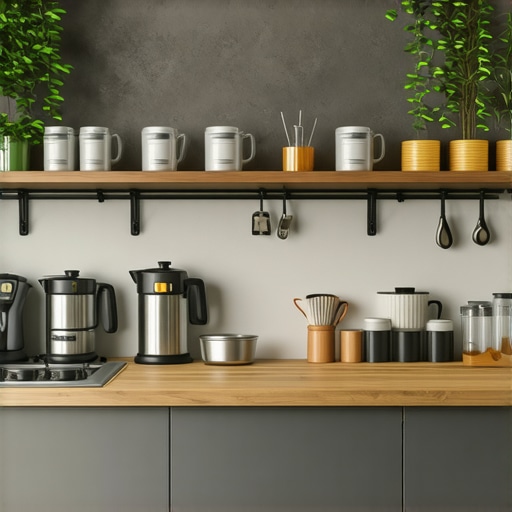
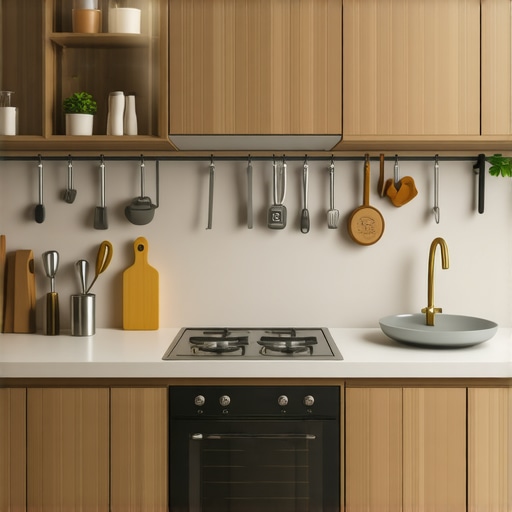
The Galley Kitchen Layout That Fixes Your Workflow Bottlenecks
Ever found yourself elbow-deep in a cluttered kitchen, reaching across counters and chasing after misplaced utensils, thinking, ‘There has to be a better way’? I remember the lightbulb moment when I realized my galley kitchen was more of a bottleneck than a nook of efficiency. It was after stumbling over pots and pans one too many times while trying to prep dinner, my frustration bubbling over, that I started exploring layout options that could fix the chaos.
Why Your Kitchen Design Can Make or Break Your Cooking Experience
Understanding the impact of layout on workflow isn’t just about aesthetics; it influences your daily life, your mood, and even meal prep safety. A poorly designed galley kitchen can turn into a series of bottlenecks—things get lost, surfaces cluttered, and movement feels restricted. This inefficiency can sap your enthusiasm for cooking, turning what should be a joyful activity into a source of daily stress.
Research shows that a well-organized kitchen reduces prep time and minimizes accidents. According to the National Kitchen & Bath Association, optimizing cabinetry and storage solutions can improve kitchen efficiency by up to 30%. Imagine what you could do with that extra time—more family dinners, a little extra sleep, or even some me-time.
Sometimes, the answer lies in rethinking the traditional layout. I’ve come to see that a customized galley kitchen, with thoughtful placement of cabinets and appliances, can dramatically diminish workflow bottlenecks. You know, those moments when everything seems to be in the wrong place and the whole process slows to a crawl?
If you’ve ever felt like your kitchen layout is working against you, you’re not alone. Many homeowners face similar hurdles. While it might seem overwhelming at first, I promise that with some strategic tweaks, your kitchen can become a well-oiled machine.
In the sections ahead, I’ll walk you through how to identify your bottlenecks and transform your galley kitchen into a space that works *for* you—not against you. Whether you’re considering a full remodel or just some clever cabinet adjustments, the solutions are more straightforward than you might think. Ready to ditch the clutter and boost your kitchen’s efficiency? Let’s get into it!
Clear the Clutter with Custom Cabinets
Start by replacing generic cabinets with custom-built ones that fit your space precisely. During my last remodel, I measured every niche and corner, then designed cabinets with specific functions—like a pull-out spice rack beside the stove. This approach prevents clutter from piling up and keeps essentials within arm’s reach. For inspiration and expert ideas, check out this comprehensive guide.
Implement Built-in Storage Solutions
Built-ins maximize every inch without sacrificing style. I once added a built-in utensil drawer beneath the countertop, which freed up space inside my cabinets and made utensils instantly accessible. Think about integrating shallow drawers for small items or custom cabinets that reach up to the ceiling for seldom-used appliances. To get more ideas, see this article.
Use Vertical Space Effectively
Vertical storage can dramatically improve organization. Install floating shelves or tall cabinets that extend to the ceiling. I used a step stool to reach high shelves and kept seldom-used items up there, freeing counter space. Incorporate adjustable shelving to customize storage as your needs evolve. For innovative ideas, visit this resource.
Create Hidden Compartments for Small Items
Small items often cause chaos. Develop hidden compartments or pull-out trays behind doors to hide spices, batteries, or cleaning supplies. I embedded a hidden drawer in my island for measuring spoons and small gadgets; it was a game-changer. Consider using the hidden storage hacks to maximize space.
Readjust Existing Layouts for Flow
Sometimes, minor changes improve workflow significantly. Rearranging appliances to group the cooking, prep, and cleaning zones reduces unnecessary steps. I moved my coffee maker closer to the sink, which made morning routines smoother. Use color-coded zones or clear counters to visualize your new flow. For additional layout tips, review this guide.
Incorporate Smart Storage Accessories
Accessories like pull-out trash cans, spice drawers, and corner carousel units can make a big difference. I installed a pull-out trash and recycling station inside a cabinet, so it was out of sight but easily accessible. These additions keep your kitchen tidy and efficient. Explore options at this page.
Consider Material and Finish Choices
Durable materials and finishes not only last longer but also enhance aesthetic appeal. Opt for water-resistant laminates or solid wood for cabinets that withstand daily use. I chose matte black hardware to hide fingerprints, maintaining a sleek look. For style and durability tips, see this article.
Evaluate and Adapt Over Time
Your storage solutions should evolve with your habits. Keep a journal of what works and what doesn’t after a few weeks of using your redesigned kitchen. Adjust shelves, add hooks, or replace containers as needed. This iterative process ensures a continuously efficient workspace.While many homeowners focus on choosing stylish built-ins or high-end custom cabinets, there’s often a deeper nuance that gets overlooked—what truly makes storage effective in the long run. The common myth is that premium materials or flashy features automatically guarantee a perfect kitchen organization, but in my experience, it’s the subtler, less obvious details that make or break the functionality of your storage solutions.
One significant misconception is that all built-ins are created equal. The truth is, many off-the-shelf customizations can inadvertently hinder usability if not designed with nuanced workflow in mind. For example, installing deep, ungainly drawers without considering ergonomic reach can lead to a frustrating clutter—and costly—mistake. Instead, innovative approaches like shallow, integrated pull-outs for spices or utensils —which you can find more about in this article—are game changers that optimize space and accessibility.
Another popular pitfall is believing that larger cabinets always translate to better storage. Actually, overly generous cabinet sizes can become dumping grounds that breed disorder. Strategic partitioning inside cabinets, such as using adjustable shelving or dedicated trays for small items, radically improve organization. This insight is especially crucial when remodeling your kitchen: aligning your storage design with your specific habits prevents major rework down the line. For an in-depth look at how to optimize your space, consider visiting this resource.
Advanced homeowners often question whether built-ins can be flexible enough to adapt over time. The answer lies in the importance of modularity—designing with future changes in mind. Incorporating features like adjustable shelves, removable dividers, or even hidden compartments can make your storage solutions versatile, keeping your space relevant even as your needs evolve. For those seeking expert guidance on choosing adaptable storage, I suggest exploring this article.
Is Your Storage System Truly Maximizing Space, or Just Filling It?
Most people overlook the fact that effective storage isn’t just about adding more; it’s about smarter placement. For example, corner cabinets often become dead zones because homeowners default to Lazy Susans, which can sometimes hinder access and cause jamming issues. Instead, innovative solutions like pull-out corner shelves or vertical dividers might offer more efficient use of those tricky spaces. Interestingly, a study published in the *Journal of Interior Design* notes that optimizing corner storage can increase usable space by up to 25%, challenging traditional assumptions. To avoid falling into common pitfalls, examine your existing layout critically and be open to unconventional solutions. Don’t forget—sometimes, the most advanced storage hacks are simple tweaks that can significantly elevate your kitchen’s efficiency. Have you ever fallen into this trap? Let me know in the comments!
Maintaining your custom cabinets and built-ins is essential to ensuring their longevity and continued functionality. Over time, dust, grease, and regular wear can diminish their appearance and performance, making routine maintenance a must. To keep your kitchen storage solutions working seamlessly, I rely on a combination of specific tools and disciplined methods that target both cleaning and minor adjustments.
First, a high-quality microfibre cloth is invaluable for daily dusting. It traps dust and prevents scratches on delicate surfaces like matte finishes or glass-front cabinets. For deeper cleaning, I recommend using a soft sponge with a gentle, water-based cleaner—avoid harsh chemicals that can damage finishes. When it comes to appliances and hardware, a soft-bristled brush helps clean hard-to-reach spots without scratching. I personally use a toothbrush for hinges and small corners, especially after adjustments or if I notice squeaking or stiffness.
In terms of hardware and hinges, regular lubrication prevents squeaks and maintains smooth operation. A silicone-based lubricant applied sparingly during periodic check-ups keeps hinges functioning perfectly. It’s also wise to inspect hardware for loose screws or misalignments, tightening or adjusting as needed with a precision screwdriver. This routine can prevent more significant issues down the line. For alignment and leveling issues, a small digital level or a spirit level is part of my essential toolkit. Correcting slight misalignments early ensures doors close properly and avoids uneven wear.
For long-term results, I use specialized cleaning products designed specifically for cabinetry and built-in surfaces, which preserve finishes and prevent deterioration. An example is a maintenance wax for wood surfaces, which provides a protective layer and enhances the natural luster. Incorporating these products into your maintenance routine ensures your investment continues to impress.
Thinking ahead, the trend in storage solutions points toward smart, self-monitoring hardware that can alert you to issues like loose hinges or warped wood. Although still emerging, this technology promises to reduce the need for reactive repairs, making maintenance more proactive and less time-consuming. For now, sticking with tried-and-true manual tools and routines remains effective, especially when combined with scheduled inspections—say, every six months.
How do I maintain built-in storage to keep it looking and functioning its best?
To keep your built-ins operating smoothly, schedule regular inspections of hinges, slides, and hardware. Clean each component with a soft cloth, and lubricate moving parts annually with a silicone spray. Additionally, avoid overloading shelves or drawers, as excessive weight can warp or loosen joints. Implementing a simple maintenance schedule can prevent costly repairs later and extend the life of your storage investments. For a detailed guide on choosing the right tools and products, check out this article.
For example, I recently upgraded my hinge maintenance routine by applying a tiny drop of silicone lubricant to each hinge during routine cleaning. The result was noticeably smoother doors and quieter operation—a small tweak with a big payoff. I encourage you to pick one tip from this maintenance method to start with today, and gradually build a comprehensive upkeep routine that suits your space. Your storage solutions will thank you with years of reliable service and continued aesthetic appeal.
As I reflect on my journey to an organized and functional kitchen, I realize that the most valuable lessons often come from unexpected challenges. One of the hardest lessons I learned about storage solutions and custom cabinets is that bigger isn’t always better—it’s the thoughtful placement and intelligent design that truly make a difference. For instance, relying solely on deep, standard cabinets led to wasted space and frustration, whereas experimenting with shallow, pull-out trays transformed my workflow entirely.
Another insight I wish I had known sooner is the importance of flexibility. Incorporating modular, adjustable components allowed me to adapt my storage to changing needs over time, saving me from costly and invasive remodels down the line. Plus, I discovered that hidden compartments not only keep clutter out of sight but also bring a sense of satisfaction and surprise when I find that lost spice or measuring spoon exactly where I left it.
Finally, I learned that maintenance is the unsung hero of longevity. Regularly lubricating hinges, cleaning surfaces with gentle products, and inspecting hardware might seem mundane, but these small acts preserve the beauty and functionality of custom-built storage for years. Trust me, investing time in routine upkeep pays off by preventing more significant issues and keeping your kitchen sleek and efficient.
My Essential Toolkit for Kitchen Storage Success
- Precision Measuring Tools: A high-quality digital caliper helps ensure your custom cabinets fit perfectly, minimizing gaps and maximizing space. I personally swear by my digital caliper—it’s surprisingly affordable and incredibly accurate. For ideas on designing for efficiency, check out this resource.
- Durable Cleaning Products: Using water-based, non-abrasive cleaners preserves your cabinet finishes and keeps them looking new. I use a soft microfiber cloth with a gentle cleaner—trust me, it makes all the difference.
- Lubrication Supplies: Silicone spray for hinges and slides is essential for smooth operation. I apply it biannually and notice an immediate improvement in quietness and ease of use.
- Organizational Accessories: Custom drawer inserts, adjustable shelving, and pull-out trays have become my best friends, ensuring everything has its place. For inspiring ideas, visit this article.
Take Action and Elevate Your Kitchen Today
Transforming your kitchen storage isn’t just a functional upgrade—it’s a lifestyle enhancement. With a little planning, regular maintenance, and the right tools, you can turn even the most cluttered space into a sanctuary of order and beauty. Remember, your kitchen is the heart of your home, and investing in smart storage solutions ensures it beats strong and steady for years to come. Are you ready to put these secrets into practice and start reimagining your space? Your perfect kitchen awaits—go for it!
What’s been your biggest challenge with kitchen storage? Share your story below and let’s troubleshoot together!
.