The Spice Drawer Strategy That Ends Countertop Clutter Forever
Have you ever opened your kitchen drawer only to be greeted by a chaotic jumble of spice jars, utensils, and random odds and ends spilling onto the counter? That moment of frustration hit me hard one morning, mid-flour spill, when I realized my cluttered spice drawer was sabotaging my cooking flow. It was then I had what I call my “lightbulb moment”: if I could organize that drawer efficiently, I could reclaim precious space and regain sanity in my kitchen.
Why Small Changes Make a Big Difference in Kitchen Organization
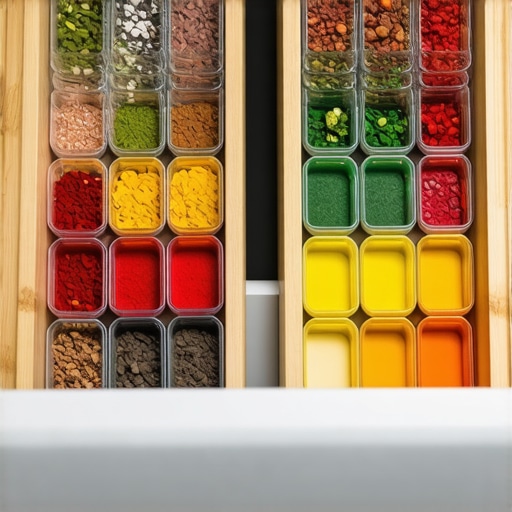
It’s easy to underestimate the impact of a well-organized spice drawer, but trust me, it’s a game-changer. When your everyday essentials are within arm’s reach and neatly arranged, you spend less time digging and more time creating delicious meals. The secret lies in innovative storage solutions that are both practical and tailored to your unique kitchen layout. As shown by professionals at Artisan Cabinetworkz, customized storage can truly revolutionize your culinary space, turning chaos into order effortlessly.
Is the Spice Drawer Strategy Actually Worth the Hype?
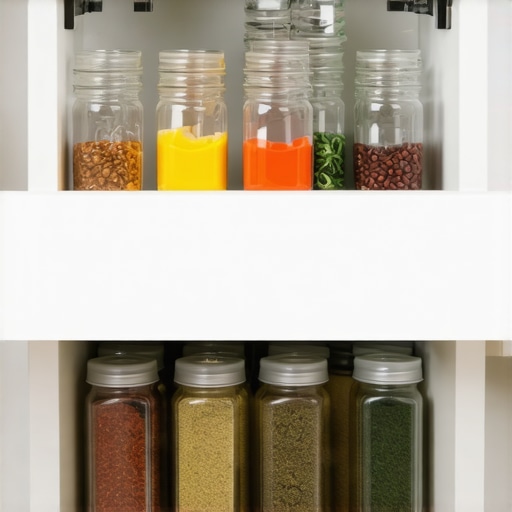
When I first heard about dedicated spice drawer inserts, I was skeptical—our drawers are tight spaces already, and I wondered if it was worth the investment. Early on, I made the mistake of simply shuffling spices into a regular drawer and hoping for the best, which only led to more clutter and frustration. But once I committed to a tailored solution with properly designed separators, everything changed. It’s bold, but creating a dedicated zone for your spices can transform your entire kitchen experience. If you’re curious about how to implement such systems, exploring options like built-ins and creative storage might provide some inspiring ideas.
What Are You Still Waiting For?
If cluttered drawers and counters feel like a constant struggle in your home, know that simple, effective strategies are within reach. In the upcoming sections, I’ll walk you through practical steps to create a spice drawer setup that lasts. If you’ve faced this precise problem, you’re not alone—and I promise, the solution is easier than you think. So, let’s get started and finally put an end to countertop chaos once and for all.
Start With a Clear Plan and Measure Carefully
Before diving into any renovation, I pulled out a measuring tape and charted every inch of my kitchen drawers and cabinets. I used painter’s tape to mark areas and sketched layouts to identify what storage solutions fit best. During my first attempt, I fumbled, cutting shelves too short and ending up with unusable space. This step eliminated guesswork, ensuring that each drawer and cabinet would accommodate specific items efficiently. For a seamless remodel, consider studying your layout and measuring every nook, as detailed at storage solutions expert tips.
Create Dedicated Zones for Every Item Type
I divided my kitchen into zones: spices near the stove, utensils close to prep areas, and baking supplies into a separate cabinet. This approach is similar to designing a traffic flow, where each zone acts like a mini-workstation—reducing movement and clutter. For instance, I installed a shallow pull-out for spices right next to the cooktop, making it easy to grab what I need quickly. Similar zones can be optimized with built-in storage solutions. Pick a specific spot for each category and stick to it to streamline your workflow.
Implement Smart Storage Innovations for Small Spaces
In my small kitchen, traditional shelves created clutter, so I switched to vertical dividers and pull-out shelves. I installed a **vertical cookie sheet organizer** that allowed me to stand sheets upright—eliminating the stacks of baking trays that fell over. A similar tactic is using nested organizers in deep drawers to maximize capacity without sacrificing accessibility. For inspiration, explore options like smart storage ideas that are tailor-made for tight places.
Customize Cabinets for Your Unique Needs
After measuring and planning, I opted for custom cabinets with specific insertions: a dedicated spice drawer with adjustable separators, pull-out trash bins, and a hidden charging station. Custom cabinetry acts like a tailor-made suit—fitting your space perfectly and accommodating your habits. For instance, I replaced my generic drawers with custom cabinets ideas that included soft-close mechanisms and specific compartments. This added organization and reduced wear and tear, making everything more accessible and durable.
Use Proper Hardware and Finishings to Keep It Beautiful
Choosing the right hardware was crucial—brass handles that resist tarnish, soft-close hinges for quiet operation, and matte black finishes to hide fingerprints. I also installed drawer pulls that were ergonomic and aesthetic, which made daily use easier and more enjoyable. Don’t underestimate how hardware impacts functionality and style; browse hardware finish options to find what suits your kitchen best.
Maintain and Adjust as You Go
Finally, I periodically reviewed my system, adjusting shelf heights and adding organizers when new needs arose. This iterative process kept my kitchen functional and visually appealing. Remember, a well-organized space isn’t static—it evolves with your habits and preferences.
Why DIY Myths Can Trip Up Your Kitchen Renovation
Many homeowners believe that a simple substitution of traditional cabinets with built-in storage solutions will instantly transform their space. However, this overlook the complex nuances of proper integration. For example, choosing the wrong materials or hardware can lead to premature wear, even if the design looks flawless at first glance. The myth that “one size fits all” with storage is a common mistake—customization is key, and understanding your unique kitchen layout requires a nuanced approach that professional designers emphasize.
Overestimating the Impact of Aesthetic Over Functionality
It’s tempting to prioritize sleek, modern aesthetics with high-gloss finishes or minimalistic hardware; yet, this can sometimes compromise functionality. For instance, expert advice suggests that storage must first serve your daily routines. Overlooking ergonomics or accessibility — such as shelf height or drawer extension— can lead to recurrent frustrations and hidden inefficiencies. Style is important, but comfort and usability often matter more in the long run.
What sophisticated homeowners often get wrong about seamless built-ins?
One common mistake is underestimating the importance of integration with existing structures. For example, a built-in that doesn’t account for uneven walls or ceiling heights results in gaps or uneven finishes. Advanced techniques like scribing and custom filler strips ensure a seamless look, but many skip this step. Professional remodelers stress that precision here makes or breaks the visual harmony. Skipping detailed measurement and planning might seem harmless but can undermine the entire aesthetic of your renovation.
Beware the Hidden Pitfalls of Material Selection
Another trap lies in assuming that all cabinetry materials are equal. For instance, particleboard may be cheaper upfront but falls short in durability when exposed to humidity—especially relevant in tropical or humid climates. Conversely, hardwoods like rift-sawn oak are more stable and can handle moisture fluctuations better. A study from the industry experts highlights that material choice directly impacts longevity and maintenance costs. Don’t fall for the allure of inexpensive options; invest in quality materials that align with your climate and usage patterns.
Small Details Make a Big Difference in Custom Cabinets
Finishing touches such as hardware selection or soft-close mechanisms often seem minor but significantly influence your overall satisfaction. Choosing hardware finishes that resist fingerprints—like matte black or brass—can save you time and frustration. Moreover, advanced features like hidden power outlets or integrated charging stations demand meticulous planning during custom cabinetry design. Overlooking these subtle details can result in a less functional, less aesthetic space. Remember, the devil is in the details, and a knowledgeable approach to these nuances elevates your entire project.
Enjoying your newly remodeled kitchen hinges on understanding these beneath-the-surface intricacies. By challenging common misconceptions, you can make smarter choices that last. Have you ever fallen into this trap? Let me know in the comments.
Tools That Keep Your Kitchen in Top Shape
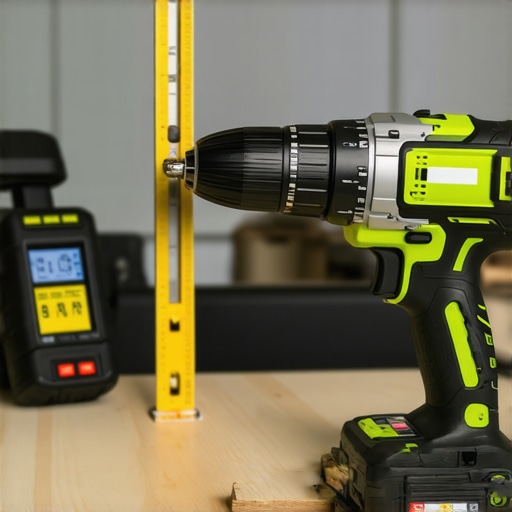
Running a well-organized and efficient kitchen requires more than just good design; it demands the right tools for maintenance and periodic upgrades. I personally swear by a high-quality cordless drill with adjustable torque settings, which I use for everything from tightening cabinet hinges to installing new storage solutions. Additionally, a versatile stud finder ensures you anchor shelves and built-ins securely into wall studs, preventing costly mishaps. For precise measurements, I rely on a digital laser level, which guarantees that all installations are perfectly aligned, saving you time and frustration in the long run. Investing in these tools has saved me countless hours during my remodel projects and ensures that everything functions smoothly over time.
Software and Systems for Long-Term Organization
To maintain my kitchen’s organization, I use a combination of digital apps and physical systems. I recommend Trello or Notion for tracking maintenance schedules, upcoming upgrades, and inventory lists—keeping everything accessible and organized. For example, I keep a timeline of when to replace seals on built-in appliances or lubricate drawer slides, which prolongs their lifespan. Timely upkeep prevents small issues from escalating into major repairs, and digital reminders help me stay proactive. With these systems, I’ve managed to keep my custom cabinets looking pristine and functioning flawlessly for years, reinforcing the importance of regular maintenance routines.
How do I maintain my storage solutions over time?
Regular checks are vital. I inspect my hardware, hinges, and seals every six months, tightening anything loose and replacing worn components before they cause damage. Cleaning is equally important—using gentle, non-abrasive cleaners keeps finishes looking fresh without stripping protective coatings. I also periodically reorganize storage zones to accommodate new needs, ensuring my system adapts with my cooking habits. Remember, maintenance isn’t a one-and-done task; it’s an ongoing effort that pays dividends by extending the life of your investments and keeping your kitchen looking beautiful and functioning flawlessly. Want to make this easier? Consider installing soft-close hinges and drawer slides, which require less frequent adjustments and significantly improve longevity.
Gear Up for Future Trends in Kitchen Maintenance
Looking ahead, technology is opening new possibilities for seamless kitchen upkeep. Smart sensors embedded in cabinetry can alert you when humidity levels rise—indicating potential leaks—or when hardware needs lubrication. Automated cleaning devices might soon become standard, simplifying daily chores and preservation tasks. Anticipate a future where your kitchen actively assists in maintaining itself, reducing downtime and costly repairs. Staying ahead means investing in these innovations early. For now, prioritize regular inspections with reliable tools like magnetic screwdriver sets and maintenance sprays designed for cabinetry, which are affordable yet effective. Try incorporating a digital checklist for monthly inspections—they’re game changers for long-term results.
By equipping yourself with precise tools and proactive routines, you can ensure your kitchen remains a functional, beautiful space for years to come. Whether updating hardware with high-quality lubricants or replacing worn seals, these small but critical actions safeguard your remodel investment. Don’t wait for problems to appear—start your maintenance plan today and enjoy the peace of mind that comes with a well-cared-for kitchen.
What I Wish I Had Known When I Started
- Rushing into custom cabinet selections without thorough measurements can lead to costly misfits—test every nook and cranny first. My mistake taught me patience and precision are the real game changers.
- Over-optimizing for aesthetics often sacrifices accessibility. Prioritizing function alongside beauty ensures your kitchen serves you, not just impresses guests.
- A small investment in quality hardware, like soft-close hinges and fingerprint-resistant handles, dramatically enhances daily usability and longevity.
- DIY is empowering, but knowing when to consult professionals saves time, money, and frustration—especially for complex built-in integrations.
- Maintenance routines matter: regular checks of hardware and quick cleanings preserve both form and function over the years.
This is Where My Journey Began—And How It Helped
Embarking on my kitchen remodel with a focus on custom cabinets and innovative storage solutions transformed my space from chaos to calm. The insights gained—like seamless hardware choices and strategic zone planning—became my blueprint for ongoing success. I now see every drawer and shelf as part of a bigger harmony, making daily routines smooth and enjoyable.
Elevate Your Space, Elevate Your Life
Your kitchen isn’t just a room; it’s the heart of your home and your daily well-being. Embrace the journey of thoughtful design, smart storage, and mindful maintenance. With the right planning and tools, you can craft a space that delights and lasts. Now’s the time to turn your vision into reality—your perfect kitchen awaits.
What’s the one kitchen organization tip you wish you’d learned earlier? Share your story below—I love hearing your experiences.