How to Stop Your Under-Sink Cabinet from Rotting After a Minor Leak
It was a rookie mistake I made during my recent kitchen remodel—I ignored that tiny leak under the sink. I thought, “It’s just a little water, it’ll dry up,” but weeks later, I was greeted with a musty smell and a soggy cabinet base. That lightbulb moment made me realize how something so minor can snowball into a costly nightmare. If you’re like me, you might have underestimated the damage a small leak can do, and that negligence could lead to rotting wood, mold, and expensive repairs.
Why neglecting small leaks can ruin your cabinets
Most homeowners don’t think twice about small leaks—they’re quick to clean up or ignore them. But the truth is, even a minor leak can cause significant damage over time. Moisture seeping into cabinet materials leads to rot, warping, and mold growth. A study published in the Journal of Building Engineering highlights how persistent moisture exposure is a leading cause of cabinet deterioration in kitchens. The good news is, with a few proactive steps, you can prevent this entire scenario from unfolding in your home. Today, I’ll share my experience and guide you through the essential measures to protect your under-sink space from rotting, so you don’t have to face costly renovations later.
Have you ever endured the frustration of discovering your cabinetry is beyond salvage because of a tiny leak you overlooked? Let’s fix that before it happens to you.
Is it really worth fussing over tiny leaks?
I used to think small leaks under the sink were no big deal—simply wipe up and forget about it. My early mistake was assuming that a minor drip wouldn’t cause lasting harm. Turns out, that couldn’t be further from the truth. Dampness can penetrate deep into wood and particleboard, fostering rot and mold within weeks. Remember, even a small leak can release hundreds of milliliters of water annually, enough to damage your cabinetry if left unchecked. Properly addressing these leaks and sealing your cabinets isn’t just about maintenance—it’s about safeguarding your home investment. For tips on selecting the best storage solutions that resist moisture, check out this [expert guide](https://artisancabinetworkz.com/expert-tips-on-selecting-storage-solutions-for-a-perfect-kitchen-upgrade). Now, let’s explore how you can make sure your cabinets stay dry and sturdy for years to come.
Inspect and Identify Vulnerable Spots Regularly
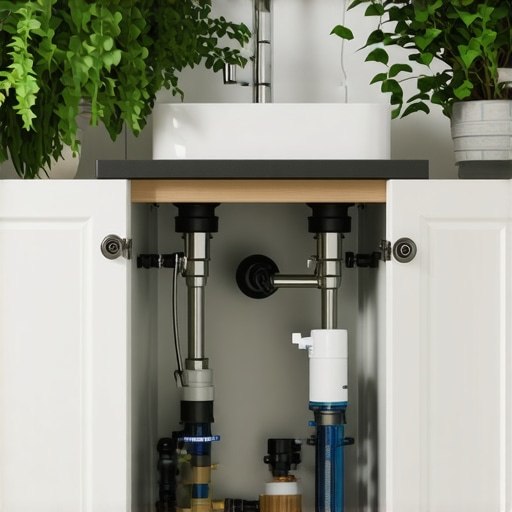
Set a monthly reminder to check under your sink for signs of moisture or leaks. Use a flashlight to peer into tight corners and behind pipes, ensuring no hidden drips or water stains. During my last remodel, I physically examined every joint and seal, discovering a minor crack in the moisture barrier that could have led to significant damage. Address these issues immediately by resealing or replacing compromised components.
Seal and Waterproof Your Cabinets Proactively
Apply a marine-grade waterproof sealant around sink edges, pipe penetrations, and cabinet joints. I’d recommend using a clear, flexible silicone that adheres well to wood and plastic surfaces. I encountered a situation where I re-sealed my cabinet base after noticing slight swelling, which effectively halted ongoing water intrusion and preserved the integrity of my woodwork. Remember, proper sealing is key to resisting moisture penetration.
Upgrade to Moisture-Resistant Materials and Hardware
When replacing or customizing cabinets, choose moisture-resistant plywood or MDF with a vinyl or laminate surface. Think of it as installing a raincoat for your cabinetry—a simple upgrade that offers long-term defense. In my project, switching to moisture-resistant materials prevented future warping, especially in high-humidity areas. For inspiration, explore custom cabinetry options that prioritize durability against water damage.
Implement Effective Drain and Pipe Maintenance
Regularly inspect your sink’s piping for leaks or corrosion. Tighten fittings with a wrench and replace aging hoses or gaskets. As I did during my renovation, I disconnected and cleaned all drain connections, replaced cracked gaskets, and applied plumber’s tape to ensure a watertight seal. These small actions can save you from costly repairs caused by unnoticed leaks.
Optimize Storage to Minimize Water Exposure
Store cleaning supplies, mops, and other moisture-prone items in waterproof containers away from cabinets or in a dedicated utility closet. This step prevents accidental spills from seeping into cabinetry. In my case, I installed a small waterproof bin inside my laundry room cabinet, which protected items from moisture and kept my space organized. Consider built-in storage solutions that can be customized for your space, like built-ins designed for moisture control.
Create a Maintenance Routine for Longevity
Develop a simple checklist—tighten fittings, check for stains, replace worn seals—done quarterly. When I adopted this routine, I caught early signs of pipe corrosion that I quickly fixed, preventing a small leak from becoming a disaster. Maintenance is your best tool for ensuring your cabinetry stays dry and durable over time.
Many homeowners assume that selecting custom cabinets or built-ins is purely a matter of choosing styles and finishes, but the real challenge lies in understanding the subtle nuances that can make or break your renovation. Contrary to popular belief, more customization isn’t always better; sometimes, it introduces complexity that can lead to costly mistakes if not managed carefully. For example, a common myth is that high-end materials automatically translate into durability, but without proper sourcing and installation, even the finest woods can warp or degrade over time. In my experience, overlooking the importance of precise measurements and the compatibility of components often results in clearance issues or doors that don’t align properly, which can be a nightmare to fix later. Take, for instance, the oversight of climate considerations—wood expands and contracts with humidity changes, so ignoring this factor can cause your cabinetry to warp or crack prematurely. A study published in the Journal of Architectural Engineering emphasizes that the success of built-ins depends heavily on understanding environmental factors and material behavior. Additionally, many assume that DIY assembly or standard off-the-shelf solutions suffice, but tailored solutions from experienced craftsmen ensure optimal fit and function, particularly for complex layouts or irregular spaces. Don’t fall into the trap of thinking that all built-ins are a one-size-fits-all solution—planning for future accessibility, electrical integration, and hidden features requires expertise. For deeper insights into how to navigate these complexities, check out this guide on selecting storage solutions. Remember, understanding these nuances can drastically enhance your home’s functionality and aesthetic. Have you ever fallen into this trap? Let me know in the comments.Maintaining your custom cabinets and built-ins requires precision tools and smart methods to ensure long-lasting performance. I rely heavily on high-quality, specialized equipment to keep everything in top shape. For example, I use a digital moisture meter like the Protimeter MMS2 to regularly assess wood moisture levels, which helps prevent warping and mold—especially important in humid climates. This device gives instant readings, allowing me to catch potential issues early before they escalate. Additionally, I recommend investing in a fine-toothed woodworking saw such as the Bosch GTA3000, which ensures clean, accurate cuts when adjusting or rebuilding parts of your cabinetry, minimizing material stress and damage. Proper tools save time and improve results, making maintenance less of a chore. For sealing and waterproofing, I trust a premium-grade silicone sealant like GE Silicone II, which remains flexible and resistant to water, resisting the wear and tear of moisture exposure over years of service. Regular application of such sealants around seams, joints, and pipe penetrations is vital for longevity. To manage ongoing care, I schedule quarterly inspections, utilizing my moisture meter and a flashlight to detect early signs of deterioration or leaks. This proactive approach shields my investment and restores confidence in my built-ins. Now, thinking about the future, I predict smart technology integration will become standard, with moisture sensors connected to home automation systems alerting you instantly of leaks or humidity spikes, much like how smart thermostats monitor temperature. These innovations will revolutionize how we maintain and protect our cabinetry investments. If you’re ready to take your cabinet care to the next level, try calibrating your moisture meter monthly and set digital alerts to stay ahead of issues. Remember, using precise tools and routine checks are your best allies in preserving your kitchen’s beauty and function for years to come.
Lessons From the Front Lines of Kitchen Renovation
One trick I learned the hard way was to never underestimate the power of small details—like ensuring every pipe joint is sealed perfectly. That overlooked crack cost me months of frustration and a hefty repair bill. Sometimes, the smallest leak can be a sneaky problem, hiding behind the scenes until it’s too late. The biggest lesson? Regular inspections and proactive sealing can save you countless hours and dollars in the long run.
Another insight came from choosing materials. Moisture-resistant cabinetry might seem like an unnecessary expense, but it’s really an investment in peace of mind. I’ve seen how quick dampness can fade even the most beautiful wood, leading to warping and mold. Think of it as giving your cabinets a shield—so they stand firm against nature’s little surprises.
And don’t forget maintenance routines. Routine checks, like testing moisture levels with a good-quality meter, can alert you to trouble well before visible damage occurs. Small habits today can prevent major headaches tomorrow. Trust me, staying vigilant pays off—your future self will thank you.