5 Kitchen Remodel Fixes That Stop Persistent Drawer Jamming
I remember the moment vividly: I pulled out a drawer in my renovated kitchen, and it stuck—hard. No matter how gently I pushed or pulled, it refused to glide smoothly. Frustration bubbled up as I knew this was more than just a minor annoyance; it was a symptom of underlying flaws in my kitchen’s design. That lightbulb moment made me realize how many of us accept stubborn drawers as an unavoidable part of kitchen life, when in reality, a few simple fixes could make all the difference.
Taking Control of Your Kitchen Storage
If you’ve ever experienced a drawer that refuses to close properly or jams at the worst possible moment, you’re not alone. These issues often seem minor but can significantly disrupt your daily routine, turning what should be a quick grab-and-go task into a test of patience. Over the years, I’ve discovered that many of these problems stem from incorrect installation, worn-out hardware, or misaligned runners—and they can all be remedied with targeted fixes.
What’s more, solving these issues can transform your kitchen into a space that’s both beautiful and functional. After all, your kitchen should be a place that empowers you, not frustrates you. And tackling stubborn drawer jams is a straightforward way to reclaim that sense of ease every time you open a cabinet.
So, today, I’ll walk you through five effective fixes that have personally helped me—and countless others—eliminate persistent drawer jamming once and for all. Whether you’re dealing with misaligned slides, swollen wood, or worn-out hardware, these solutions will help restore your drawers to their seamless glide.
**Ready to get your kitchen running smoothly again? Let’s dive into the practical steps that can turn this frustrating problem into a distant memory.**
Is Your Kitchen Fixing Itself? Not Quite! The Truth About Drawer Problems
Early on, I made the mistake of assuming that stubborn drawers were just part of aging cabinetry. I thought replacing the entire drawer unit was the only fix. Turns out, a quick check of the runners and hinges revealed that simple adjustments could solve the issue. This was a lesson in avoided costs and clever repairs—something I wish I’d learned sooner. Trust me, you don’t need to overhaul your kitchen to fix these problems. Often, it’s as simple as maintaining and adjusting your existing hardware.
Diagnose the Root of the Jam
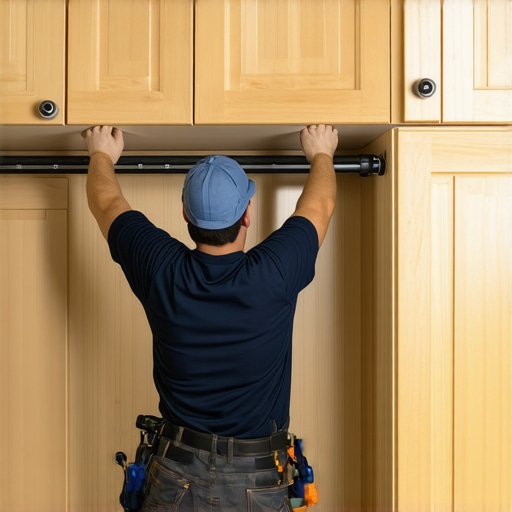
Begin by removing the drawer entirely to inspect the runners and track. I once had a jam caused by a tiny pebble lodged in the slider; clearing it instantly restored smooth movement. Examine for misalignment, damage, or debris. Think of your drawer runners as the rails of a train—any obstruction or warping disrupts the entire journey.
Adjust and Realign Runners
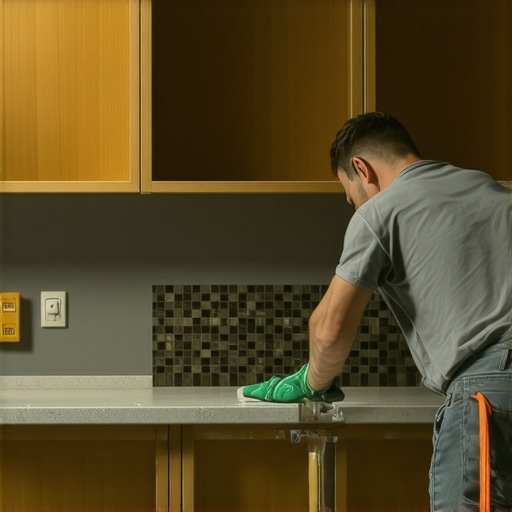
Loosen the screws securing the drawer slides and gently shift them to align parallel with the cabinet frame. Use a level or straightedge as your guide. I’ve often used a small shim to test alignment—if the drawer aligns perfectly after adjustment, it’s a win. For instance, during a kitchen remodel, I watched a misaligned slider cause frequent sticking; a simple readjustment fixed the issue and prevented future jamming.
Use the analogy of a sliding door—if it doesn’t glide smoothly, check for the track’s straightness and free movement. If it’s bent or obstructed, the door (or drawer) will stick. Correcting the track’s position is key for seamless operation.
Lubricate Moving Parts Properly
Apply a silicone-based lubricant to the runners and track—this reduces friction and prevents squeaking. I once neglected this step, and after a year, the drawer started sticking again. A quick spray fixed the problem. Avoid oil-based lubricants, which can attract dust and grime, turning your smooth glide into a gritty drag. Remember, maintenance is like oiling the wheels of a bicycle; it keeps everything turning smoothly.
Replace Worn Hardware
If the rollers or slides are cracked or rusted, replacing them is essential. Contact the manufacturer or order custom replacements if you’re unsure—this is where personalized solutions shine. I recommend exploring options for custom cabinetry that incorporate high-quality hardware for durability; see custom cabinets ideas. Opting for heavy-duty slides can significantly improve longevity and performance.
Check for Structural Issues
Sometimes, swelling wood or warping frames cause drawers to jam. During a humid season, I once noticed my cabinet sides warped slightly, causing misalignment. Using a moisture meter helped identify excess humidity as the culprit. Applying dehumidifiers or sealing wood surfaces prevents future issues and ensures the structure retains its shape. For detailed guidance, explore built-in storage solutions.
Consider Professional Assistance for Persistent Problems
If your DIY efforts don’t yield results, it’s wise to consult a cabinet professional. Sometimes, issues stem from deeper design flaws or manufacturing defects. In my experience, a quick consultation saved me from replacing entire cabinet sections. Professionals can offer tailored solutions, especially valuable when upgrading your space. To see design ideas that incorporate proper fitting, visit custom cabinetry guides.
While many assume that choosing generic storage options guarantees a functional kitchen, this overlooks the nuanced factors that truly impact long-term usability and aesthetics. One common myth is that bigger is always better; however, overstuffing cabinets or opting for overly deep drawers can hinder accessibility and lead to clutter, defeating their purpose. Expert designers emphasize that tailored solutions, like custom-built shelving or uniquely-sized drawers, maximize every inch of available space and improve workflow—details often missed by DIY approaches.
This misunderstanding can lead homeowners into a trap: selecting off-the-shelf solutions that don’t account for specific room dimensions or lifestyle needs. For example, standard base cabinets may seem practical, but they often ignore the importance of considering door swing clearance or reach zones, especially in kitchens with high ceilings or awkward layouts. Investing in custom cabinetry ensures these nuances are addressed, resulting in a seamless blend of form and function. For inspiration, check out custom cabinets ideas that exemplify how tailored designs unlock hidden potential.
Another prevalent misconception involves built-ins. Many believe that installing built-in shelves or cabinets limits flexibility, but savvy designs actually enhance adaptability by integrating storage into architectural elements, reducing visual clutter, and increasing usable space. Beware the common mistake of choosing ill-fitting or poorly planned built-ins, which can backfire—leading to accessible issues or aesthetic mismatches. Properly designed built-ins are a smart solution to optimize room functionality, especially in tight spaces, as discussed in storage hacks for a sleek kitchen.
For advanced readers, a question arises: How does the integration of storage solutions influence the overall usability of a space over time? A study published by the National Kitchen & Bath Association highlights that well-designed storage not only improves immediate functionality but also adapts to evolving needs, increasing the longevity and satisfaction of remodel projects. This underscores that thoughtful, customized solutions are investments that pay off exponentially.
Don’t let these misconceptions trap you into choosing improper solutions. Instead, embrace the nuanced planning of custom cabinets and built-ins. By doing so, you create a space that’s truly optimized—both today and well into the future. Want to explore more expert tips? Visit storage solution tips. Have you ever fallen into this trap? Let me know in the comments.
Keep Your Cabinets & Built-Ins in Prime Condition with These Expert Tips
Once you’ve invested time and resources into custom cabinets and built-ins, it’s crucial to adopt a proactive maintenance routine to ensure longevity and optimal functionality. Personally, I rely on precision tools and specific techniques that make upkeep both manageable and effective. In this section, I’ll share my proven methods and the tools I trust for ongoing maintenance.
One essential tool I recommend is a digital torque screwdriver. Unlike standard screwdrivers, a torque screwdriver prevents overtightening, which can strip delicate cabinet hardware or warp frames over time. I typically set it to the manufacturer’s recommended torque settings, ensuring hardware stays securely in place without causing damage. This approach prolongs the life of hinges and pulls, especially on high-use pieces.
Another vital piece of my toolkit is a microfiber cloth combined with a specialized cleaning spray formulated for wood finishes—avoid generic cleaners that can damage surfaces. I use these to regularly wipe down surfaces, removing dust and grime that, if left unchecked, can cause wear or discoloration. Routine cleaning not only maintains aesthetic appeal but also prevents buildup that can hinder smooth operation.
For deeper inspections, I employ a small inspection mirror and a flashlight to scrutinize concealed areas, such as the underside of shelves or inside corner joints. This is invaluable for detecting early signs of moisture ingress, pest activity, or hardware loosening that needs addressing before escalating into costly repairs.
As technology advances, smart monitoring devices, like humidity sensors connected to home automation systems, are becoming part of my long-term strategy. These sensors alert me when humidity levels exceed optimal ranges, preventing swelling or warping, especially in kitchen areas prone to moisture fluctuations. Considering future trends, I predict these smart solutions will become standard in maintaining cabinetry integrity, particularly in unpredictable climates.
To keep your storage solutions performing at their best over the years, incorporate regular maintenance schedules—think semi-annual check-ups similar to vehicle servicing. Tighten, lubricate, and clean components with the appropriate tools, and keep an eye out for early signs of wear or damage.
Question – How do I maintain custom cabinets and built-ins over time?
Engaging in consistent, targeted upkeep with the right tools ensures your investment endures. For instance, routinely reapplying silicone-based lubricant on hinges and slides preserves smooth operation, while inspecting for loose hardware prevents bigger issues. My go-to method involves monthly visual checks paired with biannual deep cleans—simple routines that significantly extend the lifespan of your cabinetry and storage solutions.
Looking to elevate your maintenance game? Consider adding a digital torque screwdriver to your toolkit. This small investment in precision can be game-changing, especially for high-quality hardware that demands careful handling. Plus, integrating smart humidity sensors can help you preempt problems stemming from moisture exposure, preserving your wood finishes and preventing warping.
Remember, consistent maintenance isn’t just about fixing problems; it’s about preventing them. By proactively caring for your cabinetry, you secure their beauty and functionality for years to come. Curious about innovative storage solutions that withstand the test of time? Dive into creating seamless kitchen remasters for more insights.
What I Wish I Knew Before Installing Custom Storage
One of the most significant lessons I learned was that investing in tailored cabinetry and built-ins pays off in durability and satisfaction. I used to believe that generic solutions sufficed, but customizing for my space prevented future frustrations and enhanced functionality. Realizing the importance of precise measurements and quality hardware early on saved me time and money down the line.
The Power of Thoughtful Design Over Trends
Early in my renovation journey, I fell for trendy finishes and daring colors, only to discover that timeless design choices make maintenance easier and last longer. Opting for classic materials and versatile layouts meant my kitchen aged gracefully, retaining its beauty and usability. This experience taught me to prioritize timeless over temporary trends for long-term value.
Curating My Toolbox for Continuous Maintenance
Maintaining custom cabinets and built-ins isn’t about fancy tools—it’s about the right ones. I trust a quality microfiber cloth, a silicone-based lubricant, and a digital torque screwdriver to keep my storage solutions functioning smoothly. These simple tools, combined with routine inspections, ensure my investment remains pristine and functional for years to come.
Resources That Transformed My Approach
My go-to sources include detailed guides on custom cabinetry design and storage solutions tips. These resources provided clarity on optimal materials, hardware choices, and layout planning. Additionally, browsing built-in ideas inspired me to maximize every inch efficiently.
Your Next Step Could Lead to a Dream Kitchen
Transforming your space with well-planned storage solutions and custom cabinetry is an empowering journey. By applying personal insights and trusted resources, you can create a kitchen that functions seamlessly and ages beautifully. Remember, the key lies in thoughtful design, quality materials, and consistent maintenance—making your kitchen not just a room, but a reflection of your lifestyle. What’s one small change you’re ready to make today to improve your kitchen storage? Share below and let’s learn from each other.