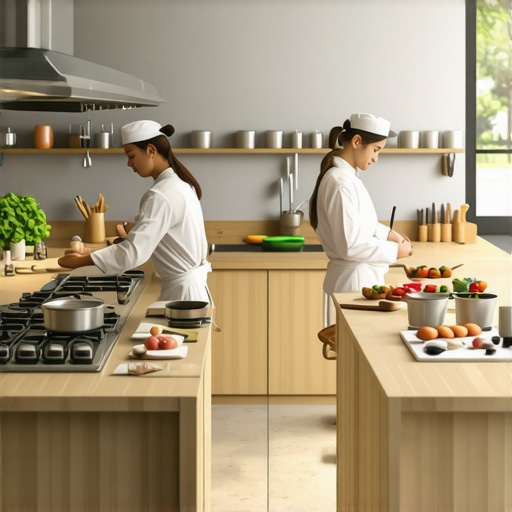
How to Layout a Kitchen for Two Cooks Without Bumping Heads
Have you ever found yourself in the middle of preparing a meal, only to have your partner reach past you, bumping elbows or, worse, knocking over a glass of wine? I’ve been there. That frustrating moment of clumsiness and chaos struck a chord with me early in my remodeling journey. It was a lightbulb moment—realizing that a thoughtful kitchen layout, designed specifically for two cooks, can make all the difference. But before I cracked the code, I faced a series of mishaps, wasted space, and even a few raised voices.
Why Sitting Side-by-Side Isn’t Enough
Many assume that simply placing two workstations opposite each other or side by side will do the trick. However, without strategic planning, you’ll find yourself juggling around each other, trying to grab utensils or ingredients, often leading to a bumped head or an irritated glance. I learned the hard way that the flaw wasn’t just in the placement of appliances or counters but in how the entire space is orchestrated for smooth movement and interaction.
Today, I’ll walk you through practical strategies that transformed my cramped, bump-filled kitchen into a harmony of function and flow. From specific layout configurations to storage hacks, you’ll discover how to design a space that caters perfectly to two chefs without the constant bumping, stepping on toes, or chaos. And yes, it’s totally achievable—think of it as turning your kitchen into a dance floor rather than a battleground.
Is Fancy Hardware or Custom Cabinets Overhyped?
Early on, I believed that installing high-end hardware and trendy cabinets would dramatically improve my kitchen experience. Turns out, I was wrong. My mistake was prioritizing aesthetics over functionality. I realize now that proper layout and storage solutions are far more impactful. If you’re curious about optimizing space effectively, check out these smart storage ideas that will serve your needs for years to come.
With that foundation laid, let’s dive into how you can design a kitchen that accommodates two cooks seamlessly, without sacrificing style or efficiency. Ready to reimagine your space? Keep reading!
,
Designing an Efficient Dual-Cook Layout
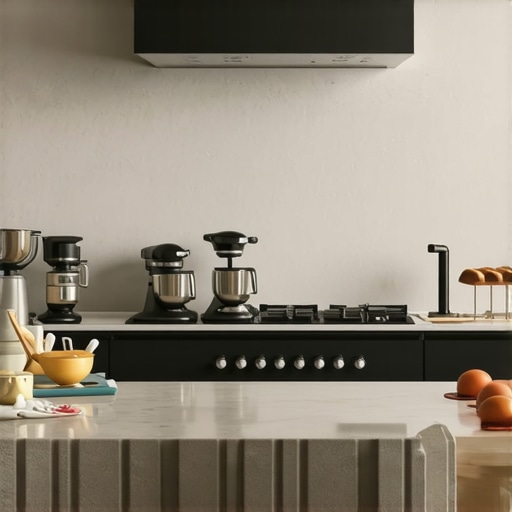
Start by dividing your kitchen into distinct zones: prep, cooking, and cleanup. Position these zones so that two cooks can operate simultaneously without crossing paths excessively. For example, place the prep area near the refrigerator with easy access to cutting boards and knives, and ensure it’s adjacent to the stove and sink for smooth workflow.
Implementing Built-In Storage Solutions
Utilize custom built-ins and high-efficiency cabinets to maximize space. Incorporate vertical storage like tall pantry cabinets with pull-out shelves. For instance, installed a tall cabinet with adjustable shelves and a pull-out spice rack, which drastically improved access during meal prep. Consider hidden spots for small appliances to reduce clutter—install appliance garages behind cabinetry to keep counters clear.
Optimize Drawer and Shelf Use
Pre-plan your drawer layout: dedicate sections for utensils, cutting tools, and dishware. Use adjustable tension spring dividers to contain deep drawers, preventing chaos. During my remodel, I installed vertical dividers for lids and baking sheets, which saved time searching for matching lids and prevented deep drawer jams.
Streamlining Workflow with Smart Hardware
Invest in high-quality, soft-close hinges and heavy-duty slide mechanisms. These hardware upgrades minimize noise and ensure durability. For example, I replaced standard hinges with soft-close hinges and heavy-duty slides for the large pans and cookware. It’s a game-changer during busy cooking sessions, reducing interruptions and accidents.
Creating Dedicated Tech Stations
Designate a specific area for electronics—like tablets, recipe displays, or chargers—using built-in compartments. This keeps devices accessible but out of the way, preventing clutter and damage. Use hidden cabinet spots to hide chargers and tech accessories for a clean look. When I added a shallow drawer with charging ports and a cable management system, it became my go-to spot for all kitchen tech.
Finalize with Ergonomic Considerations
Ensure counters are at a comfortable height for both cooks to reduce strain. Incorporate pull-out pull-down shelves for high cabinets, so essential items are within easy reach. I installed a lower countertop extension for prep work, which alleviated back strain during long cooking sessions.
By combining strategic layout planning with custom storage solutions and hardware upgrades, you can transform your kitchen into a well-oiled, collaborative space that supports two cooks seamlessly. Explore options like smart storage innovations to further elevate your design.
When remodeling your kitchen or enhancing your living space with custom cabinets and built-ins, it’s easy to assume that choosing high-end materials or trendy finishes will automatically deliver long-term value. However, a common misconception among homeowners is that aesthetics trump functionality. In reality, many get caught up in the allure of luxurious hardware or exotic veneers without considering the intricate nuances of design and installation that truly determine success. One such trap is the belief that installing larger, decorative cabinetry inherently provides more storage. Yet, oversized units can encroach on limited space, creating clutter rather than solving it, especially if not precisely measured and planned. An expert approach involves detailed space planning and modular designs, which maximize usability without sacrificing style.
Moreover, a frequent oversight is neglecting the importance of proper material selection, especially for humid environments like kitchens. For example, using solid wood panels in high moisture zones can lead to warping and delamination over time, which many homeowners only realize after costly repairs. Studies from [the National Kitchen & Bath Association](https://nkba.org) highlight that material choice and joinery methods significantly impact cabinet durability and maintenance. Therefore, understanding the trade-offs — such as plywood versus MDF or thermofoil finishes versus natural veneers — is critical for durability and long-term satisfaction.
A subtle but critical nuance involves built-in features designed for convenience. Many homeowners focus on the visual appeal of customized drawers or pull-outs but overlook the importance of hardware quality and installation precision. Cheap soft-close hinges or poorly aligned slides can turn a seemingly flawless setup into a source of frustration. For instance, heavy-duty slides that aren’t properly mounted may sag or bind under weight, leading to premature failure. Investing in hardware tested for longevity, like those detailed in [this guide on heavy-duty hinges](https://artisancabinetworkz.com/4-soft-close-hinges-that-actually-end-drawer-slamming-in-2026-2), can prevent costly replacements down the line.
Tackling advanced questions, have you ever wondered how to ensure your custom cabinetry withstands climate variations or daily use without sagging or deterioration? The answer lies in understanding joint integrity and hinge design, which are often overlooked in standard plans. Properly engineered joinery, reinforced with steel brackets or titanium hinges, provides the resilience needed for high-traffic or outdoor kitchen spaces. This principle is backed by research emphasizing the importance of structural reinforcement in cabinetry, especially when supporting heavy loads or resisting humidity fluctuations.
In summary, achieving a successful remodel with custom cabinets and built-ins demands more than picking the fanciest finish or largest units. It requires strategic planning, informed material choices, precision hardware installation, and forward-thinking solutions for environmental challenges. Don’t fall into the trap of overemphasizing aesthetics at the expense of function. Instead, focus on the hidden nuances that ensure longevity, efficiency, and true value. Want to explore innovative storage hacks and cabinet ideas? Visit our [smart storage solutions page](https://artisancabinetworkz.com/smart-storage-solutions-for-small-kitchens-in-2025) or reach out via [our contact form](https://artisancabinetworkz.com/contact-us) to start your upgrade today. Have you ever fallen into this trap? Let me know in the comments.
Ensuring your custom cabinetry and built-in storage solutions remain functional and attractive over time hinges on employing the right tools and maintenance practices. Personally, I swear by a selection of specific equipment and methods that have proven their worth in my projects, allowing for efficient upkeep and seamless long-term performance.
Invest in Quality Hardware and Specialized Tools
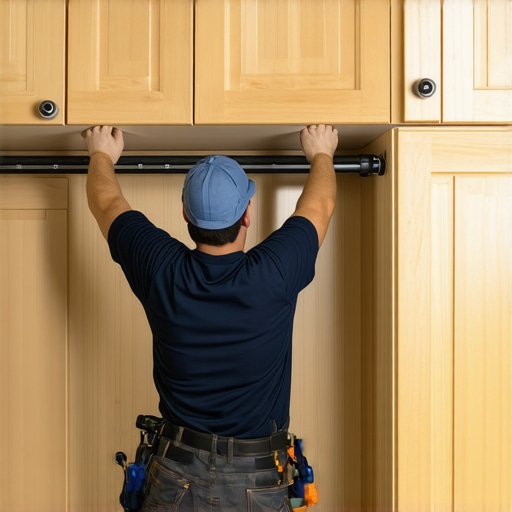
High-quality soft-close hinges, such as these soft-close hinges, are a must. They not only prevent noisy slamming but also reduce wear and tear, extending the life of your cabinets. To maintain these hinges, I use a soft-bristled brush to clean dust and debris, ensuring smooth operation. For aligning cabinet doors after installation or adjustment, a digital level and a torque driver are invaluable—precision saves time and prevents future misalignments. My personal favorite is a cordless drill with multiple bits, offering both speed and versatility, especially when installing or adjusting hinges and drawer slides.
Supplements for Better Cleaning and Preventive Care
Keeping cabinets pristine requires specific cleaning agents. I recommend silicone-based lubricants for hinges and slides—these reduce friction and prevent squeaking. Regularly applying these lubricants, combined with wiping down surfaces with soft, damp cloths, prevents build-up that could impede functionality. Additionally, using anti-bacterial and protective finishes, like these finishes, helps preserve the material integrity, especially in humid environments.
Schedule Routine Checks and Upkeep
Establish a maintenance schedule—quarterly inspections of hinges, slides, and seals can catch issues before they escalate. Adjusting hinges and tightening screws as needed prevents sagging or misalignment. For example, after my last remodel, I made it a habit to check and tighten all hardware every three months, which significantly extended the cabinets’ lifespan. For built-ins, verifying that anchors and supports are secure is essential, especially if the installation is over a few years old. If you notice signs of wear or sagging, consult a professional or explore heavy-duty hinge solutions to reinforce your setup.
How do I maintain custom cabinetry over time?
Maintaining your custom cabinets involves more than routine cleaning; it demands attention to hardware health and material condition. Using the right tools for adjustment—like a torque screwdriver—allows for precise hinge and slide alignment, preventing uneven wear. Applying protective finishes periodically guards against moisture and scratches, especially in busy kitchens. Additionally, inspecting for water leaks or humidity issues and addressing them promptly can stave off warp or delamination. For deeper refreshes, consider refinishing or reapplying durable, antibacterial cabinet finishes to keep surfaces looking new and hygienic. Remember, proactive maintenance ensures your investment continues to serve your needs beautifully for years to come. If you’re looking for advanced techniques to keep your cabinetry in top shape, I recommend trying out these self-healing finishes—they really make a difference in durability.
By integrating these specific tools and habits into your cabinet care routine, you’ll prolong their beauty and functionality, making your kitchen remodel truly stand the test of time. Ready to elevate your maintenance game? Start by adjusting your hinges with a torque screwdriver for perfect alignment, a simple step that prevents future sagging and keeps your cabinets looking flawless. For more tailored advice or professional assistance, feel free to reach out today.
Three Lessons That Changed My Approach to Custom Cabinets and Storage
First, never underestimate the power of precise measurements. I once designed a cabinet that looked stunning but barely fit the appliances, leading to frustration and costly adjustments. The lightbulb moment? Always double-check dimensions, especially for built-in features. Second, invest in quality hardware early on—soft-close hinges and sturdy slides make a world of difference in daily usability and longevity. Lastly, embrace flexibility in your design; plans often need tweaks during installation, and being adaptable saved me time and extra expenses. Learning these personal quirks transformed my remodel process from stressful to enjoyable.
Tools and Resources That Made My Kitchen Dreams Real
For anyone diving into custom cabinetry and storage solutions, I rely heavily on precision tools like digital levels and torque screwdrivers—they ensure perfect alignments. My go-to resource for inspiration and expert advice is this site dedicated to kitchen upgrades, which offers detailed guides and innovative ideas. Additionally, I trust modern remodels with custom-built features for understanding current trends and best practices. These tools and sources keep me informed and confident in creating a space that truly fits my needs.
Your Next Step: Turn Vision Into Reality
Remodeling your kitchen with thoughtful custom cabinets and smart storage can elevate your daily life and reflect your personal style. Remember, every challenge you face is just a step toward achieving that perfect harmonious space. Embrace the process, stay curious, and don’t hesitate to reach out if you need guidance—your dream kitchen is within reach. Ready to start transforming your space? The key is taking that first, confident step.
What’s been your biggest takeaway or concern in designing a kitchen that works for two cooks? Share below—I’d love to hear your story!
,