Why Your Kitchen Remodel Needs This Hidden Pet Station Move
The moment I realized my kitchen was a chaos zone, I knew something had to change—especially when my beloved pup’s food bowl had become a staple in the walkway, causing me to trip over it every morning. That lightbulb moment? When I saw a tiny spill from his water bowl make its way onto a freshly painted floor, I understood that part of my kitchen redesign needed a secret weapon: a hidden pet station move. Today, I’ll share how this simple tweak transformed my space from cluttered to functional—and how it can do the same for you.
The Hidden Problem in Many Modern Kitchens
remodeling a kitchen isn’t just about picking trendy cabinets or shiny countertops. It’s also about creating smart storage that works for your unique lifestyle. But often, pet-related messes and supplies get tossed into random corners, making the space feel chaotic and unorganized. The reality is that without a dedicated spot for pet essentials, I was constantly hunting for leashes, treats, or that worn-out water bowl—which, let’s face it, ends up on the floor more often than in its proper place. This scattered approach not only wastes time but also fails to contain messes, leading to muddy paw prints and water spills on floors that are a nightmare to clean.
After some trial and error, I discovered that a discreet, customized pet station—hidden away yet easily accessible—could be a game-changer. It keeps everything tidy, minimizes mess, and frees up valuable cabinet space for my cookware and utensils. This single change made my kitchen more functional and way less stressful. And it inspired me to learn more about how strategic storage solutions can revolutionize your whole remodel. You might want to check out how built-ins and creative storage can elevate your space too.
Is a Pet Station Hidden Away Really Worth the Hype?
Early on, I made the mistake of assuming that a dedicated pet nook would be overkill. I worried it would look out of place among sleek cabinets and modern appliances. But in reality, the right placement and design made it seamless—almost invisible—yet incredibly functional. This small but mighty addition kept my floors clean and my pet’s stuff organized, which, frankly, felt like a luxury. If you’re skeptical, I get it. But trust me, a well-planned pet station can *save* you from countless headaches. Don’t just take my word for it—smart storage solutions have been proven to boost kitchen efficiency and reduce clutter, according to recent studies in home organization.
Looking to see how this could fit into your kitchen remodel? Stay tuned—I’ll guide you through how to plan, design, and integrate your perfect hidden pet station. Making your kitchen work for you, not against you, starts now.
Plan Your Hidden Pet Station Placement
Start by assessing your kitchen layout. Find a discreet corner near your pet’s feeding area that won’t disrupt your overall flow but remains accessible. Think of it like designing a concealed compartment in a safe—it needs to be hidden yet easily reachable. I once chose a spot behind the pantry door, which kept pet supplies out of sight but within arm’s reach when needed.
Design Custom Cabinets for Seamless Integration
Next, focus on custom cabinetry. Measure your supplies—leashes, treats, bowls—and create a cabinet with designated slots and compartments. Use custom cabinets that blend with existing cabinetry for a uniform look. I opted for shallow drawers with dividers to organize leashes and toys neatly, preventing clutter and making retrieval quick. Think of it like designing tailored compartments inside a jewelry box—each piece has its place.
Incorporate Discreet Water and Food Solutions
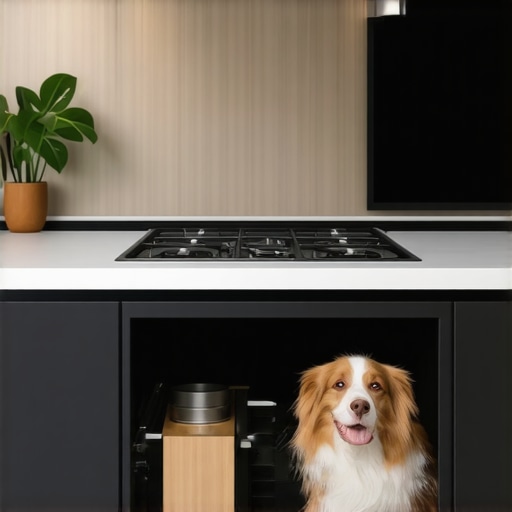
Install a pull-out drawer with a built-in water station. This keeps pet water off the floor and prevents spills from spreading. When I added a hidden water reservoir with a smooth-surface tray, my floors stayed dry and clean. Consider built-in storage solutions to hide feeding bowls or water dispensers, making the space appear sleek and tidy.
Add Pull-Out Shelves for Easy Access
Integrate pull-out shelves for daily essentials. This allows you to pull out everything needed without rummaging through clutter. I used heavy-duty slides—like these robust slides—to handle frequent access. This setup is akin to a secret drawer in a high-end desk, providing quick access without cluttering the main kitchen space.
Create a Maintenance-Friendly System
Finally, ensure your pet station is easy to clean. Use materials resistant to water and scratches, like laminated surfaces or sealed wood. Regularly wipe down compartments to prevent pet hair buildup. Implementing a system like this is comparable to building a locker with removable bins—simple to maintain and customize over time.
 }Many homeowners believe that simply installing built-in cabinetry or custom storage solutions automatically results in a sleek, functional kitchen. However, this overlooks the nuanced planning essential for truly effective integration. One prevalent myth is that all built-ins are created equal—that any custom cabinetry will elevate your space without careful consideration of scale, placement, and workflow. In truth, poorly executed custom solutions can become visual clutter or, worse, operational hindrances, especially if they don’t align with your specific needs or kitchen layout. For example, assuming that larger storage is always better can lead to bulky designs that make access cumbersome and disrupt the harmony of the space. It’s vital to understand that the *secret* to successful built-ins lies in meticulous customization—tailoring each element to your habits and the kitchen’s architecture, rather than relying on a one-size-fits-all approach. According to expert designers, integrating hidden storage with built-in features can drastically improve the room’s functionality when done correctly. An advanced mistake I often see is the neglect of the importance of lid-fitting cabinetry, which ensures airtight, dust-proof, and seamless operation—this is especially critical for pantry or appliance hideaways. Overlooking this small detail can undermine your entire remodeling effort. For an in-depth look, check out this expert guide on maximizing your kitchen’s potential with custom cabinetry. Remember, the key isn’t just choosing built-ins but designing them to complement your daily routines. Have you ever fallen into this trap? Let me know in the comments.Maintaining your built-in cabinets and storage solutions is essential to ensure they stay functional and beautiful over time. Personally, I swear by a few specific tools that make regular upkeep not just manageable but efficient. A high-quality microfiber cloth is non-negotiable—its gentle surface ensures that delicate finishes like painted or rift-sawn oak are cleaned without scratches. For more stubborn spots, I rely on a soft brush attachment for my vacuum to remove dust and pet hair from intricate corners and joins. I’ve found that a well-calibrated cordless drill with an Allen wrench set simplifies the process of tightening hinges or adjusting soft-close slides, preventing squeaks and misalignments before they become major issues. Additionally, having a pneumatic air compressor on hand allows me to blow out dust from hidden compartments and tight spaces that can accumulate debris, especially in custom cabinetry with complex storage niches.
Looking ahead, I believe that automation and smart maintenance will become even more integrated into kitchen upkeep. Imagine sensors that alert you when hinges need oiling or when a drawer slide is misaligned—this proactive approach to maintenance will extend the lifespan of your investment and keep everything operating smoothly.
How do I maintain my custom storage over time? Regular inspection is key. Set a monthly reminder to check for loose hardware, clean surfaces with appropriate cloths, and ensure moving parts function seamlessly. Using products like a silicone-based lubricant on hinges and slides can prevent squeaks and corrosion, especially in humid climates. Remember, the longevity of your kitchen’s beauty lies in the consistency of your upkeep.
For example, professional cabinet builders often use specialized hardware maintenance products to prolong the life of built-in features. According to a detailed guide by industry experts, applying a high-quality lubricant to soft-close hinges every six months ensures they operate quietly and last longer. Implementing a routine with these tools and tips will keep your space functioning beautifully for years to come.
Ready to elevate your maintenance game? Try incorporating a pneumatic air blower into your regular cleaning routine to keep dust and debris at bay, especially in hard-to-reach areas. It’s a game-changer for maintaining the pristine look of your investment.
How I Learned the Value of Thoughtful Planning
One of the hardest lessons I encountered was realizing that adding built-ins or custom cabinets isn’t just about aesthetic appeal—it’s about crafting a system tailored to your everyday routines. I once tried to install a generic storage solution, only to find it was impractical for my pet’s water bowls and leashes. The lightbulb moment? Designing bespoke solutions that fit my specific needs made all the difference, reaffirming that personalization in storage design is paramount.
Why Overestimating Your Space Can Backfire
I initially believed that more storage meant better. However, I learned that overcrowding any space creates clutter rather than clarity. Carefully measuring and planning the size and placement of drawers, shelves, and cabinets ensures you maximize functionality without sacrificing comfort. This experience underscored the importance of strategic sizing and placement, which is often overlooked in typical remodels.
Secrets Experts Keep to Themselves About Seamless Integration
It might surprise you, but seamless integration of hidden pet stations requires attention to detail that even many professionals underestimate. Elements like matching cabinet finishes, precise drawer dividers, and discreet placement behind pantry doors elevate a space from functional to exceptional. These subtle touches—like a hidden water reservoir or pull-out feeding station—are game-changers once you understand the nuances of custom cabinetry and smart storage solutions.
My Go-To Resources for Mastering Built-ins and Storage
To refine my approach, I leaned on some trusted sources. Custom cabinets offer tailored fit and finish, ensuring your pet station blends seamlessly with your overall kitchen design. Storage hacks for modern kitchens reveal clever ways to hide clutter and maximize space. For detailed planning, expert guides provide actionable steps from concept to execution, saving you time and frustration.
Your Next Step in Transforming Your Kitchen
Creating a hidden pet station or any custom storage isn’t just about solving today’s mess—it’s an investment in your home’s functionality and your peace of mind. Every small tweak, like adjusting drawer slides or selecting the right hardware, adds up to a stress-free, beautiful space that truly works for you. I encourage you to start imagining how these insights can be adapted to your own kitchen remodel. The journey toward a more organized, stylish space begins with a single, thoughtful decision.