
Why Dovetail Joints Fail When Humidity Isn’t Managed Correctly
I remember the moment vividly—my newly installed dovetail drawers jammed tighter than a rusty hinge just a few months after my kitchen remodel. It was frustrating, almost disheartening, but then I realized the culprit was straightforward: humidity swings that I ignored during the project. That lightbulb moment changed everything for me. Suddenly, I understood why those elegant dovetail joints, prized for their strength and beauty, could fail so miserably if we don’t pay attention to moisture levels. If you’ve ever prided yourself on creating or choosing beautiful cabinetry, this issue might have snuck into your projects too. Don’t fret; I promise that with a little insight and some practical tips, you can prevent this common—and often costly—problem.
Understanding Why Moisture Wreaks Havoc on Dovetail Joints
Is humidity control really that critical in woodworking? Absolutely. When wood absorbs or loses moisture unpredictably, it expands or contracts. Over time, this movement can loosen joinery, warp panels, and cause the delicate dovetail connections to weaken or even crack. Early in my journey, I made the mistake of assuming that sealing the wood was enough. Turns out, temperature and humidity fluctuate not just seasonally but daily, and ignoring this can spell disaster for crafted cabinetry. According to the Wood Handbook published by the Forest Products Laboratory, moisture content is a key factor influencing wood’s dimensional stability, which directly impacts joinery integrity. Understanding this was a game-changer.
If you’re wondering whether this issue is just a minor nuisance or something worth solving, ask yourself: Have I noticed gaps forming in my cabinets? Do my drawers stick during certain seasons? If so, you’re already experiencing the effects of unregulated humidity.
Now, let’s get into how you can turn your woodworking projects into resilient, moisture-conscious masterpieces. From sealing techniques to choosing the right wood types, the journey toward durable, humidity-resistant cabinetry begins with understanding your environment. Curious? Keep reading or visit our [built-in storage solutions](https://artisancabinetworkz.com/built-ins-and-storage-hacks-for-a-sleek-functional-kitchen) to start transforming your space today.
Seal and Treat the Wood Properly
Apply a High-Quality Sealant to All Surfaces
In my own project, I once skipped sealing the underside of cabinet drawers and regretted it within months as moisture caused joints to loosen. Use a water-resistant sealer like polyurethane or epoxy to coat all exposed wood, especially in joints and edges. This creates a barrier against humidity swings. Think of it like applying a waterproof jacket—preventing moisture intrusion is crucial for stability.
Choose Humidity-Resistant Finishes
Opt for finishes that resist moisture absorption, like catalyzed lacquers. They form a resilient surface that minimizes swelling. When I finished my kitchen cabinets with this coating, I noticed less expansion over seasonal changes, saving me from future repairs. Consider it the armor that protects your craftsmanship during climate shifts.
Control Environment with Practical Solutions
Install a Dehumidifier or Humidifier
Maintaining stable humidity levels is like keeping your room at the perfect temperature—your wood benefits from gentle, consistent conditions. In my case, adding a small dehumidifier in the kitchen kept moisture levels steady, drastically reducing joint issues. These devices are affordable investments in longevity.
Use Climate-Controlling Cabinets
Incorporate cabinetry with built-in moisture regulation, such as cedar linings or special vapor barriers. These serve as buffers, preventing rapid moisture exchange. When I upgraded an old pantry with sealed, climate-controlled shelves, I avoided warping and kept stored items fresh longer. Think of these features as the skin of a moisture-proof suit for your woodwork.
Strategic Wood Selection and Joinery Techniques
Pick Wood Types That Handle Fluctuations Well
Hardwoods like white oak or cherry are more resistant to moisture changes than softwoods. I opted for oak for my drawer boxes, which showed less movement over time, making my dovetail joints stronger. Choosing the right wood is like selecting a resilient fabric—it holds together under stress.
Use Stable Joinery Methods
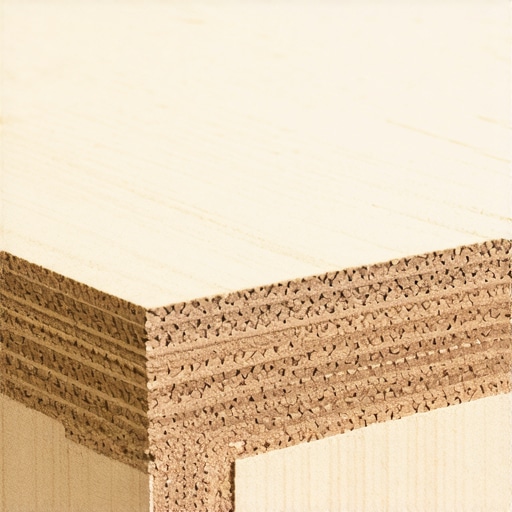
Consider techniques like quarter-sawn veneer or spline joints that accommodate slight movements without cracking. When I rebuilt a bent drawer, switching to these methods kept everything aligned despite seasonal shifts. Think of it as designing for flexibility, ensuring your joints can breathe without breaking.
Maintain Your Cabinets Regularly
Check for Moisture Build-up and Reapply Sealer
Regular inspection allows early detection of moisture intrusion. I once noticed tiny gaps forming—reapplying sealant promptly prevented bigger issues. Think of this as routine health checks for your cabinetry, preventing major problems.
Keep Humidity Levels Stable Year-Round
Using a hygrometer, I maintained humidity between 40-60%, adjusting my dehumidifier or humidifier as needed. Consistency here is key—think of it as maintaining a steady climate in a terrarium for delicate plants. Stability prevents the wood from swelling or shrinking excessively, preserving your dovetail joints’ integrity.
Integrating these actionable steps into your project transforms craftsmanship into durability. From careful material choices to creating a controlled environment, every measure adds resilience. If you’re ready to implement advanced storage solutions that enhance your kitchen’s longevity, explore our built-in storage ideas or contact us for tailored advice here.
,When it comes to kitchen remodels, many homeowners hold onto conventional wisdom that can actually hinder their project’s success. A prevalent myth is that installing a ton of cabinets and built-ins will automatically maximize storage and efficiency. However, without understanding the nuances of space utilization and user behavior, these features might end up cluttered or underused. For example, overbuilding upper cabinets without considering accessibility can make daily tasks cumbersome. Instead, focusing on smart storage solutions—like those discussed in our innovative storage ideas—ensures functionality aligns with your lifestyle.
Another common mistake is believing that high-end materials and complex cabinetry designs will always deliver lasting value. In reality, selecting the wrong finish or hardware for your climate and usage patterns can lead to premature wear and tear. I’ve seen many remodels falter because of overlooked environmental factors or misjudged durability. According to expert cabinetry consults, understanding the specific benefits of materials—such as moisture-resistant plywood for humid areas—can be transformative. Explore our custom cabinet ideas that combine style with resilience.
What about the belief that custom cabinets are a luxury only large homes can afford? This misconception often deters homeowners from investing in tailored solutions that actually optimize space and usability. Modern manufacturing techniques have made custom options more affordable than ever, especially when considering long-term savings on repairs and replacements. For instance, incorporating built-in storage that seamlessly integrates with your kitchen design not only elevates aesthetics but also enhances organization and accessibility.
Now, for the seasoned renovator, one advanced pitfall is overlooking the importance of environmental control during installation. Moisture management and climate stabilization are crucial for maintaining cabinet integrity and preventing warping or joint failure. As highlighted by industry experts, inadequate humidity regulation can undo your meticulous work, regardless of material quality. To steer clear of this, consider installing a dedicated humidity control system—details of which are elaborated in our article on storage tips.
Additionally, many overlook the importance of thoughtful layout planning that accounts for workflow and user movement. A common trap is designing for aesthetics over function, leading to awkward corridors or inaccessible storage. Advanced design approaches recommend using simulation software or professional guidance to optimize space efficiency, especially in tight quarters. We delve into these strategies in our comprehensive modern kitchens with custom cabinetry guides.
In summary, a successful kitchen remodel hinges on recognizing that assumptions often fall short. Embracing nuanced, data-backed insights and avoiding oversimplified beliefs can make all the difference. Are you risking costly mistakes by following outdated advice? Think critically about your plans and consider consulting with specialists. Have you ever fallen into this trap? Let me know in the comments.
Maintaining your custom cabinetry and built-ins is essential to ensure their longevity and sustained aesthetic appeal. The right tools and consistent maintenance routines can make this task manageable and even enjoyable. One of my go-to tools is a high-quality cordless drill equipped with multiple screwdriver bits. I rely on this for routine tightening of hardware, replacing worn-out hinges, or installing new accessories. A dependable set of precision screwdrivers is equally critical, especially when working with soft-close hinges or magnetic catches, which require delicate adjustments. Personally, I prefer magnetic-tip screwdrivers to prevent dropping tiny fasteners during small tweaks, saving time and frustration.
Beyond hand tools, I recommend investing in a digital hygrometer to monitor humidity levels inside your kitchen. This device provides real-time readings, alerting you to fluctuations that could jeopardize your woodwork, especially in humid climates. Regularly checking this helps maintain ideal conditions (around 40-60%), prolonging joint and finish integrity. Additionally, applying maintenance products like feed-and-wax conditioners designed for finished wood surfaces can restore luster and form a moisture barrier—key for long-term appearance and performance.
On the software side, I utilize CAD design programs such as SketchUp or Fusion 360 when planning modifications or extensions to existing cabinetry. These tools allow me to visualize tweaks, optimize storage, and prevent costly errors before actual work begins. As technology advances, integrating 3D modeling into your remodel planning is predicted to become standard, reducing waste and improving fit accuracy across projects. Emerging smart-home sensor integration will further enhance environmental control, maintaining perfect conditions for your built-ins over time.
If you’re serious about keeping your cabinetry in top shape, try setting up a regular maintenance schedule that includes hardware tightening, finish inspections, and humidity checks. For example, quarterly inspections can catch early signs of joint loosening or finish wear, allowing for timely repairs. Don’t forget to reapply sealants or protective finishes as needed—scouting for signs of moisture seeping into joints or edges. This proactive approach ensures your investment remains functional and beautiful for years to come.
For a comprehensive solution, consider combining these maintenance routines with climate control devices like dehumidifiers, especially in variable or high-humidity environments. This helps stabilize moisture levels, which is critical to preventing wood expansion or contraction that could compromise dovetail joints or veneer bonds. As noted in the Forest Products Laboratory technical document, controlling moisture content is vital to wood stability. Implementing these tools and habits now will prepare your cabinetry for the demanding conditions of future seasons.
Want to make maintenance easier? Start by integrating a digital hygrometer into your kitchen setup and schedule quarterly hardware checks—these small steps can create big long-term benefits for your investment. For expert guidance tailored to your space, reach out to our consultants and discover personalized strategies to keep your custom cabinets functioning beautifully.
Lessons That Changed My Approach to Kitchen Remodeling
- Never underestimate the power of environment control; I once thought sealing wood was enough, but climate stability truly makes or breaks cabinet longevity.
- Choosing the right wood isn’t just about aesthetics—my experience with oak over softwoods proved it’s about resilience against moisture swings.
- Advanced joinery techniques, like spline joints, have saved months of headaches by accommodating wood movement without cracking.
- I learned the hard way that ongoing maintenance—like reapplying sealants and monitoring humidity—protects your investments far better than quick fixes.
Tools and Resources That Make a Difference
- Digital Hygrometers: Monitoring humidity helped me preemptively address issues, ensuring my wood didn’t swell or shrink unpredictably.
- High-Quality Sealants: Products like polyurethane created a barrier that withstood seasonal shifts, giving me peace of mind.
- CAD Software: Planning with tools like SketchUp allowed me to visualize changes and avoid costly mistakes in my cabinets and storage solutions.
- Expert Consultation Guides: Following professional advice from sources like our expert tips made a tangible difference.
Don’t Let My Mistakes Hold You Back
Turning your kitchen from a design dream into a durable reality is entirely achievable when you pay attention to moisture management and environmental stability. With the right tools, knowledge, and proactive habits, your cabinets and built-ins will stand the test of time and seasons. Remember, the effort invested now will reward you with a kitchen that not only looks stunning but also functions flawlessly year after year.
Are you ready to apply these moisture-savvy strategies to your own kitchen project? Share your thoughts or experiences below—I’d love to hear your story!