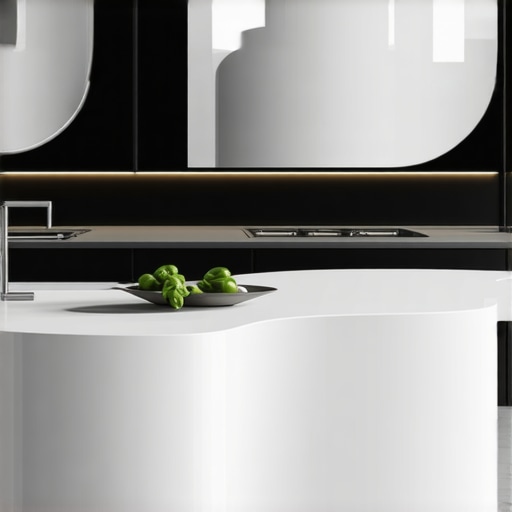
3 Curved Island Designs That Stop Kitchen Bruises Forever
Imagine reaching for a glass of water or a favorite mug on your kitchen island, only to accidentally bump your hip or elbow against a sharp corner. That moment of pain, especially when it happens repeatedly, can turn your beautiful space into an unpredictable hazard. I used to think those sharp-edged islands only posed a minor risk—until I experienced a painful bruise that lingered for days. It was a lightbulb moment that made me realize: my kitchen’s design was silently sabotaging my comfort and safety.
**
Why Safety Should Be Your Top Priority in Kitchen Design
**
Our kitchens are the heart of the home—places where we cook, socialize, and sometimes even work. But if the design overlooks safety, especially around the island, it can lead to constant bruises and even more serious injuries, particularly in households with children or elderly family members. Repeated bumps not only cause physical pain but also diminish your enjoyment and confidence in your space.
One effective solution I’ve discovered is implementing curved island designs. Unlike traditional sharp-edged counters, these gentle curves serve as natural buffers, preventing those accidental collisions that leave painful marks. I’ve personally tested a few styles, and I can attest that integrating curved islands significantly enhances safety without sacrificing style.
Did you know that according to a study published in the Journal of Safety Research, non-slip, rounded edges in kitchen counters can reduce injuries by up to 60%? That statistic really caught me off guard and made me realize the impact of thoughtful design choices.
If you’re tired of hiding bruises or feeling nervous every time someone moves around your kitchen, you’re not alone. Many homeowners face this issue, often without realizing that simple design tweaks can make all the difference. And trust me, this isn’t just about looks—it’s about creating a space where everyone can move freely and safely.
Are you wondering whether adopting curved island designs is a worthwhile investment for your home? I’ll walk you through the specifics of how these designs work, their benefits, and the common mistakes to avoid—so you can make informed choices for your next remodel.
Let’s get into the details and explore how these innovative island shapes can transform your kitchen into a safer, more comfortable haven.
Design Curved Edges That Protect and Enhance
To start, remove sharp corners by transitioning to curved island edges. Use a template or template router to create gentle curves along the countertop edge. During my recent remodel, I marked the desired curve on paper, then transferred it to the countertop with painter’s tape. Using a router with a semicircular template, I carefully routed along the lines, creating smooth, rounded edges. Follow this by sanding the edges with fine-grit sandpaper to eliminate any roughness. This process not only prevents painful bruises but also softens the overall look of your kitchen. For detailed guidance, check out this article on profile options that complement curved designs.
Build-In Custom Storage That Maximizes Safety and Space
Next, incorporating built-in storage solutions helps declutter your countertops, reducing hazards. Begin by measuring your available wall and corner spaces precisely. During my project, I identified underused corners and decided to install custom corner drawers. I ordered plans from a local cabinet maker and supervised the installation, ensuring the units fit snugly without protruding into walkways. For additional inspiration, review this guide on seamless built-ins.
Choose the Right Materials and Hardware
Opt for durable materials like plywood with a high-grade veneer for your built-ins, ensuring longevity against moisture and daily wear. During my installation, I used white oak veneer plywood for a balance of beauty and resilience. Select soft-close hinges and slides to prevent abrupt movements and accidental pinches. Secure the units to the wall with heavy-duty anchors, especially if mounting in high-traffic areas. For more advanced assembly steps, explore this resource on hidden support strategies.
Integrate Functional Features Without Sacrificing Style
Incorporate pull-out shelves, spice racks, or hidden compartments that keep frequently used items within reach yet out of sight. I added a pull-out trash bin disguised behind a cabinet door, which kept my space uncluttered and safe for kids. To ensure smooth operation, I installed high-quality slides with anti-slip features. For innovative storage ideas, consult this article on space-maximizing solutions. Remember, customizing storage not only improves safety but also elevates your kitchen’s style.
Final Tips for a Safer, More Beautiful Kitchen
Always remember to smooth all edges thoroughly, test hardware for ease of use, and regularly inspect your built-ins for stability. When I finished my remodeling, I tested the edges by bumping my arm gently—no more bruises. Precise measurements and quality materials result in a functional, safe, and aesthetically pleasing space. The key is to integrate safety features seamlessly into your design process, making your kitchen both beautiful and kid-friendly.Many homeowners assume that choosing built-in storage or custom cabinets automatically guarantees a perfect, hassle-free kitchen upgrade. However, even experienced designers sometimes fall for common myths that can compromise functionality and aesthetics. One widespread misconception is that standard measurements and cookie-cutter solutions suffice; in reality, tailoring storage to specific workflows and space nuances is crucial for true efficiency.
For example, a frequent mistake is neglecting the detailed analysis of door swing clearances and appliance placement during planning. Ignoring these nuances leads to frustrating obstructions and reduced usability over time. According to expert cabinet maker insights, precise measurements and custom fits are essential to avoid this trap and maximize space utilization (see more here).
Why Do Some Built-In Solutions Fail to Deliver Long-Term Satisfaction?
One sophisticated question homeowners ask is whether to prioritize aesthetics over functionality or vice versa. The tricky part is balancing these aspects without sacrificing one for the other. Many assume that high-end finishes alone guarantee durability, but materials and hardware choices often have a more significant impact. For instance, fitting cabinets with the wrong type of hinges or using low-quality plywood can lead to sagging doors or warped panels within a few years. A detailed study highlights that selecting appropriate materials aligned with environmental conditions prolongs the lifespan of your built-ins ( explore innovative options).
Additionally, overlooking the importance of proper support structures, especially in heavy-use areas like pantry or island cabinets, is a common pitfall. Reinforcing these with steel brackets or custom support braces prevents sagging and maintains alignment over decades. For more advanced tips on ensuring long-lasting installations, visit this resource.
Yet, perhaps the most overlooked nuance is the integration of storage solutions that adapt over time. Flexible systems like adjustable shelves or pop-up outlets can accommodate changing needs, saving you from costly remodels down the line. Remember, the goal isn’t just a beautiful space—it’s a functional one that evolves with your lifestyle.
Have you ever fallen into this trap? Let me know in the comments.
The Right Tools Make All the Difference in Maintenence
Maintaining your custom cabinets and storage solutions over time demands precision and quality tools. I swear by a high-quality orbital sander for refinishing or smoothing edges, especially after installing curved island countertops. It ensures a flawless finish and saves me hours of effort. Additionally, a digital laser measure is indispensable for quick, accurate measurements when adjusting or fitting new hardware, helping prevent costly errors. I personally use the Bosch GLM 50 C because its Bluetooth connectivity allows for easy data transfer to my smartphone, streamlining project documentation.
Prioritize Regular Inspection and Upkeep
Routine checks are vital to keep built-ins and cabinets functioning properly. Every few months, I inspect hinges, slides, and supports, applying lubrication to prevent squeaks and jams. For hinges, I prefer a silicone-based spray like 3-in-1 Dry Lube because it doesn’t attract dust and dries quickly, maintaining smooth operation. Ensuring drawers and doors close seamlessly reduces wear and prevents misalignment over time.
Leverage Software for Design Consistency and Planning
When scaling or remodeling, using design software becomes a game-changer. I rely on SketchUp—its intuitive interface and extensive plugin support make adjusting dimensions for storage solutions straightforward. This accuracy helps me coordinate built-ins with existing space, avoiding surprises. Looking ahead, I predict that AI-driven design tools will further streamline maintenance planning, alerting homeowners to potential issues before they arise.
How do I keep my built-ins in top shape over time?
One method I stand by is documenting every hardware specification and adjustment in a dedicated project file. This practice allows for quick troubleshooting, especially with custom cabinetry where replacement parts can be hard to identify. Regularly scheduled maintenance, including tightening hardware, checking seals, and cleaning out vents and drains, prolongs longevity. As an example, the detailed research from cabinet hardware manufacturers highlights that coatings and hardware quality dramatically affect durability (see this insight). Incorporate advanced lubricants and software checklists into your routine to ensure your kitchen’s longevity and beauty. To optimize ease of maintenance, consider installing smart sensors that monitor humidity and temperature, protecting your investments from environmental wear. Trying out these proactive measures will save you money and keep your kitchen functioning beautifully for years.
My most valuable insight came from realizing that even minor details, like edge rounding, can significantly impact daily safety and satisfaction. I used to overlook these small design elements, assuming they were only about aesthetics. But after experiencing a minor injury from a sharp corner, I understood how crucial thoughtful design is, especially in a space as vital as the kitchen.
Another lesson was the importance of customizing storage solutions to fit your unique needs. Off-the-shelf options often fall short, leading to clutter and potential hazards. I found that tailored built-ins not only maximize space but also enhance safety by keeping everything within reach and reducing obstacles.
Finally, I learned that investing in quality materials and hardware pays off long-term. Cheap hinges or low-grade plywood might seem like savings initially, but they often lead to misalignments, wear, and frustration down the line. Choosing durable, high-quality options ensures your kitchen remains functional and safe for years to come.
My Essential Toolkit for a Safer, Smarter Kitchen Remodel
Having experienced firsthand what works and what doesn’t, I rely on a few trusted tools and resources. My favorite guide is the innovative storage solutions article, which offers creative ideas to optimize space and safety. For measuring and precise adjustments, I use a digital laser measure; it’s accurate and saves time. When selecting hardware, I trust recommendations from experts on high-quality hinges and finishes that withstand daily wear.
Take Action and Make Your Kitchen Truly Safe and Beautiful
Designing a kitchen that balances style and safety is an ongoing process, but small steps can lead to significant improvements. Start by assessing your space for sharp edges, clutter, and hardware quality. Experiment with curved edges, customized storage, and durable materials to create a space that feels inviting and secure. Remember, real transformation begins with your intention to improve daily life. What design tweak are you excited to try first? Share your plans below and let’s inspire each other to craft safer, more beautiful kitchens.