The Real Difference Between Full-Overlay and Inset Cabinet Doors
Ever started a kitchen remodel or tackled a DIY project only to find yourself tangled up in the seemingly endless choices between cabinet door styles? I remember the moment I realized I had no idea what ‘full-overlay’ or ‘ inset’ really meant. I was staring at a sea of glossy brochures, feeling both overwhelmed and a little foolish. The truth is, I had made a common mistake early on—assuming that all cabinet doors are created equal, which couldn’t be further from the truth. That oversight led to a frustrating discovery: not all doors are designed to serve the same function or aesthetic preference.
The Common Confusion That Keeps Homeowners Up at Night
Picking the right cabinet door style is more than just a matter of style—it’s about functionality, durability, and creating a cohesive look. The decision between full-overlay and inset doors hinges on your lifestyle, design goals, and budget. Knowing the difference can help you avoid costly re-dos and design regrets. Today, I promise to make this clear, helping you choose with confidence and avoid the pitfalls I fell into during my first kitchen upgrade. Whether you’re dreaming of sleek modern cabinets or timeless traditional ones, understanding these differences will empower you to make smarter choices.
Questioning the Hype: Is One Style Truly Superior?
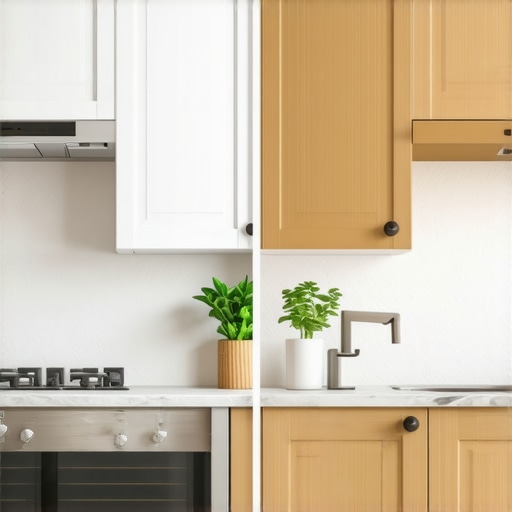
Early on, I believed that full-overlay doors were the only way to go—you know, those sleek, almost seamless fronts that hide the cabinet frame behind. I thought inset doors, where the panel sits flush within the frame, looked dated or overly rustic. Turns out, that’s a misconception. I once ordered inset cabinets without truly considering how they’d impact accessibility or maintenance, leading to a few annoyances that could have been avoided. Recognizing my mistake, I started digging deeper and found that both styles offer unique benefits, and the right choice depends on your specific needs. If you’re skeptical about the fuss, know that every decision I’ve helped clients make stems from understanding these nuances—so you’re not alone. For more insights into transforming your space, check out this comprehensive guide to custom cabinets.
Now, let’s get into the nitty-gritty—how to identify which style will serve you best, and how your choice can influence your overall design and functionality. Ready to stop second-guessing and start making confident decisions? Let’s explore the details that matter most for your home transformation.
and set the stage for practical tips coming up.
Compare Styles Side by Side
Start by laying out samples of full-overlay and inset cabinet doors on a large table or wall in your workspace. Arrange them to see how each style looks from various angles, assessing the visual impact and how they complement your existing decor. During my first attempt, I pressed two sample doors against my wall, which caused a minor mess but gave me clarity on aesthetics versus clutter. This hands-on comparison helps you visualize the final outcome and prevents regret.
Assess Functionality and Maintenance
Think about how each style will work daily. Full-overlay doors typically offer a seamless look but can be trickier to clean around edges. Inset doors sit flush within frames, making them easier to wipe down but requiring precise hinges and adjustments. I learned this the hard way when I installed inset doors without considering my thick, uneven drywall, leading to sticking issues. To avoid this, measure your space carefully and consider future maintenance needs against your comfort with adjustments.
Measure Your Space Precisely
Use a high-quality tape measure and a level to take detailed measurements of your cabinet openings, wall thickness, and potential obstructions. When I re-measured my kitchen after a demo mishap, I discovered discrepancies that could have caused door misalignment. Accurate measurements ensure your chosen style will fit perfectly and operate smoothly. Document these details meticulously, and double-check before purchasing or ordering custom components.
Choose the Right Materials and Hardware
Material quality impacts both look and durability. Solid wood doors are stunning but require proper sealing and hinges. Laminates are budget-friendly and easy to clean. I once used a mid-range MDF door that warped when exposed to humidity, emphasizing the importance of material choice. Select hardware that complements your style—full-overlay doors often pair with soft-close hinges for a sleek finish, while inset doors may need adjustable hinges to ensure proper alignment. Consulting a professional can help you select hardware that endures daily use.
Visualize with Design Software or Mock-Ups
Leverage digital design tools or create full-scale mock-ups using cardboard or plywood. I built a simplified 3D model to see how a new inset door would sit flush against the wall, revealing issues with clearance and hinges I hadn’t considered. This proactive step prevents costly mistakes and clarifies your aesthetic preferences. Many cabinetry specialists offer virtual mock-ups—reach out via Contact Us to explore options.
Balance Cost and Style
Set a budget that aligns with your goals. Full-overlay doors tend to be more expensive due to intricate hinges and finishings, while inset styles may cost more upfront for precise fitting. I once chose inset doors for their clean look but went over budget because of custom hardware needs. To keep costs manageable, prioritize which features matter most—durability, ease of cleaning, or visual impact—and allocate funds accordingly. Review Built-ins and custom cabinetry guides for more insights on cost-effective upgrades.When it comes to custom cabinets and built-ins, many homeowners assume that the design process is solely about choosing styles and finishes. However, a common misconception is that more features automatically equate to better functionality. In reality, overloading a space with numerous storage solutions without considering the actual everyday use can lead to clutter and frustration. Experts emphasize the importance of strategic planning—prioritizing accessibility and workflow rather than just aesthetics. For instance, including a dedicated spice drawer adjacent to the cooktop, as discussed in this guide, can elevate your kitchen’s efficiency.
Another misunderstanding is that built-ins are only suited for large rooms. On the contrary, well-designed built-ins can maximize small spaces, making them feel more open and organized. This is detailed in this article, which illustrates how to tailor storage for compact areas.
A less obvious nuance is the significance of material selection. Many homeowners focus on style but overlook how materials like birch plywood or moisture-resistant composites perform over time, especially in humid environments. According to industry research, choosing appropriate materials extends the lifespan and maintains the integrity of your cabinetry. Doing so aligns with the advice seen in this expert piece.
It’s also critical to consider the hidden costs of custom solutions. Rushing into designs without thorough measurements and planning often results in costly adjustments or replacements. This is a trap I learned firsthand, and experts warn against it. Proper measuring, as shown in this detailed guide, can save a lot of headaches.
Thinking beyond the basics, sophisticated homeowners ask: How can I optimize existing spaces without over-investing? Solutions like incorporating hidden compartments or innovative storage tricks can maximize utility—topics explored comprehensively in this resource.
In summary, the core mistake is neglecting the nuanced needs of your space—assuming one-size-fits-all solutions or ignoring long-term functionality. So, when planning your next remodel, assess your habits critically, select materials thoughtfully, and prioritize convenience over mere appearance. Have you ever fallen into this trap? Let me know in the comments, and remember: effective storage is about smart design, not just more stuff.
How Do I Maintain Custom Cabinets Over Time?
Maintaining your custom cabinetry ensures their beauty and functionality for years to come. I personally rely on a few specialized tools and techniques to keep my built-ins looking pristine and working smoothly. One of the most effective tools I’ve found is a microfiber duster combined with a gentle wood cleaner, like those recommended by industry experts—this approach minimizes dust buildup and prevents the accumulation of grime that can damage finishes over time. Additionally, applying a high-quality furniture wax twice a year helps preserve natural wood cabinets, especially in humid environments where warping or swelling could occur. Regularly inspecting hinges and drawer slides is crucial; I use a small screwdriver set to tighten any loose screws and lubricate moving parts with a silicone-based spray, which resists dust and buildup better than traditional oils. This proactive maintenance reduces wear and extends the lifespan of your cabinetry, making your investment worthwhile.
What Tools Make Maintenance Easier and More Effective?
For me, a digital moisture meter has become indispensable—especially in kitchens and bathrooms—allowing me to monitor humidity levels and prevent cabinet material deterioration. I also swear by a set of soft-bristle brushes for cleaning intricate moldings and corners that collect dust and crumbs. When polishing or touching up finishes, I use a high-quality foam applicator pad to ensure even coverage without streaks. For deep cleaning sessions, I prefer a steam cleaner with a soft brush attachment—it’s gentle enough not to damage surfaces but powerful enough to eliminate stubborn grease and grime. These tools have helped me maintain a professional appearance without the expense of hiring specialists every few months. Embracing these methods will save you time, money, and frustration.
Peering Into the Future: The Next Evolution in Cabinet Maintenance
As technology advances, I’m excited about the potential for smart cleaning tools equipped with AI sensors that can detect damage or corrosion before it becomes visible—think of it as a thermometers for your cabinetry. Moreover, automated lubricating systems could soon be common, applying precise amounts of protectant or oil at scheduled intervals, making routine upkeep almost effortless. This trend aligns with the broader movement toward smart homes, where appliances and systems communicate and optimize themselves to extend longevity and performance. Staying ahead in this field means experimenting with emerging solutions and integrating them into your maintenance routines for truly long-lasting results.
Stay on Top of Your Cabinets with Routine Checks
Make a habit of inspecting hinges, sealants, and finishes at least twice a year. Catching issues early—like loose hardware or minor scratches—can prevent more costly repairs later. For detailed guidance on this process, consult this expert advice. Using the right tools and proactive habits will keep your cabinets functioning beautifully for decades, so don’t wait until it’s too late. Try incorporating a silicone-based lubricant into your routine today and experience how much smoother your cabinetry can stay.
Hidden Lessons That Changed My Approach to Custom Cabinets
One of the most profound lessons I learned was the importance of truly visualizing your space before committing. During my first renovation, I underestimated how subtle details, like hinge types or cabinet depths, could dramatically influence everyday usability. That lightbulb moment made me realize that attention to small nuances makes a significant difference—something I wish I had prioritized from the start.
Another key insight was recognizing the value of quality over quantity. I used to believe that adding numerous bells and whistles would automatically elevate my design, but I discovered that strategic simplicity in storage solutions and finishes often yields a more elegant, functional outcome. This shift in perspective helped me focus on purpose-driven design, which I now recommend wholeheartedly.
I also learned to embrace expert guidance rather than relying solely on DIY instincts. Consulting professionals and engaging with trusted resources like this article transformed my project, saving me time and costly mistakes. Recognizing when to seek help is a lesson that accelerates success in any home upgrade.
Tools and Resources That Elevated My Skills
My toolkit became more refined when I integrated laser levels and digital measurement devices, which ensured precision in every cut and placement. These might seem like small additions, but they dramatically improved the quality of my cabinetry installation. Additionally, software like SketchUp opened my eyes to potential design pitfalls before the build phase, streamlining my decision-making process. Lastly, I trust the insight shared in this guide for staying current with innovative storage solutions that maximize space and aesthetic appeal.
Fueling My Passion for Custom Remodeling
Creating a beautiful, functional kitchen isn’t just about aesthetics—it’s about expressing your personality and making daily routines more enjoyable. I encourage everyone to see their remodel as an opportunity for self-discovery, exploring what truly works for their lifestyle. Remember, every choice—be it a cabinet finish or a pull-out spice rack—can elevate your space’s harmony and efficiency. Your dream kitchen is within reach; the only thing left is to take that first confident step and embrace the learning process. What’s holding you back from transforming your space today?