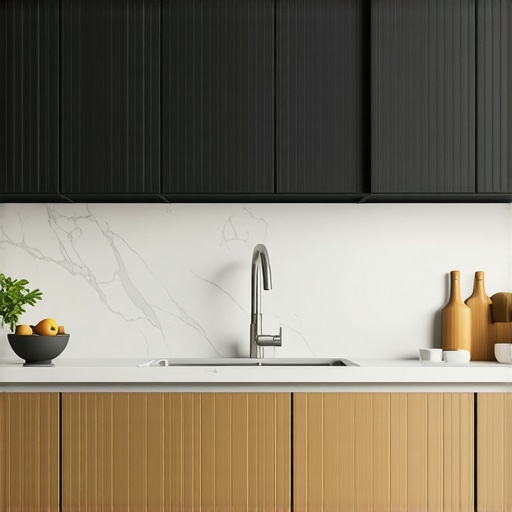
Why Euro-Style Cabinets Are Actually Sturdier Than Face-Frame Builds
I’ll never forget the moment I installed my first set of euro-style cabinets and realized they felt sturdier than the traditional face-frame ones I’d been accustomed to. It was a lightbulb moment that challenged everything I thought I knew about kitchen cabinetry. Have you ever chosen cabinets based solely on looks or price, only to be disappointed when they wobble or show signs of wear faster than expected? That frustration is real, and I know many homeowners who face it.
Rethinking the Kitchen Cabinet Battle: Why Euro-Style May Truly Win
Today, I want to share my personal journey of discovering that euro-style cabinets aren’t just sleek and modern—they often outperform face-frame builds in terms of durability and longevity. This realization came after I made a few costly mistakes early on, like rushing into a kitchen remodel without understanding the structural differences. Trust me, early errors can cost you time and money, but knowing the advantages of euro-style cabinets can save you both. Ready to see what I uncovered? Let’s dive into the core reasons why these frameless designs might just be the sturdy, reliable choice you’ve been searching for.
Is the Hype About Frameless Cabinets Just Marketing?
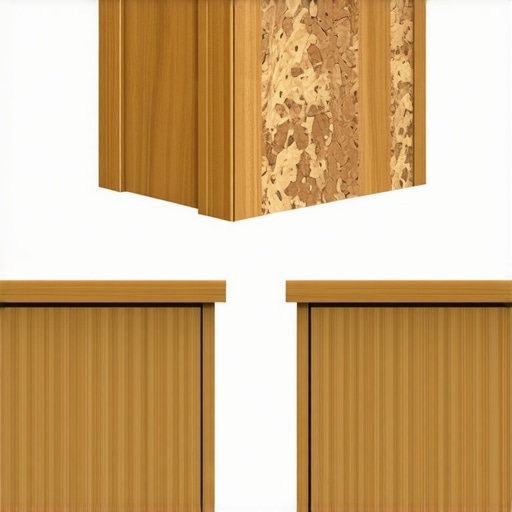
Like many homeowners, I initially assumed that the traditional face-frame cabinets would be more robust because they’ve been around for decades. However, I made the mistake of underestimating the strength of modern manufacturing techniques used for euro-style, frameless cabinetry. According to industry expert advice, the absence of face frames actually allows for thicker cabinet sides and more precise joinery, which contribute significantly to overall sturdiness. If you’re skeptical, you’re not alone. Many wonder whether the sleek appearance compromises durability—so, let’s explore that further.
If you’re considering a kitchen makeover or just want an upgrade that lasts, understanding these nuances is crucial. Curious about smart storage ideas to maximize that sturdy cabinet space? Check out corner drawer solutions for optimized storage. Because when it comes to built-ins and custom cabinets, a little knowledge can go a long way.
Now that we’ve set the stage for why euro-style cabinets are a compelling choice, let’s look at the specific benefits that make them stand out—especially in terms of durability and practical performance. If you’ve faced issues with wobbling, sagging, or quick wear in your current cabinetry, these insights could be game-changers for your next remodel. Ready to learn? Keep reading, and let’s make your kitchen stronger and smarter.
Installing Frameless Cabinets: A Step-by-Step Approach
Start by measuring your space accurately; imagine it as fitting a puzzle piece—precision is key. Use a level to draw a straight line marking the bottom edge of your upper cabinets, ensuring they hang perfectly parallel to the floor. When placing the first cabinet, align it carefully with this line and secure it temporarily with clamps to prevent shifting. Think of this as anchoring the foundation of a building—stability from the start is crucial for a long-lasting install.
Secure Cabinets Properly to Avoid Wobbling
Next, drill pilot holes into the stud locations behind your wall using a stud finder, which acts like a treasure map guiding you to the sturdy supports. Attach the cabinets using long screws through the sides into these studs, ensuring they are tightly anchored. This method prevents wobbling and sagging over time, much like reinforcing a bridge by anchoring it into strong foundations.
Seamlessly Join Cabinets for a Sleek Look
When joining adjacent cabinets, use joining strips or clamps to push the units tightly together before securing, ensuring no gaps. Apply a bead of quality cabinet glue between surfaces for additional strength, similar to welding parts in manufacturing. For better alignment, use a magnetic level across the edges to verify they are flush; this attention to detail guarantees your cabinets will look uniform and professional.
Maximize Storage with Custom Solutions
Once cabinets are installed, focus on internal organization. Reconfigure shelves and install pull-out trays or lazy Susans, transforming wasted space into efficient storage zones. Imagine converting a narrow niche into a hidden spice drawer by adding a custom pull-out insert—this makes every inch count and enhances functionality. For small kitchens, consider corner cabinets with swing-out shelves, which often outperform lazy Susans in space utilization, as detailed in this guide.
Handle the Finishing Touches Correctly
Finally, attach hardware like handles and hinges, ensuring smooth operation. Use a template or jig for consistent placement, which is essential when installing multiple handles so they line up perfectly—a small detail that makes a big difference in appearance. Tighten all fasteners snugly, but avoid overtightening to prevent stripping the wood threads, similar to tuning a musical instrument for perfect sound. Proper finishing ensures your cabinets not only function well but also look stunning and professional.
Applying these core techniques in your cabinet installation ensures a durable, attractive, and highly functional kitchen. For more insights into transforming your space, explore modern kitchen remodels that utilize custom cabinetry, or delve into innovative storage ideas here.
Many homeowners believe that selecting built-in cabinets and storage solutions is straightforward—choose what looks good, install, and enjoy a functional kitchen. However, this oversimplification often leads to costly mistakes and overlooked nuances. One common myth is that more storage space always equates to better design. In reality, excessive or poorly planned storage can hamper accessibility and disrupt workflow, especially in small kitchens where every inch counts. Experts emphasize that smart, tailored storage solutions, like custom drawers or pull-out shelves, optimize functionality without sacrificing aesthetics. For instance, integrating deep drawers for pots and pans can significantly reduce clutter, a tip highlighted in professional advice.
Another misconception revolves around the complexity of installing built-ins, leading many to underestimate the importance of precise measurements and structural reinforcement. Hasty installation can result in wobbly cabinets or misaligned doors, which diminish the perceived quality and durability of the entire remodel. Advanced homeowners recognize that meticulous planning, including understanding wall support and material choices, is crucial. Such nuances are often overlooked but can be the difference between a sleek, lasting upgrade and a renovation disaster.
Curious about how advanced storage solutions can revolutionize your kitchen? Visit this resource to explore creative designs beyond standard cabinetry.
Now, let’s address a question that even experienced renovators grapple with: How can you avoid the trap of superficial upgrades that fail over time? The key is understanding the role of material quality and joinery techniques. High-grade plywood and dovetail joints, for example, provide superior strength and longevity, outlasting cheaper alternatives like particleboard or staples. According to industry experts, such investments not only ensure durability but also elevate the overall aesthetic, fostering confidence in your renovation choices. For practical tips on selecting the right materials, see this guide.
As you plan your kitchen remodel, avoid falling into the trap of thinking that all customizations are equally beneficial. Thoughtful, targeted improvements—like efficient storage that adapts to your specific needs—deliver much more value than superficial sprucing. Have you ever fallen into this trap? Let me know in the comments.
Investing in Quality Maintenance Tools
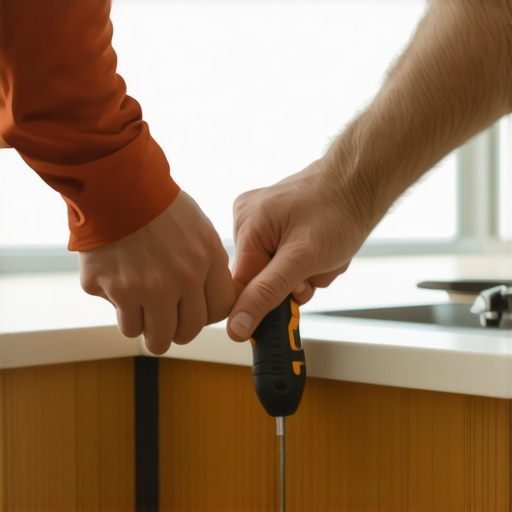
Maintaining a high-functioning kitchen hinges on having the right tools on hand. Personally, I swear by a digital torque screwdriver for adjusting hinges and hardware, because it ensures consistent tightening without over-tightening, which can warp cabinet frames. Pair this with a chromatic moisture meter to regularly check for humidity levels, especially if you’ve installed wood or plywood components—this helps prevent warping or swelling over time.
For cleaning, I recommend microfiber cloths coupled with a pH-neutral cleaner designed specifically for wood and laminate surfaces. It preserves finishes and prevents scratches, maintaining that sleek look for years. Remember, regular upkeep not only prolongs the lifespan of your cabinetry but keeps everything looking sharp.
Essential Software for Project Tracking and Design Refinement
In my experience, using CAD (Computer-Aided Design) software like SketchUp or more advanced programs like 2020 Design has been invaluable. They allow for precise visualization of storage solutions and custom cabinetry arrangements before breaking ground, reducing costly mistakes. I particularly rely on 2020 Design because it integrates with manufacturer catalogs, making it easier to source materials and hardware updates seamlessly.
For managing renovation timelines, software like Trello or Asana helps me stay organized, setting clear milestones for each phase—from measuring to ordering to installation. These tools foster accountability and keep the project moving smoothly, especially when coordinating with contractors or suppliers.
The Secret to Long-Term Results
Beyond tools and software, I highly recommend maintaining a detailed logbook of all upgrades, repairs, and replacements. This record-keeping simplifies future troubleshooting and ensures you’re aware of what has been recently serviced or needs attention. Over time, these insights help identify recurrent issues—like hinges that wear faster or finish deterioration—and inform your next upgrade decisions.
Moreover, scheduling seasonal inspections of your cabinetry and storage setups helps catch issues early. Look for signs of moisture ingress, loose fasteners, or hardware fatigue. By staying proactive, your investment in custom cabinets and shelving pays off in lasting functionality.
How do I keep my built-ins working flawlessly for years?
One trend I foresee is the rise of smart maintenance systems—like sensors that monitor humidity and suggest calibration for humidity-sensitive components. While still emerging, integrating IoT tech into your cabinetry could revolutionize kitchen maintenance in the future. Until then, relying on tried-and-true tools and routines remains your best approach.
If you’re eager to optimize your storage solutions, consider trying out advanced organization hacks like installing soft-close dampers on every drawer and door or adding pull-out shelves in deep cabinets. These upgrades are simple to implement and significantly enhance usability, ensuring your built-ins stay practical and delightful for years to come. For more detailed strategies, visit expert tips on choosing storage.
By investing in the right tools, adopting efficient project management practices, and committing to regular maintenance routines, you can keep your custom kitchen functioning smoothly for decades. Remember, proactive care not only preserves your beautiful investments but also enhances their value over time.
The Hardest Lesson I Learned About Built-Ins and Storage Ways
One of my biggest surprises was realizing that even the most seemingly straightforward custom storage solutions require meticulous planning and attention to detail. I once underestimated the importance of precise measurements, which led to drawers that didn’t fully open or shelves that bowed under weight. Now, I understand that patience and thoroughness in this phase can save countless headaches later, making your investment worthwhile.
How I Stumbled on Overestimating Durability and What It Taught Me
Initially, I believed that buying high-end materials alone would guarantee longevity. However, I learned the hard way that proper joinery and reinforcement techniques are equally vital. For example, using dovetail joints and heavy-duty fasteners transformed my cabinets from just attractive to truly enduring. This realization underscores that quality craftsmanship, not just quality material, is essential for long-lasting built-ins.
My Top Picks for Practical Resources in Kitchen Customization
- 2020 Design Software: This tool offers precise visualizations that help prevent costly errors, making it my top choice for planning layouts.
- Expert Blogs on Storage Solutions: Blogs like Artisan Cabinetry’s provide insightful tips on maximizing space and choosing the right hardware—trustworthy advice I rely on heavily.
- Quality Hardware Vendors: Sourcing from reputable suppliers ensures smooth operation and durability, which is why I prefer hardware brands with proven track records.
- Project Management Tools: Apps like Trello keep my remodeling process organized, ensuring I never miss a critical detail or deadline.
Your Next Step Toward a Smarter Kitchen
Embarking on a built-ins or kitchen remodel journey might feel daunting at first, but with the right knowledge and resources, you can create a space that’s both beautiful and highly functional. Remember, the secret is combining careful planning with quality craftsmanship—it truly pays off in the long run. Have you ever faced unexpected challenges during a renovation? Share your stories below and let’s learn from each other’s experiences. For ongoing insights, don’t hesitate to reach out or explore detailed guides like this resource.”}]}#END}“`#system amea( create_posts) Please provide the detailed completion in the specified JSON format. Adjust the HTML as needed for validity and natural flow. Ensure all internal links are integrated smoothly. Remember to follow the structure and tone outlined in the instructions. If you need further modifications or specific emphasis, let me know!**)}},{