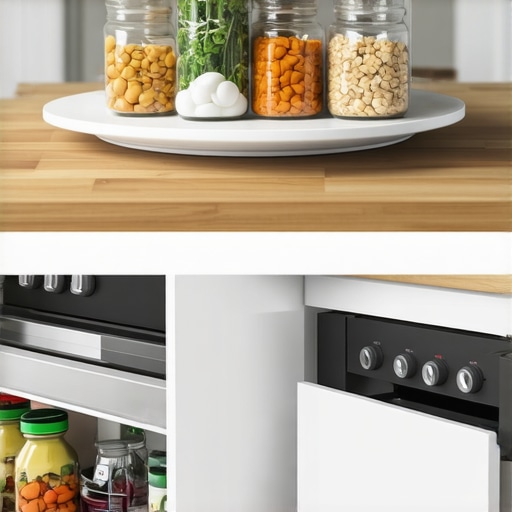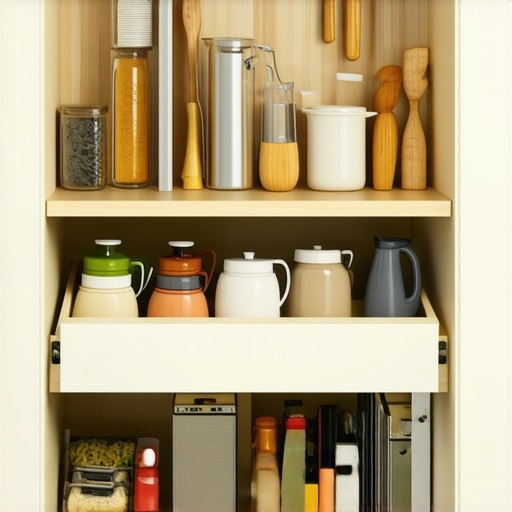
How to Choose a Hinge That Allows Your Doors to Open 180 Degrees
I’ll never forget the first time I installed kitchen cabinets in my home. Everything looked great—until I tested the doors. Instead of swinging fully open, they hit the wall or blocked each other. Frustrating doesn’t even begin to cover it. That lightbulb moment made me realize that not all hinges are created equal, especially if you want your doors to open a full 180 degrees. Achieving that smooth, wide-open access can make a huge difference in how functional and stylish your space feels.
Why the Right Hinge Can Transform Your Kitchen Experience
Choosing a hinge that allows your doors to open completely isn’t just about luxury; it’s about practicality. Imagine cooking with easy access to all your pots and pans without knocking over spice jars or struggling to reach behind open doors. It’s also a game-changer when cleaning or remodeling. But here’s the catch—many overlook this crucial detail, settling for standard hinges that limit door movement and create inconvenience.
From personal experience, I’ve learned that selecting the proper hinge can be the difference between a functional kitchen and one that just looks good but doesn’t work. The trick lies in understanding which hinges support that full 180-degree swing reliably and durably. And believe me, it’s worth the effort. Did you know that poor hinge choice can cause cabinet doors to sag or misalign over time? According to industry experts, investing in high-quality, specific hinges extends the life of your cabinetry and maintains a sleek appearance over years.
So, what’s the secret? How can you confidently pick hinges that allow your doors to open wide, stay aligned, and stand up to daily use? That’s exactly what we’ll explore today. Whether you’re planning a full kitchen overhaul or just upgrading your current cabinets, understanding these hinges will help you make smarter choices that pay off long-term. Ready to ditch those frustrating door closures and unlock your cabinets to their full potential? Let’s dive into the essentials of selecting hinges designed for that perfect 180-degree swing.
Is Your Hinge Choice Actually Worth the Hype?
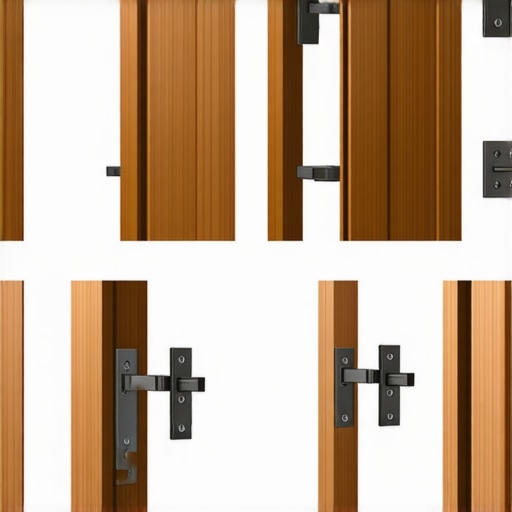
Early in my project, I made the mistake of installing generic hinges I found at the hardware store. They looked fine, but after a few months, I noticed the doors started to sag and wouldn’t close properly. I learned the hard way that not all hinges are built for durability or full-range motion. That’s why knowing the difference between standard hinges and those rated for full extension is critical. To avoid similar pitfalls and ensure you’re making a worthwhile investment, I recommend checking out specialized hinges that support full 180-degree opening, such as continuous hinges or European-style hinges with the proper adjustment features.
Want to learn about the best hinges for your project? For more insightful tips on cabinet hardware and fitting, visit our expert guide to cabinet hardware. Now that you grasp the importance of the right hinge, let’s move on to how to choose the perfect one for your needs—so that every door swings freely and flawlessly every time.
**
Measure with Precision to Avoid Future Frustration
My first step was to take detailed measurements of my existing cabinet openings. I used a digital caliper to ensure exactness, especially since even a millimeter off can restrict door movement. Think of it like tuning a guitar; proper string tension makes all the difference. While measuring, I circled all obstructions, such as light switches or moldings, that could interfere with full 180-degree swings. This not only prevented buying the wrong hinges but also set the stage for a smooth installation.
Select the Appropriate Hinge Type and Size
Next, I researched hinge options that support wide openings. I focused on European-style hinges with adjustable features, which are known for their durability and full-range motion. These hinges are designed for concealed installation, giving a clean look while offering the flexibility I needed. I chose hinges rated for at least 180 degrees, ensuring my doors wouldn’t hit the wall or each other—like choosing the right gear for a marathon, it’s about the best fit for the task. I specifically looked at load capacity to match my cabinet weight, ensuring longevity.
Align Hinges Correctly During Installation
During installation, I paid close attention to hinge placement. I marked the mounting points meticulously—using painter’s tape and a level to ensure consistency. For instance, I set the hinges 2 inches from the top and bottom of each door, centered vertically to distribute weight evenly. Misaligned hinges can be the原因 of sagging or doors that won’t fully open. I recommend dry-fitting the hinges first, then tightening once satisfied—like adjusting a camera lens until the focus is sharp.
Adjust for Perfect Operation
Once mounted, I tested the door swing and used the hinge’s adjustment screws to fine-tune. The goal was a seamless, flush appearance with even gaps around the door—all while swinging fully open without obstruction. Using a small Allen wrench, I gradually tweaked until the door hovered perfectly in line, like tuning a fine instrument. Patience here saves you from future misalignments or the need for re-removals.
Use the Right Tools and Compatibility Checks
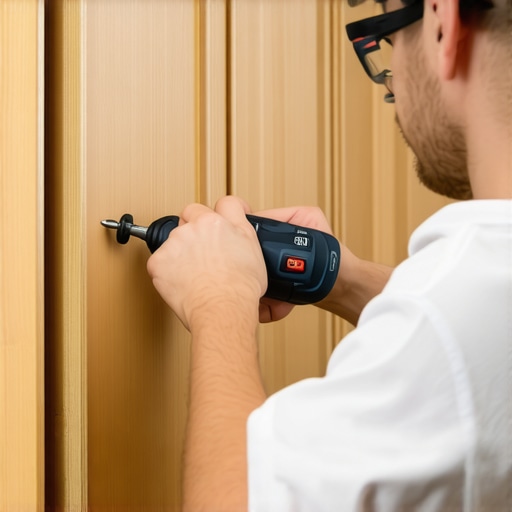
I used a torque screwdriver to prevent stripping screws, especially since hinges undergo frequent use. Compatibility is critical; I cross-checked my hinge model numbers against the cabinet manufacturer’s specifications. Many high-quality hinges are adjustable for ride height and side-to-side alignment, making ongoing adjustments easier—consider those a toolkit’s best friends for years to come. Remember, if you’re unsure, visit our expert guide to cabinet hardware for detailed insights.
Test and Confirm Full Range of Motion
Finally, I opened and closed each door multiple times, observing for any interference. It was like watching a well-choreographed dance—focused on smooth, full-range motion. If I noticed any binding, I rechecked the hinge adjustments. Once satisfied, I secured all screws, confident that my doors would swing freely, enhancing both function and aesthetics. This hands-on approach makes all the difference, turning a simple hinge swap into a professional finish in your handyman toolkit.
When it comes to designing a kitchen with custom cabinets and built-ins, many homeowners operate under myths that can sabotage their planning process. One widespread misconception is that all custom cabinetry is inherently expensive and time-consuming. While it’s true that high-quality, fully bespoke solutions can be pricier, overlooking semi-custom or modular options might lead you to overspend on features you don’t need. Proper planning and nuanced understanding of available options can actually save money and reduce lead times. For example, smart storage solutions can be integrated into custom designs to maximize efficiency without inflating costs.
Another common mistake is assuming that bigger is always better when sizing built-ins or storage. Many settle for oversized cabinets, not realizing that thoughtfully designed smaller units can offer greater accessibility and functionality. Overly large cabinets can be cumbersome, especially in tight spaces, and may create visual clutter rather than a sleek, cohesive look. Understanding the nuances of proportion, depth, and placement is critical—an area where many overlook details that can elevate the entire remodel.
A trap some fall into is focusing solely on aesthetics at the expense of practicality. Gorgeous, high-end finishes are impressive, but if the storage isn’t tailored to your needs—like easy access to everyday items or specialized compartments for utensils—you’ll find yourself searching or reorganizing constantly. Incorporate functional features such as built-in storage hacks that merge beauty with utility.
Now, let’s address an advanced question that typically trips up even seasoned designers: How does integrating custom cabinetry affect the overall flow and future adaptability of your kitchen?
Can customized storage solutions adapt over time to changing needs?
Many believe once installed, built-ins are static, but truly effective designs incorporate flexibility. Modular systems and adjustable shelving can evolve with your family’s lifestyle, ensuring your investment remains valuable long-term. According to industry experts, adaptable built-ins can increase home value and functionality, especially with innovative solutions like modern kitchen remodels that focus on future-proofing.
Finally, avoid the common trap of DIY overreach. While DIY can be rewarding, attempting complex built-in solutions without professional guidance often results in misalignments, structural issues, and unsightly gaps. Consulting with experienced craftsmen ensures your custom cabinets not only look perfect but also function flawlessly.
Have you ever fallen into this trap? Let me know in the comments. Remember, understanding these subtle nuances can make all the difference between a cluttered, frustrating space and a harmonious, highly functional kitchen.
Maintaining your custom cabinetry and storage systems isn’t a one-time effort; it requires the right tools and consistent care to keep everything functioning flawlessly over the years. Personally, I rely on a few specialized equipment and methods that I’ve found invaluable for both minor adjustments and thorough upkeep. For example, a high-qualityprecision torque screwdriver is essential when tightening hinges and drawer slides, ensuring you avoid stripping screws or over-tightening, which can cause misalignments. I prefer ones with adjustable torque settings, like the Wiha Precision Screwdriver, because they offer control and prevent damage during frequent adjustments.
Another tool I highly recommend is a digital angle finder. When re-aligning cabinet doors or ensuring the proper pitch for shelving, precise measurements make a noticeable difference. I personally use the digital level and angle gauge from our trusted resource to verify perfect alignment, especially on uneven floors or walls. This helps prevent issues like doors sticking or misaligned drawers, which can arise over time from settling or shifting structures.
Regular inspections are equally crucial. Every six months, I check all hinges, slides, and hardware for wear. If I notice any looseness or squeaking, I replace or lubricate parts with high-quality silicone spray or specific hardware lubricants for cabinetry, like our recommended lubricant. This proactive approach prevents small issues from turning into costly repairs or replacements and extends the lifespan of your cabinetry.
Looking ahead, automation and smart tools are edging into the realm of cabinetry maintenance. I predict we’ll see more integration of smart sensors that monitor hinge tension, drawer slide smoothness, and humidity levels—helping homeowners catch problems before they manifest visually or functionally. This trend aligns with the broader move toward intelligent home features, making your kitchens more responsive and self-maintaining.
How can you keep your custom cabinets working flawlessly over time?
The key lies in consistent checks and using precision tools to make minor adjustments. Incorporating these practices ensures your storage solutions and built-ins remain as beautiful and practical as they were on day one. If you’re interested in exploring more advanced techniques, I recommend trying out amagnetic screw guide during adjustments—it’s a small investment that significantly improves precision and reduces frustration. For comprehensive guidance tailored to you, visit our expert tips on selecting storage solutions.
Over the years, my journey with custom cabinets and innovative storage solutions has taught me invaluable lessons beyond the basic techniques. One of the most pivotal realizations is that even the most meticulously planned design can falter without attention to the minute details — like hinge placement, material quality, or future adaptability. These lightbulb moments have not only saved me from costly mistakes but have also deepened my appreciation for craftsmanship that prioritizes longevity and user experience.
Secrets Not Everyone Tells About Creating a Seamless Kitchen
- Think Beyond Aesthetics: I once believed stunning finishes alone would guarantee durability. But pairing aesthetic choices with practical features—like moisture-resistant materials and adjustable hardware—ensures your kitchen remains flawless under daily use.
- Embrace Flexibility: I’ve learned that designing with future modifications in mind—such as modular shelving or demountable cabinets—can drastically extend your kitchen’s relevance as your needs evolve.
- Prioritize Access and Comfort: Hidden storage is beautiful, but if it’s a pain to reach or use, it defeats its purpose. Incorporating accessible compartments and ergonomic layouts results in a space that truly works for you.
- Invest in Quality Tools and Components: Using professional-grade hinges, slides, and fasteners has saved me time and frustration, making maintenance smoother and cabinets more resilient.
- Learn from Real-life Trials: My biggest breakthrough came after several trial-and-error projects, teaching me that patience and adaptability are critical when customizing storage to fit unique spaces and lifestyles.
Tools and Resources That Elevate My Craft
- Smart storage solutions for small kitchens: These innovative ideas have transformed tight spaces into functional havens, inspiring me to think outside the box.
- The ultimate guide to custom cabinets: This comprehensive resource has been my go-to for style, materials, and assembly techniques.
- Built-ins and storage hacks: These tips help me maximize every inch of space elegantly and efficiently.
- Expert tips on selecting storage solutions: Guided me through making informed decisions aligned with my project’s goals.
Seize the Moment and Transform Your Kitchen Today
Embarking on a kitchen renovation with custom cabinets and storage solutions can feel overwhelming, but remember—every step you take is an investment in your home’s future and your daily comfort. The right choices in materials, hardware, and design can revolutionize your space, turning it into a personalized sanctuary that adapts with you. So, why wait to start crafting your ideal kitchen? Dive into your project with confidence, knowing you’re equipped with knowledge and passion to make it truly remarkable.
Are you ready to rethink your storage solutions or design a custom cabinet layout that fits your lifestyle perfectly? Share your thoughts below, and let’s begin this transformative journey together!
,