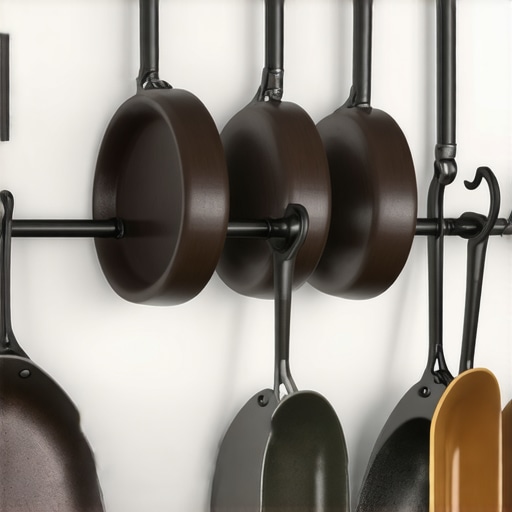
3 Heavy-Duty Hooks for Hanging Cast Iron Inside a Pantry
It was a hectic Saturday morning when I realized my cast iron skillet was stuck behind a mountain of mismatched lids and disorganized utensils. Frustration bubbled up as I wrestled with heavy pans that seemed to mock me every time I reached for them. That lightbulb moment—why was I struggling so much with hanging and storing these beloved yet formidable cookware pieces? It hit me that my pantry lacked the right support to handle heavy-duty cast iron, and my storage solutions were simply not up to the task.
Why finding the perfect hooks for your cast iron matters more than you think
When it comes to hanging heavy cookware, especially cast iron, the stakes are surprisingly high. Most standard hooks just don’t cut it—they bend, slip, or even cause damage to your cabinets over time. I learned this the hard way early on when a cheap hook gave way, causing a frightening crash that could have shattered my prized skillet. The importance of investing in strong, reliable support became crystal clear. Today, we’re diving into the world of heavy-duty hooks designed specifically for your pan collection, promising to simplify your life and protect your valuable cookware.
Is all the hype about heavy-duty hooks necessary? My early mistake will surprise you
Back when I first started hanging my cast iron, I thought a few standard hooks would suffice. I overlooked the weight and durability needed, leading to frequent replacements and a shaky pantry setup. A quick search revealed that choosing inferior hooks is a common mistake even seasoned cooks make. As pointed out by experts, using the right hooks not only extends the lifespan of your cookware but also enhances overall kitchen safety. Curious about the best options? Check out our detailed guide on built-ins and storage hacks to maximize your space and ensure your heavy pans are securely supported.
Assess Your Space and Needs
Start by measuring your cast iron collection to determine the total weight and size. Take note of your existing wall and cabinet configurations. During a recent kitchen upgrade, I measured my skillet set and realized that some hooks couldn’t support their combined weight, which prompted me to choose stronger options.
Select the Right Heavy-Duty Hooks
Opt for hooks specifically rated for heavy loads, such as those made from stainless steel or brass with a weight capacity of at least 50 lbs per hook. I installed a set of industrial-strength hooks into my drywall using anchors designed for heavy drywall sections, ensuring reliable support.
Anchoring into Studs for Maximum Support
For optimal stability, locate wall studs using a stud finder. Mark their positions and drill pilot holes for your hooks. During my project, I used a level to ensure accurate placement, securing hooks directly into the studs. This method drastically increased the hangers’ durability and safety.
Reinforce the Wall Structure if Needed
If wall studs are spaced too far apart for your intended arrangement, consider adding a mounting board or cleat system. Attach a horizontal ledger board across multiple studs, then hang hooks from it. I crafted a 1×4 wooden board, stained it to match my kitchen decor, and mounted it securely across studs for a sturdy backbone.
Use Custom Built-Ins for Seamless Integration
For a sleek, integrated look, built-in cabinetry can turn your cookware storage into an aesthetic feature. Custom cabinets with dedicated pegboards or slotted panels give you flexible support options and keep your cookware accessible. I explored various ideas and decided on a recessed panel with adjustable hooks, making my cast iron collection both functional and stylish. Discover transformative ideas for custom cabinets that elevate your space.
Ensure Long-Term Stability with Proper Spacing
Spacing hooks at appropriate intervals prevents overloading and distributes weight evenly. A common mistake is hanging multiple heavy pans on a single hook, risking damage. During my setup, I spaced hooks 12 inches apart and staggered heavier items to avoid stress. This method prolongs the life of your supports and reduces safety hazards.
Regularly Inspect and Maintain Your Support System
Over time, hooks and anchors can loosen. Periodic checks—looking for wobbles or signs of wear—are essential. After six months, I examined my hooks and tightened them where necessary. Maintenance ensures continuous safety and preserves your cookware’s integrity.
Optimize Space with Creative Storage Ideas
If wall space is limited, consider vertical stacking or installing hooks under shelves to maximize storage. Using multiple support points prevents sagging and keeps your kitchen organized. I utilized vertical spacing for my heavy cast iron collection, which freed up valuable cabinet space.
When it comes to designing built-in storage and custom cabinets, many homeowners fall prey to misconceptions that can lead to costly mistakes. Contrary to popular belief, the most advertised features aren’t always what provide the best long-term value or aesthetic harmony. For example, many assume that standard sizes and off-the-shelf solutions can seamlessly fit unique spaces, but in my experience, this often results in wasted space and the need for expensive modifications down the line.
Are Custom Cabinets Always the Right Choice for Small Kitchens? Insights for the Savvy Remodeler
One common myth is that custom cabinetry is only necessary for large or uniquely shaped kitchens. However, experts highlight that small kitchens benefit significantly from tailored solutions that maximize every inch. The real nuance lies in understanding the balance between customization and practicality. Overly intricate designs can complicate installation and maintenance, negating their benefits. As noted by industry specialists, smartly designed custom cabinets can increase usable space up to 30%, but only when planned with precise measurements and functional accessories. This is why engaging with professionals who understand space economization—like those at custom cabinets ideas—can transform your kitchen into a masterpiece of efficiency.
Beware of Overly Focusing on Aesthetics
Many homeowners prioritize appearance over function, assuming that beautiful finishes and elaborate doors will automatically make storage superior. But the prevalent mistake is neglecting the internal organization. Hidden nuances, such as the importance of adjustable shelves or integrated pull-outs, ensure that cabinets are not just attractive but also incredibly functional. Skipping these details can result in cabinets that look stunning but are frustrating to use. For insights into selecting the right storage solutions that combine design with utility, check out expert tips on storage solutions. Moreover, the installation process itself holds potential pitfalls. Improperly anchored cabinets, especially in older or uneven walls, can sag or become misaligned, which compromises both safety and aesthetics.
Prioritizing structural integrity and thoughtful planning paves the way for lasting beauty and utility. For a comprehensive approach, explore how built-ins and creative storage transform your kitchen. Remember, investing in quality hardware and meticulous installation can prevent the common ‘oops’ moments that cause cabinets to wear or malfunction prematurely. Have you ever fallen into this trap? Let me know in the comments.Maintaining the functionality and appearance of built-in cabinetry and storage systems requires the right tools and a strategic approach. I personally rely on a combination of high-quality cleaning products and specialized hardware to ensure longevity. For example, I use a soft microfiber cloth and a gentle wood cleaner for finished surfaces, which prevents scratches and preserves the finish. When it comes to hardware, I recommend installing soft-close dampers, which reduce wear and tear on hinges and keep cabinet doors closing smoothly over years of use. Regular lubrication of hinges and slides with a silicone spray helps prevent squeaks and ensures smooth operation, saving you from costly repairs down the line. As you scale your storage solutions, it’s essential to periodically check for loose screws or misaligned components and tighten or adjust them promptly. Using a digital level can help maintain perfect alignment during routine maintenance, especially after seasonal changes that might cause wood to expand or contract. Predictably, as trends in custom cabinetry evolve, incorporating smart hardware—like touch-activated LEDs and motorized pull-outs—is gaining popularity. These innovations not only enhance functionality but also reduce physical strain. How do I maintain my custom cabinets over time? The key is consistency—schedule quarterly inspections and cleanings, and proactively replace worn hardware before it becomes a problem. If you want to explore advanced techniques, I highly suggest trying magnetic latches for gentle, noise-free cabinet closures, as discussed in a recent industry publication. Incorporating these small upgrades can make a significant difference in the long-term performance of your kitchen’s built-ins. For more expert insights, visit expert tips on selecting storage solutions to keep your space functional and stylish for years to come.
Throughout my journey transforming kitchens with custom cabinets and integrated storage, I’ve uncovered lessons that go beyond basic planning. One of the most profound insights is that meticulous attention to detail in every support, hinge, and measurement determines whether your remodel is a lasting success or an ongoing frustration. Choosing quality hardware and understanding the nuances of wall anchoring can make all the difference, transforming a good renovation into a home upgrade that truly endures.
Another key lesson lies in the power of personalized solutions over one-size-fits-all options. Custom-built-in features tailored precisely to your space and lifestyle not only maximize functionality but also elevate your home’s aesthetic. For example, integrating adjustable shelving or hidden compartments in your cabinetry can surprisingly enhance storage capacity without sacrificing style. These insights, often overlooked, are what elevate a mere remodel to a bespoke craftsmanship experience.
Lastly, embracing innovation—like smart hardware or modular components—can future-proof your investment. With the rapid evolution of kitchen technology, installing features like touch-activated lighting or motorized pull-outs can dramatically increase convenience and longevity. Trusting expert guidance and learning these insider strategies will help you create a kitchen that is as functional as it is beautiful, standing the test of time.
My Hidden Gems for Elevating Built-In Storage and Custom Cabinets
- High-quality hardware brands like Blum and Grass are my go-to for durability and smooth operation. Their hinges and slides resist wear and keep your cabinets looking pristine for years.
- Professional-grade tools, such as laser levels and drone cameras, help me ensure perfect alignment and measurements, preventing costly mistakes down the line.
- Design resources like this guide on custom cabinet ideas inspire innovative approaches that blend style with maximum storage capacity.
- Online forums and industry blogs keep me updated on the latest trends and breakthroughs, empowering me to incorporate cutting-edge solutions into every project.
Your Next Step: Build Spaces That Inspire Confidence
The secret to a successful kitchen remodel lies in embracing the details that elevate your space from ordinary to extraordinary. When you prioritize quality, personalization, and smart updates, you ensure your investment will bring joy and efficiency for years. Remember, every successful project begins with consulting experts who understand the intricate art of built-ins and storage solutions. Don’t wait—start transforming your kitchen today and experience the difference that expert insight can make.
What’s the one built-in or storage idea you’ve always dreamed of implementing? Share below—I’d love to hear your vision for your perfect kitchen!
,