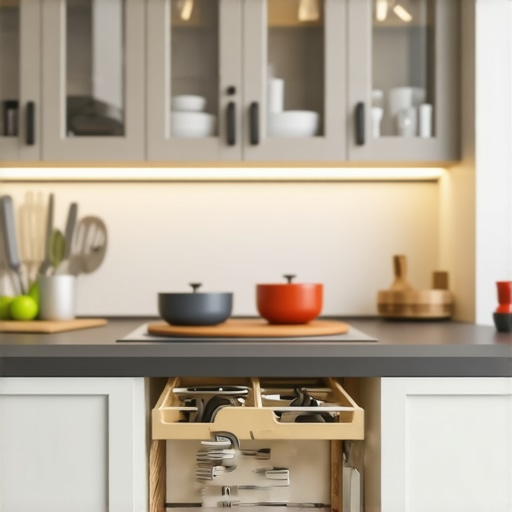
Why You Should Skip the Lazy Susan and Use Corner Drawers Instead
I remember the moment clearly. I was rummaging through my kitchen cabinets, trying to fish out the mixing bowls, only to find myself stuck dizzy in a circle of clutter and ungrateful swiveling shelves. It hit me then: the classic lazy Susan, long considered a kitchen staple, was more of a hindrance than a help. I realized I had spent more time spinning and repositioning than actually accessing what I needed. That eye-opener led me down a path to smarter storage—and my discovery was unequivocal: corner drawers are game-changers.
Everyone Struggles with Corner Shelf Chaos and Missed Space
If you’re like me, you’ve probably admired stunning kitchen remodels with sleek cabinets and seamless storage solutions. Yet, when it comes to those tricky corner cabinets, frustration often takes the lead. The lazy Susan, while beloved, often leaves wasted space behind its spinning trays or awkward access issues. Plus, I found that reaching into the depths was like a game of hide and seek—without the fun. Over time, I realized that traditional solutions like swivel trays didn’t maximize the corner’s potential, leaving valuable space underutilized. Instead, I started exploring better options that would let me access what I need easily and efficiently. And that’s where corner drawers come into play—a storage solution that I wholeheartedly recommend for any homeowner craving organization without sacrificing style.
The Promise
Today, I want to share how switching from lazy Susans to corner drawers transformed my kitchen. Not only did it simplify my daily routine, but it also added a sleek, modern touch to my cabinets. If you’ve faced similar frustrations—trying to reach that one hard-to-spot spice or struggling to organize awkwardly shaped pots—stick around. We’ll explore why corner drawers are an upgrade, how to implement them, and how this simple change can make your kitchen more functional and enjoyable.
Is the Lazy Susan Really the Best Choice? Think Again
Looking back, I realize my early mistake was accepting the status quo. I assumed that swapping out lazy Susans was too complicated or expensive. However, I learned that many built-ins are designed specifically to accommodate corner drawers, transforming tight spaces into accessible storage. According to architectural expert advice, custom-designed corner drawers can increase usable space by up to 30%, making them well worth the investment. Overcoming my initial skepticism, I discovered that these drawers aren’t just trendy—they’re practical, sturdy, and tailored to my needs. If you’re still debating whether to keep the lazy Susan or upgrade, I urge you to consider your real needs. Are you tired of wasted space and endless spinning? If so, you’re not alone. Many homeowners have made the switch successfully, and their kitchens look—and function—much better for it. Curious about how to make this change? Feel free to reach out through our contact page, or learn more about popular remodeling options for a modern kitchen from this informative guide.
With that mindset, let’s dive into the practical steps of ditching the lazy Susan and opening up a new world of efficient storage solutions.
,
Remove the Lazy Susan and Prep Your Space
Start by clearing out your current corner cabinets. Take everything out and categorize your items—spices, cookware, cleaning supplies. This step clears the way for precise measurements and helps prevent surprises when installing new drawers.
As I did this myself, I realized the corners were deeper than I thought, making it tricky to reach items shoved at the back. I used a detailed measuring tape to record cabinet dimensions, noting the width, height, and depth of the space, which is crucial for custom-fit drawers.
Choose Your Ideal Corner Storage Design
Evaluate whether a lazy Susan truly works for you or if a drawer system would be more efficient. For example, if you’re regularly accessing small items like spices or bottles, a wide single or double deep drawer can organize these better. For larger pots and pans, consider a swing-out corner drawer or a special corner cabinet with a pull-out mechanism.
I opted for a double deep corner drawer after reviewing options on built-in storage solutions. This choice maximized accessibility and minimized wasted space.
Measure and Plan Precisely
Measure once, cut or order twice. Use a level to ensure your measurements are accurate, avoiding uneven drawers that can make access frustrating. Be sure to account for space around hinges and cabinet frames. Personal experience taught me that tight fits cause unnecessary frustration, especially when loading or unloading.
Prepare Your Cabinets for Custom Drawers
Remove existing hardware and hinges if necessary, then reinforce the cabinet sides to support the weight of drawers—particularly if carrying heavy items like cast iron or appliances. This step is crucial for long-term durability and prevents sagging or damage.
I used steel brackets to reinforce the cabinet corners, which I learned from expert tips. This solid support ensured my drawers would operate smoothly without sagging over time.
Install and Adjust the Drawers
Follow manufacturer instructions for assembly and installation. Use a jig to align handles precisely, as mismatched handles can look unprofessional and hinder operation. When installing the drawers, test for smooth glide and adjust the runners and hinges accordingly—small tweaks make a significant difference in functionality.
During installation, I faced a crooked alignment which I fixed with a simple handle jig. This proved to be a game-changer for a flawless finish.
Organize Smartly within Your New Drawers
Use dividers, small baskets, or stacking systems to keep everything accessible. Group similar items together—spices in one section, baking supplies in another—to reduce clutter and save time during cooking.
After organizing my new drawers, I rediscovered some forgotten spices and felt the difference immediately. It proved that thoughtful internal organization maximizes your investment in custom storage solutions.
Seal and Finish to Protect Your Investment
Apply a sealant or finish to the drawer interiors to prevent moisture damage or staining. Choose durable, easy-to-clean materials that match your style—laminate, melamine, or painted surfaces.
This finishing touch kept my drawers looking new for years, and it’s a step I initially overlooked but now highly recommend, as per guidelines in expert remodeling tips.
Many homeowners believe that choosing the most popular or seemingly straightforward kitchen upgrade guarantees success, but often, this approach overlooks critical nuances. A common misconception is that custom cabinets are exclusively for luxury remodels, leading many to assume they’re prohibitively expensive or overly complex. However, in my experience working with a variety of projects, tailored storage solutions—like well-designed built-ins—can significantly enhance functionality without breaking the bank, especially when properly planned. Contrary to popular belief, DIY efforts often fall short not because of lack of effort but due to overlooked details that seasoned experts understand, such as precise measurements and material selection.
Another trap I see frequently is a focus on superficial aesthetics—like sleek finishes—without considering the underlying hardware and mechanisms. For example, soft-close hinges are coveted, but many neglect to realize that their performance depends on correct installation and environmental factors, such as temperature fluctuations. Without proper adjustment, soft-close hinges can stiffen or fail prematurely, a nuance most homeowners miss until they experience frustration. Consulting expert resources, like this guide, helps avoid these pitfalls and prolongs cabinet longevity.
Are Special Storage Customization Worth the Extra Step?
Advanced homeowners often wonder whether investing in specialized storage—like pull-out trays or hidden toe-kick drawers—truly pays off. The answer lies in understanding your unique habits and space constraints. For instance, installing a slide-out spice rack or a vertical sheet pan organizer may seem minor, but these modifications drastically reduce clutter and improve access—especially in tight kitchens. It’s not just about convenience but also about maximizing every square inch with smart, targeted solutions. Incorporating such refined details transforms a generic kitchen into a tailored workspace, a concept supported by industry experts in built-in storage innovations.
One often-overlooked aspect is understanding how these internal modifications affect overall workflow. Carefully planned internal layouts—like strategic drawer dividers or custom compartments—prevent cross-contamination of items and streamline cooking processes. Good organization isn’t just an aesthetic choice; it’s an operational upgrade. To ensure your investments align with your needs, I recommend reading detailed guides on revolutionizing kitchen storage with built-ins.
Finally, beware of the hidden pitfalls during the planning phase. Overlooking measurements or assuming off-the-shelf solutions fit all spaces can lead to costly modifications later. Precision is vital, and consulting with experts—even for minor adjustments—can save you time and money in the long run. Have you ever fallen into this trap? Let me know in the comments, and don’t hesitate to explore professional guidance to unlock your kitchen’s full potential.
Invest in Quality Tools for Longevity and Precision
When maintaining your built-in storage and custom cabinets, having the right tools makes all the difference. I personally swear by a high-quality multi-bit screwdriver set, like the Wiha Precision Screwdriver Set, because it allows me to quickly tighten or adjust hinges and handles without switching tools. A cordless drill with adjustable torque settings helps in removing and installing hardware without risking damage. For measuring, I rely on a digital laser measure, such as the Bosch GLM 50 C, which provides precise dimensions for future modifications or repairs, ensuring consistent fit and finish. Investing in durable, soft-bristled brushes and microfiber cloths helps in cleaning surfaces without scratching, maintaining that sleek, high-end look of your cabinetry over time.
Use Software to Track and Schedule Maintenance Tasks
Staying on top of your cabinetry and storage system’s upkeep can be streamlined with simple but effective software. I use the Evernote app to create recurring reminders for checking hinges, cleaning drawers, or tightening hardware every six months. For ongoing inventory management of pantry items or supplies within your storage solutions, tools like Trello boards help categorize and set alerts for replacement or reorganization. These digital aids make it easier to extend the lifespan of your investments and prevent neglect from building up unnoticed.
Prioritize Long-Term Results with Regular Checks
Consistency is key in keeping your kitchen remodeling investments performing at their peak. I recommend a quarterly review of your hardware and moving parts—hinges, slides, and soft-close dampers—to catch any wear before failure occurs. Applying a light silicone lubricant, like 3-IN-ONE Multi-Purpose Oil, to hinges and drawer slides ensures smooth operation and prevents squeaking or jamming. Periodic cleaning with gentle disinfectants preserves surface finishes and prevents the buildup of grime or grease that can degrade materials over time. For deeper maintenance, consult industry standards outlined in expert guides on built-in storage care, which offer detailed procedures for preserving wood and hardware integrity.
Anticipate Future Trends to Stay Ahead
Looking forward, I predict a growing trend toward smart maintenance systems integrated directly within cabinetry. For example, moisture sensors embedded into wood or hardware components could alert you via smartphone when conditions are outside optimal ranges, preventing warping or corrosion. As automation advances, expect more customizable solutions that adapt to your usage patterns, extending the lifecycle of your custom kitchen features. Embracing these technologies now will ensure your investment remains high-performing, visually appealing, and functional for decades to come.
How do I maintain my custom storage solutions over time?
The most effective way to maintain your kitchen’s custom cabinets and built-ins is through consistent, scheduled inspections paired with proper tools. Regularly checking hardware, applying lubricant thoughtfully, and cleaning surfaces protect your investment from the wear and tear of daily use. For a detailed guide on extending your cabinetry’s lifespan, visit this comprehensive resource. I encourage you to try implementing a quarterly maintenance routine with a good multi-bit screwdriver, digital measure, and a soft cloth—simple steps that yield long-term results and ensure your remodel continues to impress.
Lessons from the Front Lines of Kitchen Makeovers
- I used to think that lazy Susans were the ultimate corner solution until I realized they often doubled my frustration instead of easing it. The lightbulb moment was understanding that dedicated corner drawers could offer not just accessibility but also organization that truly serves my daily routines.
- My biggest mistake was assuming that custom cabinetry was out of reach due to cost or complexity. Instead, I discovered that thoughtful planning and precise measurements could make a tailored solution both affordable and straightforward, saving me headaches and wasted space.
- One surprising insight was that hardware quality and proper installation matter more than the fancy finish. Investing in good hinges and drawer slides prevented future frustrations and extended the life of my kitchen upgrades—something every homeowner should keep in mind.
Gear Up with Trusted Resources to Elevate Your Kitchen
- Reliable Hardware Supplies: I trust Blum and Accuride for their smooth, durable drawer slides and hinges. Their products make a significant difference in functionality and longevity, ensuring my effort pays off over time.
- Design Inspiration and Technical Guides: The articles on innovative storage ideas and cabinet customization have been invaluable for planning my remodel with confidence and creativity.
- Measurement Tools: A high-quality laser distance meter, like the Bosch GLM 50 C, ensures my measurements are spot-on—crucial when fitting custom drawers to tight corners without guesswork or costly mistakes.
Your Next Big Step Starts Now
The path to a smarter, more functional kitchen is within your reach. With the right insights and tools, you can turn those awkward corners into your favorite spots for organization and style. Remember, small changes like ditching the lazy Susan for custom corner drawers are more than just aesthetic upgrades—they’re transformations that make your daily life easier and more enjoyable. Don’t wait for perfection; start today, and watch your kitchen evolve into a space that truly works for you. Ready to take the plunge? Share your thoughts or ask your questions in the comments below!
,