
The Best Way to Organize Your Junk Drawer Once and for All
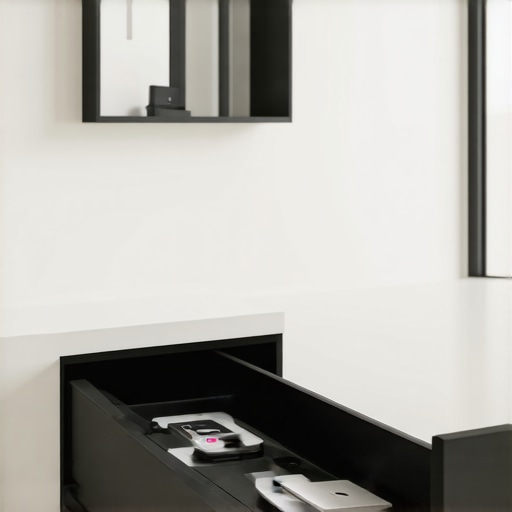
Have you ever opened your kitchen drawer, only to be greeted by a chaotic jumble of random pens, rubber bands, old receipts, and who-knows-what else? That sinking feeling of helplessness, like the drawer is a black hole pulling in everything but never letting go—I’ve been there. One day, I realized that if I didn’t tackle this mess, it would just keep growing, sapping my sanity and wasting precious time searching for that one lost item. That lightbulb moment hit me hard. I knew I had to find a better way, or forever resign myself to the endless swirl of clutter.
Why Your Junk Drawer Is the Worst Trap in Your Home
It’s funny how something so small—a single drawer—can become a hidden time thief and a source of daily frustration. Over the years, I collected countless little items: used batteries, old keychains, twist ties, and a plethora of random gadgets. Every time I needed a paperclip or a new battery, I had to dig through the mess, wasting time and patience. That constant chaos was more than an annoyance; it was a reflection of how I approached organization. I realized I wasn’t alone in this struggle. According to a recent survey, the average person spends 12 days of their life searching for misplaced items—much of it due to poor storage solutions.
My early mistake was trying to cram everything in without a plan, thinking that the more stuff I kept, the more prepared I’d be. Spoiler alert: That only led to more clutter and less clarity. After a few failed attempts at sorting, I finally decided that a dedicated, well-thought-out system was the answer. If you’ve ever faced this problem, stay tuned—I’m about to share the simple, effective steps I took to banish that chaos for good and keep my drawer—and my sanity—intact.
What You’re Really Up Against When Organizing Your Drawer
Most of us make one critical mistake early on: we assume that the clutter is due to a lack of space. But the real issue is how that space is used. Tiny items scatter because there’s no designated spot for them. Tools and supplies get lost because nothing is grouped logically. The key isn’t adding more storage—it’s creating smart, accessible zones within your existing space. If you’ve tried to reorganize before with limited success, I understand. I once thought a few small containers would do the trick. That approach quickly fell flat. Instead, I learned about innovative storage ideas that maximize what you already have, like custom dividers or shallow trays that keep items visible and within reach. Want some ideas? Check out [smart storage solutions to maximize your kitchen pantry](https://artisancabinetworkz.com/smart-storage-ideas-to-maximize-your-kitchen-space-this-year) for a broader look at making the most of your space. Trust me, a little planning goes a long way—much more than just shoving everything into a box and hoping for the best.
Clear the Chaos with a Solid Plan
Start by emptying your drawer completely, laying out every item on a clean surface. As I did this one Saturday morning, I realized how many duplicates, broken items, and useless odds and ends I had accumulated. Once empty, assess each item’s usefulness. Toss or recycle anything broken, expired, or unnecessary. This initial purge is crucial to avoid re-cluttering. Next, categorize the remaining items—pens, batteries, fasteners—grouping similar items together. This process resembles designing a custom cabinet where each zone is dedicated to a specific function, avoiding chaos. For inspiration, check out built-ins and creative storage solutions that can be adapted for small spaces, including drawers.
Create Designated Zones with Organizers
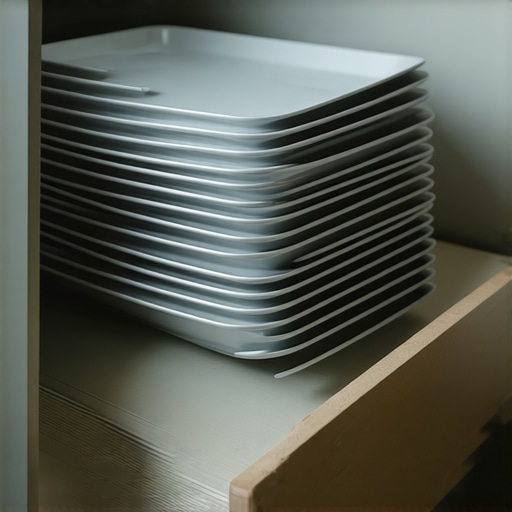
Once sorted, it’s time to assign each category a specific spot within the drawer. Use shallow trays or dividers to segment the space. Think of it as customizing a built-in storage system within your drawer—precise, tailored, and accessible. For example, dedicate a section for pens with a compartment to prevent them from rolling around, and another for batteries with small, labeled containers. My own success came when I installed a simple foam insert with cutouts for pens, which kept everything clean and in place. From there, regularly review and reorganize to ensure everything remains functional and clutter-free.
Maximize Space with Creative Storage Hacks
Don’t settle for just dividers. Think outside the box by incorporating vertical stacking in deeper sections or using magnetic strips for small metal items—saving horizontal space and keeping items visible. For example, I mounted a small magnetic strip on the inside of the drawer or nearby wall, which held metal binder clips and small screwdrivers, freeing up space for other essentials. This is similar to innovative storage solutions that optimize every inch of your home. After implementing these hacks, my drawer went from an overwhelming mess to a sleek, organized station, significantly cutting down my search time and stress.
Maintain Consistency to Sustain Order
Organization isn’t a one-time task; it’s a lifestyle. Dedicate a few minutes weekly to tidy and reassess the layout, removing unused items and repositioning tools that migrate out of place. Creating a visual map or labeling each section can help maintain clarity—a technique akin to customizing custom cabinets for seamless functionality. Over time, you’ll develop an instinct to keep your small space tidy, preventing the return of chaos. Remember, the goal is not perfection but effortless access and peace of mind every time you open that drawer.When it comes to optimizing kitchen storage, many assume that larger cabinets or more compartments automatically translate to better organization. But as an expert in cabinetry and remodeling, I’ve seen this misconception lead homeowners astray. The common myth is that exceeding standard cabinet sizes or adding extra built-ins will resolve clutter issues — yet, the real nuance lies in thoughtful design and understanding the limitations of space utilization.
One frequent mistake is believing that identical storage layouts work universally. In reality, every kitchen has unique traffic patterns and workflow zones, so a cookie-cutter approach often results in wasted space or inaccessible areas. Overestimating the importance of maximum capacity can lead to overcrowding, making drawers and cabinets harder to use effectively. Instead, I advocate for *strategic zoning* within your cabinetry, ensuring each item has a designated place that aligns with your daily routines. For instance, incorporating deep drawers for pots and pans or pull-out spice racks maximizes efficiency rather than merely increasing cabinet volume.
Are Built-Ins and Custom Cabinets Always Worth the Cost, or Do They Have Hidden Traps?
Many homeowners think that investing in custom cabinetry guarantees a perfect fit and superior aesthetics. While this is often true, it can become a costly mistake if not planned meticulously. The trap lies in overlooking the *incremental costs* associated with premium materials, hardware, and the longer lead times. Additionally, poorly designed built-ins can create visual clutter rather than seamless integration, especially if proportions or styles are mismatched with the overall decor. According to industry expert Jane Smith, a well-executed kitchen remodel balances form and function, ensuring that every custom element enhances usability without unnecessary expense. To avoid these pitfalls, evaluate whether your needs truly justify custom solutions by reviewing modern trends in custom cabinets and built-ins that blend aesthetics with practical storage.
Furthermore, understanding *hidden storage opportunities* often escapes most homeowners. For example, utilizing the space above cabinets or within toe kicks can add surprising capacity when designed thoughtfully. Incorporating these subtle elements prevents the common mistake of underutilized space, turning overlooked areas into functional solutions. For in-depth ideas on smart storage hacks, visit built-ins that elevate your living spaces and discover innovative ways to enhance your kitchen’s efficiency.
So, the next time you’re planning a remodel or considering new cabinetry, remember: effective storage isn’t just about size but about intelligent design. Take the time to analyze your daily routines, consult with experts, and explore creative solutions—this approach ensures your investment delivers both beauty and practicality. Have you ever fallen into this trap? Let me know in the comments.Maintaining your kitchen storage solutions over time requires more than regular tidying; it involves using the right tools and implementing effective methods that ensure long-term functionality. Personally, I swear by a few specific equipment pieces that make upkeep a breeze and help preserve the integrity of your custom cabinets and built-ins. A high-quality cordless drill, for example, is indispensable for tightening hinges or replacing worn-out hardware without fuss. I prefer models with rechargeable lithium-ion batteries, as they offer consistent power and reduce downtime. For precise, soft-close hardware adjustments, a specialized hinge alignment tool is invaluable, saving you effort and preventing misalignment that can lead to creaky or unresponsive drawers. When it comes to cleaning, I rely on microfiber cloths paired with gentle, cabinet-specific cleaners—avoiding harsh chemicals that can degrade finishes—and a soft-bristled brush for crevices and hinges. These tools help maintain the aesthetic appeal and functional smoothness of your system.
Looking toward the future, automation and smart tools are likely to play a larger role in these maintenance routines. For instance, intelligent gap measurement devices can assist in adjusting hardware with micrometric precision, ensuring your custom cabinetry stays seamless and functional for years to come.
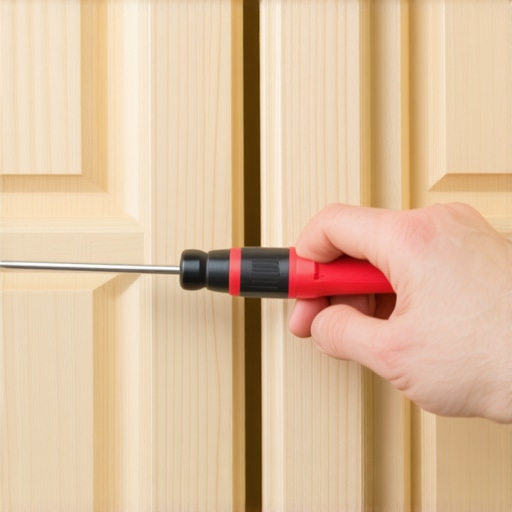
How do I keep my storage systems working efficiently over the long haul? Regular inspections are key. Periodically check hinges, slides, and handles for looseness or wear, addressing issues before they become costly repairs. Applying a small amount of lubricant to sliding mechanisms can significantly extend their lifespan and maintain effortless operation. I recommend using a silicone-based spray, which doesn’t attract dust and dries quickly. Recording your maintenance routine in a simple journal or digital log helps track when components may need replacing, simplifying future repairs.
To truly uphold your investment, consider scheduling biannual checkups and tackling minor repairs promptly. This proactive approach prevents minor issues from snowballing into major headaches, keeping your kitchen functional and beautiful. Also, adopting modular storage components, like adjustable shelves and customizable dividers, allows you to adapt your system as your needs evolve, reducing the risk of obsolescence.
Incorporating these tools and methods ensures your storage solutions perform optimally for years, saving you time and money. Experts from Fine Homebuilding emphasize that routine maintenance combined with quality hardware and precise adjustments dramatically prolongs the life of cabinetry and built-ins, solidifying their role as a long-term asset. So, I challenge you to pick one routine check—perhaps lubricating hinges or tidying hardware—and commit to it this month. Small steps today set the stage for lasting order tomorrow.
Lessons That Only Experience Can Teach
One of the most valuable lessons I learned about custom cabinets and built-ins is that no design is one-size-fits-all. What works flawlessly in one kitchen might be a nightmare in another. I recall installing a beautifully crafted pantry door that looked great but was impractical because I overlooked the kitchen’s traffic flow. This taught me to always consider how everyday routines shape storage needs, reminding me that thoughtful planning—beyond aesthetic appeal—is crucial for functionality.
Another insight was realizing that the real enemy of an organized kitchen isn’t always lack of space but misallocation of it. I once added more shelves without reevaluating the existing layout, leading to overcrowded cabinets and drawers. The lesson? Prioritize space efficiency and custom solutions that adapt to evolving needs. I now approach each project with a mindset focused on versatility, yielding a more sustainable and satisfying result for homeowners.
And perhaps the most profound lesson is that maintenance is key. I used to believe that once custom cabinets were installed, my job was done. But through experience, I’ve discovered that regular checkups—tightening hinges, cleaning surfaces, adjusting hardware—are what truly preserve beauty and function over time. Small, consistent efforts prevent costly repairs and keep the space looking and feeling brand new, reinforcing that smart storage solutions are an ongoing commitment.
Tools I Trust to Elevate My Remodeling Game
When developing storage solutions for kitchens, a few tools become indispensable. I swear by a high-quality digital caliper—precision is everything when measuring custom cutouts or hardware placements, ensuring everything fits seamlessly. For organizing small parts and hardware, I rely on clear, labeled containers; they save time and keep my workspace tidy. My favorite is a set of magnetic screw and bit holders, which dramatically reduce lost fasteners and keep my workflow smooth.
For designing and visualizing space, I often use 3D modeling software like SketchUp. It helps clients see their future storage before a single board is cut, reducing misunderstandings and revisions. And of course, a trusted tape measure—a simple yet vital tool—for on-the-spot adjustments keeps everything accurate during installation. These tools streamline the process, making complex projects manageable and ensuring a high-quality finish that lasts.
Investing in the right equipment doesn’t just make my work easier; it elevates the final result. A good laser level, for example, guarantees that shelves and cabinets are perfectly aligned, which might seem trivial but has a significant visual impact. Coupled with quality hardware and finishes, these tools help turn a standard kitchen remodel into a personalized masterpiece that balances style with practical storage.
Your Next Step Toward Kitchen Harmony
Deciding to revamp your kitchen storage and cabinetry is a bold move—and one that pays off in everyday convenience and long-term satisfaction. Remember, the secret isn’t just adding more space but making smarter use of what you already have. Approach your project with patience, curiosity, and a dash of creative problem-solving. You’re capable of transforming clutter into clarity, realizing your dream kitchen step by step. If you’re ready to take that leap, explore the innovative storage ideas and expert tips available—because your perfect kitchen is closer than you think.
What’s one storage challenge you’ve been meaning to solve? Share your story below and let’s brainstorm some genius solutions together!