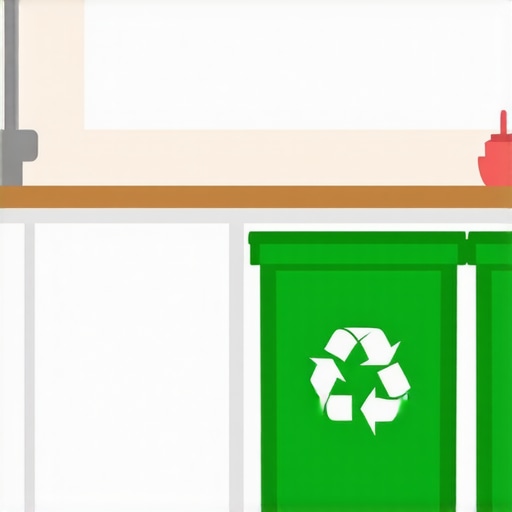
The Double-Bin Trash Move: Why You Need One for Recycling Too
I used to get frustrated every time I approached my kitchen trash can, especially during recycling day. The mix of recyclables and waste would often spill over or get mixed up, turning what should be a simple task into a messy, time-consuming ordeal. One lightbulb moment struck me when I realized that my current setup was fundamentally flawed—my single bin couldn’t keep up with my recycling needs, and I was constantly rummaging through piles to separate items later.
That’s when I discovered the power of the double-bin trash move. It’s a simple yet game-changing approach that allows me to manage my trash and recyclables simultaneously without the chaos. If you’re tired of the clutter, forgetfulness, or accidental mixing ruining your efforts, stay with me. Today, I’ll show you how to implement this strategy in your own home, making your recycling process smoother and more organized.
Why Sticking to a Single Bin Is Holding You Back
Facing the Reality of Limited Space and Messy Recycles
Many of us start with one trash bin, thinking it’s enough. However, over time, it becomes clear that combining waste and recyclables in one container isn’t just inconvenient—it can actually discourage proper sorting altogether. Recyclables tend to pile up on the countertop or in an overflowing bin, leading to missed opportunities for eco-friendly waste management.
Early on, I made the mistake of relying solely on a single, cluttered bin and ignoring the need for a dedicated recycling solution. This oversight led to increased waste that ended up in the landfill—exactly what we’re trying to avoid. According to the Environmental Protection Agency, separating recyclables properly can significantly reduce your household’s carbon footprint. But without the right tools and setup, even well-intentioned efforts can fall short.
Fortunately, a simple adjustment changed everything. Having a dedicated, dual-compartment bin helped me stay organized and motivated to recycle correctly. Want to learn how to do the same? Let’s explore the steps to create your own efficient double-bin system.
Is a Double-Bin Trash Move Actually Worth the Hype?
I used to think it was just another organizing trend—until I experienced the difference firsthand. Initially, I worried it might be just a gimmick or require extra space I didn’t have. But the truth is, this move optimizes your existing space and makes daily tasks more manageable.
The key is choosing the right setup that fits your kitchen’s layout and your habits. For example, installing a custom pull-out trash and recycling system ensures everything stays tidy and accessible. If you’re skeptical, remember that I also hesitated — thinking I’d end up with more clutter or cleaning hassles. However, the benefit of streamlined waste management far outweighs the minor effort required to set it up.
If you’ve faced similar frustrations, I encourage you to consider this simple change. It might just revolutionize the way you handle waste and recycling, making your kitchen more functional and eco-friendly.
Ready to take control of your trash organization? Next, I’ll walk you through the practical steps to implement a double-bin system in your home, ensuring you’re set up for success.
Start by Choosing the Right Bins
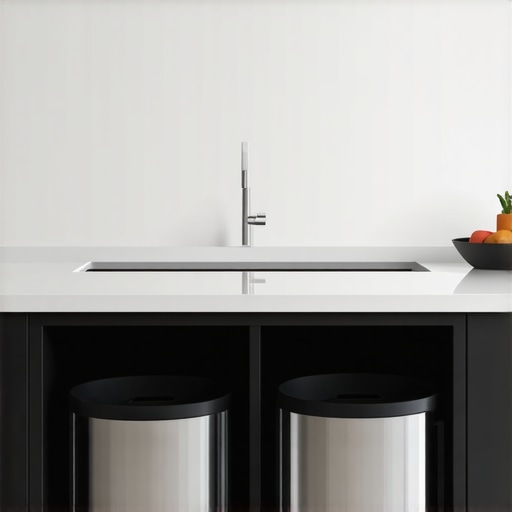
Opt for two durable, stackable or side-by-side bins that fit comfortably in your allocated space. Consider selecting containers with lids to contain odors and prevent pests. When I upgraded, I chose a set that matched my kitchen’s color scheme, integrating seamlessly with my existing decor. Browse options that can be customized or built-in for a sleek look, like those found in custom cabinets for kitchens.
Design Your Storage Niche for Accessibility
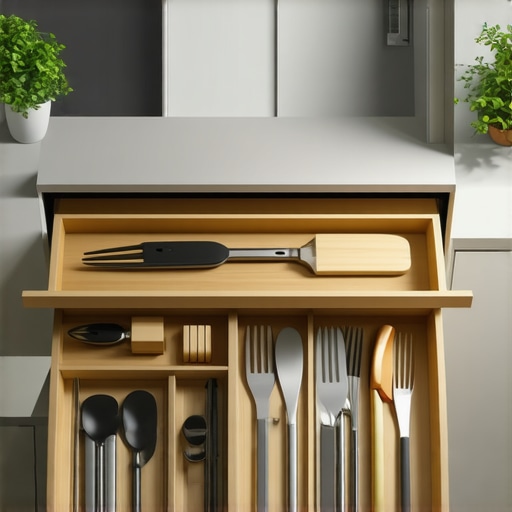
Create a dedicated enclosure or compartment within your cabinetry to house the bins. Use adjustable shelving or built-in slides for easy removal and replacement. I built a custom cabinet with pull-out trays, which allowed me to slide the bins out effortlessly during cleanup. This approach mimics the built-in storage solutions for a cohesive, clutter-free kitchen.
Install and Secure in Place
Securely fix the bins using mounting brackets or rails designed for your chosen setup. Reinforce the base with additional supports if needed. I used heavy-duty brackets to prevent accidental tipping, especially when the bins are full. This prevents spillage and maintains the neat appearance of your waste station. For more advanced support, consider consulting heavy-duty bracket strategies.
Plan for Odor Control and Alarming
Add a charcoal filter or small vent to the enclosure to manage smells. Label each bin clearly—using in-cabinet labels or painted on the front to prevent confusion. When I first set this up, I noticed that sealing the compartments kept my kitchen smelling fresh, making the task more pleasant. If space permits, integrate a small LED indicator or sensor for waste level alerts, similar to smart solutions in modern kitchen remodels discussed at revolutionizing kitchen storage.
Maintain and Adapt Your System
Regularly empty and clean the bins to prevent build-up. As needs evolve, modify your storage setup—adding dividers, adjusting positions, or upgrading containers. My initial setup worked well, but after a few months, I added a dedicated recycling compartment for plastics, aligning with smart storage ideas to maximize space.
 When it comes to built-ins and custom storage solutions, many homeowners and contractors fall prey to misconceptions that hinder the true potential of a kitchen remodel. Contrary to popular belief, opting for mass-produced cabinetry without understanding its nuances can limit a space’s functionality rather than enhance it. For example, standard off-the-shelf cabinets often lack precise dimensions and tailored features that make a significant difference in usability—details that expert remodelers emphasize when creating seamless, high-end kitchens showcased at modern remodels.
Are Custom Cabinets Overrated or Are You Missing the Point?
Many believe that custom cabinets are only for luxury homes and that semi-custom or stock options suffice. But the reality is, custom solutions allow for maximized storage, tailored ergonomics, and integration with your home’s aesthetic—things that standardized cabinetry simply can’t match. Rushing into a project with generic options may save money upfront but often results in later frustrations, including wasted space and inconvenient access points. Additionally, a common mistake is neglecting the importance of material selection. Cheap MDF might reduce initial costs but complicates long-term durability, especially in humid areas like kitchens and bathrooms. Instead, investing in quality materials like birch plywood ensures longevity and a pristine appearance over the years. Leveraging expert advice in selecting suitable storage solutions can prevent these pitfalls. But perhaps most overlooked is the integration of built-ins that serve multifaceted purposes. Properly designed built-ins can hide clutter, provide charging stations, and even enhance your home’s overall flow—transforming a standard kitchen into a personalized workspace. Don’t fall for the myth that all built-ins are high-maintenance; with the right design, they can be as low-effort as mass-produced furniture, especially when built with durable finishes such as semi-gloss or lacquer that resist fingerprints and stains. Remember, detailed planning and expert consultation—accessed via this contact page—are key to avoiding these advanced mistakes. Have you ever fallen into this trap? Let me know in the comments.
Investing in the right tools for your kitchen remodel and storage solutions isn’t just about initial setup; it’s about ensuring long-term functionality and ease of maintenance. Over time, the use of specialized equipment and software can significantly reduce wear and tear, streamline repairs, and enhance your daily routines. For example, I personally rely on a high-quality digital level, which I calibrated annually, to ensure that your custom cabinets and built-ins remain perfectly aligned. A reliable laser measure also speeds up your space planning and adjustments without the need for tedious manual measurements, helping you avoid costly misalignments that can develop over years.
In terms of maintenance, regular cleaning with gentle, non-abrasive products extends the lifespan of finishes and materials. I recommend scheduling semi-annual inspections of hardware, such as soft-close dampers and hinges, to replace any that show signs of wear. For this purpose, a set of small precision screwdrivers and a container of spare hardware components keep you prepared for quick fixes. To monitor for possible issues in your built-ins, smart sensors and level detection apps can notify you of unevenness or instability before significant damage occurs—an increasingly popular trend that I see shaping future kitchen maintenance routines.
Prediction-wise, future developments suggest an integration of IoT (Internet of Things) devices in custom cabinetry and storage systems. Imagine cabinets that alert you when it’s time to tighten hinges or clean filters, or shelves that automatically adjust height based on load. Embracing these innovations now can give you a competitive edge and peace of mind, knowing your kitchen remains high-performing effortlessly.
How do I maintain built-ins and custom cabinets over time?
The key is consistent, proactive care. Regularly inspect hardware and finishes, and use specialized tools like moisture meters to detect early signs of humidity damage—especially important for kitchens in humid climates. Applying appropriate protective coatings periodically also prevents discoloration and warping. For comprehensive guidance, consult resources such as this detailed guide on custom cabinets. Don’t underestimate the value of small, regular maintenance checks; those tiny efforts preserve your investment and ensure your kitchen systems keep running smoothly for years to come. Try setting a reminder to inspect hardware monthly—it’s a game-changer.
Lessons I Wish I Learned Sooner About Custom Cabinets and Built-Ins
- One of the most eye-opening moments was realizing that bespoke solutions aren’t just about aesthetics—they fundamentally change how you interact with your space, making daily routines more intuitive and less stressful.
- Investing in quality materials and expert-designed storage solutions saves time and money long-term. Skimping on this can lead to costly repairs or replacements, negating initial savings.
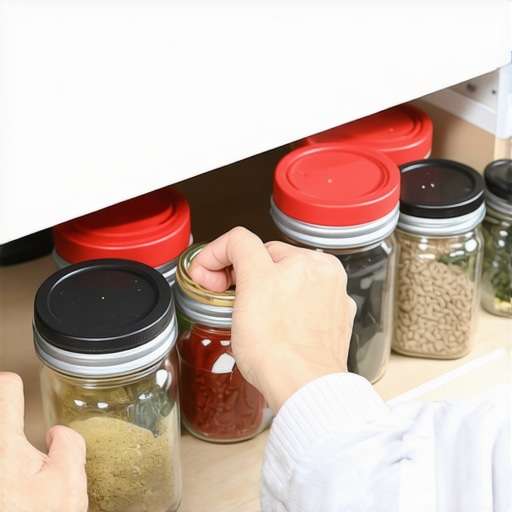
- Smart integration of built-ins, like hidden charging stations or pull-out spice racks, transforms clutter into calm, promoting a sense of peace and control in the heart of your home.
- Understanding that a well-planned kitchen remodel isn’t just about new cabinets but creating functional art that elevates your lifestyle was a game-changer for me.
- Some of the most minor details—like proper scribing or silent hinges—yield huge benefits, enhancing both the durability and the feel of your built-ins over time.
My Go-To Resources for Elevating Built-In Designs
- The Ultimate Guide to Custom Cabinets for a Stylish Kitchen Overhaul — This comprehensive resource offers insights on selecting materials, finishes, and layouts tailored to your needs, ensuring your investment stands out.
- Expert Tips on Selecting Storage Solutions for a Perfect Kitchen Upgrade — Practical advice from seasoned professionals has helped me avoid common pitfalls and maximize space efficiently.
- Maximize Space with Innovative Storage Solutions for Every Room — It’s astonishing how small tweaks can make a big difference, and this source continuously inspires creative ideas.
- Contacting seasoned designers through this link has connected me with professionals who turn visions into reality, avoiding costly mistakes and ensuring seamless integration.
Your Next Move Starts Today
Embracing the potential of built-ins and custom cabinets can truly redefine your kitchen. With thoughtful planning, quality craftsmanship, and a dash of courage, your dream space is within reach. Don’t let hesitation hold you back—start exploring your options now and watch how your home transforms into a sanctuary of style and function.
What’s one custom storage idea you’re excited to try in your kitchen remodel? Share your plans in the comments below!