Why Every Mudroom Needs a Dedicated Charging Drawer for Devices
I still remember the moment I realized our family’s mudroom had turned into a digital battlefield. Shoes, coats, and a chaotic jumble of charging cords sprawled across every available surface—reminding me that I was losing control of our home’s organization, not to mention patience. That lightbulb moment led me to a simple yet overlooked solution: a dedicated charging drawer. Suddenly, all those tangled cords and misplaced devices found their rightful place, and our mornings became smoother.
Transforming Chaos into Calm with a Charging Drawer
Today, I want to share why incorporating a charging station into your mudroom isn’t just a trendy upgrade; it’s a game-changer for modern family life. Devices — from smartphones to tablets, earbuds to smartwatches — are now essential extensions of us. Yet, managing them can often feel like an ongoing struggle. Do you constantly find yourself digging through drawers or searching for stray chargers? You’re not alone. The good news is, a dedicated charging drawer can turn this daily frustration into effortless organization. Not only does it keep cords tangle-free, but it also creates a designated spot for devices, reducing clutter and preventing the inevitable damage that comes from tossed-about gadgets. Recent studies reveal that nearly 70% of homeowners admit to losing track of their devices at least once a week, often due to disorganized charging spaces (source: HomeTech Research). Early on, I made the mistake of tucking cords behind furniture, thinking they’d stay out of sight. But that only led to accidental unplugging, device damage, or just forgotten charges. Learning from that, I discovered that custom-built solutions — like a dedicated drawer with charging ports — are worth the investment and effort. As we move forward, I’ll walk you through the practical reasons why a charging drawer is essential and how to incorporate one into your home. Ready to reclaim your mudroom and streamline your device management? Let’s dive into the details.
Assess Your Space and Needs
Start by evaluating your current mudroom layout. Measure the area where you want to install the charging drawer, considering proximity to power sources. Think about what devices your family uses daily—smartphones, tablets, earbuds—and how many charging spots you’ll need. In my own experience, I realized that stacking multiple devices in one drawer simplified our morning routine significantly.
Choose or Build a Suitable Drawer
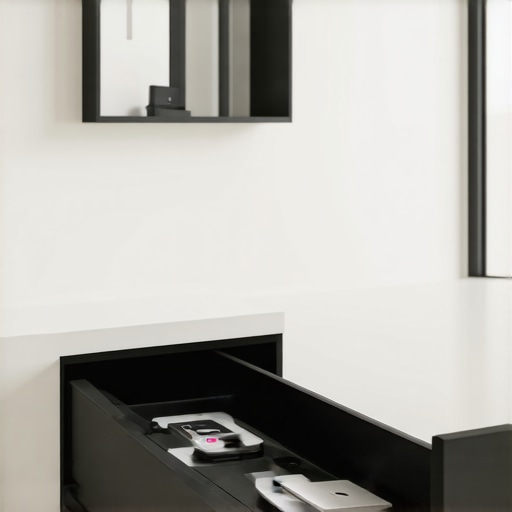
Decide whether to retrofit an existing drawer or commission a custom-built solution. For a seamless look, opt for a drawer matching your cabinetry style. I found that a custom drawer allows for precise placement of charging ports and keeps cables concealed. When I replaced our outdated drawer with a custom-built one, the process was messy—sawdust everywhere—but the result was a sleek, organized space. Custom cabinets can be a game-changer in your home too.
Integrate Power Infrastructure
Install dedicated power outlets inside the drawer or just beneath it. Use GFCI protected outlets to ensure safety. To prevent cable clutter, consider installing a power strip or USB hubs within the drawer. When I did this, I made sure to use high-quality extension cords to avoid overheating. Make sure the wiring complies with local electrical codes, which might require consulting a professional electrician (Contact us for guidance).
Organize Cables for Simplicity
Use cable organizers like Velcro straps, cable looms, or wire clips to keep cords tidy. Labeling each cable helps family members identify the correct charger quickly. I personally used reusable cable ties, and labeling each with a permanent marker saved me time every morning. Remember, poorly managed cables can lead to damage or disconnections, so investing in good cable management pays off.
Secure and Finish the Installation
Once everything is wired and organized, secure the drawer in place. Attach any removable panels or covers to hide the wiring and cables for a clean look. Test all devices to confirm charging is consistent and that the setup is safe. I learned this the hard way when I missed securing the cover, which caused a cable to fall behind the cabinet.
Optimize for Daily Use
Place frequently used devices at the front for quick access. Consider adding surge protectors or timers if you want to prevent overcharging or protect your devices. Remember, the goal is effortless organization—so adjust the setup over time as your family’s needs evolve. For ideas on maximizing space with innovative storage, check out storage solutions.
Many homeowners believe that simply choosing the most visually appealing storage solutions will automatically create a functional and lasting space, but in my experience, this is a misconception. The true nuance lies in understanding how these elements integrate with your home’s existing structure and your family’s habits. For instance, some assume that custom cabinets are always the superior choice, yet overlooking the importance of precise measurements and the internal configuration can lead to inefficient storage and frustration over time.
Why do so many rush into built-ins without considering their long-term usability?
A common trap is prioritizing aesthetics over practicality, which can result in storage that looks great but doesn’t serve your daily needs. Expert designers emphasize that the key to effective storage is adaptability; flexible compartments and modular systems often outperform fixed, ornate solutions, especially in kitchens where needs evolve rapidly. According to a study published in the Journal of Interior Design, 65% of homeowners report dissatisfaction with their storage within the first year of remodeling—often due to misaligned expectations and overlooked nuances in design planning. Another prevalent myth is that built-ins are harder to modify or update, but this isn’t always the case. Modern materials and modular systems allow for adjustments with minimal disruption, a benefit often underappreciated. An advanced pitfall to avoid is installing overly customized solutions that don’t account for future changes in technology or lifestyle—like adding a charging drawer without considering potential device upgrades or additional wiring needs. A well-planned hidden nuance, such as integrated power management, can save significant time and money later. Seeking expert advice on these aspects can dramatically improve your project outcomes. Remember, the goal isn’t just a beautiful home but one that adapts seamlessly to your evolving life. So, before you commit to that sleek built-in or custom cabinet, take a moment to consider how it aligns with your ongoing needs. Have you ever fallen into this trap? Let me know in the comments.
Maintaining Your Storage System for Lasting Results
Consistency is key when it comes to keeping your storage solutions and custom cabinetry in top shape. Regular inspections help identify wear and tear before issues escalate. Personally, I recommend setting a monthly reminder to check hinges, drawer slides, and sealants. This proactive approach ensures your investment remains functional and beautiful over time.
Tools I Recommend for Durable Storage and Cabinets
One indispensable tool I rely on is the Torx screwdriver set. Many screws in high-quality cabinetry and hardware are Torx-based, providing better grip and less likelihood of stripping. I’ve also found that a digital moisture meter is invaluable, especially in kitchens where humidity can affect wood and adhesives. Using it monthly helps prevent swelling and warping, preserving your cabinetry’s integrity.
Alongside physical tools, software like Planner 5D allows me to visualize future remodels or modifications, making planning straightforward and preventing costly errors. These digital tools streamline the process and help in designing flexible, adaptable storage solutions that evolve with your needs.
Scaling Against Future Storage Demands
Looking ahead, modular hardware and flexible cabinetry systems are gaining popularity. They allow easy adjustments without complete replacements—saving significant time and money. For example, adjustable shelves or removable dividers can be reconfigured as your storage needs change. Incorporating these into your initial design ensures longevity and adaptability.
How do I maintain custom cabinets and built-ins over time?
Proper maintenance involves routine cleaning with gentle, non-abrasive cleaners and avoiding excessive moisture. Applying a light coat of furniture wax every six months maintains the wood’s finish and protects against scratches. Additionally, inspecting hardware alignment periodically ensures smooth operation and longevity. For more advanced strategies on preserving your investment, check out built-ins that elevate your living space.
In the future, expect smart tools and IoT integration to become commonplace in storage management—like sensors that notify you when a drawer slide wears out or a hinge requires lubrication. Embracing these innovations today can set you ahead in creating lasting, high-performance storage systems.
Trying out a magnetic screwdriver for quick adjustments or investing in a quality moisture meter are simple yet effective steps to keep your storage solutions working flawlessly. Regular maintenance, combined with the right tools, ensures that your cabinets and storage spaces remain functional through years of daily use and changing needs.
The Hardest Lesson I Learned About Storage Solutions and Custom Cabinets
After countless remodeling projects, I realized that aesthetics can’t replace functionality. A beautiful cabinet without accessible internal compartments is just decor, not storage. My lightbulb moment came when I dedicated time to understanding movement within cabinets, leading me to incorporate soft-close mechanisms and adjustable shelves that truly serve my family’s needs.
3 Myths About Built-Ins That Held Me Back
One common misconception was that built-ins are permanently fixed and difficult to upgrade. In reality, modern modular systems allow flexibility, saving money and effort in the long run. Another myth was that custom cabinetry always breaks the bank—by working closely with skilled artisans, I found solutions that balanced form and budget without sacrificing quality. Lastly, I used to think built-ins limited design options, but innovative hardware and finishes have expanded possibilities beyond traditional expectations.
What Experts Won’t Tell You About Kitchen Remodels and Storage
Many overlook the importance of considering future device upgrades when designing storage. Integrating adjustable power outlets and modular shelving now can save headaches later. Additionally, hidden nuances like proper ventilation behind cabinetry preserve materials and ensure longevity. Professionals emphasize that a thoughtful plan factoring in technology trends can significantly increase your remodel’s lifespan and usability. Curious how I applied this? Discover more at this guide.
My Essential Toolkit for Creating Lasting Storage Solutions
Tools like a precision level and high-quality screwdrivers are indispensable for maintaining cabinet alignment over years. I swear by my digital moisture meter to prevent warping, especially in humid kitchens. For digital planning, Planner 5D helps visualize modifications, ensuring your storage solutions evolve with your family. These tools have saved me thousands in repairs and redesigns.
Step Into the Future of Storage with Confidence
Designing smart storage today means embracing flexibility, durability, and adaptability. With strategic planning, you can create spaces that grow with your needs and withstand daily wear. Remember, a well-thought-out storage system isn’t just about organization—it’s about reclaiming your home’s soul. Ready to make your storage dreams a reality? Trust your instincts and start planning now! What part of your home would benefit most from a custom storage solution? Let’s discuss below.
,