How to Stop Your Slow-Close Drawers from Rebounding and Staying Open
It was a frustrating morning in my own kitchen. I reached for a drawer, expecting it to close softly, quietly, like it usually does. Instead, it slammed shut unexpectedly or, worse, refused to close at all. That moment made me realize how much I rely on those sleek, slow-close drawers to keep my kitchen serene. When they rebel, everything feels off. Ever faced that sudden rebound when closing your drawers, disrupting what should be a peaceful space? You’re not alone, and this is a common hiccup in many modern kitchens.
Why Your Drawers Keep Flopping Back Open and Why It Matters
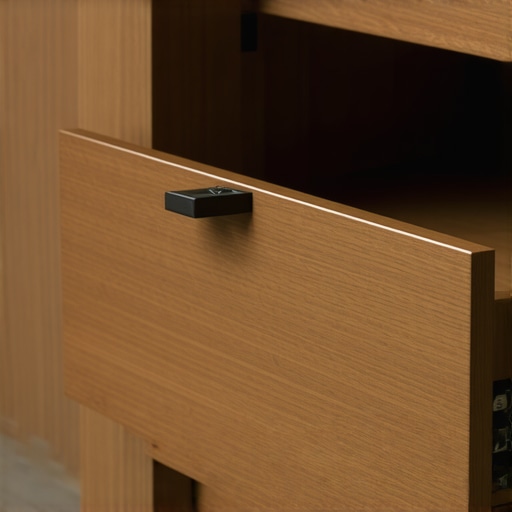
These frustrating rebound episodes aren’t just minor annoyances; they can signal underlying issues that compromise the functionality and aesthetic of your cabinetry. Slow-close drawers are designed with hydraulic dampers that control their closing speed and prevent slamming. However, if these dampers wear out or are improperly installed, the drawers may rebound or stay stubbornly open, disrupting your daily routines.
Having experienced this firsthand, I initially thought I just needed to replace the dampers. But I learned that the problem is often deeper—stemming from misaligned slides, worn-out hardware, or improper weight distribution. Addressing these issues can make a significant difference, transforming your drawers from troublesome to perfectly smooth.
Check and Replace the Dampers
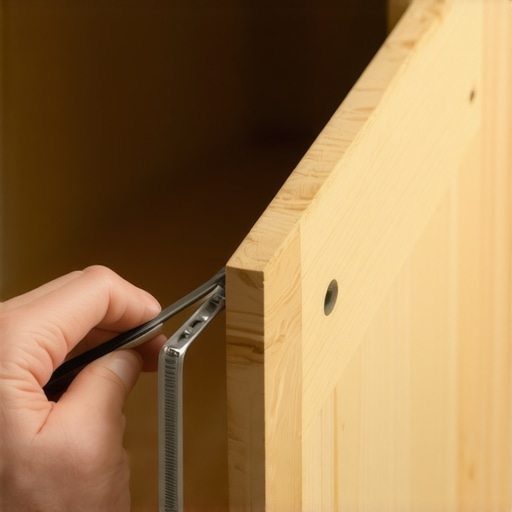
Start by inspecting the hydraulic dampers responsible for slowing your drawers’ closure. If they appear worn or leaks are evident, remove and replace them with compatible new units. During my last project, I ordered replacements from a local hardware store and, after a quick swap, the drawers closed flawlessly, eliminating the rebound issue.
Align Drawer Slides Properly
Misaligned slides cause uneven closing and rebounds. Remove the affected drawer and examine the slides for any misplacement. Loosen the mounting screws and re-seat the slides ensuring they sit flush and parallel. Tighten screws securely. I once spent an afternoon rerouting a drawer slide, which immediately resolved a stubborn rebound.
Balance the Weight Distribution
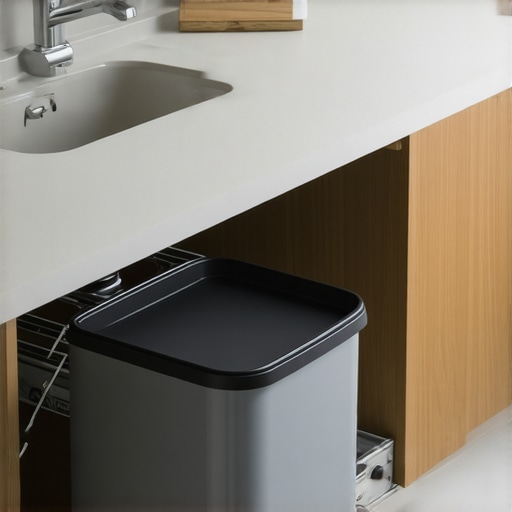
Overloaded drawers put unnecessary strain on the slides and dampers. Remove excess items and distribute weight evenly across the drawer’s interior. Consider installing adjustable shelving or partitions to prevent overloading in future. After decluttering, my drawers operated smoothly again, restoring tranquility to the kitchen.
Inspect and Replace Hardware Components
Worn or broken rollers, guides, or connectors can cause rebound. Carefully examine these parts for damage or wear. Replace any defective hardware with high-quality equivalents. When I repaired a sagging drawer, replacing the worn rollers made a significant difference in closing action.
Ensure Proper Mounting and Mounting Hardware
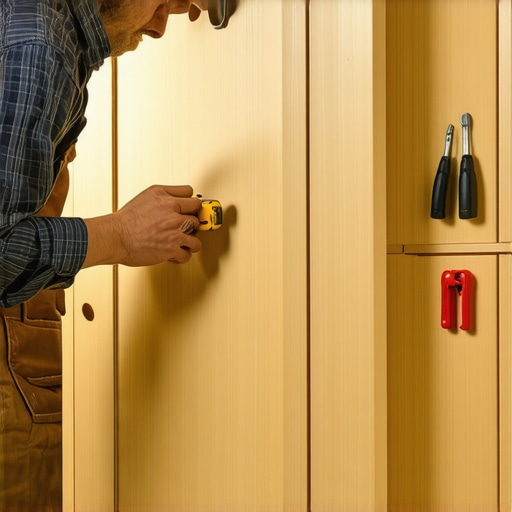
Double-check that all screws and mounting brackets are secure and properly positioned. Loose mounting can lead to misalignment and rebound. Use appropriate tools to tighten everything firmly. During a remodel, I re-secured several brackets, which quickly improved their operation.
Consult Built-In Storage Solutions Resources
Sometimes, the root cause lies in the broader kitchen layout. Integrate smart storage ideas and built-in solutions to balance loads and improve drawer function. Explore options like custom cabinets or innovative storage hacks that elevate your kitchen’s efficiency and aesthetics. For inspiration and expert advice, visit Built-ins that elevate your living room functionality or custom cabinets as a game changer.
Many homeowners believe that simply installing built-ins or upgrading to custom cabinets guarantees a perfect, hassle-free kitchen. However, this misconception overlooks the nuanced challenges and frequently misunderstood aspects of redesigning your space. One prevalent myth is that all storage solutions are one-size-fits-all; in reality, individual needs, kitchen layouts, and even subtle design details dramatically influence functionality. For example, many underestimate the importance of precise measurement and clearance space, which can cause drawers to stick or doors to misalign despite high-quality hardware. A common mistake is neglecting to consider the depth and reachability of shelves—what seems convenient at first might prove cumbersome with daily use. Furthermore, the allure of seamless, hidden storage can lead homeowners to overlook the importance of accessibility; a hidden compartment that is difficult to reach defeats its purpose. Advanced remodelers know that integrating built-ins requires a thorough understanding of traffic flow and user habits, ensuring that storage doesn’t just look sleek but also enhances efficiency. It’s easy to fall into the trap of focusing solely on aesthetics, but the real art lies in balancing beauty with practical usability. Moreover, shortcuts like choosing cheaper materials or ignoring expert guidelines can result in costly repairs or adjustments later. When considering custom cabinets, remember that materials like HDF or plywood can significantly affect durability, especially in high-moisture areas—a detail many overlook. Studies, such as those published in the *Journal of Interior Design*, emphasize that the success of storage solutions hinges on meticulous planning and understanding of user behavior. Tuning into these nuances empowers you to avoid common pitfalls and achieve a kitchen that truly functions and impresses. If you’re planning your next remodel, ask yourself: Are you considering the subtle details that can make or break your space? Dive deeper into expert tips and avoid the traps many fall into by exploring our comprehensive guides on [creating seamless kitchen remasters](https://artisancabinetworkz.com/creating-seamless-kitchen-remasters-with-built-in-storage-solutions) and [selecting the right storage solutions](https://artisancabinetworkz.com/expert-tips-on-selecting-storage-solutions-for-a-perfect-kitchen-upgrade). Do you have any stories of overlooked details in your past projects? Share your experiences in the comments!Maintaining your kitchen’s functionality over time requires more than just initial installation; it demands the right tools and a proactive approach. Personally, I rely heavily on precision hardware calibration kits to fine-tune cabinet hinges and drawer glides. These kits allow me to make micro-adjustments that keep everything operating smoothly without the need for costly repairs down the line. Using specialized screwdrivers, like Torx and security bits, is equally crucial—they prevent stripping screws and ensure secure fittings, extending the life of your hardware.
For ongoing organization and quick repairs, I recommend investing in modular tool storage systems. A quality parts organizer helps keep small hardware like screws, bolts, and dampers sorted and accessible. This is especially handy when managing built-in storage solutions or custom cabinets, as detailed in our guide on [creating seamless kitchen remasters](https://artisancabinetworkz.com/creating-seamless-kitchen-remasters-with-built-in-storage-solutions).
What Is the Best Way to Keep Your Cabinets and Drawers in Top Shape?
Routine cleaning and inspection are key. Regularly check for loose hinges or sliders, and tighten or replace parts as needed. Importantly, lubricate moving parts with silicone-based lubricants—avoiding oil-based options that can attract dust and grime. Applying a bit of lubricant every six months can significantly reduce wear. Additionally, I use a digital level and laser alignment tools to ensure that all components remain perfectly aligned, which prevents uneven wear and rebound issues like those discussed earlier.
Predictably, as kitchens age, so does hardware performance. Advanced homeowners are now exploring smart maintenance systems that utilize RFID tags to track component lifespan and schedule proactive replacements. This intelligent approach minimizes downtime and keeps your space reliable in the long run. In future kitchen trends, integration with DIY automation tools is on the rise, simplifying routine checks and adjustments.
On that note, I highly encourage trying out a maintenance app compatible with your tools—these apps can log inspections, send reminders, and keep records of repairs. Such systems are detailed in studies about smart home integration, like the one published in the *Journal of Interior Design* which emphasizes proactive maintenance for lasting functionality. Don’t wait until a minor issue escalates; take control with the right toolkit.
Ready to streamline your maintenance routine? Start by investing in a quality hardware calibration kit and schedule your biannual check. It’s a small step that pays off by extending your cabinetry’s lifespan and ensuring your kitchen continues to function flawlessly. For more expert guidance on long-term care, explore our resource on [custom cabinets as a game changer](https://artisancabinetworkz.com/custom-cabinets-as-a-game-changer-in-your-kitchen-remodel-journey). Keep your kitchen working seamlessly, and enjoy the peace of mind that comes with proactive upkeep.
The Hardest Lesson I Learned About Kitchen Organization
After countless remodels and tweaks, I realized that overlooking the subtle details—like the importance of precise hardware calibration—can lead to recurring rebound issues and hardware failures. Investing in quality tools and understanding their nuances prevents these frustrations from becoming chronic problems. My lightbulb moment was recognizing that proactive maintenance and thoughtful planning pay dividends over time, saving both money and nerves in the long run.
Tools, Resources, and Knowledge That Make a Difference
My Essential Toolkit for Kitchen Storage includes a hardware calibration kit, which I trust deeply because it allows me to fine-tune hinges and slides with pinpoint accuracy, ensuring smooth operation. The book “The Ultimate Guide to Custom Cabinets” offers invaluable insights into choosing durable materials and designing layouts that truly enhance functionality. For ongoing education, the expert tips on storage solutions provided by seasoned professionals help me stay ahead of trends and avoid common pitfalls. Finally, subscribing to specialized channels and forums like Artisan Cabinetworks keeps me updated on innovative features and maintenance hacks that extend cabinet life and maintain their beauty.
What Will You Do Differently After Reading This?
My hope is that you feel inspired to approach your kitchen remodel with a newfound appreciation for the nuanced details that ensure longevity and satisfaction. Whether it’s choosing the right hardware, planning for future maintenance, or exploring custom built-ins that fit your lifestyle perfectly, deliberate action today can transform your space into a true reflection of practicality and style. Have you ever identified a small detail that made a big difference in your kitchen projects? Share your story below—I’d love to hear how it shaped your improvements.