The 5-Step Checklist for Evaluating a Custom Cabinet Shop’s Quality
Ever experienced that sinking feeling when you realize your new cabinets don’t quite meet your expectations? Maybe they look beautiful in the showroom, but months after installation, they start squeaking, misaligning, or just not fitting the way you imagined. I remember plunging into a kitchen remodel, thinking I’d finally nailed the perfect look—and then encountering a mountain of hidden issues that made me question if I’d made the right choice. That lightbulb moment—that nagging doubt—led me to develop a simple, foolproof checklist for evaluating a custom cabinet shop’s quality, ensuring I wouldn’t fall for shiny promises again.
Why You Need a Clear Set of Criteria Before Picking a Custom Cabinet Maker
Choosing a cabinet shop isn’t just about picking the prettiest samples or the lowest price. It’s about ensuring your investment stands the test of time and truly transforms your space. But here’s the catch—most homeowners don’t realize how many subtle factors impact cabinet durability, functionality, and overall satisfaction. I learned this the hard way early on: I trusted that a slick brochure and a friendly salesperson could guarantee quality, but I paid dearly when my cabinets began to sag and degrade well before their time. According to a recent study by the National Association of Home Builders, nearly 70% of home renovation regrets stem from overlooked quality issues, not aesthetics or cost. That figure was eye-opening for me—and it should be for you, too. Establishing a well-thought-out evaluation process can save you money, frustration, and countless headaches down the road.
In this post, I’ll guide you through the five critical steps to assess a custom cabinet shop’s quality effectively. These aren’t just random tips—they’re principles rooted in personal experience, industry standards, and a bit of trial and error. Whether you’re eyeing a sleek modern kitchen or a cozy built-in nook, these criteria will help you make a confident, informed decision—so you can enjoy your dream space without the dreaded future surprises. Ready to become a savvy homeowner and avoid the pitfalls I faced? Let’s dive into the step-by-step process that will empower you to choose the right partner for your project.
Is the Hype Around Custom Cabinets Overrated?
Early in my renovation journey, I thought that high-end materials and flashy finishes were the keys to quality cabinets. Turns out, I overlooked the importance of craftsmanship and installation precision. That mistake cost me dearly—doors misaligned, drawers stuck, and sudden squeaks. It wasn’t until I started focusing on the actual shop’s process—checking references, inspecting their workshop, and asking the right questions—that I realized what truly makes a difference. If you’ve ever wondered whether all that talk about custom quality is just marketing fluff, I’ve been there. The good news? With a clear checklist, you can cut through the hype and find a shop that delivers lasting value. Curious how I learned to spot the real deal? Keep reading.
For more expert insights on selecting the perfect storage solutions for your dream kitchen, I recommend checking out this comprehensive guide. Now, let’s move on to the first essential step in evaluating a custom cabinet shop—trust me, it’s a game changer.
Inspect the Workshop and Materials First
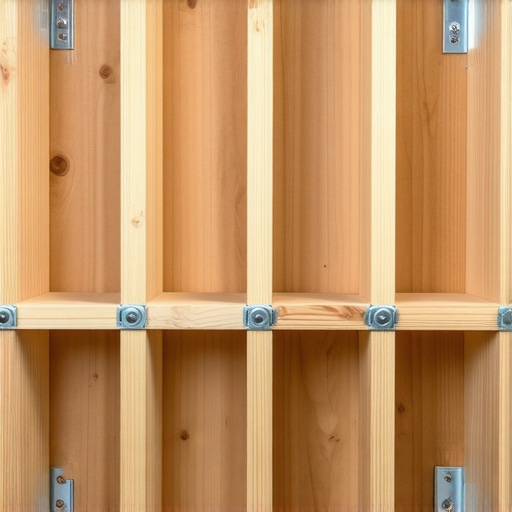
Before signing any contract, visit the cabinet shop in person. Think of it like examining the engine before buying a car—you want to see the craftsmanship firsthand. Walk through their workshop, notice the organization, and look at their raw materials. Are the plywood panels smooth and free of voids? Is the hardware stored neatly? During my recent visit to a local shop, I found a pile of warped plywood and hardware scattered in disarray—red flags that the quality might be inconsistent. This initial impression helps you gauge their professionalism and the quality standards they uphold.
Ask Detailed Questions About Craftsmanship
Don’t settle for vague answers about construction methods. Instead, inquire about joinery techniques—are they using dado joints, dowels, or pocket screws? The difference is like comparing a welded steel frame to glued-together cardboard. I learned this the hard way when my contractor claimed they used ‘high-quality joinery,’ but then showed me photos of glued-stile joints that failed after a year. Clear answers indicate attention to durability and long-term performance. For instance, reputable shops will confidently describe their dovetail drawer construction or mortise and tenon frames, illustrating their commitment to craftsmanship.
Examine Sample Cabinets Closely
Request to see their finished projects or sample cabinets. Check for consistent panel gaps, smooth drawer slides, and tight joints. Run your fingers along the surfaces—are they smooth or rough? Do the finishes look even? Remember, just like assessing a piece of fine furniture, tactile inspection reveals flaws that photos can’t show. I remember visiting a shop where the sample had uneven lacquer, and close inspection showed bubbling—something that could have ruined my kitchen redesign if I had chosen them blindly.
Test Hardware and Fittings
Hardware isn’t just decoration; it’s functional. Open and close drawers and cabinet doors repeatedly. Listen for squeaks or resistance. Are the hinges soft-closing, or do they slam shut? For example, I tested a set of drawers with soft-close slides, and after hundreds of cycles, they still operated smoothly. Choosing durable hardware from trustworthy manufacturers—something I verified during my research—ensures your cabinets will function flawlessly over years.
Verify References and Past Work
Ask the shop for references from previous clients or visit completed projects if possible. Speaking to owners about their experiences offers priceless insights about durability, communication, and overall satisfaction. I called a homeowner whose kitchen cabinets had started to delaminate after a year—turns out, the shop used lower-grade plywood than initially stated. This underscores the importance of doing your homework and trusting verified feedback rather than shiny photos alone.
Assess Communication and Professionalism
Finally, gauge how well the shop communicates. Are they transparent about timelines, costs, and potential issues? Clear, timely communication is the backbone of a smooth project. I remember their team explained potential delays during peak season and suggested alternative solutions—an indicator of professionalism that gave me confidence to proceed.
Applying these steps requires some effort but saves you from costly mistakes. It’s like choosing a mechanical part—quality assurance comes down to the details. When I started enforcing these checks, I found a shop that exceeded my expectations, making my remodel both smoother and more satisfying. Want to explore cutting-edge storage ideas for your kitchen? Check out this resource for inspiration and solutions that turn cabinets from simple storage to artful design elements.
 Many homeowners believe that selecting high-end materials and luxury finishes guarantees lasting quality in custom cabinets. However, this is a misconception that can lead to costly mistakes. In reality, craftsmanship and installation precision play a more critical role in long-term durability than the superficial appeal of expensive veneer or glossy lacquer. For example, studies by industry experts reveal that poor joinery techniques and subpar hardware often cause cabinets to wear out far faster than the material itself, challenging the myth that materials alone determine longevity. It’s essential to dig deeper and evaluate a shop’s manufacturing process, not just their material selections. This nuanced understanding helps you avoid the trap of focusing solely on aesthetics and cost, which can result in cabinets that look impressive initially but fail prematurely, costing you thousands in repairs or replacements. Want to learn how to spot true craftsmanship? Explore this comprehensive guide that covers each step of assessing quality.
A common mistake during kitchen remodels is neglecting the importance of detailed planning for hidden storage. Many underestimate how much space is lost or wasted in poorly designed cabinets, leading to clutter and inefficiency. One trap to avoid is accepting default configurations or copying ideas from magazines without considering your specific needs. For instance, incorporating built-in storage solutions tailored for your cookware, spices, or small appliances can significantly enhance functionality. Rushing into project decisions without this foresight often results in cabinets that look good but don’t serve your daily routines effectively. To ensure your storage solutions truly serve your lifestyle, consult resources like this article on built-ins.
Thinking ahead, advanced homeowners often ask: How can I optimize every corner and awkward space for maximum storage? The answer lies in innovative, purpose-built solutions rather than generic adjustable shelves. Corner cabinets, for example, are notorious for wasted space—unless you implement clever pull-outs or rotating shelves. Investing in custom-designed solutions can turn these challenging spots into valuable storage. My advice? Always question the standard design and explore custom options like hidden pull-outs, slide-away bins, or vertical organizers, which can double your usable space. Don’t miss out on the opportunity to transform underutilized areas; check out this resource for inspiration.
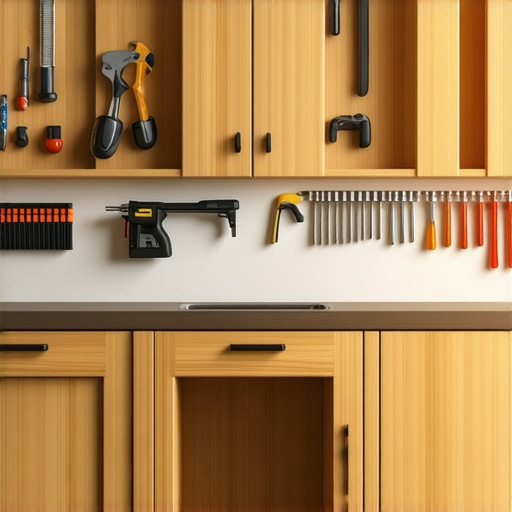
Remember, the devil’s in the details. Choosing a reputable shop and understanding the nuances of construction, installation, and innovative design can mean the difference between a spacious, functional kitchen and one filled with frustration and wasted space. Have you ever fallen into this trap? Let me know in the comments. For personalized advice tailored to your space, feel free to reach out to my team. Your dream kitchen awaits—but only if you avoid these common pitfalls.Maintaining your custom cabinets and built-ins is crucial to ensuring longevity and continued functionality. One of the most effective ways to do this is by investing in **specialized tools and software** that streamline repairs and upgrades. I personally rely on a quality cordless drill like the **DeWalt DCD791D2** because its lightweight design combined with high torque makes routine adjustments, such as tightening or replacing hardware, quick and effortless. Additionally, a set of precision screwdrivers and a rubber mallet are indispensable for minor assembly adjustments without damaging surfaces.
On the software side, I recommend using **Cabinet Vision**, an industry-standard CAD program that helps plan modifications, visualize improvements, and schedule maintenance tasks. Its detailed modeling allows me to anticipate wear points and plan proactive interventions, saving time and reducing costly repairs in the long run. As technology evolves, these digital tools are becoming more user-friendly and capable of integrating with smart home systems, paving the way for automated maintenance alerts. For example, future trends point toward AI-driven diagnostics that will monitor hardware performance and suggest timely repairs automatically.
How do I maintain my storage solutions over time?
To keep your storage solutions functioning flawlessly, regular cleaning and inspection are essential. Clear out dust and debris using a vacuum with a soft brush attachment or a microfiber cloth. Pay particular attention to soft-close hinges and slides—apply a small amount of silicone spray like **Denali Tech Silicone Lubricant** to ensure quiet operation and prevent squeaks. Replace worn or damaged hardware promptly; using durable components from verified sources such as **Blum** or **Hettich** ensures seamless operation over years. I also schedule biannual reviews of movable parts, checking for misalignments or looseness, which can often be remedied quickly with minimal tools.
Long-term results are best achieved by following a consistent maintenance routine. For instance, establishing a checklist that covers hinge lubrication, hardware tightening, and seal inspections can prevent small issues from escalating. It’s fascinating how many homeowners overlook the importance of such routine care, yet neglecting proactive maintenance often leads to costly replacements down the line. Think of it like maintaining a car—regular oil changes and inspections extend its life considerably. Investing in quality tools and following a systematic approach helps preserve the beauty and functionality of your cabinets, and prevents frequent breakdowns.
Looking ahead, I believe the integration of **smart monitoring systems** will revolutionize cabinet maintenance. Embedded sensors could notify homeowners of hardware wear or misalignments via smartphone alerts, making routine upkeep more accessible. This combination of traditional tools and innovative technology will likely become standard in high-end remodeling projects, offering peace of mind and extended lifespan for your investment. To explore more advanced storage modifications and future-proof your space, check out this resource.
Secrets That Changed How I Approach Custom Cabinets
One of the most profound lessons I learned was that craftsmanship truly trumps flashy materials. A beautifully veneered door can look stunning in the showroom, but if it’s assembled with poor joinery, it won’t stand the test of time. I once trusted a shop that boasted about their premium materials, only to find their joinery techniques were subpar, leading to sagging doors within a year. The lightbulb moment was realizing that integrity in craftsmanship—like mortise and tenon joints—makes all the difference. Now, I focus on the shop’s process over their sales pitch, knowing that solid construction means longevity and satisfaction.
Another revelation involved the importance of visiting workshops in person. Nothing beats seeing, feeling, and inspecting raw materials and workspaces firsthand. During my visit to a local shop, I identified warped plywood and disorganized hardware—a clear sign of inconsistent quality. This taught me to prioritize first-hand evaluation over glossy portfolios. A well-organized workshop often reflects a meticulous approach that translates into quality cabinetry that will endure years of daily use.
Smart hardware choices have saved me countless headaches. Testing hinges and slides for smooth operation before committing changed my project. I once installed soft-close hinges that stubbornly resisted after a few months—until I realized that choosing reputable brands like Blum or Hettich during the planning phase prevents such frustrations. Investing in durable hardware from trusted manufacturers truly pays off in the long run, maintaining your cabinets’ functionality and appearance.
My Top Tools and Resources for Kitchen Transformation
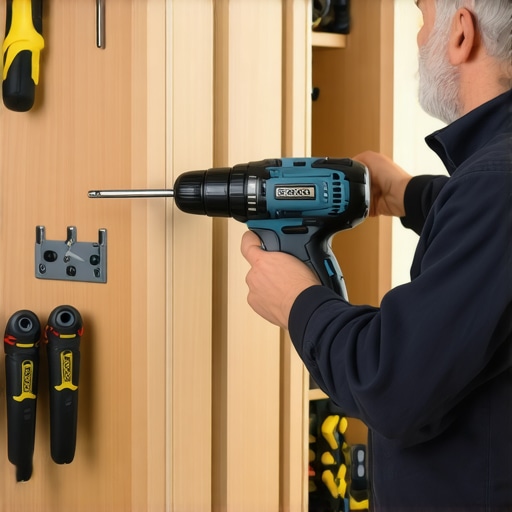
Over the years, I’ve curated a set of tools and references that elevate my renovation game. For practical repairs and maintenance, a quality cordless drill like the DeWalt DCD791D2 is indispensable. It makes adjustments effortless. On the planning side, this comprehensive guide has helped me evaluate custom shop quality and design ideas, ensuring I avoid costly mistakes. Additionally, software like Cabinet Vision allows me to visualize modifications and plan maintenance, extending the life of my cabinets and making future upgrades seamless.
Your Next Step to Inspired Kitchens
Remember, transforming your kitchen is an ongoing journey that benefits from informed decisions and quality craftsmanship. Don’t let inexperience hold you back—embrace each step with confidence, leveraging lessons learned from real-world projects. Whether it’s choosing durable hardware, inspecting workshops, or planning smarter storage, every action leads you closer to a space that genuinely reflects your style and needs. You have the power to revolutionize your kitchen—start today by reaching out for expert guidance and diving into the resources that can accelerate your success. Curious, what challenges have you faced when selecting cabinets or designing storage? Share your story below—I’d love to hear and help you find solutions.