Why Your Spice Rack Belongs in a Base Drawer, Not an Upper Cabinet
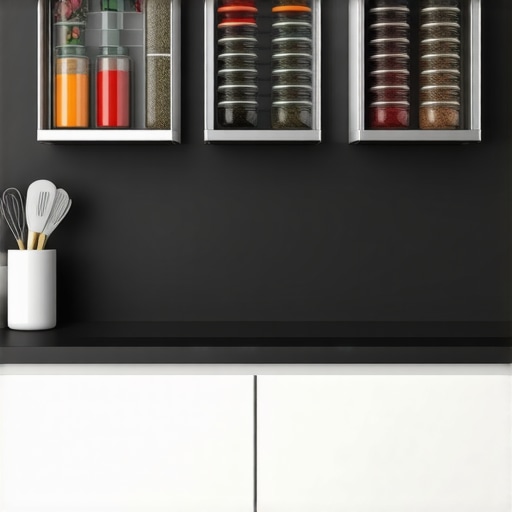
I vividly recall the moment I realized that my meticulously organized spice collection was causing more clutter than convenience. I stood in my kitchen, trying to find that elusive cumin jar amidst a jumble of bottles teetering on a crowded shelf. Frustration bubbled up—I was wasting precious time searching instead of cooking. That lightbulb moment prompted me to rethink my storage solutions and question the conventional wisdom of where spices should live.
Streamlining Your Kitchen Isn’t Just About Aesthetics
For years, I believed that keeping spices in upper cabinets kept my countertops clean and my kitchen looking tidy. But as I accumulated more jars and bottles, I noticed a pattern: reaching for spices became a daily chore. I was bending, stretching, and juggling jars to pinpoint the right flavor. It was inefficient and frankly, a bit exhausting. The breakthrough? Moving my spice rack to a dedicated drawer in my base cabinet. This simple change transformed my culinary prep process, saving me time and reducing kitchen frustration.
The promise of today’s post is to show you how relocating your spice rack to a base drawer can revolutionize your kitchen organization. I’ll share personal tips, common mistakes to avoid, and layout ideas to make this switch seamless. Trust me—this isn’t just about tidiness; it’s about creating a space that works for your daily life.
Is Your Kitchen Storage Actually Working for You?
One mistake I made early on was underestimating the importance of accessibility. I assumed that any storage solution would do, but it wasn’t until I experienced the inconvenience firsthand that I understood the value of ergonomic placement. Think about your current setup—are your spices easy to reach without crouching or stretching? If not, you’re missing out on a quick win for kitchen efficiency.
If you’ve ever found yourself rummaging through upper cabinets or knocking over spice jars in the process, you’re not alone. The good news is that implementing a drawer-based spice storage system can make a significant difference. Want to learn how? Keep reading, and I’ll guide you through the practical steps and design ideas that can turn your kitchen into an organized haven. And if you’re considering a remodel, exploring innovative storage solutions like those featured in modern kitchen upgrades can set the stage for lasting organization and style.
Measure Precisely to Fit Your Space
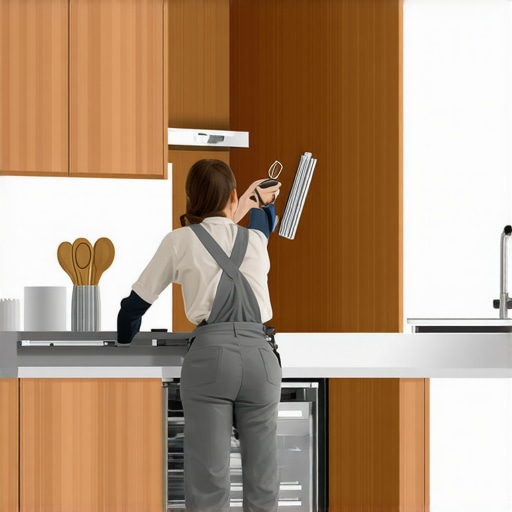
Start by measuring your available drawer space with a tape measure, noting the height, width, and depth. For example, I once measured my narrow kitchen drawer and realized I had only 12 inches in width, which meant I couldn’t fit bulky spice jars side by side. To avoid fitting issues, double-check all measurements and consider any obstructions like plumbing or electrical wires. Use a laser measure for precision and sketch your measurements on graph paper or a digital tool.
Design for Accessibility and Efficiency
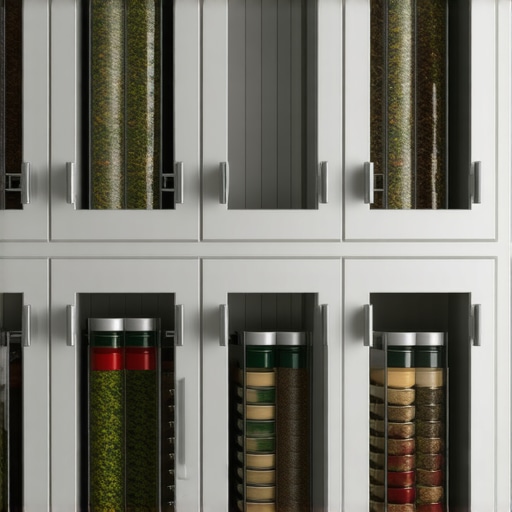
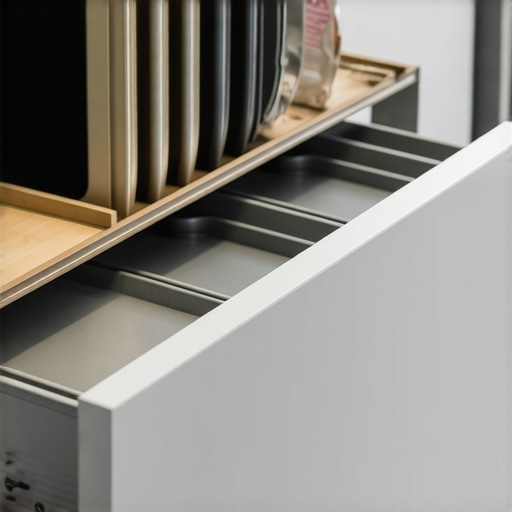
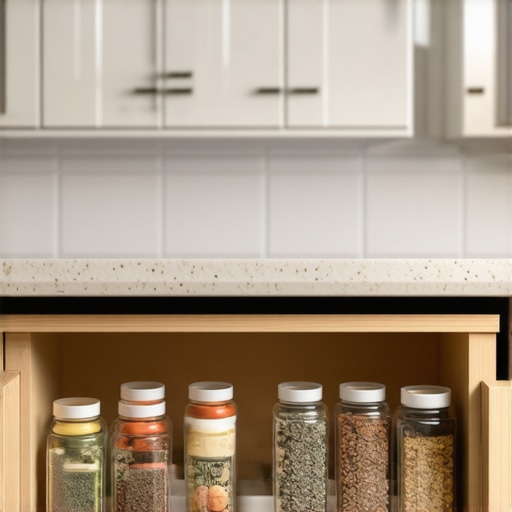
Visualize how you’ll access your spices daily. I decided to install a shallow, divided drawer specifically for spices, making each jar visible and reachable without bending down or stretching. Think of your drawer as a well-organized toolbox—use adjustable dividers or custom inserts to keep things tidy. For inspiration, explore custom cabinet ideas that emphasize accessibility and style.
Create a Custom Insert or Use Modular Dividers
Craft or purchase a custom insert that fits your measurements. I used plywood to make a grid of compartments, each just slightly larger than a spice jar. This prevents shifting and makes it easy to see every container at a glance. Alternatively, modular dividers can be inserted into existing drawers. Carefully measure the interior dimensions, then cut materials to size. This step is crucial to prevent wasted space and wobbling jars. For high-quality hardware, consider hardware tips that support smooth operation.
Install the Drawer System Correctly
Mount your drawer slides on the sides or bottom of the drawer, following manufacturer specifications. Use a level to ensure the slides are perfectly aligned; even a 1/8-inch misalignment can cause sticking or uneven closing. I once installed slides without checking level, which resulted in drawers that wouldn’t close smoothly. To avoid this, perform test runs after mounting and adjust as needed. Modern soft-close slides also prevent slamming and reduce wear over time. For more on upgrading hardware, visit soft-close techniques.
Optimize for Future Needs
Plan your layout to accommodate future additions—leave some space for new jars or other small kitchen items. I left a few open compartments for herbs and specialty spices I purchase occasionally. Label each section clearly using a label maker or small tags, ensuring you can find what you need instantly. This organized approach turns your drawer into a dedicated spice station, streamlining your cooking process and reducing clutter. For additional ideas, see smart storage solutions for tight spaces.Many homeowners assume that opting for custom cabinets or built-ins automatically guarantees a perfect, low-maintenance kitchen. However, there’s a trap lurking beneath the surface: misunderstandings about durability, design flexibility, and long-term functionality can undermine these investments. For instance, one frequent misconception is that all custom cabinetry is inherently superior—yet, without careful material selection and craftsmanship, even high-end custom pieces can suffer from warping or premature wear. This is why collaborating with experienced craftsmen and understanding the nuances, such as the difference between face-frame and frameless designs, is vital.
A common mistake is neglecting future needs during planning. Overlooking flexibility for upgrades or modifications can lead to costly rework later. For example, some homeowners don’t realize that modular dividers or adjustable shelving systems can vastly improve usability over time. Explore innovative storage ideas that adapt as your needs evolve.
What advanced considerations should you keep in mind when designing built-ins for a high-traffic kitchen? One key aspect is ensuring accessibility—installing hardware and pull-outs at ergonomic heights can prevent strain and enhance efficiency. Additionally, attention to the materials used in environments prone to moisture or heat, like near dishwashers or ovens, can extend the life of your cabinetry. Experts recommend selecting finishes that resist heat and humidity, such as certain durable veneer or laminate options. For deeper insights, review face-frame vs. frameless durability guides.
Beware of the ‘one-size-fits-all’ mentality. Each kitchen has unique spatial constraints and stylistic goals, so a tailored approach is essential. Blindly copying modern trends without assessing your space can lead to clutter or impractical layouts. Instead, focus on personalized solutions like custom inserts or space-maximizing designs. For inspiration, check out custom cabinets’ transformative potential.
Remember, hidden costs and design pitfalls often stem from overlooking structural details. For instance, improperly supported heavy upper cabinets can pose safety risks and lead to costly repairs. Reinforcing wall attachments with proper hardware and supports is crucial—don’t compromise on quality here. To learn more, see hardware considerations for longevity.
In essence, achieving a seamless, functional kitchen with custom cabinetry involves more than just aesthetic choices. It requires a nuanced understanding of materials, future flexibility, structural support, and integrated storage solutions. Have you ever fallen into this trap? Let me know in the comments.Maintaining your custom cabinetry and storage systems is crucial to preserving their functionality and beauty over time. I rely on a combination of high-quality tools and proven methods to ensure my kitchen remains both stylish and efficient. A primary tool I recommend is a digital moisture meter, such as the Protimeter Surveymaster, which helps monitor humidity levels—preventing warping and swelling, especially in areas prone to high moisture. Regularly inspecting hinges and slides with a torque screwdriver, like the Wiha Precision, allows me to tighten hardware before loose components cause larger issues. Additionally, investing in a good set of microfiber cloths and non-abrasive cleaners ensures I keep surfaces clean without scratching or dulling finishes, particularly on matte or soft-close surfaces. For deeper cleaning, I use environmentally friendly, solvent-based degreasers, which effectively remove grease buildup from cabinet tops and handles without damaging the finish.
To stay ahead of wear and tear, I schedule quarterly inspections. During these checkups, I examine all hardware for signs of loosening, lubricate slides with silicone-based lubricants, and verify alignments. This proactive approach prevents minor issues from escalating and keeps the cabinetry functioning smoothly for years.
Looking ahead, I predict that automation and smart maintenance will become more integrated into kitchen management. IoT-enabled sensors could alert homeowners to humidity spikes, pests, or hardware malfunctions, enabling preemptive actions and reducing costly repairs.
How do I maintain my custom cabinets and storage systems over time?
One effective method is implementing a routine cleaning schedule with tools tailored for your cabinet finishes and hardware. For example, using a soft, lint-free cloth combined with a specialized wood conditioner helps maintain luster and prevent drying or cracking. Regularly inspecting hinges and slides with precise screwdrivers allows me to tighten components before problems develop. Additionally, in high-use areas, applying a thin layer of silicone lubricant to glides and hinges ensures smooth operation and minimizes squeaks. Remember, avoiding harsh chemical cleaners preserves the integrity of your finish—stick to pH-balanced solutions or natural alternatives like vinegar and water. Also, consider setting up a maintenance checklist to track your inspections and quick fixes, ensuring your kitchen remains both beautiful and functional.
For those planning long-term upgrades, integrating smart sensors that monitor environmental conditions can vastly improve maintenance routines. This technology can warn you about humidity levels that threaten wood integrity or alert you to leaks that could damage cabinetry. As the trend moves toward smarter homes, embracing these tools will help you extend the lifespan of your investment.
Lastly, pay attention to the details: replacing worn hardware with high-quality, durable options like those in expert hardware tips can save you time and money. So, my challenge to you is to pick one maintenance tip from this guide—whether it’s checking hinges or cleaning surfaces—and commit to implementing it this week. Staying proactive now will pay dividends in the long run, keeping your custom storage solutions working flawlessly for years to come.
What I Wish I Knew Before Diving Into Built-ins
The biggest lesson I learned is that planning for flexibility is crucial. I once designed a custom spice drawer without considering future needs, only to find myself limited when I wanted to add new jars. It’s better to design with adjustable dividers or extra space—trust me, future you will thank present you for this foresight.
Another insight is that aesthetics shouldn’t come at the expense of functionality. I once chose beautiful, shallow drawers that looked great but made accessing items cumbersome. Balance style and practicality by focusing on ergonomic placement and ease of access from the start.
Lastly, I discovered that collaboration with experienced craftsmen elevates your project. DIY might seem tempting, but expert input ensures durable, well-crafted built-ins that truly stand the test of time. Don’t settle for shortcuts when investing in your home’s core features.
Tools and Resources That Elevated My Remodel
My numero uno resource was innovative storage ideas. They provided practical inspiration for optimizing every nook. I also rely heavily on the guides from custom cabinets inspiration; understanding design nuances helped me communicate better with my cabinet maker. For hardware, I trust products from hardware specialists. These tools and sources made a tangible difference in my final outcome.
Your Next Step in Creating a Dream Kitchen Remember, transforming your kitchen with custom cabinetry and smart storage isn’t just about looks; it’s about crafting a space that adapts to your needs and elevates daily life. Now’s the time to take bold steps—measure carefully, select quality materials, and collaborate with skilled artisans. Your dream kitchen awaits—start making it a reality today!
What’s the one custom storage solution you’re excited to try? Let me know below and let’s keep the conversation moving.