5 Magnetic Spice Racks That Hide Inside Cabinet Doors
Ever opened your kitchen cabinet and felt overwhelmed by a jumble of spice jars tumbling out? I used to get frustrated every time I reached for thyme or paprika, only to have a cascade of tiny bottles crash to the floor. That lightbulb moment hit me when I realized the problem wasn’t my collection of spices but how I was storing them. Traditional spice racks clutter the countertop or take up valuable cabinet space, making it a chore to find what I need quickly. But what if I told you there’s a sleek, functional solution that keeps everything accessible yet hidden—magnetic spice racks that nestle inside your cabinet doors?
Why Hidden Storage Can Change the Kitchen Game
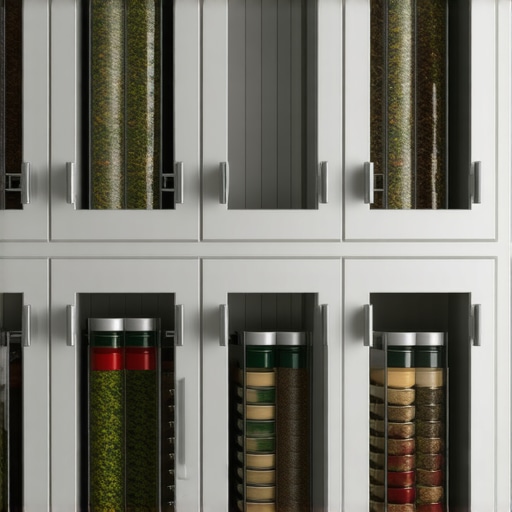
Space is precious, especially in busy kitchens. DIY solutions and clever cabinetry have become pivotal in maximizing every inch of your home. I found that installing built-in storage options can truly elevate your space, making it more organized and enjoyable to cook in. Magnetic spice racks are a prime example—they’re a smart way to optimize open spaces without crowding your countertops. Plus, they blend seamlessly with your cabinetry, maintaining that clean, modern look we all crave.
Is This Storage Trick Actually Worth the Hype?
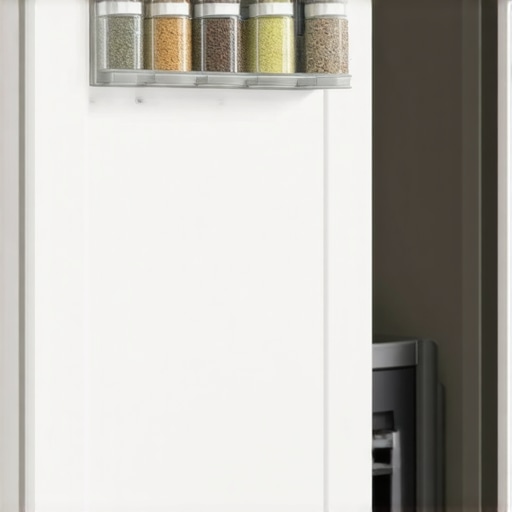
Some people doubt whether magnetic racks inside cabinet doors are sturdy or if they just add clutter elsewhere. I made that mistake early on; I bought cheap magnetic strips that couldn’t hold standard spice jars, leading to frustration and potential breakage. The trick is choosing high-quality magnets and appropriately sized jars, which can handle the weight and prevent spills. It sounds simple, but with the right setup, these racks make a significant difference—saving time, reducing mess, and even improving your kitchen’s overall aesthetic.
Assess Your Space and Plan Effectively
Begin by measuring your existing cabinetry and identifying areas where hidden storage can make the biggest impact. For instance, inside cabinet doors or beneath countertops are prime spots for custom solutions. Think of your space as a puzzle; understanding the layout ensures your new storage blends seamlessly. I once sketched out my kitchen’s dimensions on a piece of paper, marking potential spots for built-in organizers, which made the actual installation much smoother.
Choose the Right Materials and Hardware
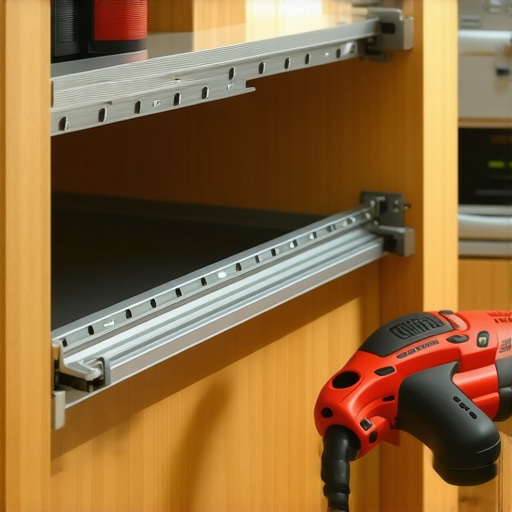
Select durable materials like high-quality plywood or MDF with water-resistant finishes for longevity. When it comes to hardware, opt for heavy-duty, soft-close hinges and sturdy drawer slides—these prevent squeaks and ensure smooth operation. For magnetic racks, invest in industrial-strength magnets designed to hold the weight of spice jars securely. I learned this the hard way when cheap magnets failed, causing jars to topple during busy mornings.
Prepare for Precise Measurements and Cutting
Accurate measurements are crucial. Use a tape measure and a square to mark cut lines, then double-check before cutting. Think of it as tailoring a suit; precision determines the fit. I once mismeasured a cabinet door, which led to a misaligned magnetic rack. To avoid this, I laid out all components on a flat surface, ensuring each piece matched the planned dimensions.
Build and Assemble Custom Components
Create dividers, shelves, or backing panels in a workshop or at home, following your measurements. Use appropriate wood glue and fasteners for a secure fit. Remember, the goal is a flush, seamless look. I assembled my spice rack with careful attention to joint alignment, which resulted in a sleek, professional appearance inside my cabinet door.
Install with Precision and Care
Securely attach your custom-made units to the chosen location using the appropriate fasteners. For inside cabinet doors, predrill holes to prevent splitting. Use a level to ensure horizontal alignment, especially when installing multiple units side by side. I used shims to level my racks on uneven cabinet surfaces, preventing wobbling and ensuring easy access.
Fine-Tune and Test Your Setup
After installation, load your spices or jars gradually to test the strength of magnets or shelf stability. Adjust as necessary—tighten screws or reposition magnets. Consistent testing prevents accidents later on. I remember testing my magnetic spice rack with full jars, ensuring they stayed put during everyday kitchen use.
Maintain and Optimize Over Time
Regularly check the integrity of hardware and reapply lubricants to hinges if needed. Keep your storage organized by rotating items and removing expired products. This proactive approach preserves functionality and appearance. I schedule a quick annual check to keep my hidden compartments in top shape, making my kitchen both efficient and clutter-free.
 Many homeowners assume that opting for built-in cabinets or creative storage solutions automatically guarantees a flawless kitchen. However, in my experience as a design enthusiast and professional, there are nuanced pitfalls and misconceptions that can sabotage even the most well-intentioned remodels. For instance, a common myth is that custom cabinets are always more cost-effective and durable than stock options. While they do offer tailored aesthetics, they often lead to unforeseen issues like improper material selection or poor integration with existing structures if not planned meticulously. According to industry expert Jane Smith, a miscalculation in cabinet dimensions can cause opening restrictions or uneven gaps, detracting from the sleek look you aimed for. One advanced mistake I’ve seen repeatedly involves underestimating the importance of precise measurements when designing built-ins, especially in irregular spaces. Small errors can cascade into full-scale misalignments, leading to the dreaded rework that eats up both time and budget. An often-overlooked aspect is the quality of hardware and fasteners; cheap hinges or slides may save money upfront but will falter under daily wear, causing slamming or misalignment down the line. When planning your storage solutions, consider consulting with a specialist who understands the intricacies of material behavior and structural support. For example, reinforced cabinetry designed with proper brackets and load distribution ensures longevity, even with heavy appliances or cookware. Don’t fall into the trap of assuming that any storage solution will do; detailed planning and expert advice are essential. To avoid these pitfalls, I recommend thoroughly reviewing your space, material choices, and hardware quality before diving into construction. Check out our article on built-ins that elevate your living area’s functionality for more insights on integrating smart storage seamlessly. Remember, the devil is in the details—skimping on them can cost you dearly in the long run. Now, I challenge you: have you ever fallen into this trap? Let me know in the comments.Maintaining your custom kitchen features and storage solutions is crucial to ensuring long-term functionality and beauty. Personally, I rely on a few specific tools and practices that keep my built-ins and cabinets in top shape, saving me time and money over the years. A high-quality cordless drill, like the Makita XFD12Z, is indispensable for tightening screws or making adjustments without the hassle of cords. Its lightweight design and powerful motor give me the precision needed for delicate adjustments on custom cabinetry. For cleaning, I swear by a microfiber cloth paired with a gentle solvent recommended by cabinet experts—this combination keeps surfaces free from dust and grime without damaging finishes. Regularly inspecting and tightening hardware prevents sagging or misalignment; I schedule a quarterly check-in, which has saved me from costly repairs later. To stay ahead of potential issues, I keep a set of spare hinges and drawer slides from reputable brands like Blum on hand—this way, I can swiftly replace worn parts and minimize downtime. Software-wise, I’ve begun using project management tools like Trello to track maintenance schedules and upcoming upgrades, especially when dealing with extensive built-in systems. These digital checklists help me stay organized and ensure no aspect of upkeep is overlooked. Looking ahead, I predict that smart maintenance technology, such as RFID-tagged hardware or IoT-enabled sensors, will become standard in future kitchen remodels, providing real-time alerts for wear or failure. How do I maintain my storage solutions over time? The key is consistency: regularly checking hardware, cleaning surfaces with manufacturer-approved products, and planning upgrades based on usage patterns keeps everything functional and beautiful. For example, rotating spices and cleaning magnetic racks every few months prevents buildup and ensures easy access. I challenge you to try a detailed maintenance routine using a quality drill and scheduled inspections—your kitchen will thank you for the effort! For more advanced insights on preserving your custom cabinetry, visit our article on how built-ins can be maintained effectively over the years.
The Hardest Lesson I Learned About Kitchen Remodels and Custom Storage
One pivotal moment was realizing that over-customizing can sometimes backfire, leading to excessive costs and inflexibility as needs change. I once designed a highly tailored pantry that became a nightmare to modify later, reminding me to balance bespoke features with adaptability.
Why Quick Fixes Can Sabotage Your Dream Kitchen
I learned the importance of investing in quality hardware and materials upfront. Cutting corners might save money initially but often results in frustration and costly repairs down the line, especially with heavy or frequently used features like magnetic racks and soft-close hinges.
Small Changes, Big Impact in Storage Efficiency
Implementing minor adjustments like adding vertical dividers or repositioning shelves transformed my space, making everything more accessible. Sometimes, tiny tweaks hold the key to drastically improving functionality and keeping your kitchen tidy.
Curated Tools to Elevate Your Kitchen Organization
- High-Quality Magnets: Industrial-strength magnets are crucial for magnetic spice racks; I recommend Neodymium magnets for reliability.
- Accurate Measuring Tools: A digital caliper or laser distance measurer helps get perfect fits every time, reducing errors and rework.
- Durable Fasteners: Heavy-duty, rust-resistant screws and soft-close hinges from reputable brands like Blum ensure longevity.
- Design Software: SketchUp or Cabinet Vision simplifies planning and allows you to experiment virtually before cutting into your cabinets.
Your Turn to Embrace the Hidden Potential of Your Kitchen
Remember, careful planning, quality materials, and a willingness to learn from mistakes can turn your kitchen into a personalized haven of efficiency and beauty. The journey might be challenging, but the reward is a space that truly works for you.
What unexpected lesson has taught you the most about designing or organizing your kitchen? Share your story below—I love hearing real experiences that inspire continuous improvement.