Why You Should Never Use Standard MDF in a Master Bathroom Vanities
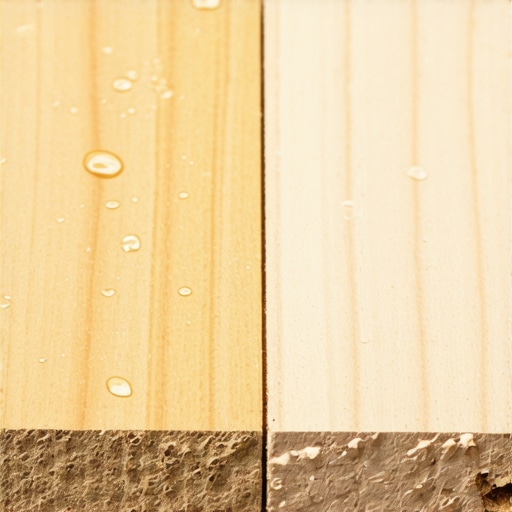
I vividly remember the moment I realized my beautiful custom bathroom vanity was warping and peeling within just a couple of years. It was heartbreaking—this wasn’t supposed to happen with high-end finishes and quality craftsmanship. The culprit? I had gone with standard MDF boards, thinking they’d be a cost-effective choice, but they turned out to be a nightmare in a humid environment like a master bathroom. That lightbulb moment made me question everything I knew about materials used in bathroom cabinetry. \n\nIf you’re planning a bathroom renovation or already in the process, chances are you’re weighing the pros and cons of different materials. Today, I want to share some hard-earned insights about why **standard MDF may not be your best bet** for bathroom vanities, especially in spaces exposed to constant moisture. I’ll also introduce you to durable, moisture-resistant alternatives that can save you both time and headache in the long run. \n\n## Why Bathroom Vanities Need More Than Just Good Looks\nChoosing the right material isn’t just about aesthetics. In a space like a master bathroom, where humidity levels fluctuate and steam is a daily occurrence, your cabinet materials need to be resilient. Standard MDF—medium-density fiberboard—is made from wood fibers bonded with resin, which makes it affordable and easy to work with. But here’s the catch: it’s highly susceptible to water damage. As humidity rises, MDF soaks up moisture, leading to swelling, warping, and eventually, structural failure. I learned this the hard way early on, simply because I didn’t realize that what’s beneath the surface can make or break your project’s longevity. \n\nThe good news? There are smarter choices that mirror the beauty of traditional cabinetry but withstand the challenges of bathroom environments. For more detailed insights on high-quality cabinet materials suited for humid spaces, I recommend checking out [this comprehensive guide on custom cabinets](https://artisancabinetworkz.com/the-ultimate-guide-to-custom-cabinets-for-a-stylish-kitchen-overhaul). Now, let’s address your biggest fears: Is investing in these alternative materials really worth it? Or is it just more money for peace of mind? Read on. \n\n### Is Using Moisture-Resistant MDF or Plywood Worth the Extra Cost?\nI’ll admit, it’s tempting to stick to the familiar budget options when renovating. But in my experience, the initial savings are often overshadowed by maintenance, repairs, and replacements down the line. Opting for moisture-resistant MDF, plywood, or even composite materials designed for wet environments can significantly extend the lifespan of your vanity. These options might cost a bit more upfront, but they’re a true investment in durability. If you’re curious about how these materials compare or need tips on selecting the right product, [this article on expert storage solutions](https://artisancabinetworkz.com/expert-tips-on-selecting-storage-solutions-for-a-perfect-kitchen-upgrade) offers valuable guidance. \n\nSo, before you make your final decision, ask yourself: Have I considered the long-term implications of my material choice? Do I want to replace my bathroom cabinetry every few years? If your answer is no—and mine certainly was—you’ll want to avoid the classic pitfalls of using standard MDF in such challenging environments. But don’t worry. The next section will equip you with practical tips and alternatives to protect your investment and ensure your bathroom vanity remains beautiful and functional for years to come.
Choose the Right Materials from the Get-Go
Start by selecting moisture-resistant options like plywood or composite materials designed for humid environments. For example, during my recent renovation, I opted for marine-grade plywood for my vanity carcasses, which significantly reduced warping and swelling. Visit this guide to understand material options better.
Properly Seal and Finish Surfaces
After selecting your materials, apply high-quality sealants and finishes to create a barrier against moisture. I used a waterproof polyurethane on the painted surfaces, which extended the cabinet’s lifespan. Be meticulous—missed spots can allow water in. For tips on finishing, see this article.
Construct with Moisture Barriers
Incorporate moisture barriers during assembly, such as installing vinyl or foil-faced insulation between the cabinet walls, to prevent water ingress. When building my new vanity, I lined the interior with vinyl sheeting, which proved easy to work with and highly effective. This step is crucial for long-term durability.
Implement Proper Ventilation
Ensure your bathroom has adequate ventilation—install exhaust fans or vents—to maintain low humidity levels. I added a powerful exhaust fan during my remodel, which kept the environment dry and protected my cabinets from condensation damage. Proper airflow is key to maintaining material integrity.
Regular Maintenance and Inspection
Schedule routine checks for signs of moisture damage, such as swelling or mold. Address issues immediately—for example, I spotted a small water stain early and replaced the sealant around my vanity. Consistent upkeep prolongs cabinet life and keeps your bathroom looking fresh.
Leverage Built-In Storage to Protect Cabinets
Design your vanity with integrated storage solutions that shield surfaces from water splashes—like drawers with sealed bottoms or covered shelves. I installed a pull-out drawer for my cleaning supplies, keeping them tucked away and protected from steam and spills. Discover more innovative storage ideas at this link.
Many homeowners assume that choosing custom cabinets and built-ins is a straightforward way to elevate their space, but in my experience, this common belief often overlooks the nuanced realities of design and craftsmanship. A prevalent myth is that premium materials alone guarantee durability; however, even the most luxurious finishes can falter if the foundational construction isn’t done correctly. For instance, inadequate support for heavy countertops or improper installation of moisture barriers can lead to sagging or premature damage, regardless of material quality.\n\nAnother mistake I see frequently is underestimating the importance of detailed planning tailored to your specific use-case. Standard layouts might seem convenient, but they often fall short of optimizing space or accommodating unique storage needs. For example, incorporating slide-out shelves or custom dividers—beyond generic drawer inserts—can dramatically improve functionality, especially in tight kitchens or small rooms. To get this right, engaging with expert guidance is invaluable—check out this resource for advanced strategies.\n\nHave you ever fallen into this trap? Let me know in the comments. \n\n## Are All Built-Ins Truly Custom, or Are They Just ‘Fitted’?\nMany think that built-in furniture is inherently customized, but often they are mass-produced modules slightly altered to fit a space. The real difference lies in fabrication precision and the level of tailoring, which can affect both appearance and longevity. Precision craftsmanship, such as seamless joints and perfectly aligned panels, distinguishes truly bespoke pieces from standard pre-made units. This nuance is crucial: a well-made custom piece will integrate seamlessly into your space and stand the test of time, whereas a less meticulous approach can lead to gaps, warping, or uneven surfaces over years.\n\nInvesting in quality craftsmanship might seem costly upfront, but it pays dividends in durability and aesthetics. For an in-depth guide on how to evaluate cabinet quality, visit this comprehensive checklist. Remember, the devil’s in the details—don’t settle for less than expert precision when it comes to your home’s focal features.Maintaining the integrity of your custom cabinets and built-in storage solutions requires more than just choosing quality materials—it hinges on the right tools and consistent care. I rely heavily on specific equipment that ensures precision and longevity, especially when performing delicate tasks like adjusting soft-close hinges or sealing surfaces. For instance, I swear by a high-torque electric screwdriver with adjustable clutch settings; it provides the control needed to tighten hardware without overdriving or stripping delicate screws, which is crucial when working with high-end cabinetry. Additionally, a set of precision square and a level are indispensable for maintaining perfect alignment during installation and adjustments, preventing sagging or uneven reveals over time.
When it comes to sealants and finishes, I prefer using a waterproof polyurethane that’s suited for humid environments—applying it with a high-quality brush or foam applicator for an even coat. This might sound obvious, but regular inspection is often overlooked. I schedule quarterly check-ups of my built-ins, paying close attention to any signs of moisture damage, loose hardware, or wear of sealants. Catching issues early can save substantial repair costs and prolong your installation’s lifespan.
In the future, I believe technological advancements will continue to simplify maintenance. Smart sensors embedded in cabinetry might alert homeowners to humidity levels or minor leaks before visible damage occurs, integrating IoT technology into our everyday spaces.
How do I keep my cabinetry working smoothly over the years?
Regularly lubricate the moving parts, like hinges and slides, with a silicone-based lubricant—avoiding WD-40, which can attract dust and debris. This keeps drawers closing seamlessly and prevents squeaks. I also recommend using a dust blower to clear debris from tight spots, especially around hinges and joints, ensuring smooth operation and preventing premature wear.
For those aiming to go a step further, investing in specialized tools like a cabinet-specific alignment jig can significantly improve precision during adjustments. These tools help restore perfect alignment easily, preventing minor misalignments from escalating into more costly repairs later. I personally keep a set of these along with magnetic screwdrivers tailored for cabinetry work—they save me time and frustration.
As for finishes and sealants, it’s vital to reapply protective coatings every few years, especially in high-moisture areas. Opt for products that are eco-friendly yet durable, and always follow the manufacturer’s instructions to maximize performance.
Looking ahead, the integration of environmentally-friendly nanocoatings is promising, offering superior water resistance and scratch protection without compromising air quality or safety. Incorporating these advanced finishes can future-proof your cabinetry investments.
Don’t shy away from experimenting with advanced maintenance techniques—try reapplying a high-quality waterproof sealant on your built-in shelves, or use a precision alignment jig to fine-tune your cabinet doors. These small investments in tools and routine care can make a big difference in maintaining the beauty and functionality of your beautiful cabinetry for decades.
The Hardest Lesson I Learned About Custom Cabinets and Moisture Resistance
One of the most insightful lessons came when my beautiful vanity, crafted with care, warped and peeled after just a few years. It taught me that choosing materials without considering the environment can be a costly mistake. I realized that standard MDF isn’t suitable for bathroom environments due to moisture susceptibility, and I wish I had prioritized durable, moisture-resistant options from the start.
Why I Now Trust Marine-Grade Plywood and Sealed Finishes
After my experience, I turned to marine-grade plywood and high-quality waterproof sealants. These materials withstand humidity, steam, and water splashes better than MDF. Investing in them has saved me time, money, and stress, reinforcing that selecting the right foundational materials is crucial for longevity in humid spaces.
Lessons in Proper Construction and Maintenance
Beyond material choices, I learned the importance of incorporating moisture barriers, ensuring proper ventilation, and maintaining sealed surfaces. Regular inspections and reapplications of protective finishes keep cabinets performing optimally. These practices fill the gaps that materials alone can’t address, transforming my approach to bathroom cabinetry.
Small Steps That Make a Big Difference
Designing with integrated storage to protect surfaces, lining interiors with moisture-resistant lining, and using specialized tools during installation help preserve cabinetry integrity. Over time, these small but consistent efforts have extended the lifespan of my vanities, proving that attentive craftsmanship and routine care pay off.
Embracing the Future of Bathroom Cabinets
Looking ahead, innovations like nanocoatings and smart moisture sensors could revolutionize how we care for our built-ins. Staying informed and incorporating such technologies will keep your bathroom cabinetry resilient, stylish, and functional well into the future.