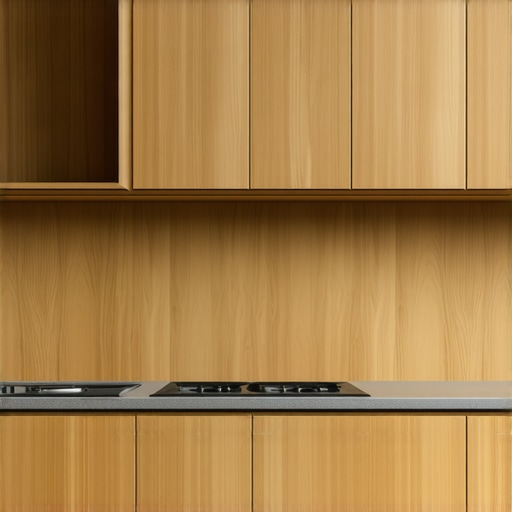
Why Quarter-Sawn Oak Is Making a Return to Modern Custom Kitchens
Have you ever stood in your kitchen, trying to find that elusive spice jar or the perfect cutting board, only to be met with chaos and clutter? I vividly remember a time when my own kitchen felt like a constant game of hunt-the-rare-item. No matter how many containers I bought or shelves I installed, the mess seemed to multiply, and I couldn’t shake the feeling that I was missing something crucial.
One weekend, after yet another frustrating search for a baking sheet, I realized the real problem wasn’t the lack of storage but the *missed opportunity* to create a cohesive, functional space that reflects timeless beauty and practicality. That lightbulb moment led me down a rabbit hole into the world of custom cabinetry and innovative storage solutions—an adventure that would change my kitchen and, frankly, my entire home approach.
Today, I want to talk about a material that’s quietly re-entering the spotlight—**quarter-sawn oak**. Its resurgence isn’t just a trend but a testament to its durability, aesthetic charm, and ability to elevate a modern kitchen. If your kitchen feels outdated or if you’re tired of flimsy cabinets that chip or warp, then this might be the answer you’ve been looking for.
But before diving in, let’s address a common skeptic’s concern. You might wonder: “Is quarter-sawn oak actually worth the hype?” Well, early in my remodeling journey, I made the mistake of choosing cheaper, flat-sawn oak because it was more affordable. The outcome? Cabinets that warped, stained unevenly, and lost their luster faster than I imagined. That experience taught me an invaluable lesson: investing in quality materials like quarter-sawn oak can truly make a difference in both aesthetics and longevity.
In the upcoming sections, I’ll share insights into what makes quarter-sawn oak a standout choice for kitchens, along with practical tips on how to incorporate it into your remodel. Whether you’re revamping your entire space or just looking to upgrade certain features, understanding these materials can help you make smarter, more stylish decisions. Ready to transform your kitchen into a blend of beauty and function? Let’s get started.
Identify Your Priority Areas
Start by assessing your kitchen to pinpoint the most cluttered zones—perhaps a deep pantry, a stubborn corner, or the utensil drawer. I remember the mess behind my stove that frustrated me every time I cooked. Mark these spots with painter’s tape or sticky notes to stay focused during the remodel process.
Design Your Storage Features
Visualize how each area should function. For example, install a pull-out spice rack near your cooking zone or a vertical divider for baking sheets. I integrated a custom pantry with adjustable shelves, which made it easier to organize cans and cereal boxes. Use software or sketch on paper to draft your layout, ensuring ergonomic access and maximizing space.
Leverage Built-In Elements
Built-ins like corner cabinets or under-stair storage can turn awkward spaces into assets. For my kitchen, I designed a built-in coffee station with open shelving and hidden wiring. This not only kept my counters clear but added a sleek look. Look into options like framed-in fridge panels for a seamless appearance.
Select Quality Materials
Invest in durable materials suitable for your climate and usage. I opted for quarter-sawn oak for my cabinets because of its stability and timeless appeal. Remember, choosing quality over cheap alternatives prevents warping and staining issues—something I learned through my experience with flat-sawn oak.
Plan Your Hardware and Accessories
Hardware choices impact both functionality and style. Consider soft-close hinges, ergonomic handles, and organization accessories like drawer dividers or pull-out baskets. I installed deep drawers with custom organizers, dramatically improving item retrieval. Consult resources like the ultimate guide to custom cabinets for inspiration.
Map Out Power and Plumbing
Ensure all wiring and plumbing are accessible for future upgrades or repairs. I added built-in USB charging stations inside cabinets, which required precise planning. Use a detailed schematic to avoid costly mistakes, and consider hidden outlets for a clutter-free look. Find more tips on integrating tech-friendly storage solutions here.
Collaborate with Experts
Work with skilled craftsmen experienced in custom cabinetry and built-ins. I hired a local carpenter who specialized in quarter-sawn oak and custom drawers—this partnership was crucial. Review portfolios and ask for references before finalizing. For a comprehensive understanding, explore space-maximizing storage ideas.
Implement Step-by-Step
Break down the project into phases: demolition, framing, cabinetry, and finishing. During my project, I tackled it sequentially, which kept the process manageable. Keep communication clear, and regularly inspect each phase to catch issues early. Maintaining an organized timeline minimizes chaos and surprises.
Master the Installation
Precision is key when installing built-ins and cabinets. I used laser levels and templates for accurate alignment. Be prepared for adjustments—hardware and hinges might need fine-tuning to achieve a perfect fit. Use specialized tools and consult tutorials to refine your technique. For detailed advice, visit this expert guide.
Finish with Style and Function
Apply protective finishes suitable for kitchens—dyes, stains, or clear coats—ensuring longevity. I chose water-based polyurethane for durability against moisture and stains. Add lighting inside cabinets and under shelves to enhance usability and ambiance. Thoughtful finishing touches elevate both form and function in your space.
Many homeowners assume that installing built-ins or opting for custom cabinets automatically guarantees a sleek and functional kitchen, but in my experience, this is a misconception. A frequent mistake is relying solely on superficial design trends without understanding the nuanced advantages of proper planning and material selection. For instance, some believe that all custom cabinets are equally durable, but overlooking the choice of materials like quarter-sawn oak can lead to warping and deterioration over time, especially if cheaper alternatives are used. This myth can trap homeowners into costly repairs that could have been avoided through expert advice and proper material evaluation.
What advanced mistakes do even seasoned remodelers make when designing storage?
One subtle trap is miscalculating internal dimensions for hardware and accessories, which might seem insignificant but becomes glaringly obvious when storage solutions feel cramped or awkward. Using overly shallow drawers or ignoring the swing clearance for built-in doors results in a frustrating user experience. As experts highlight, precise measurements and thorough schematic planning are essential—something many overlook in the rush to meet deadlines or cut costs. Industry studies confirm that a well-designed storage system not only enhances usability but also prolongs the lifespan of cabinetry by reducing stress on joints and finishes. For specifics on how to optimize your storage, check out space-maximizing ideas. Overlooking these nuanced details often leads to a ‘Oops’ moment—such as drawers that don’t fully open or shelves that bow under weight—that could have been prevented with expert guidance. Ensuring that every component is thoughtfully designed, from hinges to internal dividers, makes a measurable difference in your remodel’s success. Remember, the devil is in the details—don’t fall for shortcuts that compromise quality. Have you ever fallen into this trap? Let me know in the comments!When investing in custom cabinets and built-ins, maintenance becomes essential to ensure longevity and continued functionality. Personally, I rely on a combination of specialized tools and sensible routines to keep my kitchen organization in top shape. One of my most trusted tools is a high-quality digital torque driver, which I used during the installation process to guarantee every screw and hinge was precisely tightened, preventing loosening over time. Regularly checking and tightening hardware prevents misalignments and squeaks, extending the lifespan of your cabinetry. Additionally, I recommend scheduling seasonal inspections—spring and fall—to assess for any signs of wear or damage, especially in high-moisture zones like under the sink or near appliances. Using a soft cloth and non-abrasive cleaner keeps finishes looking new, while applying a light coat of furniture wax annually helps maintain the wood’s moisture balance.
How do I maintain custom cabinets and built-ins for lasting performance?
Incorporate a few simple routines into your maintenance plan. First, keep hinges and slides lubricated with a dry graphite powder or silicone spray—avoid oil-based lubricants that can attract dust. For quarter-sawn oak and other hardwoods, I advise using a dedicated wood conditioner once a year, which preserves the finish and prevents cracking. Investing in the right tools, such as a hinge and drawer slide adjustment kit, empowers you to perform minor realignments without calling in professionals. Moreover, consider installing a humidity monitor in your kitchen; fluctuations in moisture levels can cause wood to swell or shrink, compromising joints and finishes. Consistently maintaining a stable indoor climate minimizes these issues and preserves the integrity of your custom cabinetry for decades to come. Looking ahead, the trend points toward smart maintenance integrated with home automation—think sensors that notify you when hardware needs tightening or finishes require touch-up, further reducing long-term upkeep effort. For a comprehensive guide on this subject, visit this detailed resource. I encourage you to try one advanced tip today—like installing moisture sensors—to keep your storage solutions in perfect condition for years to come, ensuring your investment continues to enhance your home’s beauty and functionality.
Lessons Only Experience Can Teach
One of the most profound lessons I learned was that overlooking the importance of precise measurements can turn a dream kitchen into a daily frustration. Rushing through the planning stage often led me to realize too late that small details—like hinge clearances or shelf depths—make all the difference. Another insight was that investing in quality materials, such as quarter-sawn oak, doesn’t just elevate aesthetics but greatly reduces long-term maintenance and repairs, saving money and stress over time. Lastly, I discovered that collaborating closely with skilled craftsmen turns an ordinary remodel into a personalized sanctuary—your kitchen should reflect not only style but also your unique way of living. These lessons underscore that patience, quality, and expert guidance are the secret ingredients to success in any custom cabinetry project.