How to Stop Your Sink Cabinet from Smelling Like Mildew
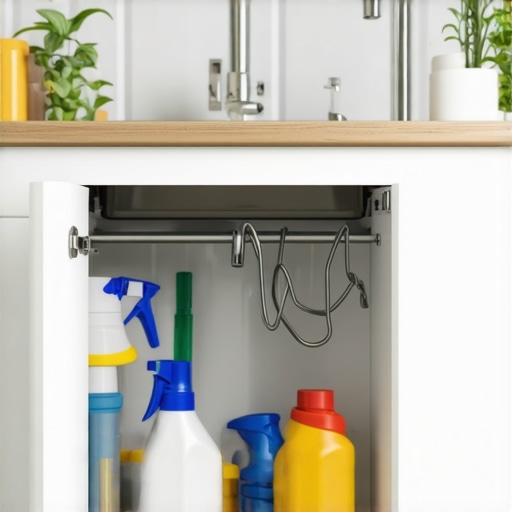
There was a time I opened my kitchen cabinet, only to be greeted by a musty smell that hit me like a wall. The source? Yup, my sink cabinet, quietly nesting a party of mildew and dampness. After a few frustrated scrubs and some trial-and-error, I realized I wasn’t alone in this sticky predicament. Many homeowners face the sneaky challenge of keeping their sink areas smelling clean and fresh despite the hidden moisture lurking behind doors.
Why Your Sink Cabinet Gets That Unpleasant Odor and How It Affects Your Home
The problem isn’t just about an icky smell. Mold and mildew thrive in damp, dark spaces—exactly where water spills or leaks tend to settle. Over time, this can lead to wood rot, warped cabinetry, and even health concerns like allergies or respiratory issues. Moreover, ignoring these issues could cost a pretty penny on repairs down the line.
Early on, I made the mistake of only wiping surfaces and ignoring what was happening beneath. I didn’t realize that moisture gets trapped in the crevices, creating the perfect environment for mildew to flourish. According to the Environmental Protection Agency, indoor mold can trigger asthma and allergies, making it crucial to keep these spaces dry and well-ventilated.
Is Killing Mold With Bleach Really Effective?
Many rush to grab bleach, thinking it’s the miracle cure. Trust me, I tried that first, but it only masked the smell temporarily. The real trick? Addressing the root causes—like excess moisture and poor ventilation. I’ll show you how I permanently got rid of the smell and kept it that way, transforming my neglected cabinet into a fresh, odor-free space.
Ready to tackle your own mildew problem? Let’s dive into practical solutions that work—and that even the busiest homeowner can manage.
Seal Off Moisture Entry Points
Start by inspecting your sink and pipes for leaks or drips. Use a soft cloth to wipe down the area and apply waterproof sealant around joints and edges, preventing water from seeping into the cabinet structure. I once noticed a tiny drip from a loose pipe connection, and sealing it immediately stopped the dampness from creeping in, saving me from future mold growth.
Improve Ventilation for Better Airflow
Install a small, quiet exhaust fan or position a portable dehumidifier inside the cabinet if space allows. This keeps moisture levels low, disrupting mold’s favorite habitat. I added a tiny fan I found at a hardware store, and within days, the musty smell diminished noticeably, making the space more pleasant and healthier.
Use Moisture Absorbers Effectively
Place silica gel packs or activated charcoal inside drawers and shelves. Replace or recharge them periodically to ensure continuous absorption. I keep a few silica packets in every kitchen cabinet, and they do a great job of trapping excess humidity, especially during humid months.
Deep Clean with Mold-Resistant Products
Combine white vinegar with baking soda to scrub the interior surfaces, removing existing mold and foul odors. For stubborn areas, apply a commercial mold suppressant after cleaning. I wore gloves and a mask, and the process was messy but effective, resulting in a clean, odorless space.
Adjust Storage Solutions to Prevent Spill Over
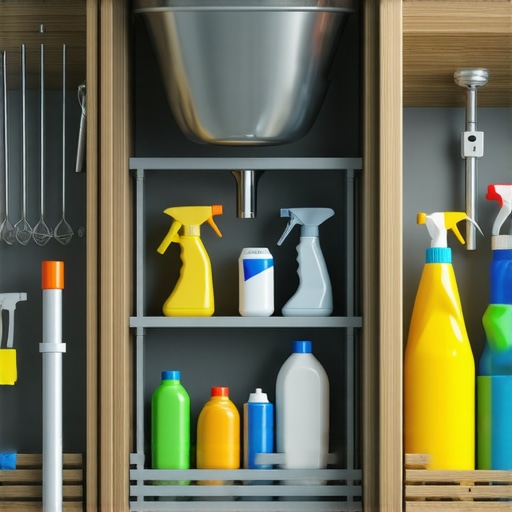
Rearrange items so that water-prone supplies are stored away from areas prone to splashes, and keep containers tightly sealed. Using stackable, spill-proof bins can streamline access while minimizing moisture risk. My own overhaul involved incorporating custom storage solutions—discover how expert tips on selecting storage solutions—which made a noticeable difference.
Regular Maintenance Checks
Set a monthly reminder to open the cabinet, wipe down surfaces, and check for signs of moisture or mold. Prompt action prevents minor issues from becoming major problems. During one routine check, I caught and treated a small leak before it caused any damage, reinforcing the importance of consistency.
Apply a Waterproof Liner
Install a waterproof liner or mat on the cabinet base. This acts as a barrier against any residual moisture that might escape even after sealing. I used a peel-and-stick liner, which was an easy fix that prolonged the life of my cabinet’s interior.
Consider Reinforcing or Replacing Damaged Cabinets
If you notice warped or cracked cabinetry, it’s best to replace or reinforce these to prevent ongoing moisture issues. Invest in high-quality materials like solid oak drawers to ensure longevity. I opted for custom cabinets during my renovation, which dramatically minimized future repair costs and maintained a clean, healthy environment.
Implementing these steps systematically transforms a damp, mold-prone space into a dry, odor-free zone. Regularly practicing these maintenance techniques ensures your sink cabinet stays fresh, functional, and safe for years to come. For further insights on maximizing space and storage, explore creating seamless kitchen remasters with built-in storage solutions.
When it comes to renovating your kitchen, many enthusiasts and homeowners fall prey to common myths and oversimplified notions about built-ins, custom cabinets, and storage solutions. While the surface-level benefits often get celebrated—like sleek designs or increased space—there are subtle pitfalls and misconceptions that can sabotage your project’s success if overlooked. As an expert in kitchen design, I’ve seen these nuances trip up even seasoned renovators, so let’s dig deeper into what most get wrong.
A prevalent misconception is that all built-in systems are created equal, and that one-size-fits-all solutions will suffice. In reality, blindly choosing off-the-shelf or generic built-ins without considering your specific needs can lead to wasted space and poor functionality. The trap here is ignoring the importance of customizing storage to your habits and kitchen layout. For instance, a high-end built-in that doesn’t accommodate your cooking style or family routines might end up unused.
Many assume that upgrading to *luxury* materials automatically guarantees durability. However, this can be a dangerous oversimplification. For example, selecting high-gloss finishes or European hinges might seem like the best choice, but if not maintained properly, they can become scratched or misaligned, leading to costly repairs. A detailed understanding of material properties—like moisture resistance or wear patterns—is essential, especially for cabinets in humid or high-traffic areas.
Let’s pause for a moment to ask: How do you know if your storage solution truly fits your lifestyle? This is where sophisticated questions come in, such as:
Are your cabinets designed to adapt over time, or do they become obsolete as your needs change?
This question is vital because many renovations focus on the present, neglecting future flexibility. Modular and adjustable features, such as pull-out shelves or tilting trays, can add significant longevity to your investment. According to a study in the Journal of Interior Design, adaptability in storage furniture correlates strongly with long-term satisfaction.
Another common trap involves neglecting ventilation and moisture management—especially in custom cabinetry around sinks and dishwashers. Some believe sealing everything airtight prevents mold, but in reality, poor airflow can trap humidity and foster hidden mold growth. I always recommend integrating smart ventilation solutions and moisture barriers, which are often overlooked but critical for maintaining cabinetry health.
Have you ever fallen into this trap? Let me know in the comments!
Finally, a sneaky pitfall is overinvesting in aesthetic details—like intricate moldings or exotic wood grains—without considering their practical implications. Such choices might look stunning but can complicate maintenance, reduce durability, or limit future modifications. My advice? Balance beauty with function; opt for finishes and hardware that simplify cleaning and repairs, aligning with your long-term goals.
In summary, successful kitchen upgrades hinge on understanding nuanced details—like customized storage that adapts over time, material durability beyond superficial appearances, effective moisture management, and practical aesthetics. For deeper insights into creating personalized, functional kitchens, I recommend exploring [creating seamless kitchen remasters with built-in storage solutions](https://artisancabinetworkz.com/creating-seamless-kitchen-remasters-with-built-in-storage-solutions) and [expert tips on selecting storage solutions](https://artisancabinetworkz.com/expert-tips-on-selecting-storage-solutions-for-a-perfetc-kitchen-upgrade). Recognizing these hidden nuances can elevate your project from good to extraordinary. Do you have any hidden pitfalls you’ve encountered? Share your experience in the comments and let’s learn together!
Maintaining a well-functioning kitchen isn’t just about choosing the right cabinetry or storage solutions—it also hinges on the tools and methods you employ for ongoing care. As someone deeply invested in kitchen design and renovation, I can attest that the right equipment simplifies maintenance and prolongs the lifespan of your upgrades.
Essential Tools I Rely On for Kitchen Upkeep
First and foremost, a high-quality cordless multi-tool has become a game-changer in my routine. Equipped with various attachments, it allows me to sand, cut, or polish areas swiftly, especially when dealing with custom cabinetry hardware or tight corners. I personally prefer the Dremel Multi-Max because of its versatility and battery life, making it ideal for both minor touch-ups and detailed repairs.
Secondly, I swear by a digital moisture meter. Monitoring moisture levels in cabinets around sinks or refrigerators helps prevent mold growth before it becomes a problem. I recommend the Dr.meter MO320; it provides precise readings, alerting me when humidity exceeds safe thresholds. Regular checks with this device ensure your storage solutions stay dry, safeguarding your investments.
The Power of Proper Cleaning Software and Maintenance Routines
While hardware tools are indispensable, digital solutions streamline maintenance schedules. Using a dedicated app like Home Maintenance Tracker helps me schedule quarterly inspections, track repairs, and set reminders for filter replacements—be it for vacuums, range hoods, or dehumidifiers. Setting these alerts prevents minor issues from escalating and integrates seamlessly into your daily routine.
With the advent of smart home technology, integrating sensors that monitor moisture and air quality into your kitchen can revolutionize long-term upkeep. Future trends predict increased adoption of IoT devices capable of alerting homeowners directly via their smartphones, ensuring no leak or humidity spike goes unnoticed.
Scaling Up with Advanced Tools and Long-term Planning
For large-scale remodels or ongoing renovations, investing in professional-grade equipment, such as cordless drywall sanders or moisture-proofing sprayers, pays off. Additionally, documenting your maintenance history and scheduling future upgrades—using software that links to your design plans—can make scaling your kitchen effortless. You might also consider custom-built monitoring stations that tie into your existing smart home ecosystem, offering real-time data and control.
Predicting where this technology is heading, experts anticipate even more integration between home automation and maintenance tools, reducing manual intervention. This evolution aims to make keeping your kitchen in top shape as effortless as possible, so you can focus on enjoying your space rather than fixing it.
How do I keep my kitchen functioning smoothly over time?
The key lies in regular inspections, employing the right gear, and embracing smart solutions. Implementing a routine with tools like moisture meters and maintenance apps ensures that potential issues are caught early and addressed swiftly—saving money and stress in the long run. If you haven’t already, try integrating a digital moisture meter into your upkeep protocol; it might just prevent the next mold problem or cabinet warp.
For further insights into upgrading your kitchen’s storage and functionality, check out expert tips on selecting storage solutions. Remember, a proactive approach to maintenance keeps your beautiful remodel looking pristine for years to come.
Lessons No One Tells You About Custom Cabinets and Storage
- One of the biggest realizations I had was that not all custom solutions are built to last. I once chose trendy finishes without considering long-term durability, which led to early wear and tear. Now, I prioritize timeless, high-quality materials that age gracefully and save money in the long run.
- Another lesson learned was overlooking the importance of future-proofing. I assumed my needs wouldn’t change, but life evolves—kids grow, hobbies change. Designing adjustable, flexible storage options makes adapting your kitchen effortless, as I discovered with modular shelving systems.
- I also underestimated the value of ventilation and moisture control around cabinetry. Proper airflow isn’t just a luxury—it’s essential to prevent mold and protect investments. Incorporating smart moisture barriers and ventilation into my remodel was a game changer for longevity and health.
Tools and Resources That Transformed My Approach
- High-quality moisture meters like the Dr.meter MO320 gave me peace of mind by allowing regular checks on humidity levels, preventing unseen mold issues before they started.
- Smart maintenance apps such as Home Maintenance Tracker helped me stay organized, scheduling routine inspections and reminders for cleaning and repairs, which kept my kitchen pristine over time.
- I discovered expert tips on selecting storage solutions that streamlined my choices, ensuring every inch of space was optimized for usability and style without unnecessary clutter.
- Finally, reading top guides on built-in storage inspired me to think beyond cabinets—incorporating hidden compartments and pull-outs that improved functionality and wowed guests.
Your Next Step in Kitchen Excellence Starts Here
Embracing these insights isn’t just about fixing problems—it’s about transforming your kitchen into a space that works seamlessly with your life. With a mix of reliable tools, thoughtful planning, and a willingness to learn, you can create a beautiful, enduring environment that truly reflects your needs and style. Don’t wait for issues to surface—start implementing these techniques today and enjoy a smarter, healthier kitchen tomorrow.
Have you ever faced challenges with hidden moisture or storage in your kitchen? Share your experiences below, and let’s learn from each other’s journeys towards perfecting our spaces!
.