What a Sacramento Home Inspector Finds Hiding Under Your Kitchen Sink
What a Sacramento Home Inspector Finds Hiding Under Your Kitchen Sink
The kitchen is universally celebrated as the heart of the home. It is where families gather, meals are prepared, and memories are made. When you walk into a potential new home in the Central Valley, your eyes are naturally drawn to the gleaming granite countertops, the modern stainless steel appliances, and the chic backsplash. However, as a professional home inspector Sacramento homeowners rely on for the truth, I know that the most revealing story of a house isn’t told on the surface. It is told in the darkest, often most neglected corner of the kitchen: the cabinet base under the sink.
My name is Ed Diwata, Owner and Senior Inspector at Guaranty Home Inspection. I am a construction inspector by profession and a proud graduate of the American Home Inspector Training (AHIT). Over the years, I have poked my flashlight into thousands of dark corners. While a kitchen can look like a million dollars during an open house, the area beneath the sink serves as a “black box” flight recorder for the home’s maintenance history. If there have been leaks, poor DIY repairs, or structural neglect, the evidence is waiting for me right there. In this guide, I’ll walk you through exactly what I look for and why these findings matter more than you might think.
The Stakes of the Sink Inspection
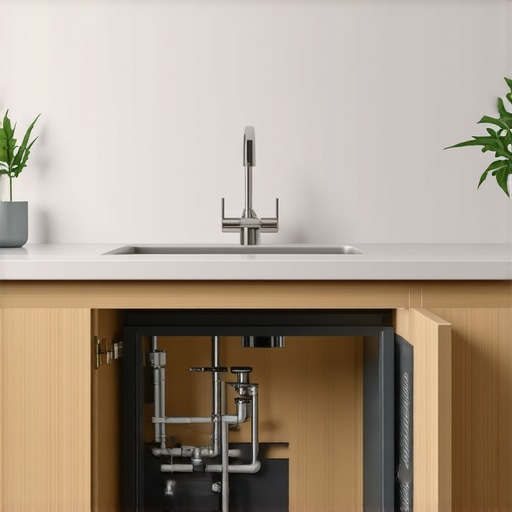
Why do I spend so much time crouched on the floor with a high-lumen flashlight during a Sacramento home inspection? Because the sink base is the intersection of three critical home systems: plumbing, cabinetry, and structural integrity. It is one of the few places in a home where water – the ultimate destroyer of property – is intentionally brought into a confined, wooden space.
The stakes are incredibly high. A minor drip that goes unnoticed for six months can cause more structural damage than a major pipe burst that is cleaned up immediately. When water interacts with the wood or composite materials of your cabinetry, it triggers a chain reaction of decay. In the Sacramento climate, where summer heat can turn a damp cabinet into a literal petri dish, the risks extend beyond property damage to health hazards like mold. For buyers and sellers alike, understanding what happens under the sink is the difference between a sound investment and a costly nightmare.
The #1 Discovery: The Slow, Silent Leak
When I open those cabinet doors, the most common issue I encounter isn’t a massive flood. According to industry research, including data from LaCassa Plumbing, “leaking or dripping fixtures” and “moisture damage” are among the most frequent findings in professional inspections. Most homeowners imagine a leak as a “sprayer” – a dramatic event that forces immediate action. In reality, the most dangerous leaks are the “seeps.”
These slow, silent leaks often originate from a worn-out O-ring in the faucet, a loose compression nut on a supply line, or a failing seal around the sink rim itself. Over time, these drops fall onto the cabinet floor. If you aren’t looking for them, the wood absorbs the moisture, hiding the evidence until the floor begins to sag or rot. This is why I often recommend The Vancouver Plumber Trick: Why Waterproof Liners Are Mandatory for Custom Sink Bases. A simple liner can prevent a minor plumbing fail from becoming a total cabinet replacement.
During my inspection, I look for “dark staining” and “swelling of the cabinet floor.” These are tell-tale signs that water has been present. I also check for “corrosion on the shut-off valves.” If the valves themselves are green or crusty (oxidation), it’s a sign of high humidity or direct contact with water, indicating that a leak has been persistent for a long time.
Mold and Mildew: The Invisible Threat
If there is moisture and darkness, mold is almost certainly invited to the party. One of the most concerning findings is “black mold under the sink.” Because the area is enclosed and rarely ventilated, it provides the perfect environment for fungal growth. This isn’t just an aesthetic issue; it’s a respiratory one. If I detect a musty odor or see visible spores, a professional mold inspection sacramento is often my primary recommendation to ensure the air quality of the home is safe.
Mold can take hold in the porous surfaces of the cabinet walls and the drywall behind the cabinet. Once it gets into the wall cavity, the remediation costs skyrocket. Homeowners often try to mask the smell with air fresheners, but as an inspector, I’m trained to sniff out the reality. Understanding How to Stop Your Sink Cabinet from Smelling Like Mildew involves more than just cleaning; it requires identifying the moisture source and ensuring the area is completely dried and sealed.
Structural Failures: Plywood vs. Particle Board
As a construction inspector, I pay close attention to what the cabinets are actually made of. This is where the quality of the build becomes evident. There is a massive difference in how different materials respond to the inevitable moisture under a sink. I frequently see the results of The Hidden Cost of Choosing Particle Board for Your Sink Base.
Particle board is essentially sawdust glued together. When it gets wet, it acts like a sponge, expanding and losing all structural integrity. I have seen sink bases where the bottom floor has completely crumbled, leaving the heavy garbage disposal and plumbing unsupported. On the other hand, plywood – while more expensive – features cross-grain layers that resist swelling and hold their shape much better under duress. When I’m performing a Roseville home inspection, I often point out to buyers that high-quality plywood construction in the kitchen is a sign of a builder who didn’t cut corners.
Plumbing Red Flags: P-Traps and Garbage Disposals
The plumbing configuration under the sink is a common site for “DIY disasters.” A home inspector Sacramento residents hire expects to see a standard P-trap, which is designed to hold a small amount of water to block sewer gases from entering the home. However, I frequently find “S-traps” (which are illegal under modern building codes because they can siphon dry) or flexible “accordion” drain pipes.
These flexible pipes are a major red flag. They are prone to trapping debris, leading to the “slow or clogged drains” that plague many households. Furthermore, I always check the garbage disposal. These units vibrate significantly during operation. If they aren’t mounted correctly or if the plumbing connections aren’t secured, that vibration will eventually loosen the joints, leading to a leak. Identifying The Sink Base Drainage Repair Every Homeowner Needs to Prevent Cabinet Rot is a key part of my report. We look for signs of “back-siphoning” and ensure the dishwasher drain line has a proper “high loop” to prevent dirty water from flowing back into the appliance.
The First-Time Home Buyer’s Guide to Kitchens
If you are going through a first time home buyer inspection, the kitchen can be overwhelming. You want everything to be perfect, but you might not know where to look. Whether you are looking at a home in Elk Grove or a historic property in Midtown, use this 3-point checklist during your initial walk-through:
- The Flashlight Test: Take your phone’s flashlight and shine it at the very back corners of the sink cabinet. Look for any discoloration or “furry” textures on the wood.
- The Finger Press: Gently press on the floor of the cabinet. Does it feel solid, or is there a “spongy” give? Sponginess indicates that the internal structure of the wood has been compromised by water.
- The Sniff Test: Stick your head inside the cabinet. It should smell like… nothing. If it smells like a damp basement or a wet dog, there is a moisture issue that hasn’t been addressed.
Performing these quick checks during an Elk Grove home inspection or a visit to an open house can help you ask the right questions before you even get to the contract stage.
Prevention and Upgrades: The Professional Approach
Once an issue is identified, the goal is to fix it so it never happens again. This is where custom cabinetry and smart upgrades come into play. If you are remodeling, I cannot stress enough Why You Need a Waterproof Liner in Your Sink Base Cabinet. Modern liners are designed with lipped edges that can hold gallons of water, giving you time to find a leak before it ever touches your wood.
Additionally, for those who want the ultimate in maintenance-friendly design, consider The Removable Cabinet Panel Hack for Faster Emergency Plumbing Access. This allows a plumber to reach pipes behind the cabinet without having to tear out your beautiful joinery. Prevention is always cheaper than a cure, especially when it comes to the complex systems under your sink.
Conclusion
What a home inspector Sacramento finds under the kitchen sink is often the most honest assessment of how a home has been cared for. From slow, silent leaks to the structural integrity of plywood versus particle board, this small area carries a heavy burden. By paying attention to the plumbing, watching for mold, and investing in high-quality cabinetry solutions, you can ensure that the heart of your home stays healthy for decades to come.
If you’re ready to buy or sell, don’t leave the “darkest corner” to chance. Contact a professional to ensure your investment is protected. For more information on our services, visit our Sacramento home inspection page or check our availability for a Roseville home inspection today.