Why Your Kitchen Island Needs a Dedicated Baking Station
I remember the first time I attempted to bake sourdough bread in my kitchen. Flour dusted every surface, dough was seemingly everywhere — except where I actually needed it. My kitchen island became a chaotic battleground, with ingredients and tools strewn across every available space. It struck me then how essential a dedicated baking station could have saved me hours of cleanup and frustration. That moment was a lightbulb: your kitchen island is more than just a countertop; it’s a prime real estate that can truly elevate your baking experience.
Transform Chaos into Convenience with a Baking Nook
Having a dedicated baking area isn’t just about neatness—it’s about efficiency, safety, and making your time in the kitchen more enjoyable. A well-designed baking station can streamline your process, keep ingredients organized, and even reduce the clutter that often spills over into adjacent counters. When I finally carved out a specific corner of my island for baking, I noticed my skills improve, and I genuinely looked forward to baking rather than dreading the cleanup afterward. If you’ve ever felt overwhelmed by the mess and multiple trips to gather supplies, you’ll appreciate how a custom baking zone can revolutionize your routine.
Is a Baking Station Really Worth the Hype?
I once believed I could wing it with a few trays and a random drawer for tools. Spoiler: that was a recipe for chaos. Early on, I made the mistake of trying to shoehorn my baking supplies into existing storage without considering workflow. This led to wasted time and misplaced spatulas. The truth is, a dedicated baking station not only keeps everything within arm’s reach but also encourages better organization and safety—especially when working with hot utensils or sharp knives. Curious about how to get started? Discover some practical ideas on smart storage solutions that complement your remodel plans by visiting this guide.
Now, let’s explore how you can turn this idea into reality, ensuring your island becomes a baking haven rather than a cluttered nightmare.
Design Your Dedicated Baking Zone
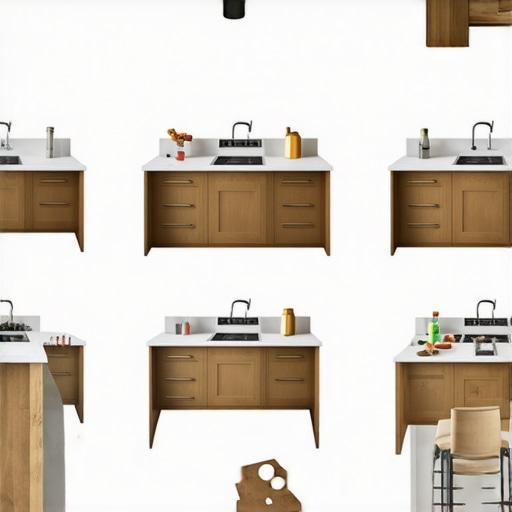
Start by choosing a specific area on your kitchen island where all your baking essentials will reside. Think of it as creating a command center, similar to how a pilot’s cockpit is streamlined for efficiency. Clear the space of non-baking items, and measure to ensure enough room for appliances and prep work. I once transformed a corner of my island, removing unnecessary clutter and installing a built-in shelf for spices and utensils, which made my baking sessions more fluid and enjoyable.
Install Smart Storage Solutions
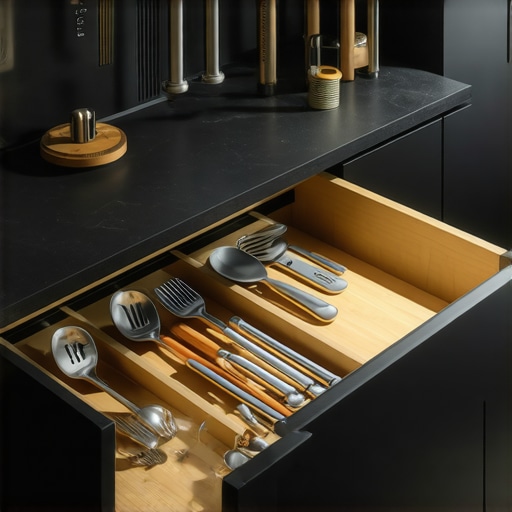
Use custom cabinets and pull-out drawers to organize your tools. For example, a vertical pull-out for measuring spoons and cups keeps them accessible without cluttering your workspace. Incorporate shallow drawers for baking sheets and silicone mats, mimicking a well-organized tool chest. I used innovative storage ideas like a dedicated spice rack beside my mixer to streamline ingredient access. Discover more about storage solutions that maximize space.
Label and Categorize Everything
Use clear containers and labels on flour, sugar, and baking powder. Categorize items based on frequency of use—daily essentials front and center, specialty ingredients tucked away. I remember organizing my vanilla beans and baking cocoa in a labeled, dedicated drawer, which saved me from rummaging during critical moments. Proper labeling transforms your baking station into a professional-grade setup, saving minutes every session.
Optimize Countertop and Work Surfaces
Maintain a clutter-free zone by using a built-in knife block and a mounted paper towel holder. Place a non-slip silicone mat for rolling dough and prepping. Position your stand mixer on a dedicated pad with nearby outlets to avoid cable mess. I added a shallow, pull-out trash bin beneath the counter to keep the workspace clean—making cleanup quick and effortless. For more detail, see creating seamless storage in your remodel.
Energize Lighting for Precision
Install task lighting directly above your baking zone using under-cabinet LED strips, making detailed work easier. A well-lit area reduces mistakes and improves safety when handling hot utensils. I recently replaced dim overhead lighting with bright, adjustable LEDs, which made my baking more precise and enjoyable. Proper illumination is key to making your baking station a pleasure, not a chore.
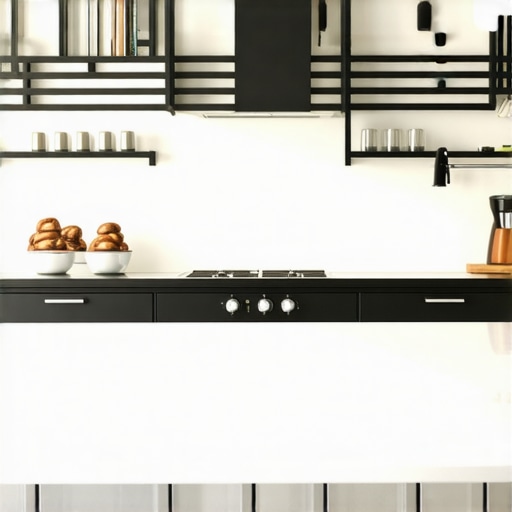
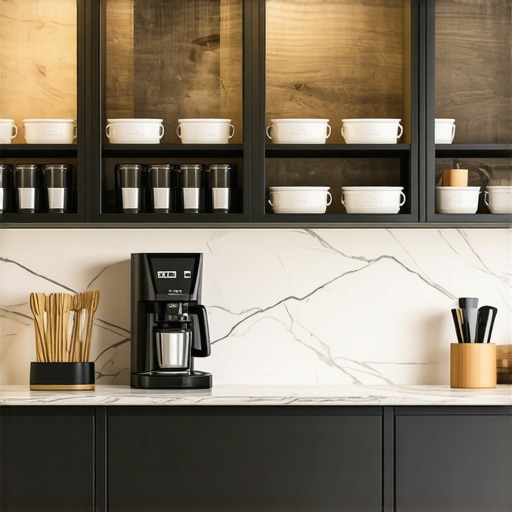
Illustration of a modern, organized baking station on a kitchen island with custom cabinets, labeled containers, and ideal lighting.
Many homeowners assume that installing custom cabinets and built-ins automatically guarantees a flawless kitchen remodel. However, a common misconception is that more elaborate or expensive solutions invariably lead to better functionality and longevity. In reality, without understanding the nuances of your space, lifestyle, and design choices, these upgrades can fall flat or even create new problems. For example, overly ornate cabinetry might look stunning but may hinder accessibility or cleaning, especially if not properly planned for your specific use case.
Another underrated aspect is the importance of considering future needs during the initial planning. Many tend to choose solutions that look great immediately but become obsolete or inconvenient as habits and household dynamics evolve. This is where advanced planning and expert input can make all the difference in creating a truly functional space that adapts over time.
Why do many premium-looking storage solutions fail in real-world use?
It turns out that many high-end storage options fail because they aren’t optimized for typical daily activities. For instance, a built-in pantry with deep shelves might look sleek but can make it difficult to retrieve items at the back, leading to wasted space and frustration. A study from the National Kitchen and Bath Association emphasizes the importance of ergonomic design and user-focused layouts over purely aesthetic considerations.
Additionally, the trap many fall into is underestimating the importance of proper installation and supporting structures. Well-designed cabinetry can be rendered useless if not mounted securely to structural elements like properly reinforced wall studs, especially in older homes. This oversight can lead to safety hazards and costly repairs later. To avoid this, it’s crucial to work with experts who understand the technical aspects, such as mounting heavy cabinets safely, as explained in detailed guides like those available on how to mount heavy cabinets securely.
One of the most overlooked but impactful nuances is the need for flexibility in storage. Rigid, one-size-fits-all solutions often disappoint because they don’t accommodate changing needs—like a growing family’s storage demands or new appliances. Integrating adjustable shelves, pull-out organizers, and customizable compartments can save money and frustration down the line. For insight into innovative storage concepts, explore these storage solutions.
Lastly, many assume that the latest trendy finishes or hardware types will automatically enhance their kitchen’s durability and value. But materials matter immensely. For example, thermofoil doors may seem attractive but can peel when exposed to high heat near stoves or ovens. Choosing high-quality, appropriately rated materials ensures longevity and reduces maintenance costs. Remember, what looks good today should still be functional and beautiful years from now—something that requires a nuanced understanding beyond surface appearances. So, before jumping into your next project, dig deep into these hidden details. Have you ever fallen into this trap? Let me know in the comments, and I’ll be happy to help you navigate the intricacies of a successful kitchen remodel.Maintaining your custom cabinets and storage solutions is essential to preserve their functionality and appearance over time. I’ve found that investing in high-quality cleaning products designed specifically for wood finishes, such as those containing mild detergents and avoiding harsh abrasives, extends the lifespan of your cabinetry. Personally, I use a soft microfiber cloth combined with a gentle, pH-balanced cleaner from my local supplier, which keeps my cabinets looking brand new without risk of damage. Regularly inspecting hinges, drawer slides, and soft-close mechanisms ensures smooth operation and prevents costly repairs down the line. Applying lubricant every six months to moving parts—using products like silicone spray—can keep everything operating silently and efficiently. For example, I check my drawer slides monthly and reapply lubricant to avoid squeaks and sticking, especially in humid months. Another critical aspect is tracking and updating your hardware—like handles and knobs—to prevent loosening or corrosion, which I accomplish during bi-annual kitchen audits. These simple routines have saved me hundreds in repairs and kept my kitchen functioning flawlessly. Looking ahead, advancements in smart cleaning tools and maintenance software are poised to make upkeep even more straightforward, possibly automating routine inspections or alerts for worn parts. To streamline your maintenance routine, consider installing a dedicated maintenance log app or digital checklist, which I personally use to track cleaning schedules and hardware checkups. How do I keep all this working without hassle? I rely on a combination of scheduled checks, quality supplies, and a proactive mindset—something I highly recommend you try, especially the bi-annual lubricant applications for your cabinet hardware. Incorporate these strategies today, and you’ll enjoy the long-term benefits of a pristine, smoothly operating kitchen that truly stands the test of time. 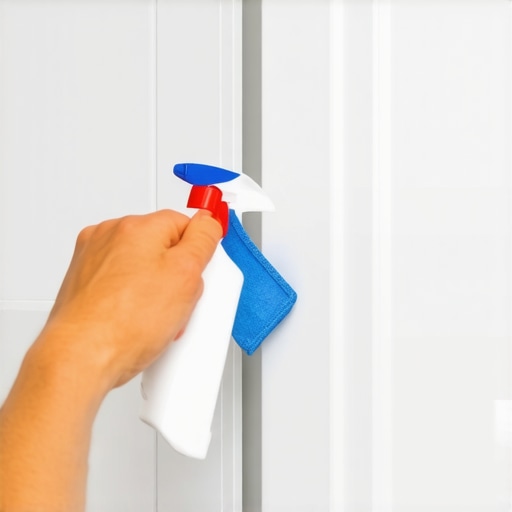
Close-up image of a person applying silicone spray to cabinet hinges with a microfiber cloth, highlighting maintenance in action.
Maintaining your built-ins and storage solutions isn’t just about appearance—it’s about ensuring longevity and consistent performance. Many homeowners overlook the importance of regular upkeep, which can lead to squeaky drawers, misaligned doors, or even structural issues over time. For detailed guidance, I recommend reviewing expert advice from this resource on pantry maintenance. One overlooked but impactful tip is adjusting your cabinet hardware periodically. Even a slight realignment can prevent premature wear and tear, saving you costly repairs down the line. Consider adding a simple, yet effective, maintenance checklist to your monthly routine—covering hinge tension, drawer slide smoothness, and handle tightness. This proactive approach ensures your remodel investments continue delivering satisfaction years after installation. As new tools and materials evolve, keeping your system up to date will become even easier. In the future, I see smart sensors and automated alerts helping homeowners monitor the health of their cabinetry and storage solutions remotely, reducing the need for manual inspections. Don’t wait until you notice a problem—regular maintenance is your best insurance for a durable, beautiful kitchen. Try integrating a maintenance log into your weekly cleaning routine and see how much longer your custom features stay impeccable. Staying proactive now will save time, money, and frustration later, ensuring your kitchen remains a joy to use for years to come.
What I Wish I Knew Before Tackling Built-ins and Custom Cabinets
One of the most eye-opening lessons I learned was the importance of precise planning—assuming a standard approach simply doesn’t cut it when designing a bespoke kitchen. I once installed cabinets without considering future needs, leading to costly modifications down the line. Embracing flexibility in design early on saved me time and money, reminding me that adaptability is key in any successful kitchen remodel.
Another insight was the value of understanding material nuances. Choosing a beautiful finish is tempting, but knowing how materials respond to humidity and heat prevents premature wear. My experience using high-quality, durable finishes has made a significant difference in the longevity of my custom cabinetry, encouraging me to prioritize quality over appearance.
Lastly, I realized that collaborating with experts, rather than DIY only, often results in a seamless, functional space. Their insight into supporting structures and smart storage solutions can elevate your kitchen beyond expectations. The goal should always be to create a space that’s as practical as it is stunning, which is achievable with the right guidance and planning.