Why Plywood Box Construction Still Wins Over Furniture Board in Wet Areas
I remember the smell first—that damp, earthy scent that shouldn’t be coming from a three-month-old guest bathroom. I knelt down, opened the vanity door, and my heart sank. A slow drip from the P-trap had transformed the base of my “bargain” cabinet into a bloated, grayish mushroom. It wasn’t wood; it was furniture board, essentially sawdust and glue held together by a prayer. When it gets wet, it doesn’t just dry out; it expands like a sponge and never, ever goes back to its original shape. It was a classic rookie mistake I made during my very first DIY renovation, and it cost me a full replacement of a brand-new cabinet. [image-placeholder]
That One Time a Small Leak Ruined My Entire Bathroom
When you’re planning a custom cabinets as a game-changer in your kitchen remodel journey, the sales rep will often point to two identical-looking boxes and tell you the cheaper one is “just as good.” Don’t believe it. I’ve spent years fixing cabinets, and I can tell you that in wet areas, the material hidden under that pretty veneer is the difference between a 20-year kitchen and a 2-year headache. Today, we’re going to look at why plywood construction remains the undisputed king of the kitchen and bath, specifically focusing on how it handles the inevitable moisture of life.
Is plywood really worth the extra cash?
It’s a fair question. Why spend 15% to 20% more on something you can’t even see? The skepticism is real until you see the 5 signs your cabinet bases are rotting quietly under the sink. I used to think I was being “frugal” by choosing furniture board. I wasn’t. I was just prepaying for a future disaster. If you’ve ever had a cabinet door sag or a shelf bow under the weight of a few stacks of plates, you’ve already felt the limitations of composite materials.
Why Water and Particle Board Are Natural Enemies
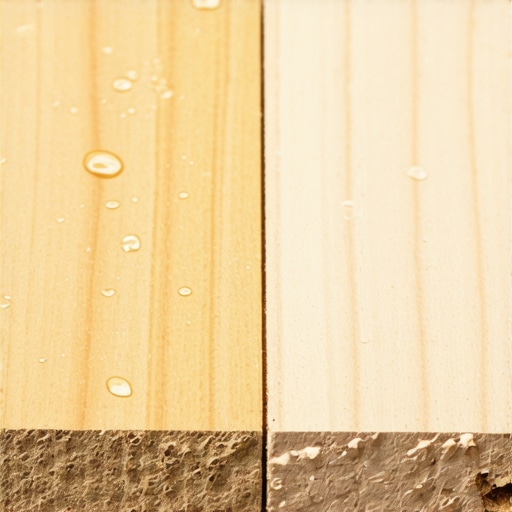
The science is pretty simple but brutal. Furniture board (or particle board) is made of wood particles bonded with resin. According to research from the Forest Products Laboratory, certain composite wood products can swell significantly more than solid wood or plywood when exposed to high humidity or direct liquid contact, often losing their structural integrity permanently. Plywood, on the other hand, is built like a sandwich. Layers of wood grain are glued in alternating directions. This “cross-graining” means that even if it gets wet, it stays stable. It might swell a tiny bit, but it won’t crumble into oatmeal. I’ve seen it happen dozens of times. A dishwasher seal fails, or a kid forgets to fully close the fridge door, and suddenly the hidden cost of choosing particle board for your sink base becomes painfully clear. This is especially true for modern kitchen remodels featuring custom cabinets and built-ins where we expect heavy stone countertops to sit on top of these boxes. If the base fails, that granite or quartz is coming down with it. Have you ever opened the cabinet under your kitchen sink only to be met with a suspicious, musty odor? That’s often the first sign that your cabinet material is losing the war against moisture. You can learn how to stop your sink cabinet from smelling like mildew, but if the box is furniture board, you might already be too late for a simple fix. We need to look deeper into the structural differences to understand why plywood isn’t just a luxury—it’s insurance for your home.
Look for the Voids in Your Cabinet Walls
When you are ready to move from planning to purchasing, you have to develop a sharp eye for the raw material. I once walked onto a job site where the ‘custom’ cabinets had already been delivered. The homeowner was thrilled with the finish, but when I looked at the back panels, I saw tiny gaps between the layers of the plywood. These ‘voids’ are where moisture hides and where screws lose their grip. To ensure you are getting what you paid for, you need to know how to tell if your cabinet maker is using low-grade plywood before the boxes are installed. High-quality plywood should have at least seven to nine layers for a 3/4-inch sheet, with no air pockets visible on the cut edges. 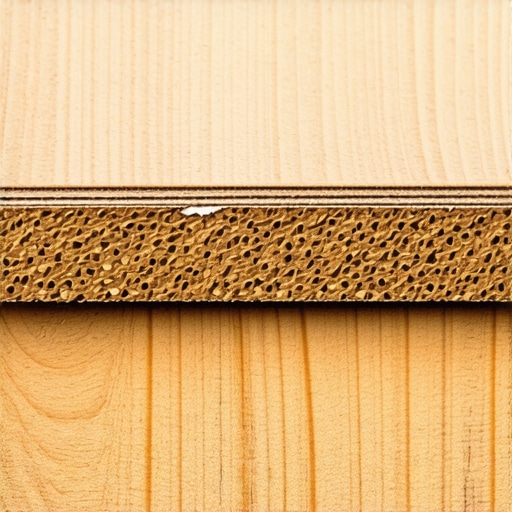
The Simple Liner Trick That Saves Your Sink Base
Even the best plywood isn’t magic; it still needs a little help in the danger zones. Under the sink is the ‘ground zero’ for cabinet failure. I’ve seen $5,000 sink bases ruined by a $2 plastic gasket failure because the water sat on the floor of the cabinet for three days. This is why I always emphasize expert tips on selecting storage solutions for a perfect kitchen upgrade that include protective measures. Specifically, you should install a silicone or rubber mat immediately. It sounds basic, but why you need a waterproof liner in your sink base cabinet becomes obvious the moment a drain line sweats or a detergent bottle leaks. In my own kitchen, I went a step further and used the Vancouver plumber trick why waterproof liners are mandatory for custom sink bases, which involves sealing the interior seams with marine-grade silicone. It creates a literal bathtub under your pipes, giving you days to catch a leak before it touches the wood.
How to Support Two Hundred Pounds of Granite
We often forget that cabinets are essentially the legs of our kitchen. If you are planning a heavy stone countertop, the structural integrity of the box is everything. I remember a kitchen where the island started to ‘smile’—the center was sagging nearly half an inch. The culprit? 1/2-inch furniture board that couldn’t handle the 3cm quartz slab. For heavy-duty areas, I always suggest why we recommend plywood cases over particle board for heavy pantry shelves and base units. The cross-laminated layers act like a bridge truss, distributing the weight outward to the floor rather than compressing under the load. This structural rigidity is even more critical when you how to reinforce an upper cabinet for a heavy microwave or a built-in oven. If the box isn’t stiff, the doors will eventually go out of alignment because the entire frame is twisting under the weight.
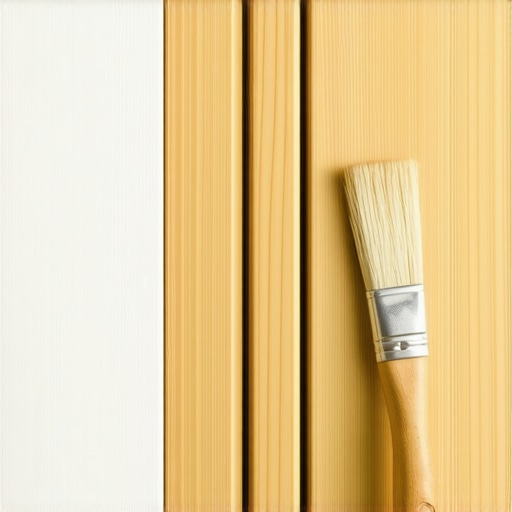
Everyone tells you that ‘solid wood’ is the ultimate sign of quality in a high-end kitchen. But here is the contrarian truth: if you want a flawless, painted finish, solid wood is often the worst choice you can make. I have seen homeowners insist on solid cherry or oak for their white-painted kitchens, only to call me six months later because every single joint has a visible hairline crack. This happens because wood is a living material that breathes. When the humidity shifts, the wood moves, and that brittle paint finish has nowhere to go but to crack. This is why solid wood doors warp and how to prevent it by choosing the right core material from the start.
The Solid Wood Trap You Need to Avoid
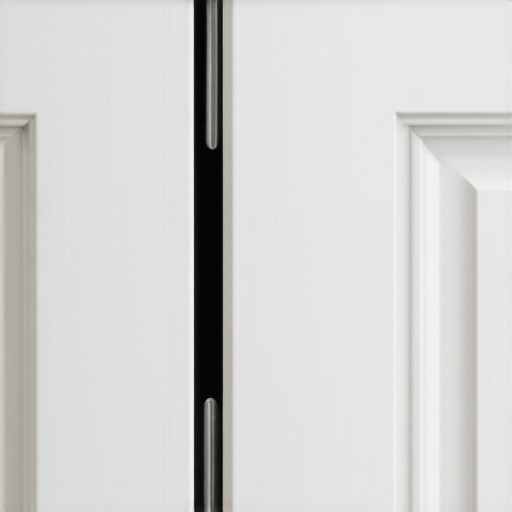
The ‘oops’ factor usually hits during the first winter. You spent forty thousand dollars on the ultimate guide to custom cabinets for a stylish kitchen overhaul, but now your shaker-style doors look like they are splitting apart. In reality, the wood isn’t breaking; it is just expanding. For a smooth, glass-like finish, professionals actually prefer high-density fiberboard (HDF) for the center panels. It is a more stable substrate that doesn’t expand and contract like lumber. According to the Architectural Woodwork Institute (AWI), engineered wood cores provide significantly better dimensional stability than solid lumber in environments where humidity isn’t perfectly controlled. If you want that crisp look, why painted maple beats oak for a smooth cabinet finish becomes a vital lesson in material science.
Why does your expensive paint finish look different after six months?
Beyond the structural movement, there is the issue of ‘ambering.’ I recently visited a client who was devastated because her ‘arctic white’ kitchen was starting to look like old parchment paper. She thought the painter used cheap supplies, but the culprit was actually the UV rays hitting the natural resins in the wood underneath the paint. This is a common nuance in custom cabinets ideas that transform your homes style: the chemistry of the wood affects the chemistry of the finish. If you don’t use a UV-inhibitor in your topcoat, why your white cabinets look yellow under certain lights will become your new obsession every time the sun hits the room. Have you ever fallen into this trap, thinking you were buying the ‘best’ material only to have it behave unexpectedly? Let me know in the comments.
Another sophisticated mistake is ignoring the hardware’s weight capacity in favor of aesthetics. People love the look of massive, 36-inch wide drawers for their heavy Le Creuset pots, but they use standard-duty slides. Over time, the ball bearings warp, and the drawer starts to catch. When you are looking at expert tips on selecting storage solutions for a perfect kitchen upgrade, always ask about the dynamic load rating of the slides. A ‘soft close’ feature is useless if the drawer is too heavy to actually close. Understanding these technical layers—from the cellular structure of the wood to the shear strength of the steel slides—is what separates a ‘pretty’ kitchen from a functional masterpiece that lasts a lifetime.
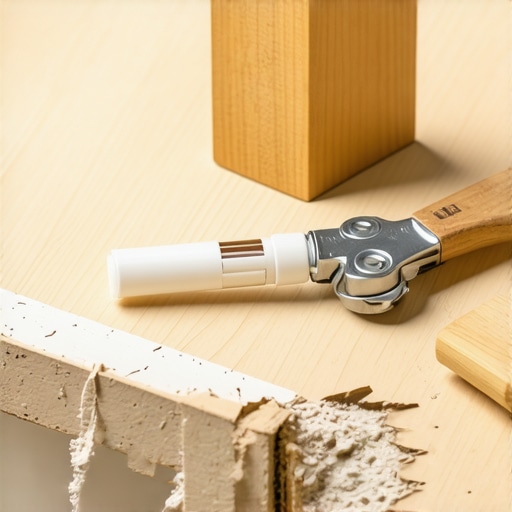
Once the dust settles from your custom cabinets as a game-changer in your kitchen remodel journey, the real work begins. I am talking about the six-month break-in period. Just like a new house, a new kitchen settles into its environment. I always carry a Pozi-drive screwdriver in my pocket during follow-up visits because it is the only way to correctly handle hardware. If you have ever tried how to adjust european hinges when your doors are crooked using a standard Phillips head, you have probably felt that sickening slip that strips the screw head. A Pozi-drive has a slightly different tip geometry that locks into those European hinges perfectly, providing the torque you need without damaging the finish. It is a tiny ten-dollar tool that prevents a two-hundred-dollar repair. According to technical documentation from Blum, their moving parts are tested for up to 200,000 opening and closing cycles, but that longevity assumes the alignment remains within a 1.5mm tolerance. If your doors are rubbing, you are literally grinding away the lifespan of your cabinetry with every cup of coffee you make.
How do I keep my custom cabinets looking new for a decade?
It really comes down to a quarterly tune-up. Every three months, I tell my clients to do a quick sensory walk-through of the room. Listen for unusual squeaks and feel for any new resistance in the drawer glides. Often, why your soft-close slides are failing and the quick-cleaning-fix is simply a matter of wiping down the galvanized steel tracks with a dry microfiber cloth to remove accumulated kitchen grease. Never use WD-40 or heavy oils; they attract dust like a magnet and turn into a sticky paste that ruins ball bearings. If you have invested in modern kitchen remodels featuring custom cabinets and built-ins, you should also take a peek inside your sink base. I am a huge fan of the removable cabinet panel hack for faster emergency plumbing access because it allows you to inspect for slow drips behind the back wall that you would never see until the floorboards started to buckle.
#IMAGE_PLACE_HOLDER_D#
Looking ahead, I see active maintenance becoming a standard integrated feature of luxury homes. We are already starting to see moisture sensors tucked into the toe-kick areas that send a notification to your smartphone the second a leak is detected. It is the logical next step for smart storage solutions for small kitchens in 2025. For now, though, the best high-tech tool you have is your own eyes. If you see a gap, fix it. I have written before about how to fix cabinet doors that hit each other in the middle, and most of the time, it is a two-minute fix with a screwdriver. Don’t wait for the wood to chip or the finish to wear. My advanced tip for you today is this: buy a dedicated cabinet touch-up kit from your maker that includes the exact lacquer and wax filler used in the factory. When you get that inevitable first ding from a flying pot lid, you can hide the evidence in seconds. Go ahead and order a Pozi-drive #2 screwdriver right now—it is the single best investment you will make for the long-term health of your kitchen.
The Hardest Lesson I Learned While Building My Dream Kitchen
Looking back at my first renovation, I realized that the “savings” on particle board were actually a loan with a high interest rate. First, never ignore the weight of your lifestyle. If you enjoy hosting and have a collection of heavy cast iron, those “standard” boxes will eventually fail you. Second, the finish is only as good as the substrate. I’ve learned that custom cabinets ideas that transform your homes style must be rooted in structural reality, not just Pinterest aesthetics. Finally, the smallest leak is your biggest enemy. I now treat my sink base like a submarine hull, ensuring every seam is sealed and every surface is protected.
My Essential Toolkit for Long-Term Cabinet Health
You don’t need a workshop to keep your kitchen in top shape. I recommend four things for every homeowner: a Pozi-drive #2 screwdriver for those specific European hinges, a pack of high-quality silicone liners to prevent 5 signs your cabinet bases are rotting quietly under the sink, a dry microfiber cloth for the tracks, and a factory touch-up kit. I trust the Pozi-drive because it eliminates the stripping that ruins many modern kitchen remodels featuring custom cabinets and built-ins during simple adjustments. These tools turn major repairs into minor five-minute chores.
#IMAGE_PLACEHOLDER_E#
A Legacy Built to Last a Lifetime
Building or remodeling a kitchen is an emotional journey as much as a financial one. When you choose quality materials and commit to a little maintenance, you aren’t just buying storage; you are creating the backdrop for a decade of memories. Don’t let the technical jargon overwhelm you—focus on the foundation, protect against moisture, and your custom cabinets will look as good in ten years as they do the day they are installed. If you’re ready to start your journey, check out the ultimate guide to custom cabinets for a stylish kitchen overhaul to plan your next steps.
Have you ever discovered a hidden leak that ruined your cabinets? Let me know in the comments below!