Why Novi Painters Always Use a Shellac Primer for Dark Wood Cabinets
Why Novi Painters Always Use a Shellac Primer for Dark Wood Cabinets
You’ve seen the inspiration photos: a dated, 1990s kitchen with heavy honey oak cabinets transformed into a bright, modern oasis with crisp white paint. It looks simple enough on television, but for many homeowners in Michigan, the reality of DIY cabinet painting often turns into a “bleed-through” nightmare. You spend hours cleaning, sanding, and applying three coats of expensive white paint, only to wake up the next morning and find mysterious yellow, orange, or pink spots blooming through the finish. This is the dreaded tannin bleed, and it is the number one reason why professional INTERIOR PAINTING NOVI MI experts insist on one specific product: shellac-based primer.
At Artisan Cabinet Workz, we understand that your kitchen is the heart of your home. Whether you are in the middle of a kitchen remodeling livonia mi project or looking for a KITCHEN REMODELER NEAR ME in Canton, the longevity of your cabinet finish depends entirely on the chemical bond created during the priming stage. For dark woods like oak, cherry, and mahogany – which are staples in Michigan suburbs – standard primers simply won’t cut it. In this comprehensive guide, we will dive into the science of wood tannins, the technical superiority of shellac, and why professional LIVONIA HOUSE PAINTERS never skip this crucial step.
The “Bleed-Through” Nightmare: Why Your White Paint is Turning Yellow
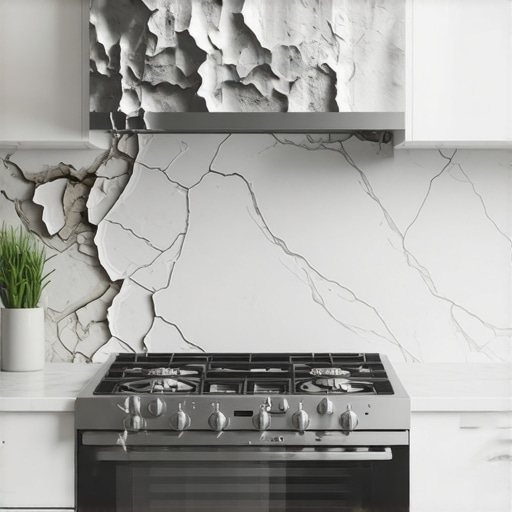
The frustration of “bleed-through” is a common story for those who attempt to paint their own cabinets without professional-grade materials. Imagine finishing a beautiful set of upper cabinets in a classic “Antique White.” Within 48 hours, the corners and grain lines start to show a tea-colored stain. No matter how many extra coats of paint you apply, the stain persists, seemingly “eating” through the new finish. This happens because most consumer-grade primers are water-based.
In the humid climate of Southeast Michigan, where moisture levels fluctuate between the lake-effect summers and the dry, heated winters of Novi and Livonia, wood behaves like a sponge. When you apply a water-based primer to a dark wood like oak, the water in the primer reactivates the natural oils and acids in the wood. These substances then migrate to the surface as the paint dries. To prevent this, INTERIOR PAINTER NEAR ME specialists use shellac-based primers (specifically Zinsser B-I-N) as a “pro secret” to create an impenetrable barrier that no water-based or oil-based product can match.
What are Tannins? The Science of Dark Wood
To understand why shellac is necessary, you must first understand the enemy: tannins. Tannins are naturally occurring polyphenolic compounds found in many plants, including the trees used for high-end cabinetry. In nature, tannins serve as a defense mechanism for trees, making the wood unpalatable to insects and protecting it from decay. However, for a BATHROOM REMODELER NEAR ME or a cabinet painter, they are a significant hurdle.
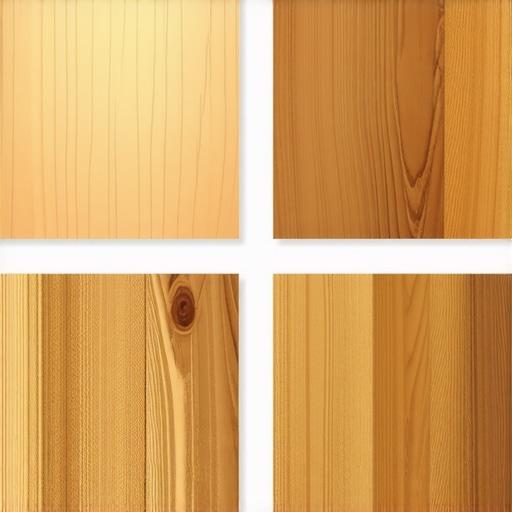
Tannins are particularly prevalent in “tannic” woods such as:
- Red and White Oak: The most common cabinet wood in Michigan homes.
- Cherry: Known for its deep red hues that can turn white paint pink.
- Mahogany and Walnut: Dark woods with high oil content.
- Knotty Pine: Where the “knots” contain concentrated resins.
The scientific catch is that tannins are water-soluble. When a water-based latex primer is applied, the water acts as a solvent, dissolving the tannins and “wicking” them through the wet film of the paint. As the paint dries, the tannins are deposited on the surface, leaving a permanent stain. Research shows that even “stain-blocking” water-based primers struggle with the aggressive tannins found in old-growth oak. This is why OAK PARK HOUSE PAINTERS and expert renovators avoid standard latex primers on dark wood; they simply lack the chemical structure to trap these oils permanently.
Why Shellac is the Gold Standard for Professional Painters
When it comes to high-stakes projects like kitchen remodeling livonia mi, professional painters rely on Zinsser B-I-N Shellac-Base Primer. Shellac is a resin secreted by the female lac bug on trees in the forests of India and Thailand. When dissolved in denatured alcohol, it creates a primer that has been the industry standard for over 75 years.
1. Ultimate Adhesion
One of the biggest challenges in cabinet painting is getting paint to stick to the existing factory finish. Most cabinets have a high-gloss conversion varnish or polyurethane topcoat. Shellac has the unique ability to “bite” into these slick surfaces without the need for heavy, destructive sanding. While a BATHROOM REMODELING FARMINGTON HILLS MI expert will still perform a scuff sand, the shellac provides the chemical “grab” needed to ensure the paint doesn’t peel off in six months.
2. Permanent Stain Blocking
Unlike water-based primers, shellac is alcohol-based. Since tannins are water-soluble, they do not dissolve in alcohol. When you spray shellac over a dark oak door, the tannins stay locked inside the wood fibers. The alcohol evaporates rapidly, leaving behind a hard, resinous film that acts as a physical shield. This is the only way to guarantee a “no-bleed” finish on problematic woods.
3. Rapid Dry Time and Project Efficiency
In the world of KITCHEN REMODELING CANTON MI, time is money. Homeowners don’t want to be without their kitchens for weeks. Shellac primer dries to the touch in 15 minutes and can be recoated or sanded in just 45 minutes. This allows a professional crew to apply two coats of primer and a first coat of enamel in a single day, significantly speeding up the project timeline compared to oil-based primers, which can take 24 hours to cure.
4. Odor and Smoke Sealing
If you are renovating an older home in Troy or Livonia that may have lingering smells from cooking or previous smokers, shellac is a lifesaver. It is widely recognized as the best product for sealing in odors. This is particularly useful for BATHROOM REMODELING TROY MI projects where moisture can often release old, trapped smells from wooden vanities.
Expert Insight: While shellac is more expensive per gallon and requires more careful handling due to its thin consistency and alcohol fumes, it is the only way to provide a lifetime guarantee on a cabinet transformation. For more on choosing the right wood for your project, see our article on Why Painted Maple Beats Oak for a Smooth Cabinet Finish.
Shellac vs. Oil vs. Water-Based Primers: A Comparative Analysis
When searching for a KITCHEN REMODELER NEAR ME, you might receive different advice on which primer to use. Let’s break down why shellac wins for cabinets:
| Primer Type | Best Use Case | Pros | Cons |
|---|---|---|---|
| Water-Based (Latex) | New Drywall | Low odor, easy cleanup | Causes tannin bleed; poor adhesion to gloss |
| Oil-Based | Exterior Wood | Good stain blocking | Slow dry time; yellows over time; high VOCs |
| Shellac-Based | Dark Cabinets | Fastest dry; best adhesion; stops all bleed | Thin consistency; requires alcohol for cleanup |
For a 5-day cabinet transformation, oil-based primer is often too slow. It can take days to fully off-gas, and if it isn’t perfectly cured, the topcoat may fail. Water-based primers are excellent for walls, but using them on dark wood cabinets is a gamble that usually ends in failure. This is why we recommend shellac for all BATHROOM REMODELING LIVONIA MI and kitchen projects involving dark-stained wood.
The Professional Application Process: How Mark Jaroszewski Ensures Perfection
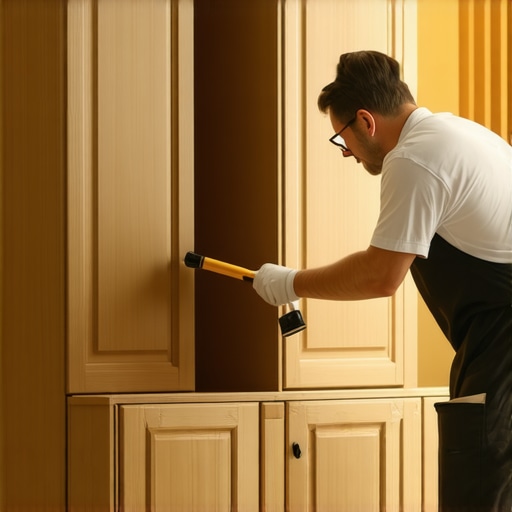
Applying shellac isn’t like applying standard wall paint. It requires a specific set of skills and safety protocols. Here is the process followed by Mark Jaroszewski and the team at Artisan Cabinet Workz to ensure a factory-grade finish:
Step 1: Deep Cleaning and Degreasing
Kitchen cabinets are covered in a thin film of cooking grease, skin oils, and dust. Before a drop of primer touches the wood, we use a heavy-duty degreaser like TSP (Trisodium Phosphate) or a professional-grade substitute. If the grease isn’t removed, even shellac won’t adhere properly. This is a step often skipped by a general EXTERIOR PAINTER NEAR ME, but it is vital for interior cabinet work.
Step 2: Scuff Sanding
We use 180-grit to 220-grit sandpaper to lightly “break” the surface of the existing finish. We aren’t trying to remove the stain; we are simply creating “micro-scratches” to give the shellac primer more surface area to cling to.
Step 3: Shellac Primer Application
Because shellac is very thin (it has the consistency of milk), we prefer to apply it using an HVLP (High Volume, Low Pressure) spray system. This allows for a perfectly even, thin coat without brush marks. For homeowners in Novi, this means a smoother, flatter finish that looks like it came straight from the manufacturer. We pay special attention to end-grains and joints where tannins are most likely to escape.
Step 4: Fine Sanding
One of the best characteristics of shellac is that it dries very brittle. Unlike latex primer, which can stay “gummy” and clog sandpaper, shellac sands into a fine white powder. We use 320-grit sandpaper after the primer has dried to knock down any raised wood grain. This results in a surface that is as smooth as glass.
Step 5: Topcoat Selection
Once the shellac has sealed the wood, we apply a high-end cabinet enamel. While an EXTERIOR PAINTING NOVI MI project might use flexible acrylics to handle Michigan’s temperature swings, interior cabinets require a hard, durable finish like a water-borne alkyd or a tinted lacquer. This ensures that your BATHROOM REMODELING CANTON MI project stays looking new for decades.
Pro Tip: If you are worried about the structural integrity of your current cabinets before painting, read our guide on 5 Signs Your Cabinet Bases Are Rotting Quietly Under the Sink.
Beyond Cabinets: Bathroom and Built-In Applications
The need for shellac isn’t limited to the kitchen. When performing BATHROOM REMODELING CANTON MI or BATHROOM REMODELING TROY MI, we often encounter dark oak or espresso-stained vanities. Bathrooms are high-moisture environments. Without a shellac barrier, the steam from your shower can actually pull tannins through the paint months after the job is finished.
Furthermore, many Michigan homes feature beautiful built-in bookshelves and fireplace mantels. If you’re planning a living room refresh, the same rules apply. For more ideas on how to modernize your storage, check out The Ultimate Guide to Custom Cabinets for a Stylish Kitchen Overhaul. And remember, if you’re working with a small space, be careful with your color choices – read Why You Should Never Use Glossy Black Cabinets in a Small Kitchen before you commit to a dark palette.
Conclusion: Why Professional Expertise Matters
Painting dark wood cabinets is one of the most cost-effective ways to increase your home’s value, but only if it’s done correctly. Skipping the shellac primer is the most common mistake made by DIYers and inexperienced LIVONIA HOUSE PAINTERS. While water-based technology is improving, it still cannot compete with the tannin-blocking power of alcohol-based shellac.
At Artisan Cabinet Workz, we don’t take shortcuts. Our process is designed to handle the specific challenges of Michigan homes, from the humidity of the summer to the unique wood species found in our local architecture. If you are looking for a KITCHEN REMODELER NEAR ME or need expert INTERIOR PAINTING NOVI MI, we are here to help. Our lead specialist, Mark Jaroszewski, brings years of logistics and painting expertise to every job, ensuring your project is planned, organized, and executed to the highest professional standards.
Ready to transform your kitchen or bathroom? Contact Us today for a consultation in Novi, Livonia, Canton, or Farmington Hills. Let’s give your cabinets the durable, high-end finish they deserve.