Why We Added Heavy-Duty Springs to Prevent Garage Door Cable Snaps
Why We Added Heavy-Duty Springs to Prevent Garage Door Cable Snaps
It usually happens at the worst possible moment – just as you’re backing out for a morning commute in Burlingame or heading into San Francisco for a dinner reservation. There is a sound like a gunshot echoing through the garage, followed by the sight of your garage door hanging crookedly, one side slumped and immovable. For many homeowners, the immediate assumption is that the cable snapped. While that may be technically true, as a specialist in garage door repair bay area, I can tell you that the cable is rarely the root cause. It is almost always a symptom of a failing spring system.
I am Lynn Lenardon, Co-Owner of Artisan Cabinetworkz. Over the years, our team has serviced thousands of homes from San Mateo to Redwood City, and we have seen the same story play out repeatedly. We decided to change our approach. We don’t just fix the immediate break; we upgrade the entire system. By implementing heavy-duty, high-cycle springs, we provide a permanent solution to a recurring problem. In this guide, I will explain the mechanical marriage between springs and cables and why upgrading your hardware is the smartest investment you can make for your home’s safety and functionality.
Understanding the Counterbalance System: Springs vs. Cables
To understand why we prioritize heavy-duty springs, you first have to understand the physics of your garage door. Most people assume the motor does the heavy lifting. In reality, the motor is just the “brain” that tells the door to move. The “brawn” comes from the counterbalance system, which consists of the springs and the cables working in tandem.
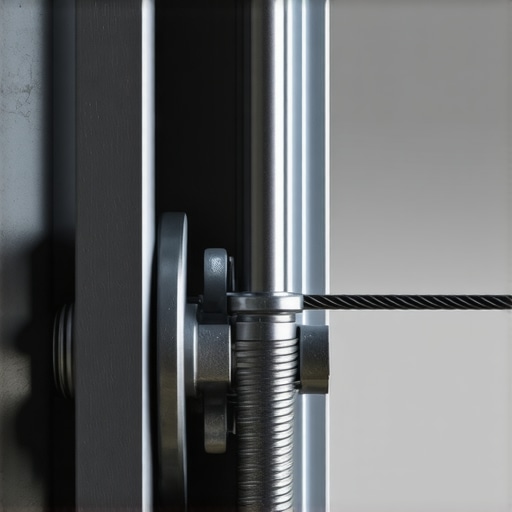
The springs are the primary source of power. Whether you have a torsion spring (located above the door) or extension springs (located along the tracks), these components are wound or stretched under incredible tension. This tension creates the energy needed to lift a door that can weigh anywhere from 150 to 500 pounds. The cables are the delivery mechanism; they transfer that massive amount of energy from the springs to the bottom of the door. When you need to fix garage door issues, you are essentially recalibrating this delicate balance of force.
Because these springs are under such extreme tension, they are inherently dangerous. This is why you should never attempt to adjust or replace them yourself. Professional videos demonstrating the lethal force of a snapping spring have garnered over 15 million views online, serving as a grim reminder that this is not a DIY project. When we perform a garage door repair, we treat these components with the respect their physics demand, ensuring every bolt is torqued and every cable is seated correctly in its drum.
Why Standard Springs Fail Early in the Bay Area
The garage door industry has a “standard” for springs, which is typically 10,000 cycles. One cycle is defined as the door opening and closing once. For a family that uses their garage as the main entrance to their home, opening the door four to five times a day, those 10,000 cycles vanish in about five to six years. However, in the bay area garage doors face unique environmental stressors that often cut that lifespan even shorter.
In San Francisco and Pacifica, the salt air is a constant presence. Salt is highly corrosive to the high-carbon steel used in standard springs. Once rust begins to pit the surface of the metal, it creates “stress risers” – tiny cracks that expand every time the spring coils and uncoils. In more inland areas like San Mateo and Redwood City, the fluctuating humidity can cause moisture to sit in the coils, leading to internal oxidation. This environmental degradation is a primary reason why we see an increased demand for garage door repair bay area residents didn’t expect to need so soon. Standard springs simply aren’t built for the coastal “microclimates” we live in.
The “Snap” Chain Reaction: How Weak Springs Kill Cables
When a spring begins to lose its tension – either through age, metal fatigue, or corrosion – it no longer provides the necessary lift. This forces the rest of the system to compensate. The cables, which are designed to pull a balanced load, suddenly find themselves bearing the brunt of the door’s dead weight. This leads to a catastrophic chain reaction.
First, the cables begin to “creep” on the drums. Because the spring isn’t holding the door level, the cable on the weaker side may lose tension when the door is in the up position, causing it to slip off the track. Second, the individual steel strands that make up the cable begin to fray under the uneven load. If you see “hairs” sticking out of your cable, you are looking at a garage door cable repair emergency waiting to happen. Finally, the cable snaps. When one cable goes, the door usually crashes down on one side, often bending the tracks and damaging the rollers.
By the time a homeowner calls us for garage door cable replacement, the damage is often extensive. We frequently find that the fix garage door spring request we received was only the tip of the iceberg. The motor has been strained, the tracks are misaligned, and the cables are shredded. This is why we advocate for a proactive upgrade to heavy-duty springs before the “snap” occurs.
The Heavy-Duty Solution: High-Cycle Springs Explained
At Artisan Cabinetworkz, we don’t believe in the 10,000-cycle standard. We believe in “High-Cycle” springs. These are heavy-duty torsion springs engineered with a larger wire gauge and a longer coil length, typically rated for 25,000 to 50,000 cycles. While a standard spring might last five years, a high-cycle spring can easily last 15 to 20 years, even with heavy use.
The cost-benefit analysis is clear. While the initial investment for a garage door spring replacement using high-cycle hardware is slightly higher, it saves the homeowner from the high costs of urgent garage door repair down the line. You aren’t just paying for a piece of steel; you are paying for the peace of mind that your door will open every single time you press that button. Furthermore, high-cycle springs are often powder-coated or galvanized, providing an extra layer of protection against the Bay Area’s salty, humid air.
When we install these springs, we also upgrade the cables to a thicker aircraft-grade galvanized steel. This ensures that the entire counterbalance system is synchronized for longevity. This holistic approach is what differentiates a “quick fix” from a professional restoration.
Why Your Custom Garage Storage Requires a Functional Door
You might wonder why a company known for high-end cabinetry is so focused on garage door mechanics. The answer is simple: the garage door is the “fourth wall” of your storage sanctuary. We spend a significant amount of time helping clients maximize space with innovative storage solutions for every room, and for many, the garage is the crown jewel of that effort.
We’ve seen cases where a why emergency garage door repairs often start with clearing out your custom cabinets becomes a logistical nightmare. If a cable snaps and the door is stuck in the closed position, your car is trapped, and your access to your custom cabinets ideas that transform your home’s style is completely cut off. Even worse, if the door falls because of a spring failure, it can crush the very cabinetry and equipment you’ve invested in.
A functional, high-cycle door system protects your investment. Whether you have why we added metallic epoxy floors to modern garage workshops or a wall of custom tool lockers, the reliability of your door is the first line of defense for everything inside. We view the garage door as a critical component of the home’s infrastructure, just like the roof or the HVAC system.
Signs You Need an Urgent Garage Door Inspection
Prevention is always cheaper than a 2:00 AM emergency garage door repair. If you notice any of the following signs, it is time to call in a professional for an inspection of your springs and cables:
- The “Hot” Motor: If your opener feels hot to the touch or sounds like it’s struggling, the springs are likely failing, forcing the garage door opener repair needs to escalate.
- Visible Gaps: Torsion springs are one continuous coil. If you see a two-inch gap in the middle of the spring, it has already snapped.
- Frayed Cables: Any visible wear on the cables is a sign that they are bearing an uneven load. You need garage door cable repair immediately.
- Slow Operation: If the door takes significantly longer to open than it used to, the spring tension has likely dropped.
- Squeaking and Grinding: While many homeowners try a “Silence the Squeak” DIY lube, this is usually a temporary fix for a much larger mechanical issue.
- The Door “Dips”: If the door seems to sag or dip on one side as it opens, a cable is likely slipping or a spring is losing its “memory.”
Ignoring these signs often leads to the need for fix garage door opener services, as the added weight of a dead door will quickly burn out the gears in even the highest-quality motor units.
Conclusion: Investing in Peace of Mind
At Artisan Cabinetworkz, our commitment to the residents of Burlingame, San Mateo, Redwood City, and San Francisco goes beyond just aesthetics. We want your home to work for you, not against you. Upgrading to heavy-duty, high-cycle springs is more than just a garage door repair bay area service – it is an investment in the safety of your family and the longevity of your home.
By addressing the root cause of cable failure, we eliminate the risk of sudden, dangerous snaps and the costly secondary damage they cause. Don’t wait for the sound of that “gunshot” in the middle of the night. Whether you need a commercial garage door repair for your business or a residential upgrade for your custom garage, our team is here to ensure your door operates smoothly for decades, not just days.
Contact Artisan Cabinetworkz today to book a comprehensive safety inspection and see how a high-cycle upgrade can transform your garage’s reliability.