Why Your Pantry Pull-Outs Keep Sticking and the Fast Fix
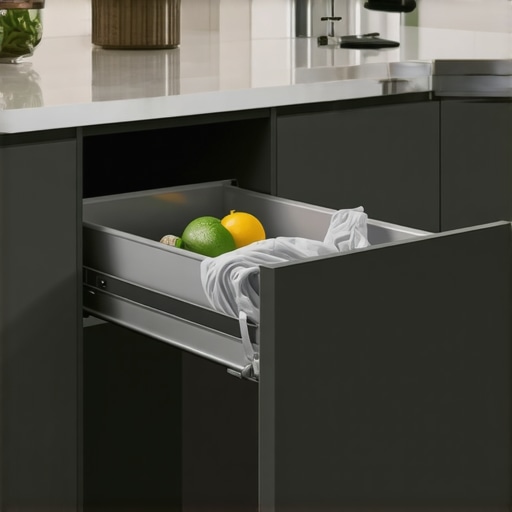
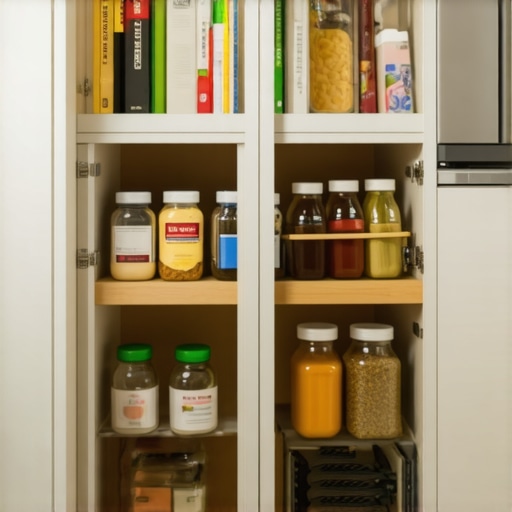
I remember the exact moment I realized my pantry was turning into a daily obstacle course. I reached for that jar of pasta sauce, only to have the entire drawer jam mid-slide, causing half my carefully organized items to spill onto the floor. Frustrated, I wondered: why does this keep happening? And more importantly, how can I make it stop? If you’ve ever experienced a pull-out shelf that refuses to glide smoothly without effort, you’re not alone. Pantry pull-outs are supposed to make storage convenient, but when they stick, they feel more like a burden than a helper.
Let’s Talk About Why Your Pantry Pull-Outs Are Sticking
Pull-out shelves are a game-changer—when they work. But over time, many homeowners find their once-gliding drawers become stiff or unsmooth, turning simple access into a frustrating chore. The common culprits include dirt and grime buildup, misaligned tracks, or warped cabinet components. Early on, I made the mistake of ignoring the importance of regular cleaning and maintenance—thinking lubricant alone would fix everything. Turns out, neglecting proper alignment and the condition of the slides was the real issue. According to the National Kitchen & Bath Association, proper maintenance of your cabinet hardware is essential for longevity and smooth operation. This was a wake-up call for me, and I bet it’s a common story among DIY-enthusiasts.
Knowing the root causes is crucial. Now, you’re probably wondering—can this be fixed quickly, or does it require a full remodel? The good news is, many of these issues have simple, fast fixes. But first, let’s address some common misconceptions and ensure we’re not making the same mistakes I did early on. For instance, using the wrong type of lubricant or ignoring the importance of precise alignment can turn a quick fix into a long-term headache.
Is Making Your Pull-Outs Glide Like New Really Worth It?
One of my biggest skepticism was whether a few DIY adjustments could truly restore smoothness without replacing the entire system. I used to think, “If it’s that old, it might need a complete upgrade.” But in reality, I learned that proper cleaning, lubricating, and realigning tracks can often extend the life of existing hardware significantly. I also discovered that choosing high-quality, soft-close slides can prevent sticking issues down the line, saving you money and hassle. If you want to explore options for upgrading your storage to prevent future problems, take a look at this useful guide on custom cabinets and built-ins. Improving your cabinet hardware maintenance is not just about fixing a stuck drawer—it’s about creating a kitchen that functions beautifully for years to come.
Now that we’ve set the stage with understanding why pull-outs stick, let’s dive into the practical solutions that will help you glide through your kitchen chores with ease. Ready to troubleshoot your drawers and reclaim your kitchen? Great! The next steps are simpler than you think—and I promise, you’ll be surprised at how quickly you can restore perfect operation.
First Things First: Clean and Inspect the Tracks
Begin by removing the pull-out drawers gently. Use a vacuum or soft brush to clear away dust, crumbs, and debris from the tracks and rollers. Apply a damp cloth to wipe down, then dry thoroughly. I once neglected this step, leading to a heavier mess that required multiple attempts to clean. Properly cleaning your hardware prevents dirt buildup from causing resistance and wear over time.
Identify Misalignments or Damage
Check if the tracks are properly aligned with the drawer. Look for signs of warping, bending, or broken parts. If a track is misaligned, loosen the Screws while supporting the track with your hand, adjust as needed, then tighten again. This precise adjustment can turn a hard-to-move drawer into one that glides smoothly. When I fixed a misaligned track on my own cabinet, I was surprised how easily the drawer then operated, saving me a costly replacement.
Lubricate for Effortless Sliding
Select a silicone-based or Teflon spray designed for cabinet hardware. Spray a light coat onto the tracks and rollers. Avoid oil-based lubricants, which can attract dust and cause sticky build-up. I used a silicone spray I had on hand, and after a few pulls, the drawer became almost weightless—like a brand new system. Remember, over-lubricating can attract extra grime, so apply sparingly.
Test and Fine-Tune
After lubrication, slide the drawer in and out several times. Observe any sticking points or resistance. If necessary, make small adjustments to track alignment or add a second light spray. An iterative approach helped me achieve near-perfect glide, and now I enjoy effortless access to my pantry items.
Consider Upgrading Hardware for Long-Term Ease
If your current slides are old or damaged beyond simple repair, upgrading to high-quality, soft-close slides can make a world of difference. Soft-close hardware not only glides better but quietly closes, reducing wear and tear. I upgraded my pull-outs last year using a kit recommended by experts, and the difference was immediate. For more details on modern storage options that enhance your kitchen, explore these innovative storage solutions.
Align and Anchor New Hardware Correctly
During installation, ensure tracks are perfectly level and flush with the cabinet face. Use a level and measure from both sides to verify. Proper alignment prevents future sticking and extends hardware lifespan. When I installed new slides in my pantry, I double-checked with a level after tightening, saving me from uneven operation later.
Prevent Future Sticking with Maintenance
Schedule quarterly cleaning and lubrication sessions, especially if your kitchen sees heavy use. Keep an eye out for signs of misalignment or damage so you can address issues before they worsen. This routine maintenance has kept my pantry pull-outs smooth for years, avoiding costly replacements and frustration.
Many homeowners and even seasoned designers often rely on common beliefs about custom cabinetry and built-ins, but the reality is far more nuanced. One widespread misconception is that opting for high-end materials alone guarantees durability and timeless style. While quality materials matter, the true longevity and aesthetic appeal depend heavily on expert craftsmanship and proper installation. Skipping this crucial step can lead to misalignments, warping, or even premature failure, which not only costs more long-term but also compromises the overall design vision. According to the National Association of Home Builders, meticulous installation practices are essential for realizing the full potential of custom cabinetry, ensuring seamless functionality and aesthetic harmony. So, don’t fall into the trap of only focusing on materials—invest in skilled craftsmanship for a truly elevated result.
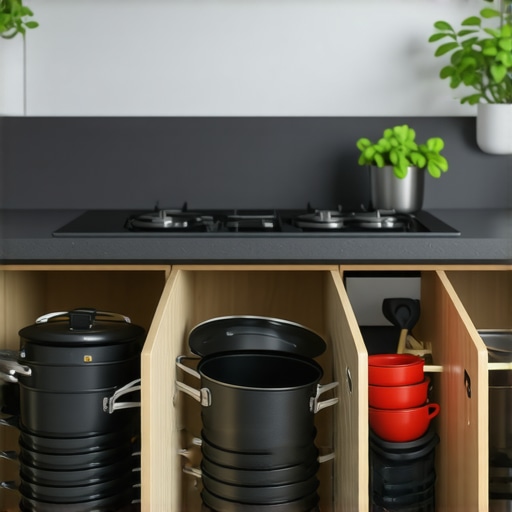
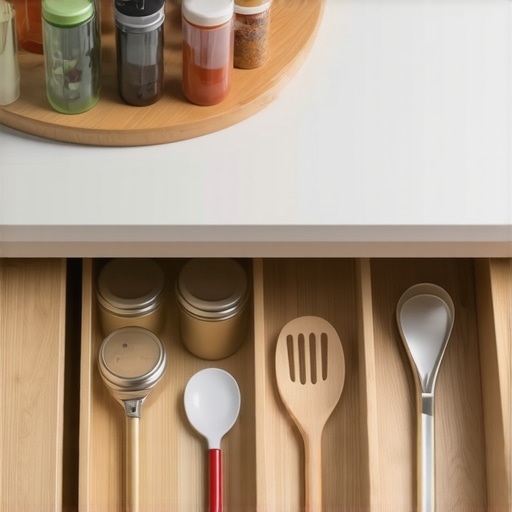
Another often-ignored nuance involves the storage solutions integrated within these custom designs. Many assume that traditional shelving and standard drawers suffice, but the deeper advantage lies in tailored features like vertical dividers, pull-out spice racks, or hidden compartments. These innovations maximize space efficiency and organization—crucial in modern, smaller kitchens. For example, incorporating a secret spice drawer not only frees up counter space but also streamlines cooking workflows. Explore how to revolutionize your kitchen with these creative storage ideas.
Now, here’s a trap to avoid when planning your remodel: underestimating the importance of precise measurements and accessible design. Many rush into ordering or building without double-checking space allowances or ergonomic standards, leading to misfits or uncomfortable usage. Advanced homeowners ask, “How can I ensure my built-ins are both functional and future-proof?” The answer involves detailed space planning, considering factors like door swing clearance, user height, and even future needs. For insights on this, see tips on selecting optimal storage solutions.
Let’s dig deeper into the details that distinguish professional-grade projects from ordinary upgrades. When you opt for custom cabinets, paying attention to scribing end panels against uneven surfaces or choosing between inset and overlay styles makes a visible difference. These nuanced choices influence not only aesthetics but also long-term maintenance and adaptability. An overlooked detail like proper edge banding on plywood can prevent water damage and warping, extending the life of your investment.
In summary, the truth about custom cabinets and built-ins goes well beyond superficial choices. It requires understanding the importance of craftsmanship, tailored storage innovations, precise measurements, and attention to detail. Remember, a well-designed kitchen isn’t just about looks—it’s about smart solutions that serve your needs for years to come. Have you ever fallen into this trap? Let me know in the comments, and let’s keep the conversation going.Maintaining your custom kitchen fixtures isn’t just about fixing problems as they arise; it’s about implementing a routine with the right tools and methods that ensure long-term performance. One essential piece of equipment I swear by is a high-quality cordless oscillating multi-tool. Its versatility allows me to perform precise sanding, grinding, and even minor carpentry repairs without switching devices, saving time and reducing errors. The Fein MultiMaster, for example, provides variable speed settings and a broad range of attachments, making it indispensable for tasks like cleaning track rollers or removing stubborn grime from hinges.
Another critical component in my toolkit is a digital level with a built-in laser. Proper alignment of shelves and sliding hardware is vital for smooth operation. I prefer models with a Bluetooth connection, like the Bosch GLL 3-80, which connect to my smartphone, allowing me to check and record measurements accurately during installation or maintenance. Ensuring the tracks are perfectly level prevents future sticking issues and extends the lifespan of your hardware.
Why Having an Effective Lubrication System Matters
Proper lubrication minimizes metal-on-metal friction, reducing wear and preventing squeaks. I use a silicone-based spray like 3-IN-ONE Professional Silicone Spray because it’s less sticky and attracts less dust compared to oil-based lubricants. Regular application—every 3 to 6 months—keeps slides gliding effortlessly, especially in high-use areas. An often-overlooked tip is to keep a small squeeze bottle of lubricant on hand for quick touch-ups during routine cleaning. If you notice increased effort when opening drawers or doors, it’s time for a quick spray and realignment.
Thinking ahead, I’ve started experimenting with smart maintenance monitoring systems. These involve installing tiny sensors on tracks or hinges that notify you via an app when movement resistance increases, signaling the need for cleaning or repair. While still emerging, this technology could revolutionize how homeowners care for their built-in systems, ensuring optimal performance over decades. Based on current trends, I predict integration of IoT sensors in cabinetry will become standard, making proactive maintenance seamless and preventing costly rebuilds.
How do I keep my cabinetry hardware in good shape over time?
Adopting a disciplined routine—cleaning, lubricating, and inspecting hardware every few months—can drastically extend its lifespan. Using the right tools, like my cordless multi-tool and laser level, makes this process efficient and precise. For example, during my last renovation, I replaced worn-out track rollers with high-quality, soft-close equivalents, which dramatically improved operation. Always measure and verify installation accuracy to prevent future sticking or misalignment. Additionally, I recommend exploring anti-friction pads or self-lubricating hinges designed specifically for heavy-use applications, available through specialty suppliers. These upgrades reduce maintenance frequency and enhance overall durability. For further ideas on upgrading your storage, check out this innovative guide on storage solutions. Don’t wait for cabinet troubles to pile up—try installing a laser-guided leveling system on your next hardware check, and experience the difference firsthand.
What No One Tells You About Repairing Cabinets
One of my biggest lightbulb moments was realizing that proper hardware installation is the difference between sleek, functional storage and a sticky nightmare. Skimping on precise measurements or ignoring the importance of quality hinges leads to repeated sticking and misalignment. Investing in the right tools and paying attention to detail ensures your custom cabinets stay beautiful and effortless to use over time.
The Hidden Cost of Choosing the Cheapest Materials
Choosing budget-friendly materials might save money upfront, but I’ve learned that low-quality plywood or particle board often warps or deteriorates much faster, especially in moisture-prone areas like kitchens. Prioritizing durable, water-resistant finishes and quality core materials preserves both the look and function of your built-ins for decades. My advice? Think long-term—your future self will thank you.
What I Wish I Knew About Seamless Integration
Integrating built-ins seamlessly with existing walls and flooring is an art form. I underestimated the importance of scribing and custom edge treatments, which can make or break the visual harmony of your space. Taking the time to ensure everything is precisely fitted makes your cabinetry look like a cohesive part of your home rather than an afterthought. This attention to detail elevates your entire remodel.
Where Quality Hardware Truly Pays Off
Upgrading to soft-close, heavy-duty sliders was one of the best decisions I made. Not only did it eliminate annoying slams, but it also extended the life of my cabinetry. Choosing hardware with solid construction and smooth operation prevents issues down the line and enhances the luxury feel of your space. Remember, hardware is like jewelry for your cabinets; don’t settle for less than the best.
The Power of Routine Maintenance
Regular cleaning, lubrication, and inspection might seem trivial, but they’re essential for longevity. I set a quarterly reminder to check my pull-outs, reapply lubricant, and tighten loose screws. This proactive approach avoids costly repairs and keeps everything gliding effortlessly. Think of it as giving your investment a spa day—it keeps it looking and functioning like new.
My Curious Finds for Future-Proofing
Smart sensors embedded in cabinetry could revolutionize maintenance routines. Some innovative brands now offer IoT devices that alert you to increased resistance or misalignment. While still emerging, these technologies could save time and hassle in the long run. Keeping an eye on these advancements might give you an edge in maintaining killer built-ins for years to come.