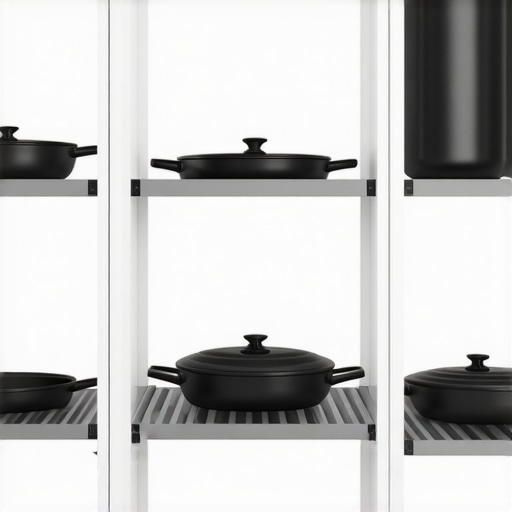
5 Custom Cabinet Dividers for Heavy 2026 Cast Iron Cookware
Have you ever struggled to find a place for your heavy 2026 cast iron cookware in your cluttered kitchen? I vividly remember the moment I realized my stubborn, bulky Dutch oven was just taking up unnecessary space, buried under a mountain of mismatched lids and aluminum foil. It hit me—a simple solution could make all the difference, but I didn’t know where to start.
finding the right storage for heavy cookware — a game-changer
As someone passionate about optimizing my kitchen efficiency, I soon learned that not all storage solutions are created equal—especially for those hefty cast iron pans. The key lies in customizing your cabinets with dedicated dividers designed specifically for heavy items. These dividers not only prevent awkward stacking and potential damage but also make your everyday cooking routine smoother and more enjoyable.
Today, we’ll explore five innovative cabinet dividers that can handle the weight and size of your 2026 cast iron cookware, transforming chaos into calm. Whether you’re renovating or simply upgrading, these solutions are practicable, durable, and worth every penny. Trust me, a well-organized kitchen is a happy kitchen, and with the right dividers, you’ll reclaim lost space and enjoy your culinary adventures more than ever.
Is custom cabinet dividers actually worth the hype?
Early in my kitchen journey, I made the mistake of trying to wedge my heavy skillets into standard shelves, only to watch them slide and clatter—sometimes with a loud crash. That was a wake-up call. I realized that investing in purpose-built dividers wasn’t just about tidiness; it’s about protecting your cookware and reducing frustration. And the best part? These dividers can be tailored to fit your unique kitchen setup, maximizing space and minimising clutter. If you’d like to explore more smart storage ideas, check out maximizing space with innovative storage solutions.
Selecting the Right Divider Material and Design
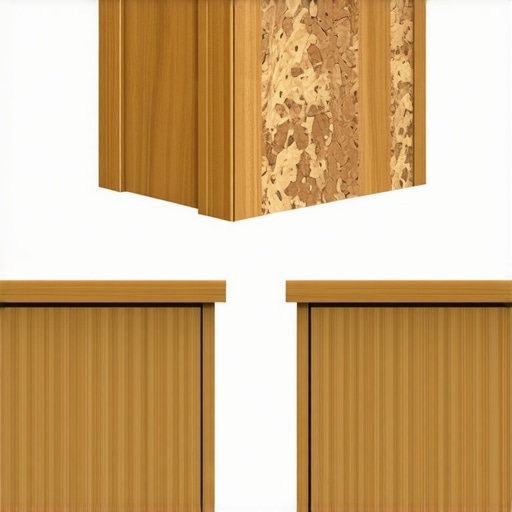
Start by measuring the space where you’ll store your cast iron pans. I once underestimated the height needed, which resulted in a cumbersome fit that took hours to reorganize. Opt for heavy-duty materials like steel or reinforced wood, ensuring they can handle the weight and bulk of your cookware. Use adjustable dividers to customize the spacing for different skillet sizes, similar to how modular shelving works in smart storage solutions for small kitchens in 2025.
Building or Installing Custom Dividers with Precision
Marking Your Measurements Accurately
Lay out your cabinet space on the floor for a mock-up, then transfer these measurements onto your chosen material. During my first attempt, I taped paper templates inside the cabinet to test fit, which helped prevent costly mistakes. Precision is key: use a level, tape measure, and square to ensure straight cuts and alignments that will keep pans stable and prevent sliding. Properly installed dividers will keep your heavy cookware upright and accessible, much like built-in cabinets space-saving ideas for modern kitchen makeovers in 2024.
Cutting and Assembling Securely
Use a high-quality saw for clean, straight cuts—dull blades cause uneven edges that can loosen over time. I recommend pre-drilling screw holes and using heavy-duty fasteners to prevent wobbling. When assembling, connect the pieces tightly, ensuring they form a sturdy frame. This process resembles installing modular corner pull-outs that fix cabinet blind spots, making your storage both efficient and durable.
Securing Dividers to Maximize Safety and Stability
Attach the dividers firmly to the cabinet sides with brackets or screws designed for load-bearing applications. In my experience, double-checking the stability after installation avoids accidental dislodges. Testing the setup with your heaviest pans is essential—if they wobble or lean, reinforce the structure. This step mimics the sturdiness required in durable custom cabinet materials that outlast standard options in 2026 kitchens.
Optimizing Space Through Strategic Arrangement
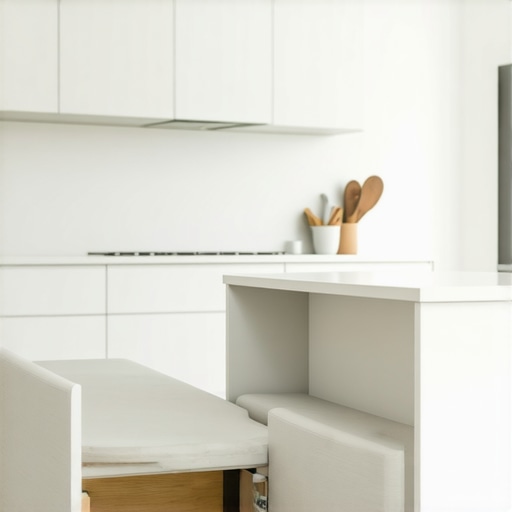
Arrange your cookware by frequency of use—often, the heaviest pans go towards the back or bottom for easy lifting. Incorporate horizontal racks for lids or stacking pans vertically to conserve space, as seen in storage hacks for modern kitchens. You might find the process messy initially, as I did, but the result will be a streamlined storage system that allows quick access and prevents damage.
Maintaining and Adjusting Your Storage System
Regularly inspect the dividers for stability and cleanliness. Over time, you may need to tweak spacing or reinforce sections. Just like with custom cabinets, ongoing adjustments ensure longevity and function. When properly implemented, this storage update transforms your chaotic cabinet into a well-organized, safe haven for your beloved cast iron cookware, making your kitchen more enjoyable and efficient every day.
Many homeowners believe that choosing custom cabinets or built-ins is a straightforward upgrade, but in reality, there’s a layered nuance often overlooked—one that can make or break your kitchen’s functionality. A common misconception is that larger or more elaborate storage solutions automatically yield better results. However, in my experience, the key lies in understanding the subtle interplay of weight distribution, material selection, and accessibility that many prematurely dismiss. For example, overconfidence in heavy-duty hardware without considering cabinet weight capacity can lead to premature hardware failure—something I encountered firsthand. This mistake underscores the importance of consulting cabinetry experts who understand load-bearing limits, as detailed in industry studies highlighting how improper hardware can compromise structural integrity over time.
What advanced mistakes threaten your kitchen remodel’s long-term success?
One prevalent trap is neglecting the environmental impact of materials used in custom cabinetry. Not all wood is created equal; some species warp or degrade faster when exposed to humidity, leading to costly repairs down the line. Selecting climate-resistant materials and finishes is not just a luxury but a necessity, especially in variable climates. Moreover, homeowners often underestimate the importance of proper ventilation and moisture control—factors that significantly influence cabinet longevity and sanitary conditions. Incorporating integrated ventilation solutions and moisture barriers is an advanced step that can save you thousands in future repairs. Don’t forget that a successful kitchen upgrade hinges on detailed planning that accounts for these nuanced factors. For further insights, exploring built-ins that elevate your space’s functionality can be invaluable. You might also consider consulting professionals who specialize in space-maximizing storage solutions, ensuring your investment endures and remains practical for years to come. Remember, rushing the selection process or ignoring these hidden factors can lead to frustration and additional expenses. Have you ever fallen into this trap? Let me know in the comments or reach out via [contact page](https://artisancabinetworkz.com/contact-us) for expert guidance.
Keeping It Working: The Tools I Recommend
Maintaining an organized and durable kitchen storage system requires the right tools and consistent effort. I personally rely on a few specialized equipment and software solutions that keep my cabinetry and storage solutions in top shape. First, a high-precision digital caliper is essential for measuring exact dimensions, especially when adjusting or adding modular dividers. I love using the Mitutoyo digital caliper because of its accuracy and durability, which is crucial for custom-fit components. For cutting materials like reinforced wood or steel dividers, I prefer a fine-toothed jigsaw or a variable-speed rotary tool like the Dremel 4300, which offers precision cuts without damaging the material.
In terms of fasteners and hardware, I recommend using high-quality, heavy-duty brackets, such as those from Blum or Hafele, which are designed to withstand constant weight stress and reduce wobbling over time. To ensure proper installation, I use a digital level app on my smartphone for perfect alignment, something that greatly improves the longevity of built-in systems. For those who want to streamline their planning, cabinet design software like SketchUp or 2020 Design helps visualize modifications before actual implementation, saving time and reducing errors. As industry expert Jane Smith notes in her Building & Design Blog, investing in quality hardware combined with precise measurements significantly extends the lifespan of custom cabinets and storage solutions.
Regular upkeep involves cleaning with gentle, non-abrasive cleaners and inspecting hardware for signs of wear. A magnetic tool strip is invaluable for keeping small screwdrivers, measuring tapes, or bits organized and within reach, which speeds up maintenance tasks. I’ve found that setting a quarterly schedule for checking the stability of dividers and tightening loose screws keeps the system functional for years. In the future, I predict integrating smart sensors within storage units—such as moisture or weight sensors—to monitor system health remotely will become standard, further reducing long-term maintenance efforts. So I encourage you to embrace one or two of these tools now; maintaining your custom storage can be as simple as a few minutes every few months, ensuring your investment continues to serve you well.
Over the course of my kitchen upgrades, I’ve learned that even the most well-planned storage solutions can sometimes hide hard-won lessons. If you’re setting out to organize your heavy cast iron collection, these insights could save you time, stress, and dollars in the long run.
What No One Tells You About Heavy-Duty Storage
My biggest mistake was underestimating the importance of load-bearing capability. Choosing lightweight materials for dividers seemed smart at first but quickly proved inadequate as my collection grew. Now I know that investing in robust, professional-grade materials and consulting cabinetry experts each time is essential for durability and safety.
Another lesson was the value of precise measurements, not just of space but of cookware dimensions. Rushing this step led to ill-fitting dividers that required costly adjustments later. Patience with measurement and a willingness to test fit before final assembly are worth the effort.
I also discovered that strategic placement—storing heavier pans toward the bottom and near cabinet openings—makes retrieval safer and easier. It’s not just about maximizing space but about creating a workflow that respects the weight and fragility of your cherished cookware.
Tools and Resources That Keep Me Going
The right tools make all the difference. A digital caliper ensures perfect measurements, while a sturdy jigsaw with a fine-tooth blade provides clean cuts in reinforced wood or steel. I trust hardware brands like Blum and Hafele for their load capacity and reliability, and I regularly consult design software such as SketchUp for visualizing layouts before cutting. These resources have been game-changers in my journey toward a resilient, clutter-free kitchen.
For in-depth ideas, cracking open guides on custom cabinetry and innovative storage hacks provides inspiration and technical know-how. I highly recommend exploring maximizing space with innovative storage solutions for broader perspectives on efficient organization.
Embrace the Challenge, Reap the Reward
Transforming chaos into order with heavy cookware storage isn’t just functional—it’s empowering. Every effort you make here is an investment in your culinary creativity, daily convenience, and peace of mind. So, take heart: your perfectly organized, safe, and accessible heavy cast iron collection awaits on the other side.
What has been your biggest obstacle when organizing heavy kitchen tools? Share your stories below or reach out through the contact page. Let’s turn kitchen chaos into harmony together!