How to Adjust Concealed Hinges to Level Uneven Cabinet Doors
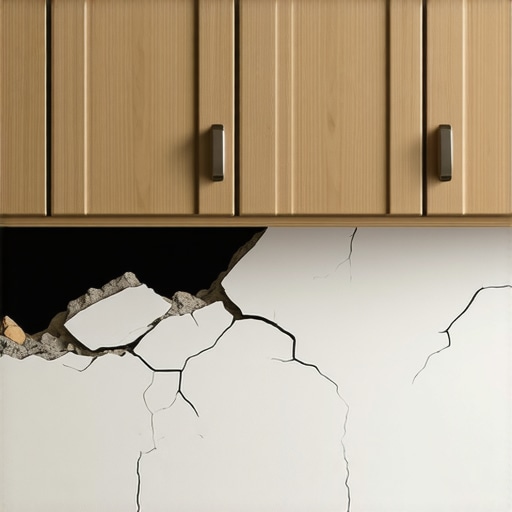
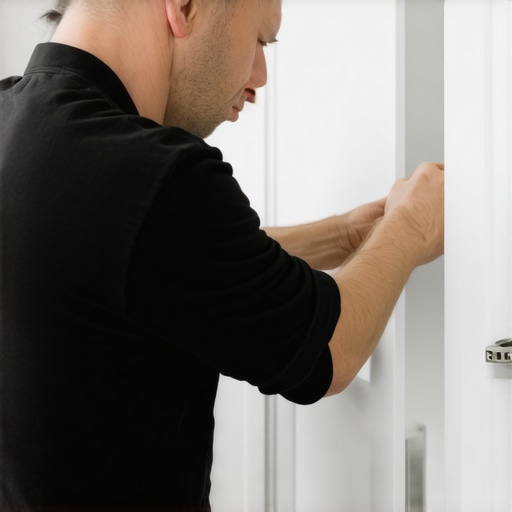
I remember the sinking feeling when I finally installed my new kitchen cabinets and noticed one door drooping a little, casting a shadow on the perfectly aligned others. It was a small imperfection, but enough to ruin the sleek look I was aiming for. I was frustrated, thinking about all the times I had to tweak hinges, only to find that some doors stubbornly refused to sit just right. That lightbulb moment hit me—these tiny misalignments could be fixed, and easily, once I understood the trick with concealed hinges.
Why Leveling Your Cabinet Doors Matters More Than You Think
Uneven cabinet doors aren’t just an eyesore; they can impact the entire feel of your kitchen, making it look poorly finished—even if the cabinets themselves are top-notch. But here’s the thing: many homeowners shy away from adjusting hinges because they assume it’s complicated or risky. Trust me, I once made the mistake of ignoring a misaligned door, thinking I’d need expensive repairs, only to realize a simple hinge adjustment was all that was needed. That early mistake set me back in time and confidence, but it also taught me the value of knowing how to tweak those concealed hinges properly. Proper adjustments can transform your cabinets from crooked and cluttered to polished and professional-looking. If you’re like me, you want your home to look its best and avoid the costly mistake of calling a handyman for something you can fix yourself. Want to dive deeper? Explore how custom cabinets can be a game-changer in your remodel here.
Will This Adjustment Really Make a Difference?
Absolutely. When I first tried to fix my misaligned door without understanding the hinge mechanics, I only made things worse. But once I learned the subtle art of hinge adjustment, I could level my doors in minutes. A good tip: concealed hinges are designed to be adjustable, so don’t be afraid to give them a turn—or two. If you’re worried about messing things up, note that many adjustments are reversible and don’t require removing the entire hinge. Plus, knowing how to level your doors boosts your confidence and saves money. For more ideas on optimizing your kitchen space, check out smart storage solutions for small kitchens in 2025 here.
Are you tired of battling with stubborn cabinet doors that just won’t align? If so, you’re in the right place. Let’s get into the practical steps so you can achieve a perfectly level cabinet door with minimal fuss. The first challenge often is understanding why some hinges are more finicky than others—and that’s what we’ll cover next.
Pull Out the Tools and Prepare
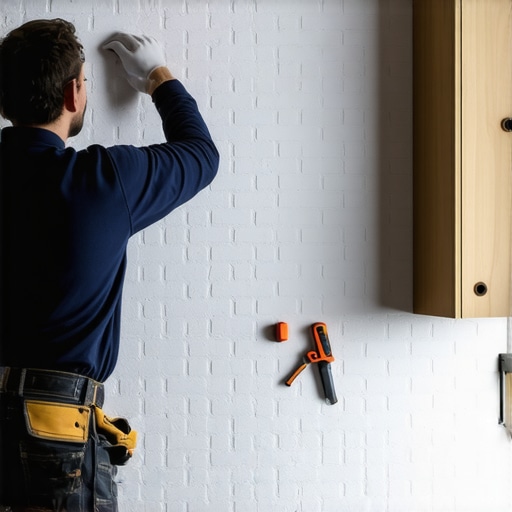
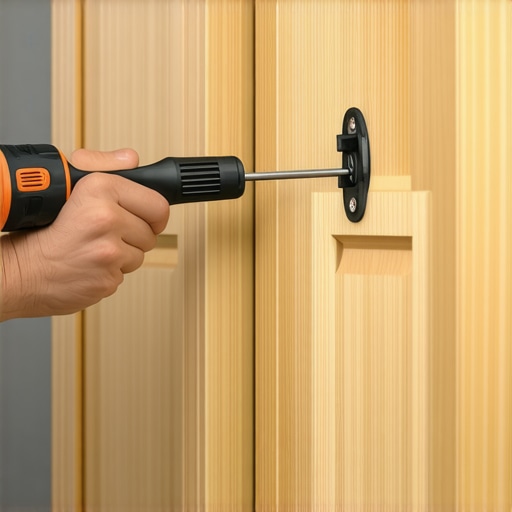
Before diving into adjustments, gather a Phillips-head screwdriver, a small Allen wrench (if applicable), and a cordless drill with Phillips and hex bits. I learned this the hard way during my first attempt—trying to tighten hinges with a butter knife just made things worse. Laying out your tools now ensures minimal interruptions later and helps you stay organized, especially if your cabinets are tricky or have multiple hinges to tweak.
Identify the Adjustment Screws
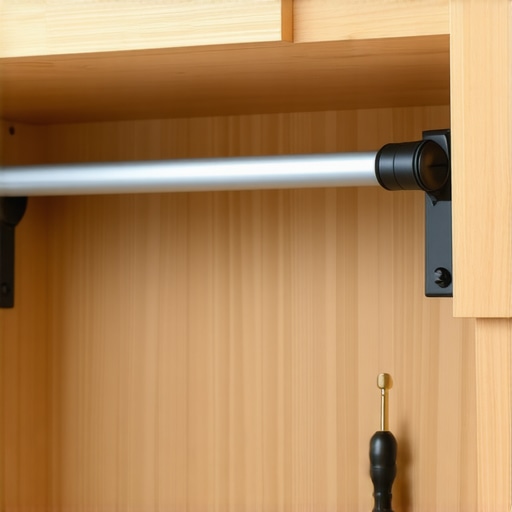
Concealed hinges usually have three adjustment screws—horizontal, vertical, and depth adjustments. The horizontal screw shifts the door side to side, the vertical adjusts its height, and the depth screw controls how far inward or outward the door sits. During my messy first try, I kept turning the wrong screw and wondered why nothing moved. Recognizing which screw does what makes future fine-tuning a breeze and prevents undoing previous efforts.
Adjust the Horizontal Alignment
To correct a door that leans or gaps unevenly, turn the horizontal screw clockwise or counterclockwise. Imagine pushing a swing left or right—you’re shifting the door to sit flush with neighboring doors. I once had a door sticking out because I overlooked this step, causing a domino effect of misalignments. Carefully tiny adjustments are key—turn a quarter turn, then step back to see the result. It’s a subtle art, but worth the effort for a sleek look.
Level the Height with Vertical Tweak
Proper vertical alignment ensures the top and bottom edges of the door are even with adjacent cabinet doors. Use the vertical screw, turning it a small amount to lift or lower the door. Think of it like adjusting the legs on a table; small turns change the height gradually. During my last project, I took notes on which direction raised or lowered the door—saving me time in future adjustments and avoiding a wonky line that would have distracted from the overall aesthetic.
Fine-Tune Depth for a Seamless Fit
The depth screw controls how much the door protrudes or recedes. If the door is slightly misaligned at the edge, a small turn inward or outward can make a significant difference. Picture it as adjusting the depth of a picture frame—you’re ensuring it sits perfectly flush with the cabinet face. I personally found that gentle, incremental turns allowed me to avoid overcorrecting and ending up with a new misalignment.
Test, Tweak, and Confirm
After each adjustment, open and close the door multiple times, watching for smooth operation and perfect gaps. It’s like fine-tuning a musical instrument—you need to listen and observe closely. During my first realignment, I kept getting distracted by one door while ignoring others, leading to a mismatch across the cabinet line. Taking a step back and reviewing the entire row after each tweak ensures consistency and professional results.
Reassure and Protect Your Work
Once satisfied, tighten all adjustment screws fully to lock the hinges in place. Over time, vibrations or regular use can cause them to shift, so initial securing prevents future misalignments. I remember a moment when I forgot this step and had to redo everything after a month of busy kitchen activity. Secure each screw with a gentle extra turn—don’t overtighten, which can damage the hinge or the cabinet door itself.
Keep a Record for Future Fixes
Note how many turns or adjustments you made for each screw—this comes in handy if a door goes out of alignment again or you want to replicate the perfect setup on other doors. During a recent upgrade, tracking my adjustments saved me hours of guesswork, especially when aligning multiple doors in a large cabinet run. It’s like following a recipe—precision pays off in flawless design.
Remember, adjustable concealed hinges are designed to be user-friendly. With patience and a systematic approach, you can achieve cabinet doors that look professionally installed without hiring a contractor. The satisfaction of seeing perfectly aligned doors is worth the small effort, and it makes your entire kitchen feel more polished and inviting.
When it comes to renovating your kitchen or designing built-ins, many people assume that choosing the right cabinets or storage solutions is straightforward—just pick what looks good and fits your space. However, the truth is there’s a lot more beneath the surface that can make or break your design’s success. One common myth is that stock cabinets are always sufficient, but in my experience, **custom cabinets** often provide unparalleled flexibility and longevity, especially when optimized for your specific needs. Instead of settling for off-the-shelf options, consider exploring how custom cabinets can truly transform your space, offering tailored storage that maximizes every inch, avoiding the trap of wasted dead space. Many homeowners also overlook how built-in storage can seamlessly blend functionality with aesthetics, creating a streamlined look that enhances your entire kitchen flow. But let’s dig deeper—what are the nuanced mistakes often made during a remodel? One mistake is underestimating **corner storage**, which can lead to awkward, underutilized spaces. Installing clever solutions like lazy Susans or angled shelves can turn dead corners into gold mines of organization. A critical advanced tip is understanding the **load capacity of your custom cabinetry**, especially if you plan to store heavy items; ignoring this can cause sagging and structural damage over time. In fact, studies from the Kitchen & Bath Industry Association highlight that improperly integrated storage often leads to uneven wear and early failure of cabinets. This subtle oversight can be avoided by consulting with experts who understand material strength and hardware durability. Additionally, many believe that using the same finish throughout creates a cohesive look, but mixing textures—like matte with gloss—can elevate your design to a sophisticated level. Yet, **attention to detail in hardware placement**—not just aesthetics—ensures doors and drawers operate smoothly, reducing common complaints and costly repairs. Ever fallen into the trap of choosing a flashy storage system without considering its practicality? If so, you’re not alone. To avoid this, always test your storage plans by visualizing daily use, ensuring access and ergonomics align with your routines. Want to elevate your project? Check out innovative storage solutions tailored for modern kitchens. Remember, the key to successful storage and cabinetry lies in understanding the **hidden nuances**—from load capacities and corner solutions to hardware finesse—that make a design truly outstanding. Have you ever fallen into this trap? Let me know in the comments.
When it comes to maintaining your custom kitchen cabinets and built-ins, having the right tools and methods is crucial to ensure they remain functional and beautiful for years. I personally swear by a few key pieces of equipment that make regular upkeep straightforward and effective. For instance, a precision screwdriver set with magnetic tips helps me tighten loose hinges or replace worn hardware without fuss. The Magnetic 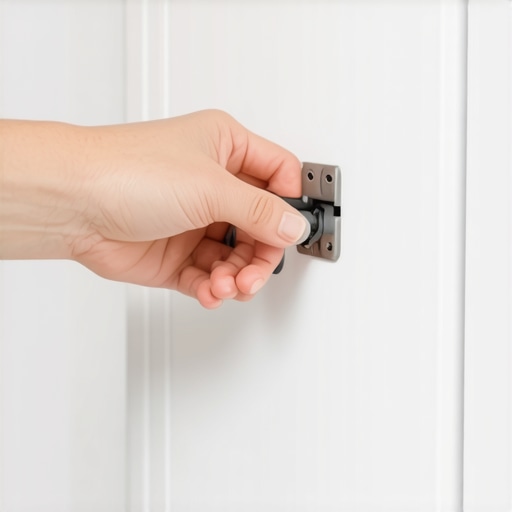 screwdriver’s magnetic tips are especially handy when dealing with tiny screws in hidden places, preventing frustrating drops and lost parts. Additionally, I highly recommend investing in a quality digital moisture meter. Regularly checking moisture levels in cabinetry, especially in humid climates or if you notice warping, prevents long-term damage and mold growth. I use the Extech MO55 model, which provides quick, accurate readings, allowing me to catch issues early and address them before costly repairs are needed. For cleaning, a gentle but effective approach involves using a microfiber cloth with a dedicated furniture cleaner designed for matte finishes—avoiding streaks, fingerprints, and buildup. I prefer products that are water-based and VOC-free, as they are safer for both my family and the environment. When it comes to software, I rely on a kitchen design app like SketchUp for mapping modifications or future upgrades. This helps me visualize improvements and plan maintenance tasks effectively. Prediction suggests that as smart homes become more prevalent, software integration will evolve, enabling remote diagnostics of cabinetry and storage health.
How do I maintain my storage solutions over time?
Regular inspections are a must. Checking hinge functions, soft-close mechanisms, and hardware tightness every few months can save you from unexpected failures. Applying a small amount of white lithium grease or silicone spray to moving parts ensures smooth operation and reduces squeaks—which can be particularly annoying. For hinges or slides that experience frequent use, lubricate with a specialized product like Super Lube, which resists dirt and isn’t messy. Additionally, periodically confirming the stability of built-in units and ensuring they are anchored securely prevents accidents or structural issues. I also recommend keeping a maintenance log—documenting any adjustments, parts replaced, or issues encountered. This record helps detect patterns over time and informs decisions for future remodels. Using tailored tools like multi-bit screwdrivers or hinge adjusting kits makes ongoing tweaks simple and precise. Expect that in the future, digital smart maintenance systems could alert you when hardware needs lubrication or replacement, further streamlining long-term care. If you’re ready to take your cabinet maintenance one step further, try out a dedicated hinge lubricant like blanchard or a precision torque driver to keep everything properly adjusted. This proactive approach not only prolongs the lifespan of your storage solutions but also maintains their aesthetic appeal. Remember, methodical, consistent care is your best strategy to preserve your kitchen’s functionality and style—on every level.
Over the years, I’ve come to realize that the smallest details often make the biggest difference in creating a stunning kitchen. From perfectly aligned cabinets to seamless built-ins, attention to these nuances elevates the entire space. One of the most overlooked yet impactful aspects is mastering the art of hinge adjustments, especially with concealed hinges. Trust me, this knowledge transformed my kitchen renovation experience from frustrating trial-and-error to confident craftsmanship.
Lessons from My Hidden Hardware Mishaps
- The hidden screws hold the secret to flawless alignment. I once spent hours trying to fix a crooked door, only to discover that the adjustment screws were my saving grace—once I knew their function, everything changed.
- Reversibility is your friend. Adjustable hinges are designed to be tweaked multiple times; don’t worry about overcorrecting. This flexibility means you can fine-tune your doors until they are perfectly level, saving money and time.
- Patience makes perfect. Small, incremental turns are more effective than massive twists—think of it as a gentle dance rather than a tug-of-war with hardware.
- Document your adjustments. Keeping track of how many turns you make guides future tweaks and helps replicate perfection across all cabinet doors.
- Secure everything after adjustments. Fully tighten screws once satisfied. Loose hinges can shift over time, undoing your hard work and leading to misalignments again.
Planning Your Next Step with Confidence
Armed with this insider wisdom, you’re well on your way to achieving cabinet doors that look as if they were installed by professionals. And remember, customizing storage through custom cabinets can enhance your space even further, offering tailored solutions that fit your unique needs. Whether you’re tackling a full remodel or just fine-tuning existing cabinetry, understanding these hinge secrets will ensure a sleek, polished finish that lasts.
Level Up Your Kitchen Satisfaction
Thinking about upgrading your space? Explore how built-in storage and modern cabinetry designs can bring harmony and efficiency to your kitchen. Small improvements today lead to long-term joy and a space you’re proud to show off.
Your Turn to Shine with Confident Adjustments
Have you ever struggled with aligning cabinet doors or adjusting hinges? Share your experiences below—your story might inspire someone else to take that confident step towards a picture-perfect kitchen!