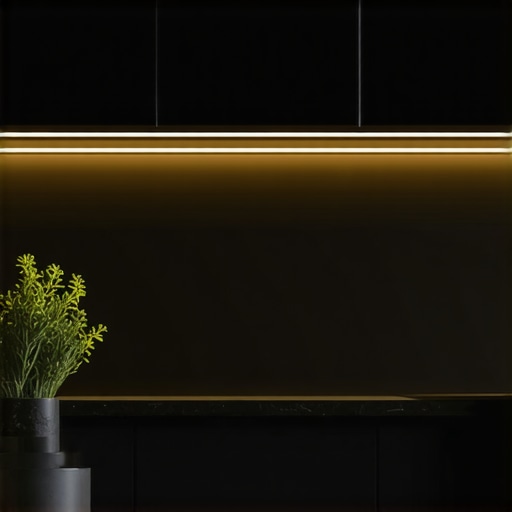
How to Choose the Right Under-Cabinet Lighting for Dark Counters
Have you ever stood in your kitchen at night, trying to chop vegetables or read a recipe, only to be greeted by shadows hugging your countertops? I remember those moments all too well—frustrating, almost like my workspace was playing hide-and-seek with the light. One evening, I realized that dark counters weren’t just an inconvenience; they were a safety hazard and a visual nuisance that kept my space from looking its best.
Shedding Light on a Common Kitchen Woe
That aha moment prompted me to dive into under-cabinet lighting options. It’s astonishing how a simple upgrade can transform a dark, gloomy kitchen into a bright, welcoming hub. If your counters are constantly hidden in shadow, you’re missing the chance to work safely and showcase your beautiful cabinetry and countertops. In this post, I’ll share my journey and guide you through choosing the right under-cabinet lighting, ensuring your kitchen shines from every angle and task becomes a delight, not an obstacle.
Is Under-Cabinet Lighting Overhyped? Don’t Fall for the Hype
Early in my project, I made a rookie mistake—thinking any LED strip would do. Turns out, not all lights are created equal, and poor choices can lead to glare, uneven illumination, or worse, energy waste. A recent study highlighted how quality lighting can boost productivity and reduce eye strain, yet so many of us settle for subpar options. If you’ve ever installed lights only to be disappointed by flickering or insufficient brightness, I totally get it. So, let’s avoid that pitfall together.
Are you tired of feeling in the dark about lighting options? Ready to create a space that’s both functional and stunning? Let’s explore how to select the perfect under-cabinet lighting for your kitchen, backed by tips honed through personal experience and expert advice. Whether you’re considering subtle accents or bright task lighting, I’ve got you covered. Keep reading, and you’ll soon have a well-lit workspace that matches your style and needs confidently.
Assess Your Space and Needs
Start by evaluating your kitchen’s layout to determine where lighting will be most beneficial. Turn off existing power to avoid accidents and remove any obstructions like shelving or decorative panels that block access to the underside of cabinets. I once attempted to install lights without checking for existing wiring pathways, which led to a tangled mess of cables—learning from that, I now plan routes carefully and measure distances precisely.
Choose the Right Lighting Solution
Select fixtures that match your brightness requirements and aesthetic preferences. LED strip lights are popular for their flexibility and energy efficiency, but ensure you pick ones with diffusers to minimize glare. I experimented with inexpensive LED strips that flickered after a few weeks; upgrading to higher-quality options made a huge difference. For task areas where precision matters, puck lights or small LED spots provide focused illumination. Consider color temperature—warm whites create a cozy feel, while cool whites enhance visibility.
Gather Necessary Tools and Materials
Prepare a drill, screwdriver, wire strippers, measuring tape, voltage tester, and mounting clips. Use a stud finder to avoid drilling into drywall alone, especially when anchoring heavier fixtures. I once drilled without locating studs, which caused my light fixture to sag; now I always double-check with a reliable stud finder before beginning.
Plan and Mark Your Installations
Lay out your fixtures along the underside of the cabinets, maintaining equal spacing for uniform lighting. Mark drill points with a pencil. For example, I used painter’s tape as a guide for consistent placement, resulting in a professional-looking finish. Ensure your wiring pathways are clear and do not interfere with existing plumbing or electrical lines.
Run the Wiring Seamlessly
Connect your lights to a power source, ideally tapping into existing outlets or switches. Use wire conduit or raceways for a tidy appearance and safety compliance. When I installed my lights, I ran cables along cabinet edges and concealed them behind moldings, creating a sleek look with no visible wires. Once wired, test the lights to confirm proper operation before mounting fixtures permanently.
Secure and Test Your Setup
Attach fixtures using mounting clips or adhesive strips, following manufacturer instructions. Double-check all connections for stability. After installation, turn on the power and evaluate the illumination. I found that adjusting the angle of some puck lights greatly improved light distribution, reducing shadows and hotspots. Fine-tune your setup until you achieve the desired brightness and uniformity.
Integrate with Your Kitchen Design
Finally, consider adding dimmers or smart controls to customize lighting levels and create ambiance. For a seamless look, select fixtures with matching finishes that complement your cabinetry. I added a dimmer switch, which allowed me to soften the light during dinners or brighten for detailed tasks, transforming my kitchen into a versatile space. Remember, thoughtful lighting not only boosts functionality but also enhances your kitchen’s style and warmth. For innovative ideas, explore how built-in solutions can elevate your space further—visit this guide.
While many homeowners focus on choosing beautiful cabinets or trendy fixtures during a kitchen remodel, there’s a common misconception that often leads to costly mistakes: believing that standard storage solutions suffice or that custom cabinets are just decorative luxuries. As an expert who has explored this field extensively, I can tell you that understanding the nuanced differences and potential pitfalls can dramatically elevate your renovation results.
One widespread myth is that built-in storage is inherently expensive and complicated, discouraging many from considering innovative solutions. However, when thoughtfully designed, built-ins can optimize space and improve functionality at a surprisingly reasonable cost. Many overlook the importance of tailored layouts that accommodate specific use patterns, resulting in wasted space and clutter buildup over time. Recognizing that not all storage is created equal—and that customization allows for precise solutions—can save you from these traps.
Are pre-made cabinets really enough for a high-functionality kitchen?
Many assume that off-the-shelf cabinets are sufficient, but they often fall short in solving unique spatial challenges or incorporating specialized storage needs. For example, a one-size-fits-all approach may leave awkward gaps or force compromises on accessibility. Custom cabinets can be meticulously crafted to fit your space, style, and organizational goals. Don’t just take my word for it—studies indicate that personalized storage enhances efficiency and even boosts home value, especially when integrated into a cohesive kitchen design.
Another mistake is underestimating the importance of proper installation techniques. For instance, heavy upper cabinets need secure anchoring—something many overlook, leading to safety hazards and future misalignments. If you’re considering heavy hardware or expansive built-ins, knowing the intricacies of anchoring and support is essential to avoid costly repairs down the line.
Advanced designers increasingly debate the value of integrated technology in storage, like motorized pull-outs or smart cabinetry. While these features promise convenience, they require precision planning and high-quality components to prevent premature failure, contradicting the misconception that technology equals complexity or unreliability. Consulting specialized experts can help your kitchen remain both innovative and durable.
To sum up, most people get wrong the idea that standard, off-shelf solutions can replace tailored, well-designed storage and cabinetry. The real secret lies in understanding nuances like hardware support, space optimization, and detailed planning—elements that can transform your kitchen from average to exceptional. Have you ever fallen into this trap? Let me know in the comments and share your story!
To ensure that your custom cabinetry and built-ins continue to perform flawlessly over the years, adopting effective maintenance routines is crucial. One essential tool I rely on is a high-quality LED flashlight with adjustable brightness and a focused beam. I use it regularly to inspect tight corners and hinges, preventing small issues from escalating into costly repairs. Additionally, I swear by a soft microfiber cloth paired with a gentle wood cleaner—this combo keeps surfaces looking pristine without risking scratches or chemical damage. Regularly checking and tightening hardware, especially in high-traffic areas, prevents loose handles or misaligned doors, saving you from future headaches.
How do I maintain my storage solutions over time?
In my experience, scheduling periodic inspections—at least twice a year—helps catch potential problems early. For example, native woodworking joints can settle or loosen; using a simple Allen wrench or screwdriver to tighten screws can restore stability. For built-in systems with soft-close mechanisms, I recommend applying a dab of silicone lubricant every couple of years to keep everything operating smoothly. When dealing with concealed hardware, a quick removal and cleaning of components like hinges and slides prevent dust buildup that could impede function. Modern tools, including a small vacuum with a crevice attachment, are excellent for removing debris from hard-to-reach areas within cabinetry, prolonging component life.
As I look toward the future, automation and smart maintenance systems are starting to integrate into high-end storage solutions. Imagine sensors alerting you to humidity levels or mechanical wear before the failure occurs. Companies are already developing smart hinge systems compatible with your smartphone, enabling remote diagnostics and adjustments. As this trend advances, homeowners will benefit from increased longevity and fewer surprises—think of it as having a mini maintenance technician in your cabinet hardware.
If you haven’t tried it yet, I highly recommend applying a silicone-based lubricant to your drawer slides and hinges. This simple step can significantly improve the smoothness and silence of your cabinetry for years to come. Remember, well-maintained storage not only preserves its aesthetic appeal but also enhances functionality—especially vital as your kitchen scales up with built-ins or larger projects. For comprehensive upgrades, exploring how built-ins can boost your home’s efficiency is a great starting point. Proper maintenance today ensures your personalized storage remains a reliable part of your home’s backbone tomorrow.
The Unexpected Lessons That Changed My Approach to Kitchen Remodels
One of the most eye-opening realizations I had was learning that not all storage solutions are created equal. I once tried to cut corners by choosing pre-made cabinets without considering their internal support and customization potential, only to face issues with durability and inefficiency months later. That experience taught me to prioritize tailored layouts and quality hardware, which in turn saved me time, money, and frustration in the long run. Knowing the nuances of built-in storage design—not just the aesthetic appeal—can transform a kitchen from average to extraordinary.
Tools and Resources That Elevated My Kitchen Projects
Over the years, I’ve come to rely on expert-grade tools like precision levelers and high-quality magnetic stud finders, which eliminate guesswork during installation. Additionally, books such as Creating Seamless Kitchen Remasters have provided invaluable insights into maximizing space. I also trust industry blogs and forums where seasoned craftsmen share real-world tips, like how to reinforce heavy upper cabinets securely—something critical for safety and longevity. These resources are practical, accessible, and have made my remodeling journey more informed and confident.
Embracing the Beauty of the Remodel Journey
Every time I see a homeowner finally step back and enjoy their upgraded kitchen, I feel a renewed sense of purpose. The process of selecting and installing customized storage isn’t just about functionality; it’s about creating a space that reflects your personality while serving your needs. Remember, the real magic happens when you’re willing to learn, adapt, and invest in quality solutions that will stand the test of time. Your kitchen can be a sanctuary and a masterpiece—just take that first step, and don’t shy away from exploring innovative storage ideas that can redefine your home’s heart.
What’s Your Next Big Kitchen Move?
Are you ready to elevate your kitchen with smart custom cabinets or built-ins that truly make a difference? Share your thoughts below—I’d love to hear about your plans or answer any questions to help you get started!