Why Slab Doors Are Replacing Shaker in High-End Modern Kitchens
I’ll never forget the morning I decided to finally remodel my kitchen. After months of pinning images and dreaming about a sleek, modern space, I walked into my outdated kitchen and realized something was off. The shaker-style cabinets that everyone raved about felt heavy and outdated in my eyes, while the slab doors I had dismissed initially now seemed to whisper luxury and simplicity. That lightbulb moment changed everything for me—and I suspect many homeowners face a similar epiphany when facing the world of high-end cabinetry options.
The Shift Toward Slab Doors in Modern Kitchens
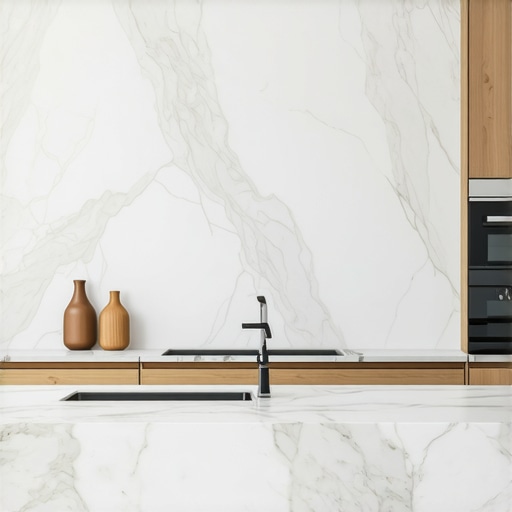
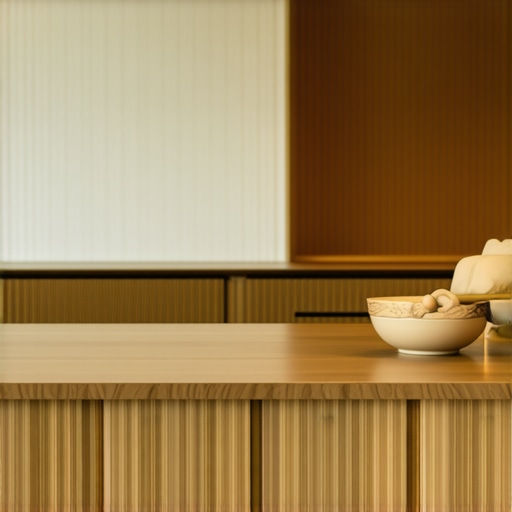
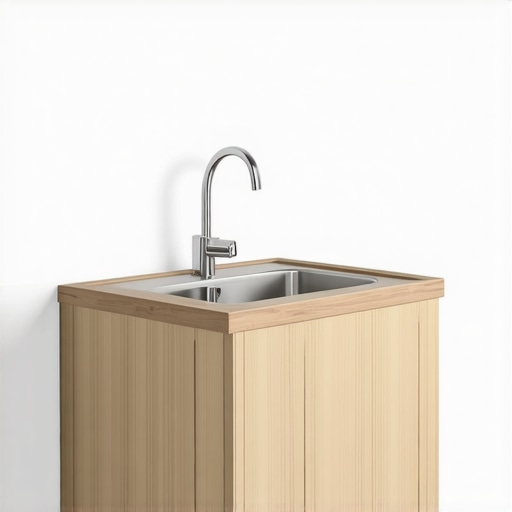
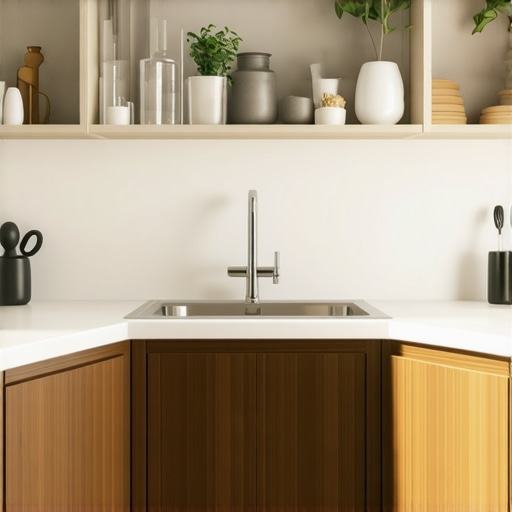
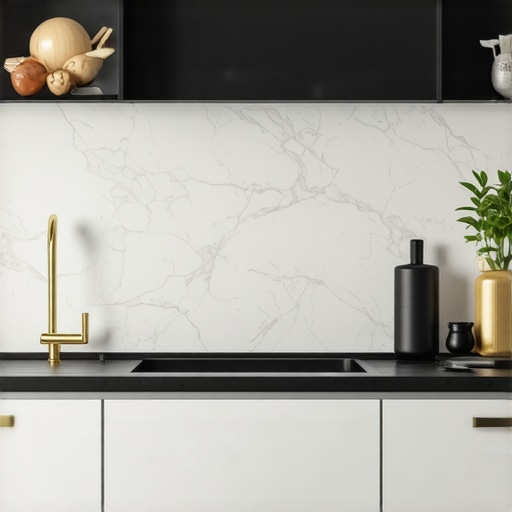
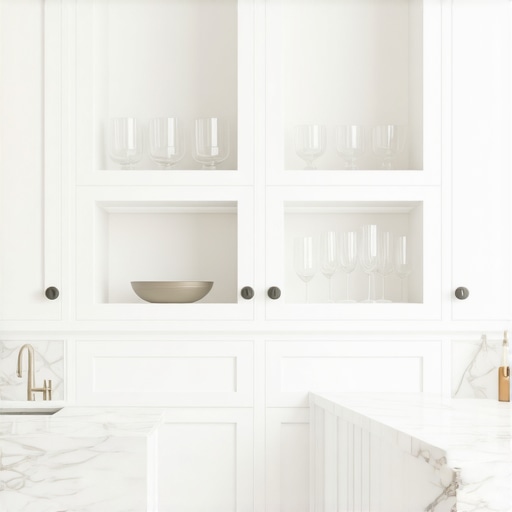
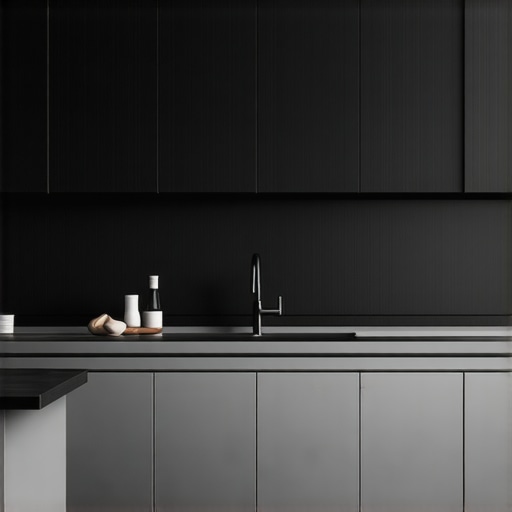
In the last few years, I’ve seen a noticeable trend in upscale kitchen designs: the rise of slab doors replacing traditional shaker styles. Why? Because slab doors exude a clean, minimalist aesthetic that perfectly complements contemporary and high-end spaces. Unlike shaker doors with their recessed panels and detailed edges, slab doors offer a seamless look that can make even modest kitchens feel larger and more sophisticated.
Will the Long-Term Style Hold Up?
One common concern I hear is whether slab doors are too stark or trendy to stand the test of time. Believe it or not, I made a mistake early in my research—assuming that trends in cabinetry are fleeting. Turns out, minimalist slab doors are rooted in timeless design principles rooted in simplicity and functionality. This is supported by experts in cabinetry, who note that sleek, flat-front doors often age better than ornate styles and are easier to update with different hardware or finishes over the years (see this guide for more insights).
If you’re contemplating a kitchen upgrade, I urge you to reflect on whether your current cabinets contribute to a cluttered versus an elegant look. I embraced slab doors because they provide:**heightened visual clarity, easy maintenance, and a versatile backdrop for custom hardware or finishes.
Feeling overwhelmed? You’re not alone. So, let’s explore why this shift is happening and whether it’s the right choice for your own renovation journey.
What You’ll Learn Next
In the following sections, I’ll walk you through the key reasons why slab doors are gaining popularity, common mistakes to avoid when choosing cabinetry, and practical tips to help you make an informed decision. Ready to transform your kitchen into a sleek, modern sanctuary? Let’s dive in and clear up the confusion—so you can design a space that lasts and impresses.
Have you already faced the dilemma of choosing between traditional and modern styles? Drop your experiences below—I love hearing from fellow homeowners on this journey!
Select the Perfect Storage Solutions
Begin by assessing your current space and identifying problem areas that hinder functionality. Use a detailed survey to pinpoint clutter hotspots and consider investing in innovative storage solutions to maximize every inch. Don’t just guess—measure carefully and note the dimensions of your appliances, cookware, and daily essentials.
Create a Vision with Sample Layouts
Sketch multiple layout options, focusing on flow and accessibility. Think of your kitchen like a well-orchestrated dance: each element has a purpose and space. When I remodeled my kitchen, I experimented with different island positions and storage placements, which initially led to a cluttered mess. But through iterative sketches and consulting expert ideas from custom cabinets guide, I achieved a balanced design that improved workflow.
Design and Customize Cabinets Thoughtfully
Choose your cabinet style—slab doors for sleekness or shaker for traditional charm—and then customize features. Think of your cabinets as the skeleton of your kitchen; their design dictates ease and aesthetic. When I opted for custom cabinets, I worked closely with artisans to specify interior organization, like pull-out trays and adjustable shelves, to eliminate pesky clutter. Remember, detailed planning at this stage pays off later.
Prioritize Built-ins That Enhance Functionality
Built-ins are like hidden treasure chests—they hide clutter and add style. Identify appliances or tools you want to conceal, like microwaves or coffee stations. During my project, I integrated a built-in spice rack next to the cooktop, freeing counter space and reducing cabinet clutter. Consider using specialized hardware, such as soft-close hinges and concealed drawer slides, to ensure durability and a luxurious feel. For expert insights, check out built-in solutions guide.
Implement Practical Installation Techniques
Carefully prepare your space—remove old cabinets and level the floors—before installing new units. Use a laser level or a chalk line to mark reference points, much like a builder’s blueprint. When I installed my cabinets, I double-checked measurements multiple times; a minor mistake could cause uneven gaps. Secure large cabinets directly to studs using appropriate anchors, such as toggle bolts or steel brackets, especially if you’re working with metal studs. For detailed instructions, visit cabinet leveling techniques.
Fine-Tune Hardware and Finishing Touches
Choose hardware that complements your design—brushed nickel, matte black, or antique brass. Attach pulls and knobs with precision, using template jigs or measuring guides to avoid misalignment. During my last upgrade, I used a simple measuring tape and a scrap piece of wood to mark drill points, ensuring uniform placement. Finish by sealing a painted or stained surface with appropriate sealants to prevent damage. Precise hardware installation not only improves appearance but also enhances durability.
Test and Adjust for a Perfect Fit
Finally, open and close every door and drawer, checking for smooth operation. If alignment issues occur, tweak the hinges or slides accordingly. I encountered a drawer that was slightly crooked; a simple adjustment of the hinge mounting screws corrected it instantly. Regular testing ensures your kitchen functions perfectly and looks seamless. Remember, meticulous adjustments now prevent larger issues down the line.
Mastering these steps will turn your kitchen remodel into a streamlined process, resulting in a space that combines practicality with style. Each phase builds upon the last, from planning to execution, ensuring you achieve a high-end look with long-term usability. For inspiration and additional ideas, browsing through modern remodel examples can provide fresh perspectives.
Many homeowners assume that well-designed storage solutions and custom cabinets are infallible, but in practice, there’s often a disconnect between expectation and reality. A common myth is that implementing elaborate built-ins automatically results in optimal functionality. In truth, over-customization can lead to rigid spaces that lack flexibility—think of it as tailoring a suit that fits perfectly in one scenario but becomes uncomfortable elsewhere. Experts such as those at Artisan Cabinetry emphasize the importance of designing for adaptability, especially when considering future needs or remodeling plans.
One advanced mistake often overlooked is neglecting the nuances of cabinet material selection. Many believe that MDF or particleboard can suffice, but subtle differences in wood species and composite materials significantly affect durability and moisture resistance—crucial factors in kitchens prone to humidity. For instance, high-quality plywood or solid hardwoods tend to age better, preventing costly replacements down the line. As noted in this guide, choosing the right material is an investment in longevity.
A question that often puzzles even experienced renovators is: “How can I balance aesthetic appeal with long-term functionality?” It’s tempting to opt for sleek, frameless designs that appear modern now but may lack the structural support needed over time. Incorporating subtle structural reinforcements and considering hardware options can make a notable difference. For example, soft-close hinges are great, but only if they’re paired with robust mounting hardware to withstand daily use. Studies from industry experts confirm that hardware quality directly impacts cabinet lifespan.
Moreover, many underestimate the significance of proper installation techniques. An elegant design can be marred by uneven gaps, misalignments, or insecure anchoring. The mistake of rushing the leveling process, especially in older homes with uneven floors, can lead to gradual sagging or operational issues. Double-checking measurements and employing tools like laser levels isn’t just recommended—it’s essential. An article on installation pitfalls elaborates on how meticulous setup extends cabinetry lifespan.
Don’t forget the subtle details that elevate space and reduce headaches later. Thinking beyond style, integrating pull-out shelves or blind corner solutions requires careful planning to avoid wasted space. Skipping this step might seem minor, but it compromises overall efficiency. Remember, a well-thought-out design harmonizes form with function—something seasoned professionals prioritize.
Keeping It Working: Tools and Techniques for Longevity
Once you’ve invested in high-quality cabinetry and innovative storage solutions, the next step is ensuring they stay functional and beautiful over time. Regular maintenance is key, and having the right tools and methods makes all the difference. Personally, I rely on a few specialized tools that help me keep my kitchen components in top shape, starting with a cordless mini cordless drill with adjustable torque settings. This allows me to tighten hardware without risking over-tightening, which can strip screws or damage delicate materials.
For cleaning, I recommend a soft microfiber cloth combined with a gentle, pH-balanced cleaner specific for cabinetry finishes. Avoid using abrasive scrubbers that can scratch surfaces or strip finishes—a common mistake I see homeowners make. I also keep a set of precision screwdrivers on hand for adjusting hardware, which ensures everything remains aligned and operates smoothly.
To address minor issues before they escalate, I use a cabinet hinge torque tester—an underrated but invaluable device that helps ensure hinges aren’t too loose or tight, which could cause misalignment or wear. Regularly inspecting and adjusting hardware with these tools can extend the lifespan of your cabinets significantly, saving you money on repairs or replacements down the line.
How do I maintain my storage systems over time?
Maintaining your storage systems involves more than just cleaning. It’s vital to periodically check for any signs of wear or damage. For example, if you notice drawers sticking or cabinets not closing fully, it’s often a sign that hinges or slides need tightening or lubrication. For slide maintenance, I use high-quality silicone spray designed for kitchen hardware—just a light spritz can keep everything operating quietly and smoothly.
Looking ahead, the development of smart maintenance devices, like magnetic screw holders with embedded sensors that alert you when hardware needs tightening, hints at a future where routine cabinet care becomes even easier and more automated. Embracing these innovations now can put you ahead of the curve and ensure your investment in custom cabinetry pays off long-term.
If you haven’t yet, try calibrating your hinge torque with a tester—it’s surprisingly straightforward and can prevent costly misalignments. Integrating smart tools and routine checks is the secret to ensuring your kitchen remains both functional and stunning for years to come. For more details on selecting durable hardware components, visit this expert guide.

Secrets No One Tells About Custom Kitchen Cabinets
One of the most eye-opening lessons I learned was the importance of selecting the right material for durability. I once chose budget MDF for a seaside kitchen, only to find it swollen and warped within a year. Since then, I’ve become an advocate for high-quality plywood and solid hardwoods, which age gracefully and withstand humidity better—see this guide for detailed comparisons.
Lightbulb Moments on Storage Solutions That Saved My Space
Early in my remodel, I underestimated the power of smart storage. Installing clever built-ins, like hidden spice racks and pull-out trash bins, transformed my cluttered kitchen into an organized haven. The key was thinking beyond traditional cabinets—check out these innovative storage ideas to innovate your space.
The Hidden Cost of Overcustomization—Learn From My Mistakes
I once designed a kitchen full of custom niches and frameless cabinets, believing it would maximize style and function. But I overlooked the need for flexibility, and it became a costly mistake when my family’s needs changed. Remember, balance customization with adaptability; expert guidance from industry pros emphasizes this. Don’t fall into the trap of overdesigning—sometimes, simple is smarter.
Maximize Your Kitchen’s Potential with Purpose-Driven Layouts
Experimenting with different layouts was my turning point. Creating a workflow that prioritized prep zones and hidden storage reduced clutter and boosted efficiency—see this comprehensive guide for layout inspiration. Remember, a well-planned design can make your everyday routines feel like a breeze.
From My Experience to Your Future: What I Wish I Knew
- The value of quality hardware—soft-close hinges and sturdy pulls save money and frustration, proven by my own broken handles that needed replacing.
- The importance of precise installation—double-check measurements and use the right tools to ensure a seamless finish.
- Planning for longevity—choose materials and hardware that stand the test of time, especially in humid or busy kitchens.
- Don’t overlook small details—from gap sizes to finish selection, they accumulate into a polished look that feels professional.
- Future-proof your kitchen—design flexibility now to accommodate future needs, avoiding costly remakes down the line.
Resources That Have Transformed My Remodeling Approach
Over the years, I’ve relied on a handful of trusted sources. Built-in solutions guide and custom cabinets overview have been instrumental. They provide practical advice rooted in craftsmanship and real-world application. Additionally, engaging with industry experts via consultations has saved me from costly mistakes and elevated my design game.
Your Next Step is Closer Than You Think
Embarking on a kitchen remodel can feel overwhelming, but remember, every small step adds up to a remarkable transformation. Focus on selecting quality materials, thoughtful layouts, and versatile storage solutions—these are the foundations of a space that lasts. So, are you ready to implement some of these insights and create your dream kitchen? Share your experiences below—I’d love to hear your stories!