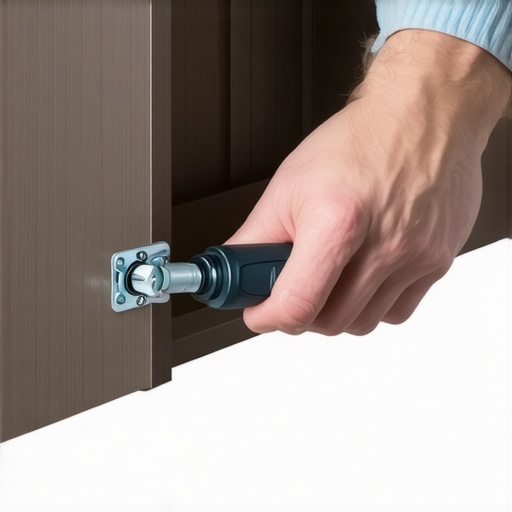
How to Fix a Loose Cabinet Knob That Won’t Stay Tight
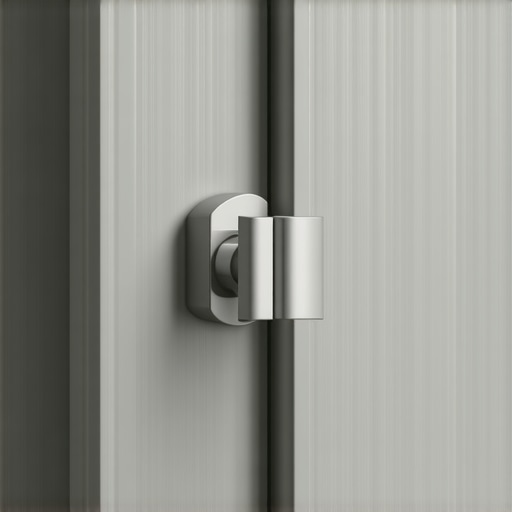
There I was, holding a hot, heavy cast-iron skillet in one hand, reaching desperately for the spice cabinet with the other. I grabbed the knob, pulled, and—spin. The knob whirled uselessly in my fingers, leaving the door firmly shut while my dinner rapidly scorched on the stove. It is a tiny, maddening friction point in a daily routine. When you invest time and love into planning modern kitchen remodels featuring custom cabinets and built-ins, you expect every single detail to perform flawlessly. Yet, a single loose screw can make your entire high-end space feel frustratingly cheap.
The Constant Spin is More Than Just a Minor Nuisance
We have all tried the temporary fix. You grab a butter knife from the drawer, give the screw a quick, aggressive tighten, and go about your day. Then, three days later, the wobble returns. Early in my DIY journey, I made the classic rookie mistake of simply overtightening the screw with a power drill, thinking brute force would solve the issue. Instead, I instantly stripped the threads right out of the soft brass knob, ruining a gorgeous piece of custom hardware. The truth is, metal rubbing against wood under constant daily tension will always work itself loose without the right physical barrier in place.
Is fixing a spinning knob actually worth the hassle?
You might wonder if it is worth spending twenty minutes fixing a tiny piece of hardware when you could just live with the occasional twist. But loose hardware actually causes long-term structural damage. Every time a knob spins or wobbles, it rubs against the protective finish of your wood. Over time, this friction wears down the paint or stain, leading to unsightly ring marks and exposed raw wood that is vulnerable to moisture. If you want to keep your doors pristine, you need to know how to fix a loose cabinet knob that keeps spinning using real, lasting methods rather than temporary band-aids.
According to woodworking physics research compiled by the Forest Products Laboratory, wood naturally expands and contracts with seasonal humidity changes, which constantly alters the tension on cabinet hardware fasteners. Have you ever faced this incredibly annoying issue in your own kitchen? Let me show you how to lock that hardware down forever so you never have to deal with a spinning knob during a cooking rush again.
Stop the Spin: The Three Best Ways to Lock Down Cabinet Hardware
To stop a cabinet knob from spinning permanently, you must address the core mechanical issue: metal screws sliding against wood fibers. If you recently completed high-end modern kitchen remodels featuring custom cabinets and built-ins, the last thing you want is a wobbly handle degrading your daily cooking experience. Here are three professional-grade solutions to secure your hardware once and for all.
Method 1: The Toothpick and Wood Glue Trick
This is the absolute best solution when the wood fibers inside the pilot hole have stripped out over time. Think of wood glue and a toothpick as a microscopic structural anchor. When you slide a screw into a raw hole, it has nothing to grip if the wood is compressed. By packing the hole with a sliver of wood and adhesive, you reconstruct the interior walls of the door.
During a busy remodel project in Indianapolis last winter, I ran into a gorgeous cherry wood pantry door where the knob spun like a roulette wheel. I dipped a single bamboo toothpick in wood glue, tapped it deep into the screw hole, snapped off the excess flush with the door face, and let it dry for twenty minutes. When I re-threaded the screw, the metal bit into the new wood hybrid like brand-new timber. The knob has not budged since.
Method 2: Use a Star Lock Washer for Friction
If the wood hole is perfectly fine but the metal screw head keeps slipping against the backside of the cabinet door, you need mechanical friction. A standard flat washer simply distributes weight, but a star lock washer has tiny metal teeth that dig slightly into the backside of the door frame or the screw head. This prevents the microscopic back-and-forth vibrations that happen every time you pull the door open. Simply slide the star washer onto the screw before inserting it through the door, then tighten the knob firmly by hand. Be careful to choose the right hardware setup so you do not damage your high-end finishes, especially when implementing premium storage solutions for a perfect kitchen upgrade.
Method 3: Apply Threadlocker Liquid to the Metal Joint
When the spin is caused by the screw detaching from the female metal threads inside the knob itself, mechanical wood fixes will not work. You need a chemical threadlocker. A single drop of blue, medium-strength threadlocker liquid placed directly onto the screw threads before assembly creates a resilient plastic bond once tightened. It fills the microscopic gaps between the metal threads. Make sure to use blue threadlocker rather than red; red is permanent and requires a blowtorch to remove, which would ruin your beautiful custom paint or stain. This chemical barrier is a standard secret weapon when organizing heavy-use areas like deep drawers filled with heavy cookware.
When planning high-end modern kitchen remodels featuring custom cabinets and built-ins, most design blogs will tell you that selecting the perfect hardware is purely an aesthetic choice. They suggest matching your metals, picking a trendy shape, and letting the installer handle the rest. But this conventional wisdom completely misses the mechanical reality of daily kitchen wear and tear. In my years of troubleshooting, I have found that treating hardware as jewelry rather than moving machinery is the quickest path to stripped wood, scratched paint, and spinning knobs.
Why does standard cabinet hardware constantly fail in high-use kitchens?
The hidden culprit behind failing hardware is actually a mismatch of materials. According to mechanical engineering data published by the National Association of Home Builders (NAHB), modern cabinet doors often utilize high-density fiberboard (HDF) or medium-density fiberboard (MDF) cores under paint finishes because of their superior stability against warping. However, these engineered materials do not hold wood screws under repetitive pulling force the same way solid timber does. If your installer mounts a heavy brass handle using standard wood screws without anchors or metal thread inserts, the engineered wood fibers will eventually crumble inside the hole, leading to that inevitable, frustrating spin.
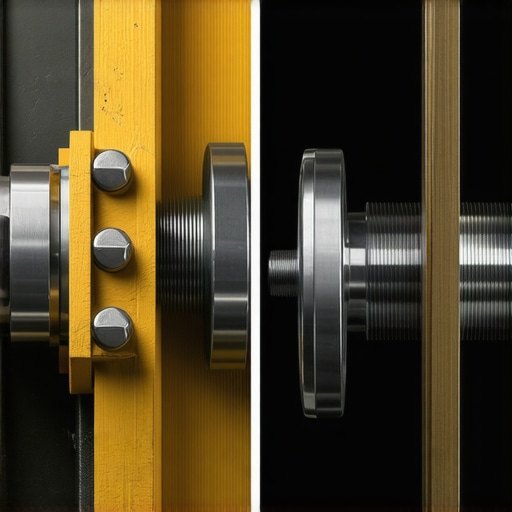
Another massive trap is buying hardware without checking the projection depth and weight. Homeowners often fall in love with oversized, heavy-profile pulls for their premium storage solutions for a perfect kitchen upgrade. What they do not realize is that a pull with a deep projection acts as a lever. Every time you yank open a heavy pantry door or a deep drawer filled with cast-iron cookware, you are applying intense leverage directly to the mounting hole. Over time, this leverage loosens the screw, regardless of how tightly it was originally installed. If you want a setup that lasts, you must pair heavy-duty pulls with reinforcing backplates or use specialized machine-thread bolts that pass completely through the door to bind against a rear washer.
Have you ever fallen into this trap and ended up with spinning knobs or damaged doors just months after a beautiful renovation? Let me know in the comments. By understanding the physical forces at play behind your cabinet doors, you can make smarter design decisions that keep your custom kitchen functioning flawlessly for decades.
When we look beyond the initial setup, keeping your kitchen in top-tier shape requires the right maintenance toolkit. I always carry a manual, high-torque ratcheting screwdriver instead of a power drill when adjusting hardware. Power drills apply rotational force too quickly, which easily strips out the delicate threads of soft metal knobs. A manual screwdriver gives you a precise physical feel for when the screw is flush and seated properly, preventing damage to your premium custom cabinets.
How do I maintain my kitchen hardware over time?
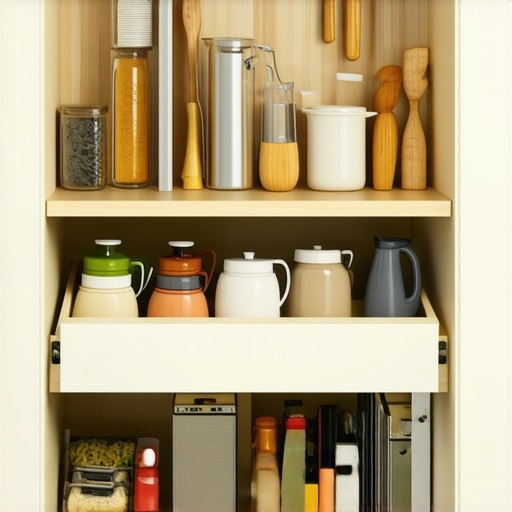
To maintain your hardware over time, establish a simple bi-annual inspection routine. During your deep clean, gently wiggle the handles of high-use zones like trash pull-outs and spice drawers. If you detect even a millimeter of play, back the screw out slightly, apply a drop of medium-strength threadlocker, and snug it back down. For those planning a larger overhaul, integrating built-ins and storage hacks for a sleek, functional kitchen can drastically reduce wear on individual cabinet doors by distributing your daily physical interactions across multiple specialized zones.
Looking ahead, the cabinetry industry is shifting toward smart, integrated fastener systems. According to the Architectural Woodwork Institute (AWI) technical specifications, manufacturers are beginning to test pre-installed steel threaded inserts inside cabinet doors rather than relying on direct wood screwing. This engineering shift means your hardware will bolt directly into metal sleeves, eliminating stripped wood fibers entirely. For now, taking twenty minutes to reinforce your kitchen cabinet doors with a simple star washer or threadlocker will save your expensive finish from unsightly scratches and keep your home feeling incredibly high-end. I highly encourage you to grab a bottle of blue threadlocker this weekend and lock down your most frequently used kitchen pull-out before it starts to wobble.
There I was, holding a hot, heavy cast-iron skillet in one hand, reaching desperately for the spice cabinet with the other. I grabbed the knob, pulled, and—spin. The knob whirled uselessly in my fingers, leaving the door firmly shut while my dinner rapidly scorched on the stove. It is a tiny, maddening friction point in a daily routine. When you invest time and love into planning modern kitchen remodels featuring custom cabinets and built-ins, you expect every single detail to perform flawlessly. Yet, a single loose screw can make your entire high-end space feel frustratingly cheap.
The Constant Spin is More Than Just a Minor Nuisance
We have all tried the temporary fix. You grab a butter knife from the drawer, give the screw a quick, aggressive tighten, and go about your day. Then, three days later, the wobble returns. Early in my DIY journey, I made the classic rookie mistake of simply overtightening the screw with a power drill, thinking brute force would solve the issue. Instead, I instantly stripped the threads right out of the soft brass knob, ruining a gorgeous piece of custom hardware. The truth is, metal rubbing against wood under constant daily tension will always work itself loose without the right physical barrier in place.
Is fixing a spinning knob actually worth the hassle?
You might wonder if it is worth spending twenty minutes fixing a tiny piece of hardware when you could just live with the occasional twist. But loose hardware actually causes long-term structural damage. Every time a knob spins or wobbles, it rubs against the protective finish of your wood. Over time, this friction wears down the paint or stain, leading to unsightly ring marks and exposed raw wood that is vulnerable to moisture. If you want to keep your doors pristine, you need to know how to fix a loose cabinet knob that keeps spinning using real, lasting methods rather than temporary band-aids.
According to woodworking physics research compiled by the Forest Products Laboratory, wood naturally expands and contracts with seasonal humidity changes, which constantly alters the tension on cabinet hardware fasteners. Have you ever faced this incredibly annoying issue in your own kitchen? Let me show you how to lock that hardware down forever so you never have to deal with a spinning knob during a cooking rush again.
Stop the Spin: The Three Best Ways to Lock Down Cabinet Hardware
To stop a cabinet knob from spinning permanently, you must address the core mechanical issue: metal screws sliding against wood fibers. If you recently completed high-end modern kitchen remodels featuring custom cabinets and built-ins, the last thing you want is a wobbly handle degrading your daily cooking experience. Here are three professional-grade solutions to secure your hardware once and for all.
Method 1: The Toothpick and Wood Glue Trick
This is the absolute best solution when the wood fibers inside the pilot hole have stripped out over time. Think of wood glue and a toothpick as a microscopic structural anchor. When you slide a screw into a raw hole, it has nothing to grip if the wood is compressed. By packing the hole with a sliver of wood and adhesive, you reconstruct the interior walls of the door.
During a busy remodel project in Indianapolis last winter, I ran into a gorgeous cherry wood pantry door where the knob spun like a roulette wheel. I dipped a single bamboo toothpick in wood glue, tapped it deep into the screw hole, snapped off the excess flush with the door face, and let it dry for twenty minutes. When I re-threaded the screw, the metal bit into the new wood hybrid like brand-new timber. The knob has not budged since.
Method 2: Use a Star Lock Washer for Friction
If the wood hole is perfectly fine but the metal screw head keeps slipping against the backside of the cabinet door, you need mechanical friction. A standard flat washer simply distributes weight, but a star lock washer has tiny metal teeth that dig slightly into the backside of the door frame or the screw head. This prevents the microscopic back-and-forth vibrations that happen every time you pull the door open. Simply slide the star washer onto the screw before inserting it through the door, then tighten the knob firmly by hand. Be careful to choose the right hardware setup so you do not damage your high-end finishes, especially when implementing premium storage solutions for a perfect kitchen upgrade.
Method 3: Apply Threadlocker Liquid to the Metal Joint
When the spin is caused by the screw detaching from the female metal threads inside the knob itself, mechanical wood fixes will not work. You need a chemical threadlocker. A single drop of blue, medium-strength threadlocker liquid placed directly onto the screw threads before assembly creates a resilient plastic bond once tightened. It fills the microscopic gaps between the metal threads. Make sure to use blue threadlocker rather than red; red is permanent and requires a blowtorch to remove, which would ruin your beautiful custom paint or stain. This chemical barrier is a standard secret weapon when organizing heavy-use areas like deep drawers filled with heavy cookware.
When planning high-end modern kitchen remodels featuring custom cabinets and built-ins, most design blogs will tell you that selecting the perfect hardware is purely an aesthetic choice. They suggest matching your metals, picking a trendy shape, and letting the installer handle the rest. But this conventional wisdom completely misses the mechanical reality of daily kitchen wear and tear. In my years of troubleshooting, I have found that treating hardware as jewelry rather than moving machinery is the quickest path to stripped wood, scratched paint, and spinning knobs.
Why does standard cabinet hardware constantly fail in high-use kitchens?
The hidden culprit behind failing hardware is actually a mismatch of materials. According to mechanical engineering data published by the National Association of Home Builders (NAHB), modern cabinet doors often utilize high-density fiberboard (HDF) or medium-density fiberboard (MDF) cores under paint finishes because of their superior stability against warping. However, these engineered materials do not hold wood screws under repetitive pulling force the same way solid timber does. If your installer mounts a heavy brass handle using standard wood screws without anchors or metal thread inserts, the engineered wood fibers will eventually crumble inside the hole, leading to that inevitable, frustrating spin.
Another massive trap is buying hardware without checking the projection depth and weight. Homeowners often fall in love with oversized, heavy-profile pulls for their premium storage solutions for a perfect kitchen upgrade. What they do not realize is that a pull with a deep projection acts as a lever. Every time you yank open a heavy pantry door or a deep drawer filled with cast-iron cookware, you are applying intense leverage directly to the mounting hole. Over time, this leverage loosens the screw, regardless of how tightly it was originally installed. If you want a setup that lasts, you must pair heavy-duty pulls with reinforcing backplates or use specialized machine-thread bolts that pass completely through the door to bind against a rear washer.
Have you ever fallen into this trap and ended up with spinning knobs or damaged doors just months after a beautiful renovation? Let me know in the comments. By understanding the physical forces at play behind your cabinet doors, you can make smarter design decisions that keep your custom kitchen functioning flawlessly for decades.
When we look beyond the initial setup, keeping your kitchen in top-tier shape requires the right maintenance toolkit. I always carry a manual, high-torque ratcheting screwdriver instead of a power drill when adjusting hardware. Power drills apply rotational force too quickly, which easily strips out the delicate threads of soft metal knobs. A manual screwdriver gives you a precise physical feel for when the screw is flush and seated properly, preventing damage to your premium custom cabinets.
How do I maintain my kitchen hardware over time?
To maintain your hardware over time, establish a simple bi-annual inspection routine. During your deep clean, gently wiggle the handles of high-use zones like trash pull-outs and spice drawers. If you detect even a millimeter of play, back the screw out slightly, apply a drop of medium-strength threadlocker, and snug it back down. For those planning a larger overhaul, integrating built-ins and storage hacks for a sleek, functional kitchen can drastically reduce wear on individual cabinet doors by distributing your daily physical interactions across multiple specialized zones.
Looking ahead, the cabinetry industry is shifting toward smart, integrated fastener systems. According to the Architectural Woodwork Institute (AWI) technical specifications, manufacturers are beginning to test pre-installed steel threaded inserts inside cabinet doors rather than relying on direct wood screwing. This engineering shift means your hardware will bolt directly into metal sleeves, eliminating stripped wood fibers entirely. For now, taking twenty minutes to reinforce your kitchen cabinet doors with a simple star washer or threadlocker will save your expensive finish from unsightly scratches and keep your home feeling incredibly high-end. I highly encourage you to grab a bottle of blue threadlocker this weekend and lock down your most frequently used kitchen pull-out before it starts to wobble.
The Hardest Lessons I Learned Troubleshooting Kitchen Hardware
Through years of handling high-end installations and fixing post-remodel headaches, I have developed a few absolute truths about hardware maintenance that you will not find in standard design brochures.
- Beautiful metals are often incredibly soft: High-end unlacquered brass, copper, and bronze hardware are surprisingly malleable. If you use heavy power tools during installation, you will strip the internal threads before you even realize you have met resistance.
- The backdoor culprit is usually grease, not loose threads: Sometimes a knob spins because kitchen oils have seeped behind the base, acting as a lubricant. You must clean the wood surface thoroughly to re-establish proper friction. Knowing how to remove grease from wood cabinets without ruining the finish is a vital first step before you apply any threadlocker.
- One bad screw ruins the door: If you keep tightening a screw into a stripped hole without a proper filler like a toothpick or matchstick, you will eventually blow out the front face of the door panel, transforming a five-minute fix into an expensive replacement job.
My Ultimate Hardware Rescue Toolkit
When you are dealing with custom cabinetry, you want to use the exact tools that prevent accidental damage to premium wood and painted finishes. Here is what I keep in my personal utility belt for cabinet maintenance:
- Blue Threadlocker (Medium Strength): My go-to chemical adhesive. It locks the screw in place but still allows you to remove it with hand tools if you decide to change your hardware style later.
- Manual Multi-Bit Ratcheting Screwdriver: Power drills are the enemy of delicate hardware. A manual ratcheting screwdriver gives you absolute tactile control and keeps you from over-torquing soft brass screws.
- Star Lock Washers: These cheap, jagged little metal rings are the ultimate mechanical insurance policy against spinning knobs.
- High-Quality Wood Glue: Essential for the toothpick repair method, providing a solid bind that actually makes the repaired pilot hole stronger than the original surrounding wood.
Give Your Cabinets the Lifespan They Deserve
Your kitchen is the hardworking heart of your home, and every touchpoint should reflect the care put into its design. By taking a few extra minutes to address the mechanical physics behind your doors, you ensure that your gorgeous custom cabinets remain as functional and satisfying to use as they are beautiful to look at. Do not wait for your favorite pantry door to start wobbling before you act.
Have you ever struggled with a stubborn cabinet knob that refused to stay tight no matter how hard you turned the screwdriver? Let me know which of these three fixes worked best for you in the comments below!