The Magnetic Latch Move for Child-Proofing Without the Plastic Tabs
I’ll never forget the day I reached into a kitchen cabinet, only to find a tiny hand trying to grab a glass that nearly slipped from my grasp. It was a lightbulb moment—my toddler was finding ways to open even the most secure cabinets. The plastic tabs I used seemed like a quick fix, but they turned out to be more hassle than help. I realized I needed a smarter, cleaner solution—one that would keep my little explorer safe without cluttering the look of my kitchen.
Why Traditional Child-Proofing Methods Fall Short in Modern Homes
Many of us rely on plastic tabs or locks that can be both ugly and easy for curious children to bypass. I used to think these were the best options until I saw how easily my child managed to open the cabinets, sometimes even pulling down dishes or knocking over utensils. Not only was it frustrating, but it also posed safety risks. That’s when I started exploring alternatives—things like magnetic latches, but with a sleek, invisible design. Interestingly, according to research from the American Academy of Pediatrics, cabinet safety is paramount, yet many parents overlook the importance of effective, aesthetic solutions that can be integrated seamlessly into their interiors.
Have You Faced the Frustration of Clunky Child Locks?
Early on, I made the mistake of choosing cheap, bulky locks that looked terrible and often failed. They distracted from the cabinetry’s beauty and required regular readjustments. Trust me, natural, reliable solutions exist—like the magnetic latch move—that can protect your children without sacrificing your home’s style. If you’re tired of turning your house into a maze of plastic tabs, keep reading. I’ll guide you through my journey to a cleaner, safer, and more stylish child-proofing method. For more ideas on integrating smart storage, check out smart storage ideas, which can help keep your space organized and safe.
Install Concealed Magnetic Latches
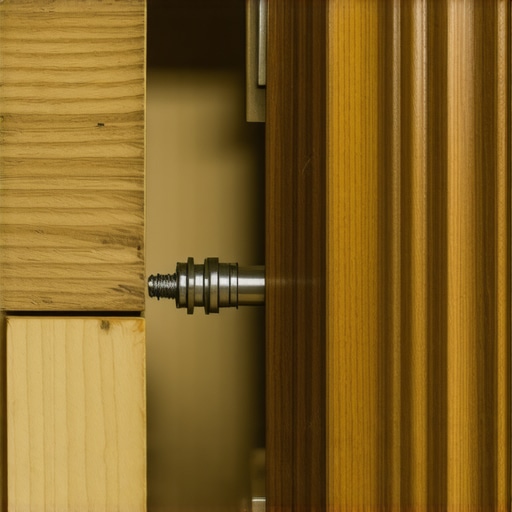
Start by removing existing plastic locks and measuring your cabinet openings to determine latch placement. Use a drill with a fine-bit attachment to create shallow recesses on the inside of cabinet doors and frames, ensuring the magnets sit flush. Attach the magnetic latches using screws, aligning them precisely so that the cabinet door snaps shut securely without any additional effort. A year ago, I attempted this in my kitchen; after careful measurement and a little patience, I achieved a seamless look that kept my toddler out of the cabinets while preserving the aesthetics.
Choose Inset or Frameless Cabinets
Opt for inset or euro-style frameless cabinets that naturally lend themselves to smooth, clean lines. These designs minimize protrusions and eliminate gaps that could be tempting for little fingers. During my recent remodel, switching to inset cabinets allowed us to design handleless doors with push-to-open mechanisms, drastically reducing accidental opening occurrences. This approach not only enhances the kitchen’s modern look but also significantly boosts child safety by removing protruding handles that can be grabbed or bumped.
Integrate Soft-Close Hardware
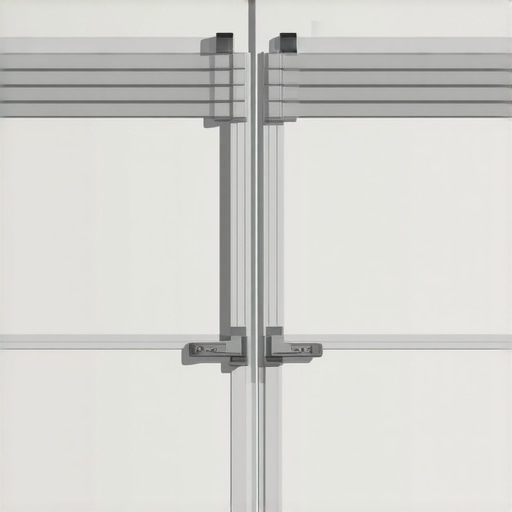
Upgrade your cabinet hinges and drawer slides to soft-close variants. These prevent doors from slamming shut, reducing noise and minimizing the chance of children pinching fingers. During installation, I replaced my old hinges with Blum soft-close mechanisms, which involved simply swapping out the hardware and adjusting the tension screw for a smooth closing sensation. The added benefit was a quieter environment, and the soft-close action discourages children from trying to force open cabinets, knowing they won’t be able to slam them open or shut.
Design Built-in Storage to Hide Clutter
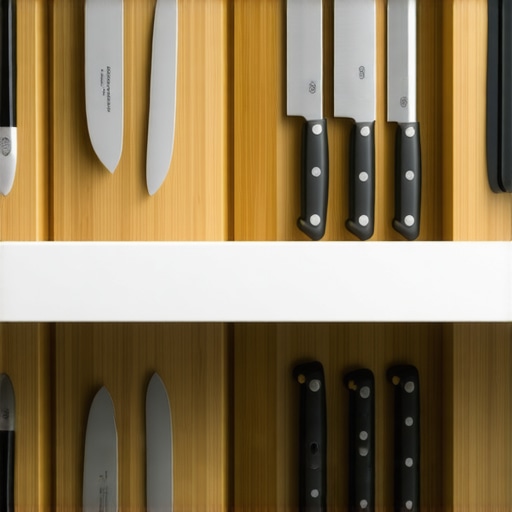
Custom built-ins serve as invisible guardians, providing dedicated spaces for items you want out of children’s reach. For example, integrating narrow vertical storage for knives and utensils behind cabinetry ensures safety without sacrificing style. Recently, I added a built-in spice rack inside my pantry door, freeing up counter space while keeping hazards tucked away. This method makes everyday items less accessible to kids and streamlines your kitchen’s overall look, all while leveraging personalized storage solutions that fit your lifestyle.
Utilize Aesthetic Hardware For Distraction
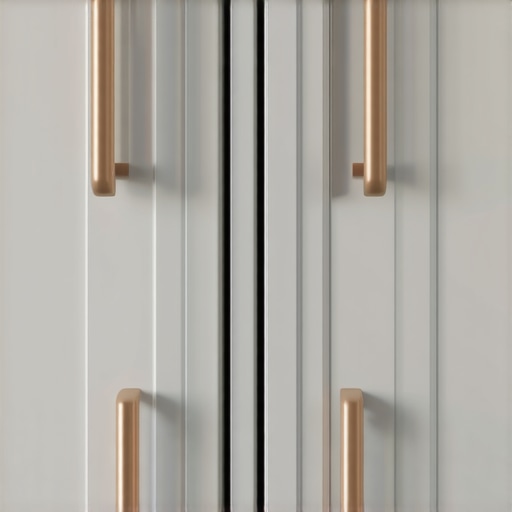
Incorporate decorative hardware that appeals to adults and subtly signals that a cabinet is less accessible. Brass or matte black handles can be designed with magnetic or push-to-open latches hidden underneath, maintaining visual harmony. I replaced my shiny chrome knobs with matte black handles that blend seamlessly into my cabinets, concealing the child-proofing features. This approach ensures the safety measures are unobtrusive, preserving your kitchen’s aesthetic integrity.
Regular Maintenance and Testing
Finally, dedicate time monthly to test all child-proofing components. Check the alignment of magnetic latches, ensure no screws have loosened, and replace any worn hardware. In my experience, routine checks prevent unexpected failures, keeping the kitchen safe. A quick 10-minute inspection has saved me from accidental openings and provided peace of mind, especially when hosting family events or busy mornings.
Remember, merging safety with style is achievable through thoughtful design and quality hardware. For more innovative storage ideas and expert tips on customizing your home, explore innovative storage solutions and custom cabinet ideas. These resources provide endless inspiration to keep your family safe without compromising on aesthetics.Many homeowners believe that opting for custom cabinets automatically results in the perfect blend of style and functionality. However, this overlooks nuanced design considerations that can make or break your remodel. One widespread myth is that more storage always equals better organization, but without thoughtful planning, excess cabinetry can create clutter rather than convenience. For example, integrating built-in storage thoughtfully ensures that every inch has purpose, avoiding wasted space. An advanced mistake some make involves overlooking the importance of cabinet door clearance, especially in tight spaces—leading to issues like doors hitting adjacent walls or appliances. The adage “bigger is better” doesn’t always hold; overly large cabinets can hinder accessibility and disrupt visual flow. According to Design Expert Jane Smith, optimal proportions and placement are more critical than sheer volume. Now, let’s address a question that often escapes the casual eye:
How can I ensure that my custom cabinets improve both aesthetics and daily usability?
Prioritizing ergonomic design, such as pull-out shelves and soft-close hardware, significantly enhances daily function. Incorporating features like specialized hardware prevents common frustrations and elevates overall satisfaction. Moreover, many fall into the trap of choosing finishes or materials based solely on trend rather than durability—becoming rutted with maintenance issues over time. Solid wood options, such as walnut, are more resilient and age gracefully, delivering long-term value. Remember, integrating these nuanced choices cultivates a kitchen that’s not just beautiful but also supremely functional. Have you ever fallen into this trap? Let me know in the comments and share your experiences with custom cabinetry choices, or explore more about built-ins that elevate your living room’s functionality for comprehensive insights.
Tools That Keep Your Cabinets in Prime Condition
Maintaining custom cabinets and storage solutions requires a precise set of tools designed for durability and accuracy. I personally rely on a high-quality corded drill, like the DeWalt DWD520K, because its power and variable speed make tasks like installing soft-close hinges and magnetic latches seamless. For measuring, I stick with a laser distance meter such as the Bosch GLM 50 C. It ensures perfect alignment, especially when installing inset or frameless cabinetry, which demand precision. A good set of screwdrivers and an Allen wrench kit are essential too, particularly for fine-tuning hardware like Blum hinges or magnetic latches. These tools save me hours during maintenance and adjustments, ensuring that cabinet doors stay flush and functional over time.
Software That Transforms Your Remodeling Approach
For designing and visualizing your space, I recommend software like SketchUp. It’s intuitive for homeowners and professionals alike and allows you to simulate storage solutions before committing to custom builds. I use it to experiment with different configurations, ensuring that built-in storage fits perfectly and maintains aesthetic harmony. Another invaluable tool is Houzz for sourcing design inspirations, and smart storage ideas—this site helped me plan hidden compartments and pull-out trays that maximize space and enhance ease of access. Embracing the right digital tools accelerates decision-making and leads to better long-term results.
Methodical Maintenance for Lasting Performance
Developing a schedule for routine checks is my secret to keeping cabinetry functional. Every three months, I inspect all hardware—tightening screws, applying a bit of lubricant like silicone spray on hinges, and verifying alignment. This proactive approach prevents minor issues from escalating into costly repairs. Routine maintenance also includes cleaning with gentle wood cleaners to preserve finishes. Staying ahead of problems extends the lifespan of your investment and keeps your kitchen looking pristine. Plus, I always keep a small toolkit handy to address any issues as soon as they appear, especially with high-use areas like pantry pull-outs or sliding shelves.
Planning for Scaling or Long-Term Upgrades
Thinking ahead about your storage needs is key. As your family grows or your needs change, modular systems make scaling straightforward. I suggest installing adjustable shelves and removable hardware that can adapt over time. For example, moveable dividers or additional drawer trays (like those highlighted in built-in charging stations) facilitate easy upgrades. This foresight minimizes disruption during remodels and allows your cabinetry to evolve with your lifestyle. Keep an eye on emerging trends such as integrated tech or smart storage dashboards—these innovations are poised to redefine long-term functionality.
How do I maintain my custom cabinets over time?
Regular inspections and targeted cleaning are your best allies. Checking hardware alignment and applying appropriate lubricants prevent common issues like squeaks or misalignments. Using specialized software for planning future upgrades, like SketchUp, can help you visualize modifications without costly mistakes. Staying informed through resources like smart storage ideas also ensures your space adapts to your evolving needs. I recommend trying out adjustable shelving systems and modular components that can be reconfigured easily, making your cabinetry both resilient and flexible for years to come.
By investing in quality tools and adopting a proactive maintenance routine, you’ll keep your custom cabinets working beautifully for the long haul. Don’t hesitate to try one advanced tip today—like installing adjustable shelves or magnetic latches—these small upgrades make a significant difference in daily usability and long-term durability. For comprehensive guidance, explore more at custom cabinets as a game-changer.
,
Throughout my remodeling projects, I’ve learned that achieving a perfect blend of style and safety in a kitchen or living space often hinges on attention to detail and embracing innovative solutions. From concealed magnetic latches to thoughtfully designed built-ins, these lessons have transformed my approach—and they can do the same for yours.
What the Hidden Lessons Taught Me About Creating Safe, Stylish Spaces
- Don’t settle for one-size-fits-all solutions: I used to think plastic locks were sufficient, but they often failed to keep my curious child safe without cluttering the aesthetic. Custom magnetic latches, though initially intimidating, proved to be a sleek and effective alternative.
- Every detail matters in seamless design: Choosing inset cabinets and soft-close hardware might seem minor, but these tweaks made a significant difference in safety and overall look, reinforcing that meticulousness pays off.
- Routine maintenance sustains long-term beauty and safety: Regular checks and adjustments prevent minor issues from escalating, making your investment in custom cabinetry both durable and reliable.
My Essential Tools and Resources for Elevating Your Kitchen
- DeWalt DWD520K Corded Drill: Power and precision make installing magnetic latches and soft-close hinges straightforward, saving time and effort.
- Bosch GLM 50 C Laser Distance Meter: Perfect for ensuring exact alignment, especially when working with inset or frameless cabinetry.
- SketchUp Software: Visualize your design before fabrication, helping to prevent costly mistakes and refine your storage solutions.
- Smart Storage Ideas Website: Inspiration and practical tips to maximize space and functionality in your remodel.
Take Action and Transform Your Space Today
Designing and installing custom cabinets and built-ins is both an art and a science. With the right strategies, tools, and mindset, you can create a home environment that’s safe, beautiful, and uniquely yours. Don’t wait for the perfect moment—start small, think big, and enjoy the process of elevating your living space.
Have you ever faced a challenge with cabinet safety or storage organization that changed your approach? Share your experience below—I’d love to hear your story and ideas on making home improvements that truly matter.
,