Why You Need a Dedicated Baking Center in Your Next Kitchen Remodel
I vividly remember the day I realized my kitchen was sabotaging my love for baking. Flour was spilling everywhere, my mixer was constantly in the way, and I spent more time digging through cluttered cabinets than actually creating delicious treats. That lightbulb moment hit me hard—that a dedicated baking center might be just what I needed. If you’ve ever found yourself frustrated because your kitchen isn’t set up for baking—or worse, you’ve overlooked this crucial detail—you know what I mean.
The Missing Piece in My Kitchen Overhaul
When I started planning my new kitchen, I knew I wanted stylish cabinets, ample storage, and modern appliances. But I neglected to consider how my baking essentials would fit into this new space. As a result, I ended up building a chaotic jumble of mixing bowls, measuring cups, and specialty gadgets just waiting to be lost or broken. It wasn’t until I faced the mess daily that I realized—the heart of my problem was a lack of designated space for baking. This made me wonder: how many other home bakers face the same challenge without even realizing it?
Fortunately, I discovered that a carefully planned baking center can transform your clutter into efficiency, turning your kitchen into a true culinary sanctuary. Today, I want to share what I learned and guide you through creating a dedicated space for your baking passion. After all, a well-designed baking station isn’t just about convenience—it’s about reclaiming your joy in the kitchen.
Don’t Let Doubts Hold You Back
Many people hesitate to include a baking center because they fear it might take up too much space or look out of place in a modern kitchen. I was guilty of the same hesitation—thinking I’d never have enough room or that it would clutter my sleek new design. But I made a crucial mistake early on: I didn’t fully investigate storage solutions that maximize vertical space or hidden compartments. To avoid similar pitfalls, I recommend exploring strategic storage ideas that keep your baking tools organized and accessible without sacrificing style.
Having experienced the benefits firsthand, I can honestly say that dedicating a corner of your kitchen to baking can bring clarity, reduce chaos, and even inspire new recipes. Next, let’s dive into how you can design a baking haven tailored to your needs—because your next kitchen remodel could be the start of a baking renaissance.
Pick the Right Space for Your Baking Corner
Identify a quiet, accessible area in your kitchen that won’t be disrupted during baking sessions, ideally near your main work zone. During my remodel, I chose a nook by the window, which provided natural light and a distraction-free environment. Mark this spot, and clear the surrounding space to start planning.
Assess Your Baking Essentials and Storage Needs
List every baking tool, ingredient, and gadget you use regularly. Think of this step like packing a travel bag—only keep what’s essential and frequently used. I realized I had duplicates of measuring cups and too many baking sheets, so I pared down to the essentials. This helps in designing specific storage to prevent clutter and improve efficiency.
Design Custom Cabinets and Shelves
Work with a professional to create custom cabinetry tailored for your needs. Use custom cabinets that incorporate pull-out shelves for heavy mixers, spice racks, and designated compartments for tools. When constructing mine, I included a shallow drawer for spatulas and a vertical slot for baking sheets, which saved me from digging through stacks.
Select Efficient Storage Solutions
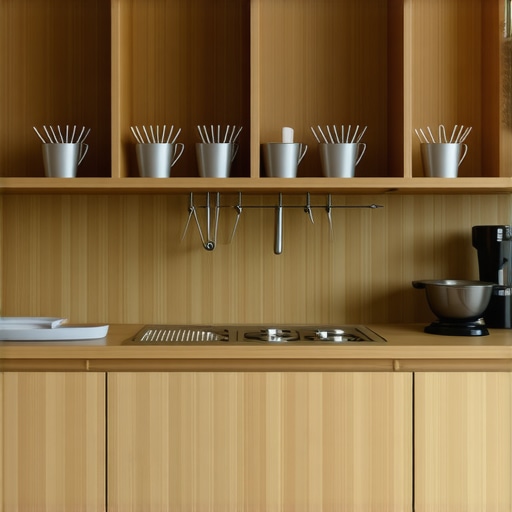
Maximize vertical wall space with pegboards or magnetic strips for small tools and utensils—think of these as the digital organizers of your kitchen. For larger items, consider deep, pull-out drawers designed specifically for mixing bowls and measuring cups. I installed a tilt-out bin for frequently used ingredients, saving precious countertop space.
Optimize Workflow for Seamless Baking
Arrange your storage and work surfaces in an ergonomic sequence—ingredients near prep zones, and baking pans close to the oven. During my project, I intentionally placed my mixer station at a comfortable height and within arm’s reach of the prep area. This consistency in placement significantly reduced missteps and made my baking sessions more fluid.
Implement Clever Hidden Storage and Built-ins
Incorporate built-in features like a slide-out mixing station or hidden spice drawers into your cabinetry design. These add aesthetic appeal while keeping your space uncluttered. I used built-ins to hide away seldom-used tools, maintaining a tidy look and easy access for essentials.
Test and Refine Your Setup
After completing your initial build, spend time baking to identify any workflow hiccups. I found my spice drawer was difficult to access while kneading dough, so I repositioned it for better reachability. Continuous adjustment ensures the space evolves with your needs, making baking enjoyable rather than frustrating.
Many homeowners believe that built-in cabinets and bespoke storage solutions automatically elevate their kitchen’s functionality and style. However, in my experience working with many remodel projects, the truth is more nuanced. A common misconception is that once a cabinet is labeled “custom” or “built-in,” it’s guaranteed to be perfect or inherently superior. But the reality is that poorly planned customizations can lead to issues like awkward access, inefficient space use, or future maintenance nightmares. For example, some designs fail to account for the natural movement of wood in varying humidity, leading to warping or misalignment over time—issues that expert artisans know how to avoid through meticulous material selection and joinery techniques, as discussed in the article on custom cabinet design. Moreover, many overlook the importance of integrating smart storage solutions, such as hidden compartments or vertical dividers, which maximize every inch of space—see innovative storage options. A critical mistake is to assume that mass-produced or standard sizes are suitable for unique kitchen layouts. This often results in gaps, mismatched aesthetics, or the need for costly rework. Instead, working with knowledgeable craftspeople ensures your cabinetry fits perfectly, complements your design, and accommodates your lifestyle. This is a subtle but vital detail for creating a truly functional kitchen. Additionally, many underestimate the long-term impact of humidity, temperature, and usage patterns on materials. Selecting the right finishes and materials—like moisture-resistant plywood over MDF—can prevent warping or deterioration down the line, an insight emphasized in the material selection guide. Finally, designing with flexibility in mind allows your storage to adapt as needs evolve, avoiding the costly overhaul typical of poorly planned spaces. So, while cabinetry might seem straightforward, those little nuances are what truly determine success. Have you ever fallen into this trap? Let me know in the comments.Maintaining your custom-built cabinetry and storage solutions is crucial to preserving their beauty and functionality over time. One of my favorite tools for this purpose is a high-quality soft cloth combined with a gentle cleaning solution tailored to the material of your cabinets—this prevents scratches and keeps finishes looking fresh. I personally rely on a microfiber cloth and a pH-balanced cleaner, as recommended in professional cabinetry care guides, to avoid damaging delicate finishes. Additionally, a plastic scraper serves as an excellent tool for removing stubborn stains or buildup without harming the surface. For deeper cleaning, I utilize a soft-bristled brush to reach into crevices and joints, ensuring no dust or grime accumulates, which is especially important for long-term durability. Regular inspections also help catch issues like loose hinges or worn slides early, minimizing costly repairs later. Implementing a routine maintenance schedule, perhaps monthly, keeps your cabinets and storage solutions in top shape and extends their lifespan. As trends lean toward smarter kitchens, integrating sensor-based cleaning devices—like UV light sanitizers—may become common for maintaining hygiene effortlessly. In the future, I predict that automation and IoT-connected maintenance tools will revolutionize how homeowners care for their kitchens, making upkeep even simpler.
Ever wonder how to keep your built-ins pristine without hassle?
One effective method is to incorporate maintenance-friendly materials and hardware during the design phase. For instance, using moisture-resistant plywood in high-humidity areas like under-sinks can prevent warping and extend lifespan, as discussed in expert material selections. Furthermore, choosing hardware with durable coatings, like matte black or brushed nickel, minimizes fingerprints and corrosion, reducing cleanup time. Investing in tools specifically designed for cabinetry care—such as a silicone spray for hinge lubrication—makes routine upkeep straightforward and helps maintain smooth operation. Additionally, creating an accessible service zone behind or below appliances can facilitate quick repairs without dismantling entire units, saving time and preserving aesthetics. As I always say, a little preventive care goes a long way in maintaining the integrity of your investment. Don’t neglect small issues; addressing them early with proper tools, like a precision screwdriver set and a hinge alignment kit, can prevent bigger problems down the line. Want to give your maintenance routine a professional upgrade? Try using a dedicated hinge lubricator and monitor hinges regularly—these simple steps can dramatically improve the longevity of your cabinetry,
Embarking on a kitchen remodel is more than just choosing new cabinets or swapping out appliances—it’s about crafting a space that genuinely elevates your cooking, storage, and daily routines. My journey taught me that understanding and implementing thoughtful built-in features and custom solutions can turn a chaotic kitchen into a haven of efficiency and style. From my experience, the biggest revelations often come from embracing detailed planning and personal touches that reflect your unique needs, rather than relying solely on off-the-shelf options.
Lessons that Changed My Approach to Kitchen Design Forever
- Lightweight solutions can become heavy burdens if not properly planned: I initially underestimated how much well-designed storage could streamline my workflow, leading to a clutter-free counter and mentally lighter days.
- The importance of partnering with skilled artisans: DIY shortcuts might seem tempting, but custom cabinetry crafted with attention to humidity and material properties saved me from future warping or misalignment.
- Thoughtful integration of storage creates space where you least expect it: Hidden compartments and clever built-ins not only preserve aesthetics but also maximize every inch of your kitchen, making it feel expansive and organized.
- Continuous refinement keeps your kitchen thriving: Regularly reassessing and adjusting storage setups ensures they evolve with your cooking habits, preventing obsolescence and frustration.
- A personal touch elevates functionality to art: Incorporating elements like a dedicated spice drawer or a swing-up appliance garage personalized my space, making it truly mine.
Tools and Resources I Swear By for a Kitchen Makeover
- Strategic Storage Ideas Guide: This resource helped me maximize vertical space and choose materials that withstand humidity, an essential for lasting quality.
- Built-in Magic: Learning from this guide influenced my decision to incorporate built-ins that blend seamlessly with my overall design.
- Creative Storage Solutions: It unlocked my imagination for hiding away appliances and specialty tools, keeping my countertops clear and usable.
- Modern Trends in Custom Cabinets: Staying informed about design innovations ensured my kitchen felt both functional and fashionable.
The Next Chapter in Kitchen Comfort and Style
Your kitchen is more than just a place to prepare meals; it’s a reflection of your lifestyle and creativity. By embracing thoughtful built-ins and bespoke cabinetry, you open the door to a space that inspires your culinary pursuits and offers daily satisfaction. Start experimenting with design ideas, seek out skilled professionals, and don’t be afraid to personalize every inch for your long-term happiness. Remember, the kitchen of your dreams isn’t just about looks—it’s about creating a functional sanctuary that truly serves you every day.
What’s your biggest challenge when it comes to kitchen storage or custom cabinetry? Share your thoughts below—I’d love to hear your story and help you find practical solutions!