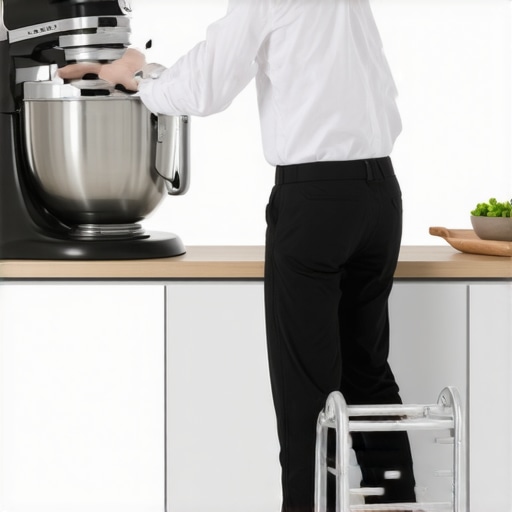
The Heavy Mixer Lift: How to Save Your Back and Your Countertops
I’ll never forget the moment I nearly dropped my beloved heavy stand mixer on a ceramic tile floor. The struggle to lift and store it without risking my back or cracking my countertops was a daily challenge that felt more like an obstacle course than a kitchen task. That lightbulb moment—realizing I needed a better solution—was the start of my journey toward a safer, more efficient kitchen. If you’ve ever wrestled with bulky appliances or worried about damaging your counters, you’re not alone. Today, I want to share a game-changing secret that transformed my space and could do the same for you.
Why You Should Consider a Heavy Mixer Lift
For years, I simply stacked my mixer on the counter, overloaded cabinets, or shoved it awkwardly into tight spaces. None of these options was ideal—until I learned about heavy-duty mixer lifts. These specialized hardware pieces not only keep your appliance at a comfortable working height but also ensure you won’t strain your back every time you bake or prep. Plus, they spare your countertops from scratches and dents caused by heavy, awkward appliances.
A study published by the Journal of Occupational and Environmental Hygiene found that improper lifting techniques are a prime cause of back injuries among home cooks and professionals alike. Investing in a quality mixer lift is a small step that pays off big by preventing injuries and extending the life of your kitchen surfaces. Understanding this, I made a critical mistake early on—I tried to lift my heavy mixer manually, which led to sore muscles and a near-miss that would have shattered my priceless countertops.
Is a Heavy Mixer Lift Really Worth the Hype?
Honestly, I was skeptical at first. I wondered if these lifts were just another gimmick or if they truly held up under daily use. After all, my previous solutions seemed good enough—until the inevitable slip or strain occurred. The truth is, investing in a well-made mixer lift changed everything. It made baking safer and faster, and I no longer feared dropping my appliance or ruining my counters. If you’ve faced similar dilemmas or are tired of haphazard storage options, a dedicated heavy-duty mixer lift might be exactly what you need to upgrade your kitchen experience. Curious? Check out some innovative solutions and see how they can make your life easier by visiting this helpful guide.
Plan Your Space with Precision
Start by measuring your kitchen’s available space meticulously. Use a tape measure to record width, height, and depth of potential installation areas. Create a scaled sketch or use digital design tools to visualize where the custom cabinets or built-ins will fit seamlessly. Consider how each storage unit interacts with your workflow—placing frequently used items within easy reach minimizes clutter and enhances efficiency. When I did mine, I marked out space for a hidden pantry and ensured pathways remained clear for smooth movement. This initial step prevents costly miscalculations later.
Choose Durable Materials That Perform
Select materials suited for heavy-duty use, especially if storing cast-iron cookware or bulky appliances. Plywood with high-quality veneer or basalt fiber cabinets provide strength and longevity. These materials resist warping and moisture better than standard MDF or particleboard. I opted for thick-core plywood, which supported my heaviest pans without bowing, ensuring safety and usability. Also, matching materials with your existing kitchen design maintains aesthetic harmony. Check out quartz-infused cabinets for a scratch-resistant finish that keeps your storage looking sleek over years.
Implement Heavy-Duty Hardware for Longevity
Invest in seamless, high-quality hinges, slides, and brackets that can handle weight without sagging. Heavy-duty slide-trays with titanium cores are essential for deep drawers holding multiple pans or small appliances. Install soft-close hinges to prevent slamming, which can damage cabinetry over time. For instance, when I replaced my old hinges with heavy-duty drawer slides, I noticed an immediate reduction in noise and smoother operation. Proper hardware minimizes wear and extends cabinet life, especially in a busy kitchen environment.
Secure Your Installations Effectively
Wall anchors, steel brackets, and support braces ensure your storage units stay firmly in place, even under heavy loads. Use a stud finder to locate framing before attaching support brackets—this provides maximum stability. When I installed a built-in wine rack, I added extra brackets beneath to prevent sagging over time. For large countertops over islands, consider steel brackets similar to those described in this guide so the structure supports weight without risking collapse. Proper anchoring keeps everything safe and functional for years.
Optimize Accessibility with Thoughtful Design
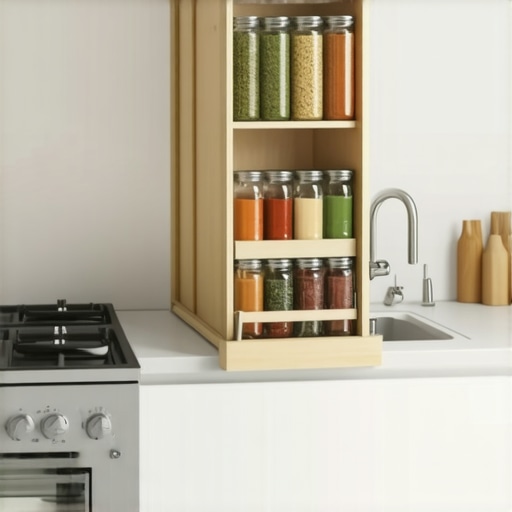
Design your storage with ergonomics in mind. Install pull-out shelves, vertical dividers, and lazy Susans to make accessing deep corners effortless. I added vertical sheet pan dividers, which prevented clutter and made retrieval faster—no more knocking over stacks of trays trying to find the right one. For smaller items like spices, magnetic racks inside cabinet doors reduce clutter and make the most of every inch, as highlighted here. Thoughtful placement saves time and reduces frustration during cooking.
Final Touches for a Custom Finish
Seal all surfaces with a water-resistant, non-toxic finish that withstands kitchen humidity and wear. Consider matte, antibacterial, or heat-proof finishes to match your needs. I chose a self-healing coating for my cabinets, which helps hide minor scratches and keeps the surface looking new longer. Proper sealing not only preserves the materials but also maintains a healthy kitchen environment, especially if you cook frequently or have allergies. When planning your upgrade, check out antibacterial finishes for extra protection.
Many homeowners assume that choosing the largest or most popular storage solutions guarantees a perfect fit for their kitchens or living spaces. However, this piece of advice often overlooks the nuanced realities of actual usage, material longevity, and long-term adaptability. An overemphasis on aesthetics or initial simplicity can lead to costly mistakes or frustrating limitations down the line.
Contrary to common belief, not all custom cabinets or built-ins are created equal—especially regarding durability and function. For instance, some homeowners are swayed by trendy finishes or designs that look appealing but fail in high-humidity environments, causing warping or peeling within a few years. Understanding the specific nuances of material performance is essential for achieving lasting value. For example, basalt fiber cabinets demonstrate incredible resilience in such conditions, surpassing traditional wood or MDF options.
Another common myth concerns the so-called “space-maximizing” solutions. Many believe that installing shallow, high-divide pullouts or narrow spice racks will neatly organize everything. But in reality, these often create ongoing access issues, especially for heavier or bulkier items. Instead, integrating deep, sturdy pull-outs with proper dividers—a tactic highlighted in this guide—can dramatically improve usability and prevent clutter from piling up.
How can pro-grade hardware enhance your remodel?
Many homeowners underestimate the importance of premium hardware, such as heavy-duty hinges and reinforced slides, in the longevity of their cabinetry. While cheap hinges might seem economical upfront, they often sag or squeak within a few years, leading to frequent repairs. Investing in hardware with titanium cores or steel brackets—like those discussed here—ensures consistent operation and sturdiness, especially under the weight of cast-iron cookware or heavy appliances.
Furthermore, understanding the importance of proper anchoring cannot be overstated. Without solid support, even the most beautifully designed built-ins can become unstable, risking damage or accidents. Using framing guides and steel brackets, much like the method explained here, can safeguard your investment for years to come.
Finally, advanced storage solutions should blend aesthetics with functionality. Installing pull-down shelves or motorized lifts not only maximizes the use of vertical space but also minimizes physical strain—especially crucial for high cabinets or awkward corners. You might consider these innovations for a truly optimized kitchen remodel that stands the test of time.
Have you ever fallen into this trap of oversimplification or overlooked these nuances? Share your experiences in the comments, and let’s make your next upgrade smarter. For tailored insights, don’t hesitate to reach out.
Tools That Keep My Storage and Cabinets in Prime Condition
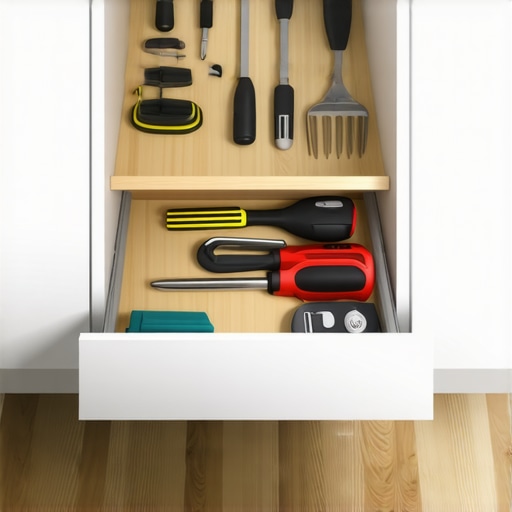
Maintaining intricate storage systems and built-ins requires the right equipment. I rely heavily on a high-quality cordless drill with variable speed control for precise fastening and adjustments, ensuring my custom cabinets stay aligned over the years. A good set of Allen wrenches is essential for tightening hardware without damaging delicate components. Additionally, I use magnetic screwdriver bits to quickly switch between screw types, saving time during routine checks.
For fine-tuning doors and hinges, I prefer a specialized level—like a digital laser level—to ensure everything remains perfectly aligned, especially after a busy season of use or minor shifts. A torque screwdriver also helps prevent overtightening that can warp wood or strips finishes, prolonging the life of my cabinetry.
Software and Planning Tools for Long-Term Success
Staying organized with digital tools like SketchUp or CabinetVision helps me plan adjustments and future projects without guesswork. These programs allow for detailed visualization, making recalibration or expanding storage seamless. I often revisit my original designs to check for potential stress points or hardware fatigue, ensuring my investments last decades.
One underrated technique is maintaining a detailed hardware log—tracking dates of installation, replacements, and adjustments. This practice helps me stay proactive, spotting patterns like hinge sag or drawer glide issues before they escalate. This strategy aligns with advice from industry experts like Cabinetmakers Association, emphasizing regular upkeep for durability.
How do I keep my custom storage systems functioning smoothly over time?
Regular cleaning and inspection are vital. I ensure hinges, slides, and handle mechanisms are free of dust and debris—using a damp cloth and a gentle brush for stubborn dirt. Applying a silicone-based lubricant periodically, especially to sliding hardware, minimizes squeaks and ensures smooth operation. Checking and tightening hardware every year prevents components from loosening due to daily use or seasonal humidity changes.
Protecting finishes is equally important. I use a soft cloth to wipe down cabinet surfaces after kitchen chores to prevent buildup of grease or splatters that can stain or degrade the surface. For more resilient finishes, I recommend opting for toughened finishes that are designed to resist chips and scratches, making ongoing maintenance simpler.
Predicting the Future of Storage Maintenance
The next generation of storage solutions will likely incorporate smart sensors that monitor hardware wear and environmental conditions, alerting homeowners before issues arise. This proactive approach minimizes disruptions and extends the lifespan of custom cabinetry and built-ins. Innovations like these will make maintaining your space more intuitive and less time-consuming, turning regular upkeep into an effortless process.
If you’re looking to elevate your maintenance game, try installing a magnetic screwdriver holder on your workbench or inside your cabinet doors. This quick-access solution keeps tools organized and ready for routine adjustments—saving you time and frustration. For comprehensive project planning or advice specific to your setup, don’t hesitate to reach out.
What I Wish I Knew When I Started Cardboard and Creativity Can Only Take You So Far
Early in my journey with storage solutions, I underestimated the importance of tailored hardware. I thought a simple set of brackets would suffice, but over time, I realized that investing in heavy-duty, purpose-built hardware drastically increased durability and safety. That unanticipated insight taught me to prioritize quality hardware from the get-go, saving me time and money in the long run.
How DIY Can Turn Into Disappointment Without Expert Guidance
Initially, I believed I could design and execute my custom cabinets without professional help. The result? Gaps, misalignments, and a frustrating whirl of adjustments. The lesson? Consulting with specialists or using trusted planning tools like design software makes a huge difference. It ensures your vision is both beautiful and functional, especially when integrating features like built-ins and deep storage.
Don’t Overlook the Power of Material Choices
I once opted for the cheapest plywood available, thinking it would be fine. But moisture and daily use revealed its weaknesses—warping and peeling. Since then, I’ve learned that materials like high-quality veneer plywood or basalt fiber offer long-term resilience. Make sure to choose materials aligned with your lifestyle and climate, perhaps exploring options discussed in this article for inspiration.
Striking the Balance Between Aesthetics and Function
We often chase trendy finishes or eye-catching designs, neglecting usability. I discovered that integrating practical features such as pull-out shelves or magnetic spice racks in your cabinet doors can transform your cooking experience. These small adjustments make everyday tasks smoother and keep your kitchen stylish—check out this resource for ideas.
When Less Is More — Except When It Isn’t
In my early days, I believed minimalism was the ultimate goal, only to realize that over-simplifying storage led to clutter. Thoughtful inclusion of dedicated niches for heavy appliances or hidden compartments for your tech gadgets elevates both function and peace of mind. It’s about designing a space that adapts to your needs, not just looks good in photos.