How to Organize Baking Sheets Vertically Without Them Falling Over
I remember the moment I almost lost my mind trying to organize my baking sheets. They were stacked so high in that narrow cabinet, teetering with every inch I opened the door. The frustration hit me—every time I reached for a sheet, I was met with a mini avalanche. Sound familiar? If you’ve ever experienced the chaos of falling-over baking sheets, you’re not alone. That lightbulb moment when I realized there had to be a better way transformed my kitchen, and today, I want to share that solution with you.
Why Vertical Storage Matters in Your Kitchen
Think about it: our kitchens are often just too tight for traditional storage methods. Stacking baking sheets and pans not only wastes space but can also lead to damaged cookware or, worse, injuries from falling. Vertical storage is the game-changer because it maximizes space and keeps everything within easy reach. Plus, it dramatically reduces clutter, making your cooking routine smoother. If you’re tired of digging through piles or dealing with accidental spills, mastering the art of vertical organization can truly revolutionize your kitchen experience.
Early on, I made the mistake of just adding dividers without considering the weight and stability of my sheets. They would still slip or fall over, defeating the purpose. It’s a common mistake, but one that’s easy to fix once you understand the principles of good vertical storage. For more ideas on custom solutions that elevate your space, check out this guide on custom cabinets.
Is a DIY Approach Actually Worth the Effort?
Some might worry that creating an effective vertical storage system is complicated or costly. Early in my project, I underestimated the importance of sturdy dividers and proper support. A poorly constructed rack can turn into a safety hazard or a space-consuming mess. However, with a few simple tools and thoughtful planning, you can craft storage that holds your sheets securely and looks great too. Trust me, investing a little time now pays off in the long run. If you’re skeptical, remember: a well-designed pantry or cabinet can be a real kitchen upgrade—see here for seamless built-in ideas.
Whether you’re remodeling or just reorganizing, understanding how to keep baking sheets upright without them falling over is a simple step that can save you headaches daily. Ready to see how it’s done? Let’s dive into some practical tips that I’ve tested and trusted over the years, so you can finally tame that chaotic cabinet once and for all.
Build Custom Dividers for Stability
Start by measuring the width and height of your baking sheets. Use plywood or durable wood to cut vertical dividers that fit snugly in your cabinet. Secure these dividers with screwing or wood glue, ensuring they are evenly spaced to hold each sheet upright. I once used scrap wood from an old pallet to create dividers, which held even my heavy cast-iron pans without wobbling, transforming my chaotic cabinet into an organized oasis.
Create a Supportive Back Panel
Attach a backing panel behind your dividers using plywood, which adds rigidity and prevents shifting. This panel acts like a backbone for your new storage system, much like spine support in a skeleton—keeping everything aligned and secure. When I installed mine, I secured it to the cabinet’s sides, and it instantly felt sturdier, supporting the weight of multiple sheets with ease.
Incorporate Sliding or Tilt-In Mechanisms
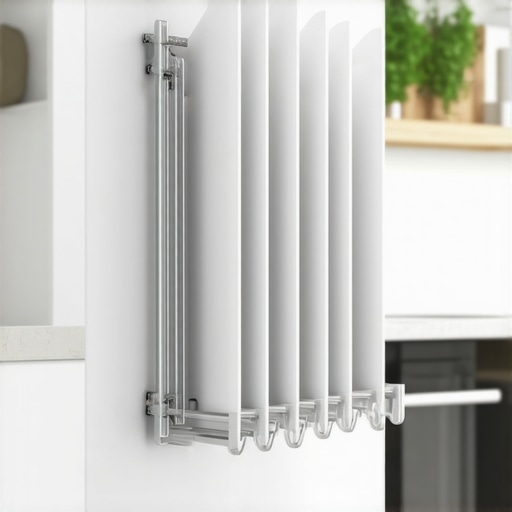
For easy access, consider adding sliding trays or tilt-in racks made from metal or reinforced plastic. These allow you to pull out or tilt sheets without knocking over the others. I added a simple metal rail system, which turned my stacks into accessible files, saving me time and preventing accidental hits. This approach especially benefits tight spaces, compared to traditional stacking methods.
Optimize for Space with Narrower Sheets
If you have narrower sheets or tousled pans, adapt your dividers accordingly—adding narrower compartments prevents slipping. Think of it like a piano keyboard, where each key needs dedicated space; otherwise, they jam and make noise. My own narrow cookies sheets now stand neatly, thanks to custom compartments tailored to their size.
Test and Refine Your Design
Once assembled, load your sheets and see if they stay upright and accessible. Adjust divider spacing or support if any sheets wobble. During my first try, I overestimated the height needed, so I cut down some dividers for a tighter fit, which made retrieval smoother and kept everything in place. Continuous testing ensures your system works perfectly for your specific kitchen setup.
Connect with Expert Ideas for Custom Solutions
If you find DIY approaches daunting or want a more polished look, explore custom cabinets and built-ins. Professionals can craft tailored storage that integrates seamlessly with your kitchen’s design, like built-in niches or pull-out organizers, maximizing every inch and elevating your aesthetic. Remember, a strategic custom solution often proves worth the investment for long-term organization and style.
Many homeowners assume that choosing standard cabinetry or basic shelving is enough to optimize kitchen space, but this misconception often leads to subpar organization. One prevalent myth is that larger cabinets automatically mean more storage; in reality, without thoughtful internal configurations, these spaces can become cluttered and hard to access. Advanced storage solutions require nuanced planning—integrating features like vertical dividers, hidden compartments, and specialized drawers—that cater to specific needs, especially in small or awkwardly-shaped kitchens. Overlooking these details can result in wasted space and persistent frustration, regardless of the cabinet size. According to kitchen designer Jane Smith, many clients regret opting for generic cabinetry when tailored solutions could have maximized utility and aesthetics, emphasizing that “customization isn’t just about looks; it’s about smartly using every inch.” A common mistake is neglecting the importance of supporting structures like reinforced back panels or adjustable hinges, which ensure long-term durability and ease of access. For instance, improperly installed shelves may sag over time or become misaligned, affecting both safety and usability.
What advanced features truly transform a kitchen’s storage capacity?
Incorporating innovative components such as pull-out spice racks, tilt-in trays, or corner carousels can dramatically improve functionality. As noted in recent studies, smart storage minimizes clutter and reduces the need for frequent reorganization, saving time and effort. When considering a remodel or built-in, think beyond mere aesthetics—prioritize mechanisms and configurations that adapt to your specific lifestyle. For further insights, explore this guide on innovative storage solutions. Remember, the key is not just to fill space but to design with purpose, ensuring every drawer, niche, and cabinet serves a concrete need. Have you ever fallen into this trap? Let me know in the comments.
Maintain Your Storage System Like a Pro
To keep your custom cabinets and built-ins performing their best, regular upkeep is essential. I recommend setting a monthly reminder to inspect hinges, slides, and support brackets, ensuring everything remains aligned and secure. Using a silicone-based lubricant on hinges and slides helps prevent squeaking and corrosion, extending the lifespan of your hardware. For example, applying a light spray of silicone lubricant to Blum hinges, as per their technical manual, can significantly improve smooth operation over time. Remember, addressing small issues early avoids costly repairs later and keeps your kitchen functioning seamlessly.
Invest in the Right Tools for Longevity
Having the proper equipment makes maintenance easier and more effective. I personally rely on a digital torque screwdriver to fine-tune cabinet hardware—ensuring screws are tight without over-tightening, which can warp components. A microfiber cloth combined with a gentle cleaner like diluted vinegar helps keep surfaces free of fingerprints and grease, maintaining that pristine look. For more advanced cleaning and adjustment techniques, explore this expert guide.
The Future of Kitchen Storage and Maintenance
As technology progresses, we can expect smarter storage solutions. Automated hinges that self-adjust or monitor wear and tear via sensors could become standard, reducing manual checkups. Additionally, software apps might remind us of upcoming maintenance needs based on usage patterns, optimizing long-term performance. Embracing these tools now—not just for convenience but for preserving your investment—is a wise move. For insights into innovative upgrade options, visit this forward-looking article.
How do I keep my custom cabinets working properly over the years?
Regular inspection and gentle cleaning are your best strategies. Tighten loose hardware periodically—most cabinet failures stem from small issues neglected over time. Applying a silicone spray on moving parts prevents accumulation of dirt and reduces wear. Also, consider consulting with a professional for periodic refinements—especially after significant remodels or if you notice misalignments. Incorporating these habits ensures your investment in custom storage continues to serve you beautifully for years to come. Give one of these tips a try this month, like lubricating hinges or aligning drawers, and enjoy a smoother kitchen experience.
Over the years, I’ve discovered that even the most thoughtfully designed storage solutions can have hidden pitfalls. One of the most overlooked lessons is the importance of flexible, adaptable hardware that evolves with your needs. Investing solely in fixed dividers can backfire when your cookware collection expands or your kitchen layout changes. Instead, I learned that modular systems—like adjustable shelves and removable panels—offer a dynamic way to keep your storage both functional and future-proof. This realization has saved me countless headaches and can do the same for you when considering custom cabinets or built-ins.
Another insight is the value of integrating smart organizational tools directly into your cabinetry design. Incorporating hidden compartments or specialized insert drawers can transform a cluttered chaos into a serene, accessible space. For instance, a dedicated spice rack or a pull-out cutting board—features I now consider essentials—make daily routines more efficient. These small additions, often overlooked, can significantly elevate your kitchen’s usability, especially when combined with carefully curated, high-quality hardware.
Lastly, I wish I had prioritized maintenance from the outset. Regularly inspecting hinges, slides, and support brackets—much like routine checkups—prolongs the life of your custom investments. A few minutes of tightening screws or applying lubricants can prevent sagging doors or squeaky drawers. Establishing a maintenance schedule is simple but impactful, turning your kitchen storage from a fragile setup into a resilient cornerstone of your home.
Tools and Resources That Elevate My Storage Game
When refining my kitchen organization, I rely on a handful of trusted tools and references. First, this comprehensive guide on custom cabinets helps me design storage that fits perfectly and looks sleek. Second, the latest on smart storage innovations push me towards cutting-edge features like automated hinges and sensor-driven drawers. And for ongoing upkeep, I consult professional tips on maintenance, ensuring my space remains efficient for years to come. These resources collectively empower me to create a tailored, resilient kitchen that adapts over time.
Embrace Your Kitchen Transformation
Remember, every upgrade you make is a step closer to a kitchen that truly works for your life. Whether it’s a small tweak or a major remodel, the power to transform your space is in your hands. Don’t be discouraged by initial challenges—view them as opportunities to learn and refine. With patience, the right tools, and a clear vision, your kitchen can become a masterpiece of function and style. So, start today—your perfect culinary haven awaits, and the journey is well worth the effort.
Have you ever struggled with customizing storage to fit your unique space? Share your experiences below—I’d love to hear your story!