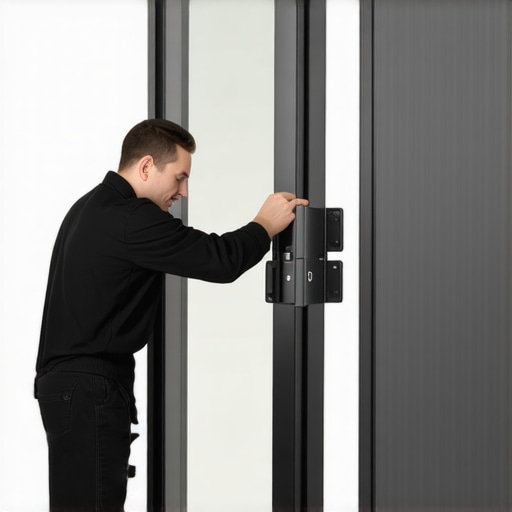
How to Pick the Right Hinge for a Heavy Mirror-Faced Cabinet
I remember the first time I installed a large mirror-faced cabinet in my kitchen. I was so proud of the sleek look and seamless design—until I opened the doors for the first time, and they sagged under their own weight. That moment was a lightbulb for me: not all hinges are created equal, especially for heavy, mirror-faced cabinets. If you’ve ever struggled with doors that creak, sag, or won’t stay aligned, you’re not alone. The choice of hinge might seem like a small detail, but it makes all the difference in functionality and longevity.
In this post, I’ll share my personal journey and professional insights into how to pick the right hinge for your heavy mirror-fronted cabinet. We’ll explore the types of hinges suitable for substantial doors, common pitfalls, and how to avoid them. By the end, you’ll feel confident selecting hinges that not only support your stunning design but also stand the test of time.
Why the Right Hinge Matters More Than You Think
Is the Hype About Heavy-Duty Hinges Worth It? Here’s What I Learned
Many people assume all hinges are interchangeable, but I learned early on that choosing the wrong one can lead to doors that warp, squeak, or even fall off. My initial mistake was installing standard hinges on a heavy, mirror-faced cabinet, which caused sagging within months. It was frustrating—more so because it was a simple fix once I understood the importance of heavy-duty hinges.
According to cabinet hardware experts, selecting the appropriate hinge is crucial for supporting heavyweight doors, especially those made of glass or mirror surfaces, which add to the load. Not only do these hinges need to be durable, but they also have to allow smooth operation without stressing the cabinet frame. Skipping this step or opting for cheaper, generic hinges can turn your beautiful space into a maintenance headache.
If you’re wondering whether the investment in quality hinges is justified, think about the long-term benefit: fewer repairs, better alignment, and a polished look that lasts. To get a sense of what works best, I recommend checking out some of the innovative storage solutions from artisans who specialize in maximizing space and functionality—some of which involve custom cabinets designed to handle the weight and style of modern fixtures. For instance, exploring [custom cabinets as a game changer in your kitchen remodel](https://artisancabinetworkz.com/custom-cabinets-as-a-game-changer-in-your-kitchen-remodel-journey) can give you ideas on integrated hardware choices.
Before we dive into specific hinge types and selection tips, I want to emphasize one thing: don’t underestimate the power of a well-chosen hinge. It’s like the backbone of a sturdy, functional cabinet—worthy of your attention and investment.
Ready to find out how to pick these hinges that will support your design aspirations? Let’s get started.
Select the Right Hinges for Heavy Doors
Start by analyzing the weight and material of your cabinet doors. Mirror-faced panels are especially heavy, so opt for heavy-duty, soft-close hinges designed to support substantial loads without sagging. When I replaced my sagging mirror doors, I chose Blum soft-close hinges with a weight rating specific for large, glass-fronted panels, preventing future issues.
Identify the Correct Hinge Type
There are several hinge styles suited for heavy doors. Clip-on hinges are easy to install and replace, making them ideal if you’re doing a DIY upgrade. For full functionality with minimal wear, I recommend pivot hinges for extremely heavy or oversized doors, mimicking the way a well-balanced gate swings smoothly—this prevents stress on the cabinet frame. Check the manufacturer specifications to match hinges with your door weight.
Consider the Material and Finish
Hinges come in various finishes—brass, nickel, or black—align with your cabinet hardware for a cohesive look. Using corrosion-resistant materials like stainless steel or nickel helps prevent deterioration over time, especially in humid kitchens. I once installed matte black hinges that perfectly complemented my modern cabinet hardware, maintaining aesthetics while ensuring durability.
Prepare and Measure Before Installation
Accurate measurements are critical. Measure the distance between the hinge mounting plate and the edge of the door, then mark drilling points precisely. Use a level and a template—many hinge manufacturers provide templates—to ensure symmetrical placement. When I installed new hinges on my large mirror doors, I used painter’s tape as a temporary template to avoid slips, saving me time on adjustments later.
Reinforce the Cabinet Frame
Heavy doors exert more stress on the mounting points; thus, reinforcing the frame is essential. I added extra screws and used longer, thicker anchors in the door jambs to distribute weight evenly. For steel or metal studs, special anchors ensure secure attachment. Reinforcing prevents the sagging I encountered with my first project, extending the cabinet’s lifespan.
Install Hinges with Precision
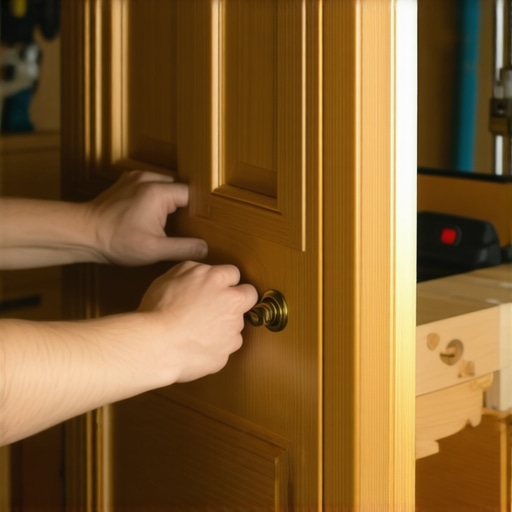
Follow the manufacturer’s instructions meticulously. Drill pilot holes before screwing in hinges to prevent wood splitting. I suggest tightening screws gradually and alternating sides to keep the door aligned. Once installed, test the door’s swing; it should open smoothly without resistance or sagging. Adjust the hinge screws as needed—most hinges have lateral and depth adjustment screws for fine-tuning.
Test and Fine-Tune the Alignment
After installation, open and close the door multiple times, checking for alignment and operation. Small misalignments can cause squeaking or uneven gaps. Use the adjustment screws to correct these issues—usually, turning clockwise raises the door or shifts it inward. During my last hinge adjustment, I realized a quarter-turn changed the door’s position enough to eliminate sticky spots, improving overall function.
Invest in Quality for Longevity
Although inexpensive hinges might seem tempting, they often fail under heavy loads, leading to sagging or mechanical issues. Investing in high-quality hinges with robust load ratings ensures your cabinet doors stay level and operate smoothly for years. Remember, proper hinge selection and precise installation form the backbone of sustainable, elegant cabinetry—just like I discovered when my once-sagging mirror doors transformed into a sleek focal point.
Many homeowners assume that planning a kitchen remodel involves simply selecting beautiful cabinets and adding some storage. However, a common misconception is that one-size-fits-all solutions can achieve optimal results. In reality, there are subtle nuances that can make or break your project’s success. For example, the belief that standard cabinets and off-the-shelf storage ideas suffice often leads to wasted space and ongoing frustrations.
Why Do So Many Get It Wrong When Upgrading Their Kitchen?
One of the biggest pitfalls is relying solely on popular trends without analyzing your specific needs. While custom cabinets can be a game changer—offering tailored solutions that maximize storage and enhance style—many overlook the importance of integrating these with your home’s unique architecture. Check out custom cabinets ideas that transform your home’s style for inspiration. Additionally, the myth that larger or more numerous cabinets automatically improve functionality can backfire. Excessive cabinetry may crowd your space, making it harder to reach or use effectively, especially in small kitchens. Think strategically about what storage truly adds value—sometimes, fewer, well-designed built-ins can deliver better results.
Overlooking the Power of Smart Storage Solutions
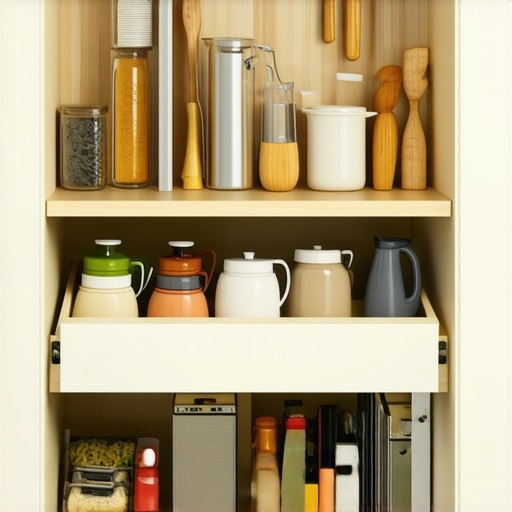
Another common mistake is neglecting innovative storage solutions that adapt to your lifestyle. Traditional drawers and shelves are often used habitually, without considering options like hidden toe-kick drawers or corner pull-outs, which can utilize otherwise wasted space. I suggest exploring smart storage ideas to maximize your kitchen space this year. These adjustments can profoundly impact your kitchen’s functionality, especially when carefully integrated with custom cabinetry.
The Advanced Question: How Can Custom Fit Improve Overall Efficiency?
For those who want to push their remodeling project further, the key lies in understanding how custom fit and seamless integration influence daily use. Expert insights indicate that tailored solutions—like precisely scribed toe-kick areas or built-in organizing racks—reduce clutter and promote faster workflows. Plus, studying ergonomics ensures that everything you use regularly is accessible without strain. Embracing these advanced techniques can elevate your kitchen from merely beautiful to truly efficient. Don’t fall for the trap of settling for cookie-cutter solutions when a tailored approach offers so much more—these nuanced details are what differentiate a good remodel from a great one. Want guidance on getting it right? Check out how built-ins and creative storage can revolutionize your kitchen. Have you ever fallen into this trap? Let me know in the comments.
Tools That Make Or Break Long-Term Kitchen Success
Ensuring your custom cabinets and built-ins stay beautiful and functional over the years hinges on using the right tools. I swear by a high-quality cordless drill, like the Makita XFD10Z, because its lightweight design reduces user fatigue during repetitive tasks and provides enough torque for heavy-duty fastening—crucial when securing thick cabinet panels and hardware. For precise measurements, I rely on a digital laser level such as the Bosch GLL3-330CG, which guarantees perfectly aligned shelves and doors, saving time and frustration. Regularly checking tolerances with a combination square helps me spot misalignments early, preventing issues before they become costly repairs.
Establish a Routine for Ongoing Care
Creating a maintenance schedule tailored to your kitchen’s materials is vital. For example, I recommend inspecting hinges and drawer slides every six months, tightening screws and lubricating moving parts with a silicone-based lubricant like Wahl Professional Super Holster. Paying attention to soft-close mechanisms then prevents sagging and squeaking, enabling doors and drawers to operate smoothly for years. Before applying any updates, I consult the Wood Magazine guide on finishes to ensure my maintenance techniques won’t inadvertently damage delicate surfaces. This proactive approach extends the lifespan of investments and maintains that polished aesthetic you love.
Embrace Software for Perfected Planning and Tracking
Digital tools can streamline your maintenance and scaling efforts. I use SketchUp for visualizing modifications, like adding new storage solutions or custom niches. Its ability to create accurate 3D models helps me foresee potential issues, such as door clearance or hinge placement, before any screws go in. Additionally, apps like Evernote serve as maintenance diaries where I log inspections, repairs, and upgrades, creating a comprehensive history that guides future improvements. According to industry expert Marie Kondo, maintaining an organized space fosters better longevity—her principles resonate when integrated with digital planning. I suggest trying out a combination of hardware like smart sensors that monitor humidity or hinge wear, with software to schedule routine checks, ensuring your kitchen remodel continues to impress long after the initial reveal. Consider exploring expert tips on selecting smart storage solutions for added peace of mind.
Scaling Your Space: When and How to Expand Your Storage
If your kitchen begins to outgrow its initial layout, scaling thoughtfully is key. I recommend first assessing your current usage with a detailed list, then considering modular solutions like pull-out pantry shelves or ceiling-mounted racks. These are less invasive than full remodels and can be installed with basic tools—though I always double-check weight capacities with my digital load tester to avoid overloading supports. For example, a well-installed corner pull-out, supported by a high-torque drill and reinforced frame, can double your storage without sacrificing accessibility. As trends shift toward multifunctional furniture—like fold-away counters or hidden compartments—you’ll want to keep flexibility at the forefront. Remember, regular maintenance and smart tools are your allies in ensuring these enhancements stand the test of time and usage. Ready to try one of these maintenance hacks? Start by inspecting your hinges with a digital level—small adjustments here can have a massive impact on your cabinetry’s longevity.
The Toughest Lessons Hidden in My Kitchen Journey
One of the most surprising insights I gained was that premium hinges are more than just hardware—they’re the backbone of durability for heavy, mirror-fronted cabinets. Discovering how to properly reinforce cabinet frames transformed my renovation from a quick fix to a lasting solution. Additionally, I realized that meticulous measurement and patience during installation are irreplaceable, preventing future sagging or misalignment—sometimes the smallest adjustments make the biggest difference. Lastly, I learned that investing in high-quality hinges may seem costly upfront, but their support and smooth operation save time and money in the long run, ensuring your beautiful kitchen remains functional and flawless for years.
My Go-To Arsenal for Flawless Kitchen Upgrades
For truly professional results, I rely on my trusted toolbox which includes the Makita XFD10Z cordless drill—its lightweight and powerful design makes heavy-duty tasks effortless. The Bosch GLL3-330CG digital laser level has been a game-changer for precise alignment, saving me countless hours of troubleshooting. I also swear by specific hinge brands like Blum, known for their durability and smooth close—perfect for supporting heavy doors. For measuring and fine-tuning, I always keep a reliable combination square and a tape measure handy. Between these tools, I can confidently tackle any cabinetry challenge, from installing custom-built niches to ensuring perfect door alignment—click here to explore more about transforming your space with artisan craftsmanship.
Your Next Step Toward Kitchen Brilliance
Your dream kitchen is within reach, and mastering hinge selection and installation is the secret weapon for sustained elegance and function. Embrace the process, invest in quality hardware, and don’t shy away from seeking tailored solutions that fit your space perfectly. Remember, a well-supported door is the difference between beauty and frustration—so get your tools ready and start transforming your kitchen into a masterpiece that stands the test of time.