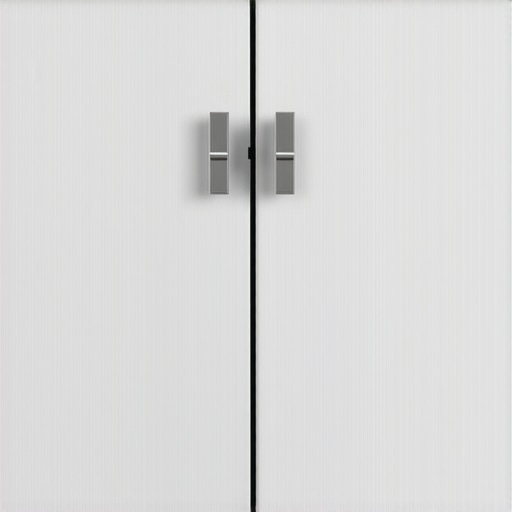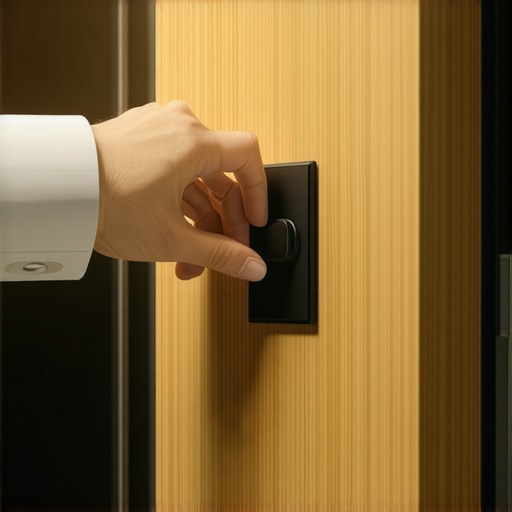
How to Install a Hidden Magnetic Catch for Touch-to-Open Doors
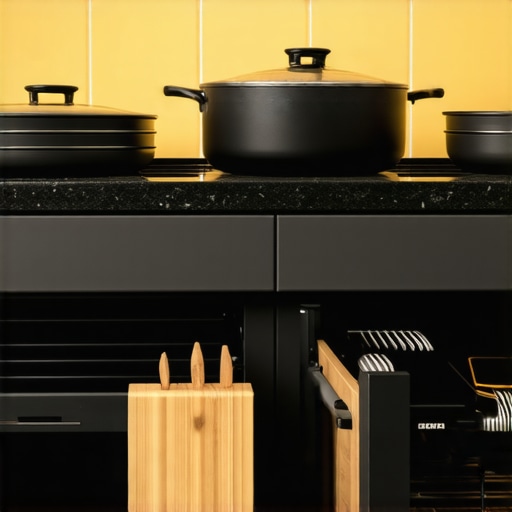
I still have a tiny, faded scar on my thumb from a particularly aggressive brass knob I installed back in 2008. It was a beautiful piece of hardware, but in a tight kitchen, it was a literal hazard. That was my lightbulb moment: why do we insist on cluttering our sleek surfaces with metal bits that catch on our sleeves and bruise our hips? When I started working on modern kitchen remodels featuring custom cabinets, I realized the ‘hidden’ look isn’t just about aesthetics; it is about reclaiming the flow of your room. But, let me tell you, my first attempt at a magnetic catch was a total flop. I misjudged the door tension, and the pantry door kept popping open like it was haunted. It was embarrassing. Today, I’m going to make sure you don’t repeat my rookie errors so you can achieve that high-end, seamless look on your very first try. We are going to dive into the exact placement and tension secrets that separate the DIY projects from the professional-grade built-ins. [image-placeholder]
Why Ditching Knobs is the Best Decision You Will Make This Year
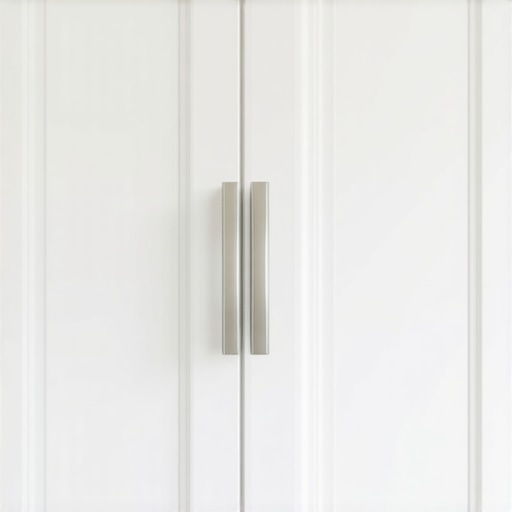
Moving toward a handle-less design is one of those custom cabinets ideas that transform your homes style from ‘standard’ to ‘architectural.’ There is something incredibly satisfying about a flat, unbroken plane of wood or lacquer. Beyond the looks, you are also solving the age-old problem of finding hardware that does not snag your pockets or your children’s clothes as they run by. According to design industry data from Houzz, nearly 30% of homeowners are now opting for integrated or hidden hardware to maximize the visual ‘quiet’ of their homes. This shift isn’t just a trend; it is a move toward more functional, intentional living. Whether you are working on a full kitchen overhaul or just adding some built-ins and storage hacks for a sleek functional kitchen, the magnetic catch is your best friend.
Will these magnets actually hold or just pop open if someone sneezes?
This is the number one question I get from skeptical neighbors. People worry that a ‘touch-to-open’ door won’t have the staying power of a traditional latch. The truth is, if you choose the right pound-force magnet and install it with the correct offset, it is actually more secure than many cheap rollers. My big mistake early on was using a catch that was too weak for a heavy MDF door. The door didn’t just sag; it refused to stay flush. Have you ever felt like your ‘modern’ upgrade ended up feeling more like a ‘broken’ mess? I’ve been there, and I promise that with the right alignment, we can fix that. We’re going to ensure your doors stay shut until you actually want them open.
Stop Guessing and Start Measuring the Push
When you dive into modern kitchen remodels featuring custom cabinets, the magnet isn’t just a piece of metal; it’s the engine of the door. I once spent three hours fighting a single spice cabinet because I assumed all push-to-open latches were created equal. They aren’t. If you’re using a heavy white oak door, a standard 4-pound magnet will feel like soggy cardboard. You need a heavy-duty mechanical piston latch. Think of it like a suspension system on a car; if the spring is too soft, you’ll bottom out.
Find the Sweet Spot for Magnet Strength
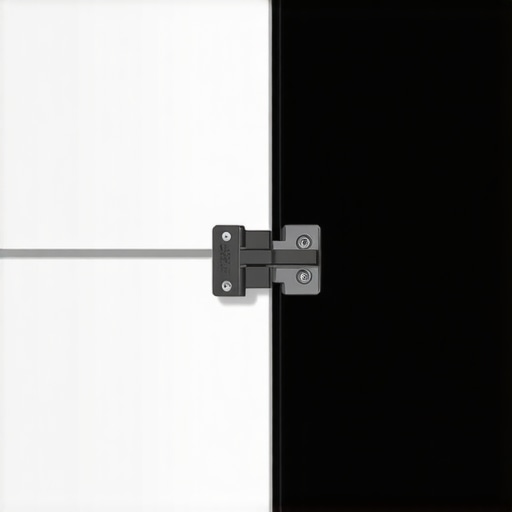
For most built-ins and storage hacks for a sleek functional kitchen, you want a latch with at least 6 to 10 pounds of force for base cabinets. If you go too light, the door won’t rebound enough for your fingers to get a grip. If you go too heavy, you’ll feel like you’re punching the cabinet just to get a glass of water. I learned this the hard way on a project in a high-end pantry. I installed standard magnets, and the homeowner called me back because the doors felt ‘lazy.’ We swapped them for high-tension magnetic pistons, and suddenly, the kitchen felt like a luxury jet. 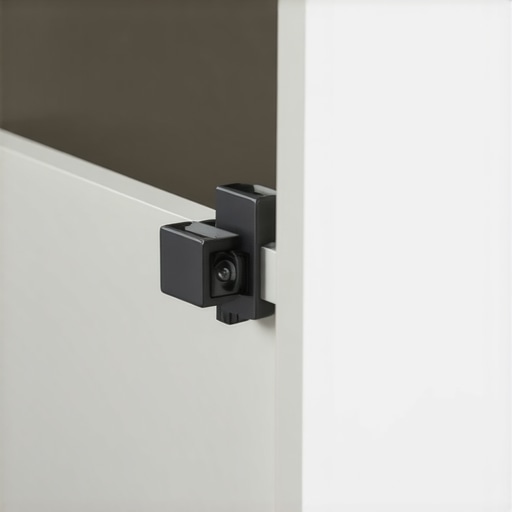
The Hidden Gap That Makes or Breaks the Look
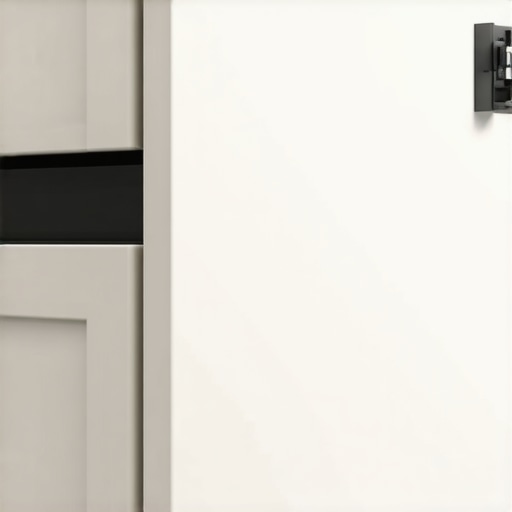
The secret to that ‘magazine-ready’ flush finish isn’t actually having the door touch the frame. It is all about the ‘reveal.’ You need a consistent 1/8th-inch gap. This is where you really need to know how to adjust European hinges for a perfectly level door reveal. If that gap is uneven, the handle-less look goes from ‘modern’ to ‘crooked’ instantly. I always use a plastic shim during installation to ensure the piston has enough travel room to click. Without that tiny bit of breathing room, the latch can’t engage, and you’re left with a door that just hangs there, mocking your hard work.
Ditch the Standard Hinges for Self-Opening Models
If you want the door to actually swing open rather than just pop out an inch, you need ‘un-sprung’ or ‘reverse-spring’ hinges. Normal hinges want to stay closed. Reverse hinges want to fly open. When you combine a reverse-spring hinge with a push-latch, the door does the work for you. This is a game-changer when you are creating seamless kitchen remasters with built-in storage solutions. Just be careful: if you use too many reverse hinges on a small door, it might kick back like a mule.
Leveling the Playing Field with Precision
Finally, check your box alignment. If your cabinet box is even slightly out of square, your magnetic catch will never hit the strike plate squarely. I’ve seen beautiful custom cabinets as a game-changer in your kitchen remodel journey ruined because the installer didn’t realize the floor was sloped. Take the time to master the 5-minute hinge adjustment for fixing wonky cabinet reveals. A level door is the difference between a high-end architectural feature and a DIY project that looks like it’s melting.Everyone tells you that soft-close slides are the gold standard, but I am going to challenge that common wisdom. In my experience, mechanical soft-close hinges can actually be the weak point in a handle-less kitchen. Because they rely on internal tension that often fights against the push-to-open piston, you end up with a door that feels heavy and unresponsive. If you want a truly effortless ‘pop,’ you actually want less resistance, not more. This is where most people get tripped up when implementing custom cabinets ideas that transform your homes style. They buy the most expensive components only to find the parts are working against each other. The real trap, though, is wood movement. If you live in a climate with swinging seasons, your wood is breathing. According to the Forest Products Laboratory, wood can expand significantly with even minor humidity shifts. Even if you have selected the best wood species for painted cabinets that will not crack at the joints, you still have to account for the door panel growing. A door that clicked perfectly in July might refuse to engage in January because that 1/8-inch gap has vanished.
Can environmental humidity actually disable your touch-to-open doors?
Yes, absolutely. This is why I always tell my clients to over-gap the door by a hair during the initial install. It feels counter-intuitive to leave a slightly larger space, but it is the only way to ensure 365-day functionality. Another advanced mistake involves the finish itself. If you are learning why using standard interior paint on your kitchen cabinets is a five-year mistake, you will quickly find that soft latex paint eventually bonds to the rubber stopper of the magnetic catch. You go to push the door, and instead of popping out, it stays stuck. You need a hard, catalyzed finish to keep that contact point slick and functional. I once saw a gorgeous kitchen where the owner could not even open the pantry because they did not know how to pick the right wood grain direction for tall pantry doors. The doors warped just enough to put constant pressure on the latches, burning out the internal springs in months. Have you ever fallen into this trap? Let me know in the comments. We can troubleshoot your tension issues together. 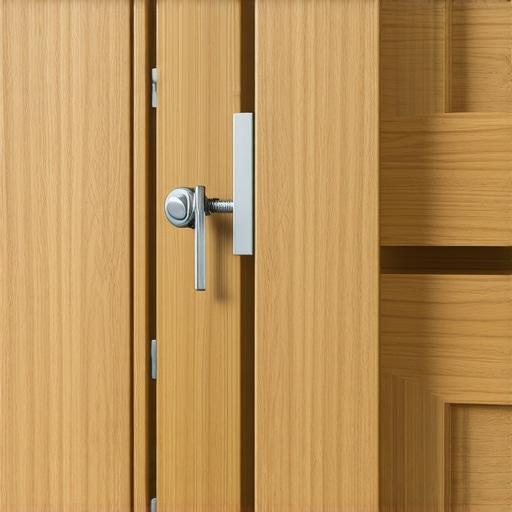
I used to think my eyes were my most valuable tool, but twenty years in this industry taught me that my eyes lie. When you are executing modern kitchen remodels featuring custom cabinets, your eyes will tell you a door is level when it is actually off by 1/32nd of an inch. That tiny fraction is exactly why those magnetic latches we discussed earlier start to fail. To get these results to last, I stopped relying on a standard tape measure and switched to a digital caliper. This isn’t just for metalworking; I use it to verify that my reveals are consistent across the entire wall. If you want that high-end, seamless look, you need to be obsessed with precision. According to the Architectural Woodwork Institute (AWI) standards for Premium Grade cabinetry, tolerances for gaps and reveals must be within 1/16th of an inch. If you are aiming for architectural perfection, hitting that number is non-negotiable.
Stop Trusting Your Eyes and Buy a Digital Caliper
The reason I recommend a digital caliper over a ruler is simple: it removes the guesswork from innovative storage solutions for modern kitchen remodels. When I am setting up a bank of built-ins and storage hacks for a sleek functional kitchen, I use the caliper to check the depth of the piston stroke. If the piston is compressed too far, it loses its spring tension over time. If it is too shallow, the door won’t sit flush. I personally use the Mitutoyo AOS Absolute Digimatic because its accuracy doesn’t drift. It allows me to set the exact ‘throw’ for every single door in a kitchen, ensuring that the resistance is identical whether you are opening the pantry or the spice drawer. #IMAGE_PLACE_HOLDER_D#
How do I keep my hidden hardware snappy for years?
Maintenance is the part of custom cabinets ideas that transform your homes style that nobody talks about. Every six months, I recommend a tiny drop of dry PTFE lubricant on the piston head. Never use WD-40; it attracts dust and will eventually turn your high-end hardware into a sticky mess. You should also check your hinges seasonally. If you notice a door is dragging, it is time for the 5-minute hinge adjustment for fixing wonky cabinet reveals. Wood is a living material, and a quick turn of the adjustment screw in the spring and fall will prevent the door from ever binding against the frame. If the movement feels sluggish, a quick lubrication fix usually solves the issue before it damages the internal springs.
The Next Wave of Invisible Kitchen Tech
Looking ahead, I see the ‘invisible’ trend scaling into fully automated systems. We are already seeing prototypes for voice-activated electromagnetic latches that eliminate the need for physical pushing altogether. Imagine walking up to your island with a heavy pot and simply saying ‘pantry open’ to have the doors glide apart. For now, the mechanical push-piston remains the king of reliability, but as smart home integration deepens, these custom cabinets as a game-changer in your kitchen remodel journey will become even more intuitive. The key is setting the foundation now with high-quality boxes and precise alignment so your kitchen is ready for whatever hardware comes next. I challenge you to go into your kitchen right now with a ruler—or better yet, a caliper—and check your reveals. If they aren’t consistent, grab a screwdriver and start adjusting. You’ll be amazed at how much ‘more expensive’ your kitchen looks just by aligning the gaps.
What Twenty Years of Cabinetry Taught Me About the Silent Kitchen
Building a kitchen without handles isn’t just about slapping on a few magnets; it’s about understanding the soul of the cabinetry. One of the hardest lessons I learned is that silence is actually a design choice. If your doors are clicking or grinding, you haven’t finished the job. Over time, I’ve realized that modern kitchen remodels featuring custom cabinets succeed or fail based on the components you can’t see. High-quality pistons are worth every penny because they turn a mundane task into a tactile experience. I also learned that patience is your best tool—rushing the final adjustment on a Friday afternoon always leads to a callback on Monday morning. Lastly, remember that your kitchen should serve you, not the other way around. If a handle-less design feels too ‘precious’ for your lifestyle, it’s okay to pivot to hardware that does not snag your pockets while maintaining that sleek profile.
My Essential Toolkit for Perfect Hardware Alignment
I never step onto a job site without a few specific items that ensure my built-ins and storage hacks for a sleek functional kitchen perform flawlessly. First, a high-quality digital caliper is non-negotiable for measuring those 1/8-inch reveals. Second, I always keep a bottle of dry PTFE lubricant in my bag; it’s the secret to keeping those mechanical parts snappy without attracting sawdust. For those of you wanting to dive deeper into the technical specs, I highly recommend the Architectural Woodwork Standards manual. It is the gold standard for understanding tolerances and grain matching. If you are looking for more innovative storage solutions for modern kitchen remodels, checking out professional resources can save you dozens of hours in the planning phase.
Bring Your Vision of Architectural Quiet to Life
You don’t need a massive budget to start implementing these custom cabinets ideas that transform your homes style. Start with one cabinet, master the alignment, and watch how it changes the entire feel of the room. There is a profound sense of peace that comes from a kitchen that doesn’t ‘yell’ at you with cluttered hardware and mismatched gaps. You are creating a space that is as much a sanctuary as it is a workspace. Whether you are adding a few built-ins and storage hacks or doing a total overhaul, keep your focus on the precision of the details. Have you ever felt like your cabinet hardware was working against you rather than for you? Let me know your biggest hardware frustrations in the comments below!