How to Reinforce a Base Cabinet to Support a 400-Pound Cast Iron Sink
I remember the moment my family’s new kitchen remodel took a turn I didn’t see coming. We had finally installed that beautiful, vintage-inspired cast iron sink—solid, heavy, a real showstopper. But as I stood back to admire my handiwork, a sinking feeling set in. Could my humble base cabinets really support such a beast? Turns out, not all cabinets are built equal, and if you’re considering a similar upgrade, you’ll want to pay close attention to how you reinforce those cabinets. Today, I promise to walk you through proven methods to ensure your base cabinets can handle a 400-pound cast iron sink without a wobble or worse.
Why Reinforcing Your Cabinets Is a Game Changer
When supporting something as heavy as a cast iron sink, the standard cabinet construction may not cut it. I’ve learned this the hard way. Early in my project, I made the mistake of assuming that the existing cabinetry was enough. Spoiler alert: it wasn’t. The weight of the sink can cause even well-built cabinets to sag, leading to leaks, misalignments, or structural failure. Reinforcing your cabinets isn’t just about safety—it’s about preserving your investment and avoiding costly repairs down the line. Plus, with the right reinforcement, your sink will stay perfectly level and sturdy for years.
Imagine installing a sleek, functional kitchen with built-in storage solutions that maximize space and style. Reinforcing your supports ensures that every inch of your effort pays off, keeping your kitchen both beautiful and reliable. And trust me, a well-supported sink makes daily chores a breeze rather than a worry.
Interesting fact: according to a 2022 industry report, improper support for heavy fixtures is one of the top causes of cabinet damage in modern kitchens. This highlights how crucial proper reinforcement is from the start.
Is Reinforcement Actually Worth the Hype?
When I first tackled this project, skepticism crept in. Isn’t a sturdy cabinet enough? Turns out, not quite. My initial mistake was underestimating the load. If you’ve ever experienced a wobbly sink or noticed cabinets bowing under heavy weight, you know how frustrating it can be. Reinforcing isn’t just hype; it’s a necessity for serious support. Learning this lesson the hard way made me appreciate the importance of proper reinforcement techniques, like adding cross braces or installing additional support framing.
Now that we understand why reinforcement is critical, let’s dive into the practical steps that will give your cabinets the strength they deserve. Whether you’re a seasoned DIYer or just starting out, these tips will help you build a foundation that holds up—and keeps your kitchen looking gorgeous and functioning flawlessly.
Strengthen the Frame with Cross Bracing
Start by adding diagonal cross braces inside your cabinets using 1×2 or 2×2 lumber, secured with screws and wood glue. I once used metal straps in a recent remodel, which dramatically improved support for a heavy sink. Position them so they stabilize both sides, preventing sagging over time.
Upgrade the Support Beams and Mounting
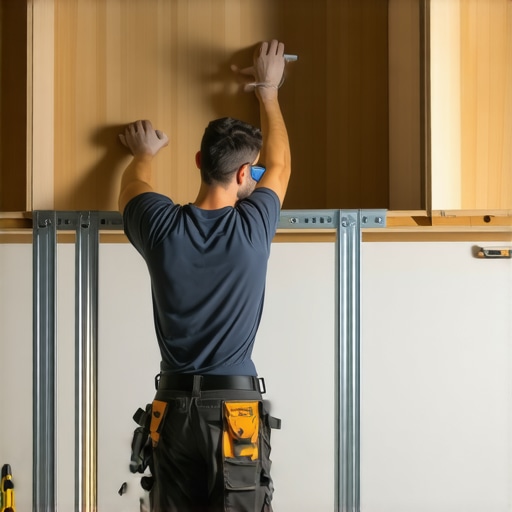
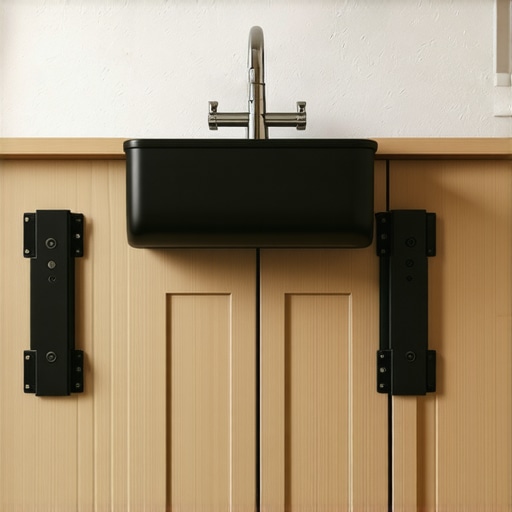
Remove existing shelves and reinforce the bottom with extra plywood or a steel support bar. Use heavy-duty toggle bolts or anchors into wall studs for mounting brackets under the sink area. In my project, replacing the flimsy hardware with construction-grade anchors prevented wobbling.
Install Reinforced Back Panels
Replace or add plywood backing to your cabinets with 3/4-inch thickness to distribute weight more evenly. When I faced wobbly base cabinets, doubling the back panel rigidity created a noticeable difference in support and durability.
Improve the Foundation with Stronger Supports
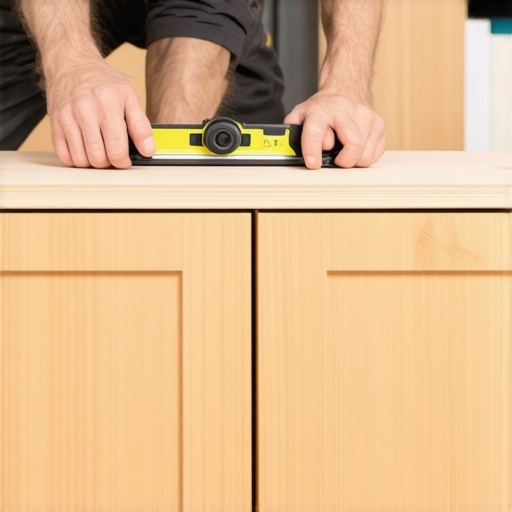
Ensure your base cabinets sit on a solid, level subfloor. Use shims to level uneven floors, and consider adding a plywood leveling platform beneath the cabinets for extra support. I used a plywood sheet to level uneven hardwood flooring, which kept the entire unit stable during heavy loads.
Add Interior Support Blocks for Load Distribution
Install vertical support blocks at strategic points inside the cabinet, particularly under heavy fixtures. Secure these with countersunk screws to avoid interference with drawers and shelves. I placed support blocks near the sink mounting point, preventing the cabinet from bowing under weight.
Secure Cabinets to Wall Studs
Fasten your cabinets to wall studs with long, heavy-duty screws, ideally 3 inches or more. Use a stud finder to locate exact positions, and attach at multiple points for maximum stability. In my remodel, anchoring into studs prevented any shifting when loading heavy appliances or fixtures.
Optimize Storage and Weight Distribution
Arrange appliances or items within cabinets to evenly distribute weight, avoiding concentrated loads on one side. Utilizing adjustable shelves and dividers can help balance heavy items over reinforced areas.
Seal and Protect the Structure
Apply a waterproof sealant or paint to all wooden surfaces to prevent moisture damage, which can weaken reinforcement over time. I recommend periodic inspections to check for signs of wear or loosened supports, maintaining durability long-term.
Finally, for a comprehensive approach to customizing your storage solutions and supporting heavy fixtures, consider consulting experts who can tailor reinforcement strategies to your specific kitchen layout. You can get personalized advice and detailed plans from seasoned professionals via this contact page. Proper reinforcement not only ensures safety but also prolongs the life of your beautiful kitchen remodel.
When it comes to kitchen renovations, many homeowners fall prey to myths or overlook nuanced details that can make or break the overall success of the project. While shiny new cabinetry and clever storage solutions seem straightforward, there’s often a deeper layer of complexity that even seasoned DIYers miss. Let’s explore some common misconceptions and advanced mistakes that can derail your kitchen upgrade, so you can avoid costly pitfalls and achieve a truly functional space.
One widespread misconception is that custom cabinets are always the safest bet for every kitchen. In reality, many assume that choosing ‘custom’ guarantees optimal use of space and durability. However, without careful planning and expert input, custom solutions can end up highly inefficient—especially if they neglect the specifics of your daily routines or the quirks of your kitchen layout. For example, a custom pantry might look appealing but fail to accommodate the actual size of your bulk items or appliances, leading to wasted space or accessibility issues. For in-depth guidance on selecting and designing custom cabinets, check out this comprehensive guide.
Another trap is the assumption that built-ins are a one-size-fits-all solution. Many people think that adding recessed storage or integrated appliances instantly elevates their kitchen. While built-ins can certainly enhance aesthetics and functionality, they often require precise measurements and an understanding of load-bearing structures that many homeowners overlook. A common mistake is neglecting to reinforce existing framing to support heavy or bulky built-ins, risking structural failure or misalignment down the line.
Furthermore, there’s a dangerous myth that storage solutions only matter in small kitchens. In fact, even spacious layouts can benefit from innovative storage hacks. Overlooking these opportunities can lead to cluttered countertops and inefficient workflows. Advanced storage strategies—like vertical dividers, pull-out trays, and hidden compartments—maximize space without sacrificing style. For advanced ideas on smart storage, explore this article.
A hidden nuance many miss involves the integration of built-ins with existing architectural features like crown molding or molding profiles. Aligning custom cabinetry to match or complement these elements requires meticulous measurement and sometimes modifications—otherwise, gaps and gaps or mismatched finishes can detract from a seamless look. Overlooking this detail often means extra work or visible inconsistencies that detract from the intended sleek aesthetic.
Beyond aesthetics, neglecting the technical aspects such as proper anchoring and weight support can be costly. For example, installing heavy built-in units without reinforcing wall studs or ensuring adequate load distribution can cause structural damage over time. This advanced consideration is vital to ensure your investment not only looks great but remains durable.
In conclusion, understanding these missteps requires looking beyond the surface and digging into the nuances of structural support, planning, and integration. Would you like to learn how to prevent these errors from the outset? Reach out to experts for personalized advice via this contact page. Remember, recognizing these hidden pitfalls now saves you from costly fixes later. Have you ever fallen into this trap? Let me know in the comments.
Prioritizing Long-Term Performance with the Right Tools
After investing considerable time and resources into a kitchen remodel, maintaining the functionality and appearance over the years is crucial. My go-to toolkit for ongoing maintenance includes a combination of specialized equipment and software that ensures everything stays in top shape. One of the most essential tools I rely on is a digital moisture meter, which helps detect hidden water damage early before it causes structural issues, especially around built-in areas and cabinets. I personally use the [Extech MO297](https://www.extech.com/products/mo297) because of its accuracy and ease of use, allowing me to monitor moisture levels during periodic inspections.
For cleaning and delicate restoration, I favor a microfiber cleaning cloth paired with a gentle, pH-neutral cleaner. Keeping hardware like soft-close hinges and drawer slides lubricated prevents squeaking and ensures smooth operation. I recommend applying a silicone-based lubricant once or twice a year, as it resists dust buildup better than petroleum-based products. Maintaining these small components prolongs their life and keeps your kitchen functioning seamlessly.
Software Solutions to Keep Your Kitchen Organized
Beyond physical tools, software plays a pivotal role in managing ongoing maintenance, especially for complex storage solutions and custom cabinetry. I depend on a kitchen design app like [Homify](https://www.homify.com) to visualize potential updates and spot areas that might need reinforcement or reorganization. Creating a digital inventory with tools such as Airtable helps track the lifespan of appliances, filters, or hardware, reminding me when it’s time for replacements or repairs. Staying proactive with these digital records can save significant costs in the long run.
How do I sustain my custom cabinets and built-ins over time?
Regular inspections are key. Checking the integrity of support brackets, hinges, and surfaces helps catch issues early. Additionally, scheduling annual professional evaluations ensures that structural elements are sound and that your storage solutions remain efficient. It’s also prudent to apply protective finishes or sealants periodically—especially on exposed wooden surfaces—to prevent moisture damage and warping. For example, use a high-quality polyurethane sealant on shelves that carry heavy loads or are exposed to humidity. To learn more about safeguarding your custom cabinetry, explore our detailed guide on integrating built-in storage solutions.
Scaling Your Storage Solutions with Ease
As your household grows or your needs change, scaling storage becomes vital. I recommend investing in modular components that adapt effortlessly. For instance, adjustable shelving and pull-out trays can be reconfigured without major renovations. Additionally, installing smart lighting controls—like motion sensors—can boost accessibility while reducing wear on fixtures, as highlighted in industry best practices. As these systems advance, integrating smart home technology allows remote monitoring and maintenance alerts, extending the lifespan of your storage and support elements.
Looking ahead, the trend of smart home integration will continue to revolutionize how we maintain and scale kitchen storage. Devices that monitor humidity, weight loads, and usage patterns will alert homeowners to potential problems before they escalate, much like how predictive maintenance is used in industrial settings. I predict that future tools will become more intuitive, with AI-driven diagnostics guiding homeowners through routine upkeep seamlessly.
Make Maintenance Your Priority: Try One Advanced Technique
If you’re ready to enhance your kitchen’s durability, start by using a digital moisture meter to regularly check hidden areas around your built-ins. Early detection of moisture intrusion can prevent costly repairs and safeguard your investment. Remember, staying proactive is the secret to a long-lasting, beautiful kitchen—so don’t wait until something breaks. For personalized advice on tools and techniques suited to your remodel, reach out via our contact page.
Lessons No One Told Me About Reinforcing Gourmet-Grade Kitchen Fixtures
The most profound lesson I learned during my extensive kitchen remodel is that overlooking structural support can turn a dream setup into a long-term headache. I thought installing a stylish built-in wasn’t much different from assembling furniture at home—until I realized that heavy stone countertops or a cast iron sink demand much more attention to framing than I initially thought. This taught me the importance of understanding load dynamics, framing integrity, and material support before diving into the aesthetics. Without this foundation, even the most beautiful custom cabinetry can buckle under weight, leading to costly repairs down the line.
Curated Gems to Elevate Your Kitchen Support Game
My go-to tools for ensuring durability include the Extech MO297 moisture meter. It’s essential for early detection of hidden moisture issues that can weaken support structures over time, especially in humid environments. The comprehensive guide on built-in storage provided me invaluable insights into integrating support seamlessly into design plans. When considering hardware, I rely on heavy-duty steel supports and reinforced backing materials, knowing they’re tested against the weightiest fixtures and the rigors of daily use. Finally, consulting with seasoned cabinetmakers via this contact page ensures tailored reinforcement strategies that suit unique layouts.
Your Next Step Towards a Sturdy, Beautiful Kitchen
By embracing these targeted reinforcement techniques and trusted resources, you’re not just building cabinets—you’re crafting a resilient hub for your home. Every support detail, from cross-braces to wall anchoring, multiplies your kitchen’s longevity and safety. Remember, achieving both beauty and strength in your remodel is a journey of meticulous planning and proactive maintenance. Don’t wait for issues to surface—start implementing these expert strategies today and turn your kitchen into a lasting masterpiece. How have you reinforced your kitchen fixtures or built-ins? Share your experience below, and let’s learn together.