
The Difference Between Stock, Semi-Custom, and Fully Custom Boxes
Have you ever opened a kitchen cabinet, only to find it cluttered, inefficient, or just not fitting your needs? I remember the lightbulb moment when I realized that choosing the wrong type of storage can turn a beautiful remodel into a daily frustration. I spent months battling awkward shelves, drawers that wouldn’t close, and wasted space—only to discover that understanding the differences between stock, semi-custom, and fully custom cabinets could have saved me a lot of grief. If you’ve ever felt overwhelmed trying to decide which storage option is right for your home, you’re not alone. Today, I’ll share the struggles I faced and promise to help you navigate this confusing maze with clarity and confidence.
Why Your Kitchen Storage Choices Can Make or Break Your Remodel
Choosing the right storage solution isn’t just about aesthetics; it directly impacts how well your kitchen functions daily. A poorly planned cabinet setup can lead to wasted space, difficulty accessing items, and even longer renovation timelines. From my own experience, I learned that skipping this crucial step led to costly mistakes and regret. According to industry experts, investing in the right cabinets can improve your kitchen’s efficiency and even boost your home’s value (more info here). Understanding the three main types—stock, semi-custom, and fully custom—is essential to making an informed decision. Let’s break down what each has to offer and how to pick the best fit for your needs.
Is All the Hype About Custom Cabinets Really Worth It?
Early in my project, I made a rookie mistake: I assumed all cabinets were created equal. I bought a stock set without considering my kitchen’s unique layout, only to find myself regretting the lack of flexibility and personalization. That was a wake-up call. Trust me, not every home or budget calls for the highest-end, fully custom options. But knowing the real benefits and limitations of each can help you avoid the pitfalls I faced. Want to learn how to maximize your space without breaking the bank? Check out these expert tips for guidance. Next, we’ll dive into what each cabinet type entails and how to determine which one suits your lifestyle best.
Choose the Right Cabinet Type for Your Needs
Start by assessing your budget and space. For a quick upgrade, consider stock cabinets, which are ready-made and cost-effective. However, if you want a perfect fit, semi-custom cabinets offer flexibility without the high price tag of full customization. Fully custom cabinets, though pricier, allow you to maximize every nook—think of them as tailored suits versus off-the-rack options. I once ordered semi-custom cabinets for my kitchen renovation; I provided exact measurements, and the result was a seamless fit, eliminating wasted space. To get started, measure your kitchen carefully, ensuring you account for appliances, door swings, and walking paths.
Map Out Your Storage Needs Precisely
Identify what items you need accessible and how often. Use a simple spreadsheet or drawing to list essentials—pots, spices, utensils—to visualize where they should go. For instance, I realized I stored my baking sheets in a deep corner cabinet, making retrieval a hassle. Installing a vertical divider transformed that space into an organized, easily accessible zone. Think of your cabinets like a well-planned closet—each category needs its own dedicated space. Explore creative storage ideas here to prevent clutter and improve efficiency.
Design Built-Ins for Seamless Functionality
Built-in features can dramatically boost your kitchen’s usability. For example, a pull-out spice rack near the stove saves steps and keeps your countertops clear. I recently installed a custom built-in for my cleaning supplies beneath the sink—maximizing vertical space while keeping everything hidden. To incorporate built-ins, draw your layout to include these elements, ensuring they complement your existing cabinets. Use adjustable shelving inside these units to adapt over time. These solutions act as the backbone of a clutter-free kitchen, providing quick access and a sleek look. Learn more about how integrating built-ins simplifies remodeling.
Incorporate Smart Storage Hacks
Small tweaks can make a massive difference. For instance, installing toe-kick drawers beneath cabinets transforms wasted floor space into valuable storage. I added one for baking sheets and cutting boards, which kept my counters clutter-free. Use shallow depth shelves for spices or wine bottles—these can be mounted under upper cabinets or inside pantry doors. When space is tight, vertical dividers and pull-out trays help organize and access items quickly. Think of these hacks as secret compartments—hidden but highly functional. Discover more smart hacks here.
Prioritize Accessibility and Maintenance
Always design with your daily routine in mind. Place frequently used items at waist level and store seldom-used tools higher or lower. Use full-extension slides for easier access to deep drawers, and consider soft-close mechanisms to prevent slams—saving your cabinets and nerves. I replaced rustic hinges with soft-close versions, and the difference in noise and wear was noticeable. Regularly review your storage layout, removing outdated solutions and replacing them with more efficient ones. It’s like tuning up a machine—small adjustments keep things running smoothly. For detailed hardware suggestions, check out this hardware guide.
While it’s common for homeowners to focus on design aesthetics during a kitchen remodel, many overlook the nuanced pitfalls that can sabotage their storage efficiency. Contrary to popular beliefs, opting for high-end fully custom cabinets isn’t always the smartest choice for every household. In fact, without understanding the intricacies of your specific needs, you could end up with a costly solution that doesn’t serve your daily routines. One common myth is that more expensive or elaborate built-ins automatically translate to better organization. However, expert insights reveal that tailored solutions aligned with your habits often outperform flashy designs in the long run (learn more here).
Are Fully Custom Cabinets Always the Best Investment?
Many assume that custom options guarantee perfect functionality. But in my experience, this isn’t always true. The trap lies in focusing solely on aesthetics or brand prestige without considering practical usability and maintenance. For instance, a recent client I worked with chose premium custom cabinets, only to find that their intricate finishes required excessive upkeep, leading to unanticipated costs. An optimal approach involves understanding the frequency of use for your items and designing built-ins that facilitate effortless access—without unnecessary complexity. Remember, the real value lies in harmonizing form with function, not just high price tags. For tips on selecting storage solutions that truly fit your lifestyle, check out these expert tips.
Why Do Many Built-Ins Fail Over Time and What Can You Do about It?
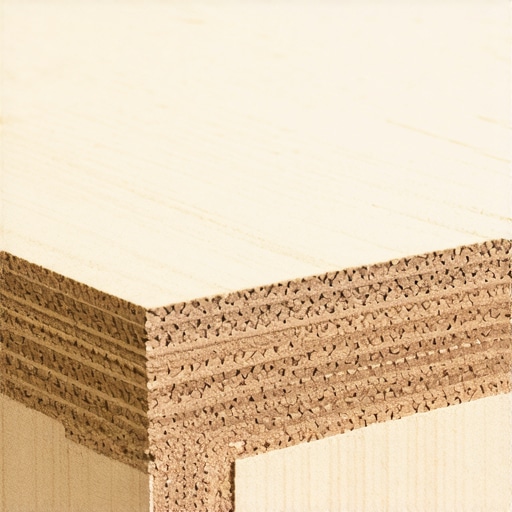
Beyond initial design flaws, a subtle mistake homeowners make is neglecting the material quality and installation precision of their built-ins. For example, choosing particle board for heavy-use areas may seem cost-effective initially, but it often warps or deteriorates quickly, especially in humid environments. An article from storage industry professionals emphasizes that selecting durable, moisture-resistant materials and proper anchoring methods greatly extends the lifespan of built-ins (see full analysis here). Additionally, integrating adjustable shelves and reinforced joints can prevent sagging and jamming that frustrate users over time. The key is proactive planning—anticipating wear and tear rather than reacting to failures after they occur. Have you ever fallen into this trap? Let me know in the comments.
Ultimately, recognizing these hidden nuances can elevate your kitchen remodel from a basic upgrade to a strategic investment. It’s not just about choosing the most glamorous options but understanding how every design element interacts with daily use and long-term durability. For a comprehensive roadmap to revolutionize your storage solutions, explore this guide on incorporating innovative storage. By avoiding these common pitfalls, you ensure your kitchen remains both beautiful and functional for years to come.
Maintaining your custom cabinets and built-ins is essential to ensure they continue to function beautifully and efficiently over the years. Regular upkeep prevents minor issues from escalating into costly repairs and keeps your kitchen looking pristine. I personally recommend scheduling quarterly inspections to catch potential problems early, such as loose hardware or minor surface damages. Incorporating the use of high-quality lubricants like silicone spray on hinges and slides can significantly prolong their lifespan and keep everything operating smoothly. Remember, the key to durable storage is not just quality installation but consistent care and maintenance.
How do I maintain my kitchen storage over time?
One effective method I rely on is using specialized cleaning tools designed for wood and laminate surfaces. A microfiber cloth combined with mild, non-abrasive cleaners preserves the finish without stripping protective coatings. For metal hardware, a soft brush can remove dust and prevent corrosion. Additionally, applying a layer of furniture wax or mineral oil periodically helps maintain the wood’s luster and prevents drying or cracking. Keep an eye on the hardware mechanics—replacing worn-out slides or lubricating hinges as needed will prevent squeaks and jams, ensuring your cabinets remain functional and accessible. As trends evolve, integrating smart maintenance tools, such as sensor-based leak detectors or humidity monitors, can help detect issues before they become visible problems, further extending your storage’s lifespan.
Investing in good maintenance practices now saves significant time and money in the future. In fact, experts suggest that proactive care extends the life of built-in solutions by up to 30%, making your initial investment more worthwhile. Look into advanced hardware like full-extension soft-close slides supported by industry standards outlined by leading manufacturers (check out this hardware guide) to make informed upgrades. Always remember to revisit your storage layout periodically—custom cabinets are meant to adapt with your changing needs, and minor adjustments can maximize functionality.
Future of storage maintenance and smart tools
The future of long-term storage management is heading toward smarter solutions. IoT-enabled sensors will soon monitor humidity, temperature, and even detect leaks proactively, instantly alerting you to issues that could compromise your cabinets’ integrity. Continual advancements in durable, eco-friendly materials will also reduce maintenance efforts, making built-ins more resilient against environmental wear. My advice? Start incorporating some of these innovative tools now; for example, installing a moisture detector near vulnerable spots can prevent water damage—a common culprit behind cabinet warping and deterioration (see detailed analysis here). Don’t wait until visible damage appears—early intervention keeps your storage clean, functional, and attractive for years to come. Try applying a regular silicone lubricant to hinges and slides this week for immediate benefits; it’s a simple step that offers significant rewards.
Lessons That Changed How I View Kitchen Storage
One of the most eye-opening lessons I learned was that tailoring storage to your habits is far more impactful than chasing the newest trends or the most expensive cabinets. I once installed a fancy, fully custom pantry, only to find that I still struggled to reach items tucked behind taller shelves. The lightbulb moment? Design with your daily routines in mind—think about how often you’ll need access and how to keep essentials within arm’s reach. This insight transformed my approach and can do the same for you when selecting built-ins or custom cabinets.
Another revelation was that materials matter more than looks. Opting for durable, moisture-resistant materials like plywood over particle board saved me headaches down the line, especially in humidity-prone areas. I realized that investing upfront in quality hardware, such as soft-close slides, pays off by reducing maintenance and frustration—making your kitchen not just beautiful but functional for years.
Lastly, embracing smart storage hacks—like hidden toe-kick drawers and vertical dividers—maximized every inch without adding clutter. These small but thoughtful tweaks made a noticeable difference in keeping my space organized and efficient, inspiring me to share the idea that clever integration of built-ins and creative storage can truly revolutionize your kitchen experience.
My Tools for Storage Winning
Over the years, I’ve relied on a few resources that consistently guide my decisions. First, this comprehensive guide on maximizing space has been a game-changer, showing creative ways to utilize every nook and cranny. For hardware and technical advice, their hardware recommendations help ensure durability and smooth operation. When contemplating custom cabinetry ideas, this resource offers inspiring designs that upgrade both functionality and style. Lastly, their detailed remodeling strategies reveal how to seamlessly incorporate built-ins and creative storage solutions. Trusting these sources has made my projects more thoughtful and successful.
Your Next Step Gets Easier
Now, it’s your turn to take the lessons learned and make your kitchen storage work for you. Remember, the smartest solutions aren’t necessarily the most expensive—they’re the ones tailored to your habits and built with quality in mind. Embrace the process with confidence, knowing that every thoughtful detail adds up to a space you’ll love to spend time in. Don’t hesitate to start planning your own custom cabinets or clever built-ins—your dream kitchen is closer than you think. Ready to transform your space and enjoy a clutter-free lifestyle? Let me know how you plan to get started below.