
The Coffee Station Pivot: Reclaiming Your Morning Counter Space
It was a typical busy morning when I finally lost it—my coffee mug knocked over, breakfast crumbs scattered, and my cluttered countertop feeling more like a battlefield than a place of tranquility. That moment, amidst the chaos, I realized how much my kitchen’s mess was stealing my morning serenity. I knew I needed a change, but I didn’t want another haphazard solution that would just add to the clutter.
Imagine Starting Your Day with Clarity and Calm
Sometimes, it’s the simplest shift that makes the biggest difference. Having a dedicated coffee station right on your counter isn’t just about convenience—it’s about reclaiming your morning routine and setting a positive tone for the day. I promise, with a few strategic tweaks, you can transform that chaotic space into a sleek, functional corner that invites you in rather than pushes you away.
Is Your Coffee Corner Actually Worth the Hype?
I remember rushing to set up my coffee nook, thinking it would be a quick fix. Turns out, I made a common mistake—trying to cram all my supplies into a tiny space without considering workflow, which only ended up causing more mess. Trust me, I’ve learned the hard way that thoughtful design is key. Luckily, I found that investing in custom built-ins can turn your morning chaos into a streamlined ritual. Curious how? Check out [modern kitchen remodels featuring custom cabinets](https://artisancabinetworkz.com/modern-kitchen-remodels-featuring-custom-cabinets-and-built-ins) for inspiration.
Now, I’m here to share the secrets that helped me create a dedicated coffee zone that’s both beautiful and practical. Let’s dive into the why behind a well-designed coffee station and how it can make your mornings smoother and more enjoyable. Ready to make your kitchen work for you, not against you? Let’s get started.
Plan Your Space with Precision
Begin by assessing your current kitchen layout. Take detailed measurements of your available space, noting the locations of appliances, windows, and doorways. Use a tape measure and jot down measurements or create a scaled drawing. I once sketched out my kitchen on graph paper, marking every outlet and appliance—this became my blueprint for the remodel.
Identify Your Storage Needs
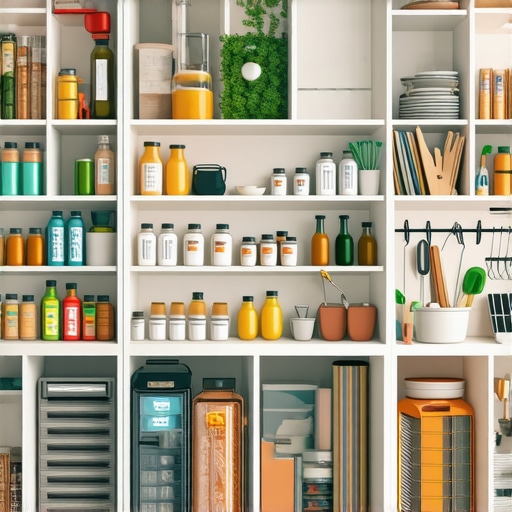
List all items you need to store—pots, pans, baking supplies, small appliances, and utensils. Categorize them by frequency of use. Think about accessibility: frequently used items should be within easy reach, while seasonal or infrequently used tools can go higher or deeper in your cabinets. This step ensures your new storage solutions are tailored to your habits.
Choose the Right Material and Style
Decide on cabinet finishes and materials that complement your overall decor. For durability and a timeless look, many opt for hardwoods like oak or maple. If a sleek, modern appearance is preferred, consider painted MDF or acrylic finishes. I chose a white shaker style with soft-close drawers, which brightened the space and enhanced functionality.
Design Custom Cabinets for Maximum Efficiency
Work with a professional cabinetmaker to create built-ins that fit your measurements precisely. Incorporate features like pull-out spice racks, corner carousels, or hidden compartments. For example, I added a pull-out trash and recycling drawer beneath the sink—saving space and keeping waste out of sight. Learn how built-ins can seamlessly enhance your kitchen.
Use Smart Storage Hacks
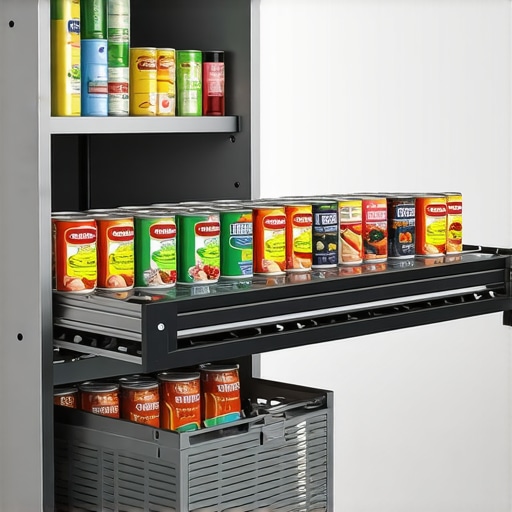
Implement innovative solutions: install vertical dividers for baking sheets, add lazy Susans in corner cabinets, or use vertical pull-out racks for canned goods. I installed a custom wine rack under the counter, which freed up cabinet space for other essentials. Explore smart storage ideas here.
Focus on Functional Layout
The kitchen work triangle—sink, stove, refrigerator—should be optimized to reduce movement. Place prep zones near the cooktop with dedicated storage for utensils and oils. In my remodel, I positioned a built-in cutting board next to the prep area, making meal prep more efficient and enjoyable.
Select Quality Hardware and Finishes
Hardware like cabinet pulls and hinges complete the look and impact durability. Choose options with finishes that resist fingerprints and rust. I opted for matte black pulls, which contrasted nicely with white cabinets and endured heavy daily use. Proper hardware installation ensures ease of opening and closing, adding to the cabinet’s longevity.
Coordinate with Professionals
Partner with experienced artisans to bring your vision to life. They will ensure precise measurements, quality craftsmanship, and proper installation. For tailored advice or to start your project, visit our contact page. Their expertise guarantees the seamless integration of your custom cabinets within your kitchen’s unique structure.
While selecting custom cabinets and storage solutions can dramatically elevate your kitchen’s functionality and style, many homeowners fall prey to common misconceptions that hinder their success. A prevalent myth is that all custom cabinetry is inherently better than stock options; however, without precise planning and understanding of your space’s nuances, custom setups can become problematic. For example, overly ambitious designs without considering the natural flow or existing structural constraints often lead to awkward gaps or inaccessible corners, which defeats the purpose of customization.
One advanced mistake is neglecting the importance of detailed measurements and real-world testing before finalizing cabinet plans. Even experienced designers emphasize that small discrepancies can cascade into substantial functional issues, such as doors not opening fully or drawers catching on hardware. This is why some experts advocate for **projection models and partial mock-ups**—a step many skip due to time or cost concerns. Investing in a comprehensive planning phase, as discussed in our expert guide for 2025, can save you from costly revisions later.
Another nuance often overlooked involves the materials used in custom cabinetry. While the typical focus is on aesthetics and durability, the real issue lies in understanding how materials behave over time under specific environmental conditions. For instance, softwoods may warp or swell in humid climates, causing misalignments that standard hardware can’t resolve. Consulting with specialists or referencing research like the study from the Furniture Material Durability Report helps in selecting the right timber or composite.
Why do these details matter? Because seemingly minor flaws in planning or material choice can turn your envisioned kitchen into a daily frustration. Achieving a flawless design requires not only aesthetic vision but also a deep understanding of space mechanics and material science. Building built-ins that truly enhance your home’s functionality calls for mastery of these subtleties—something that separates seasoned remodelers from novices.
Have you ever fallen into this trap? Let me know in the comments. Remember, the path to a perfect kitchen isn’t just about beautiful cabinets; it’s about the nuances that ensure lasting satisfaction.Maintaining your custom cabinets and built-ins ensures they stay beautiful and functional over the years. A key aspect is choosing the right tools and methods for routine care and occasional repairs. For example, I swear by a high-quality cordless drill with variable speeds; it’s indispensable for tightening loose hardware or installing new pulls because it gives me control without damaging delicate finishes. Additionally, a precision-focused orbital sander helps smooth out minor scratches or surface irregularities before applying touch-up paint, extending the life of your cabinetry. When it comes to cleaning, I recommend a microfiber cloth paired with a gentle, pH-balanced cleaner; this combination prevents streaks and avoids damaging sensitive finishes, which is vital for long-term appearance.
Investing in durable hardware tools such as a flush-cut saw or a multi-bit screwdriver set speeds up repairs and upgrades, making your maintenance more efficient. I also rely on a level and a tape measure for ensuring that any adjustments, like aligning shelves or re-hanging doors, are precise. Using these tools regularly prevents small issues from becoming costly fixes down the line.
As for software, I highly recommend using 3D design programs like SketchUp or Cabinet Vision to plan future upgrades or expansions. These tools allow you to visualize changes before committing, saving time and resources. For example, I used a 3D model to assess how adding a built-in wine rack would impact space economy and traffic flow, preventing any inconvenient surprises.
Prediction-wise, the trend is moving towards smart maintenance solutions. Incorporating RFID tags or QR codes on hardware components enables quick tracking and replacement, simplifying ongoing upkeep.
How do I maintain my custom storage systems over time?
Regular inspections are your best friend. Keep an eye on hinges, glides, and hardware—tighten or replace parts as needed. Cleaning with proper tools preserves surfaces and prevents buildup that can impair function. Applying a light coat of furniture wax every year can protect wood finishes from moisture damage and wear, especially in humid environments. For soft-close systems, periodic lubrication with manufacturer-approved lubricants ensures smooth operation for years.
Finally, when considering long-term results, remember that proactive upkeep saves money and stress. I suggest setting a quarterly maintenance schedule to perform basic checks and touch-ups. As the market leans toward integrated, smart features, embracing technology now will future-proof your cabinetry investments. A dedicated toolkit equipped with these essentials makes all the difference in keeping your custom solutions working flawlessly for years to come. Want a quick win? Start by tightening all your cabinet hardware this weekend using your multi-bit screwdriver—it’s simple, effective, and prevents small issues from escalating. For more detailed guidance on the tools that streamline your remodel journey, visit our related resource.
What I Wish I Knew When Starting My Kitchen Remodel
One of the biggest lightbulb moments was realizing that perfect planning upfront prevents costly mistakes later. I underestimated how crucial precise measurements and mock-ups are, leading to some awkward gaps. Reading detailed guides like this expert guide could save you from similar frustrations.
Why Over-Designing Can Backfire
I initially thought more custom features meant better storage, but over-complicating plans sometimes made access a nightmare. Simplicity, balanced with smart design, truly enhances functionality. Minimalist hardware and clever pull-outs helped me keep my cabinetry sleek while maximizing usability. Remember, less is often more, especially when it comes to everyday efficiency.
Hidden Gems That Changed My Kitchen
Small details like installing vertical dividers or a hidden charging drawer made a significant difference. These features aren’t always obvious but can transform your routine—check out this resource for innovative ideas that elevate your living spaces.
My Go-To Tools for Ongoing Maintenance
Keeping my custom cabinets in top shape is easier with a few key tools: a cordless drill, microfiber cloths, and a good lubricator for hinges. Using quality hardware like recommended hardware ensures longevity. Regular inspections and timely touch-ups extend their beauty and function, making maintenance less of a chore.
The Unexpected Benefit of Thoughtful Storage
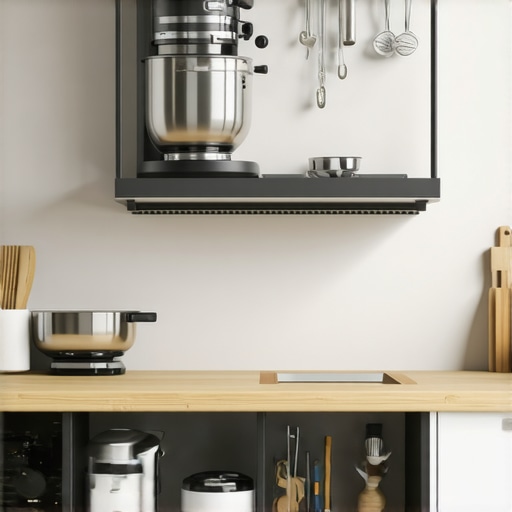
Designing a dedicated coffee nook or a corner pantry not only decluttered my counters but also created a cozy, personalized space that invites me to enjoy my mornings. Thoughtful storage solutions bring joy and order—traits that enhance daily living and reflect your personality. Want to see more inspiring ideas? explore this article for tailored inspiration.