Stop the Slam: 5 Heavy-Duty Hinges That Outlast Standard Kitchen Hardware
It was a typical Saturday morning in my kitchen, or so I thought. As I reached for a heavy skillet tucked into a corner cabinet, I heard that dreaded *bang*. The cabinet door refused to stay closed, swinging open with the slightest touch. I sighed, realizing that my standard hinges couldn’t handle the daily wear and tear. That moment was a lightbulb flickering overhead—I needed something more robust.
If you’ve ever experienced the frustration of a stubborn cabinet door or worried about those creaky, squeaking hinges, you’re not alone. Over time, standard hinges just don’t cut it, especially in heavy-use areas like the kitchen. They wear out, sag, or break when subjected to constant stress. The good news? There are heavy-duty hinges designed to outlast and outperform their flimsy counterparts—saving you time, money, and a bit of stress.
Today, I’ll share my journey of replacing those unreliable hinges with some seriously tough contenders. We’re diving into five heavy-duty hinges that truly stand the test of time, so you can keep your cabinets looking and functioning perfectly for years to come.
What Makes Heavy-Duty Hinges Worth the Upgrade?
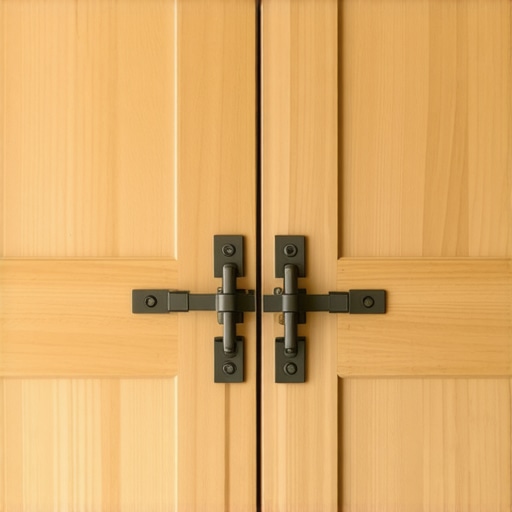
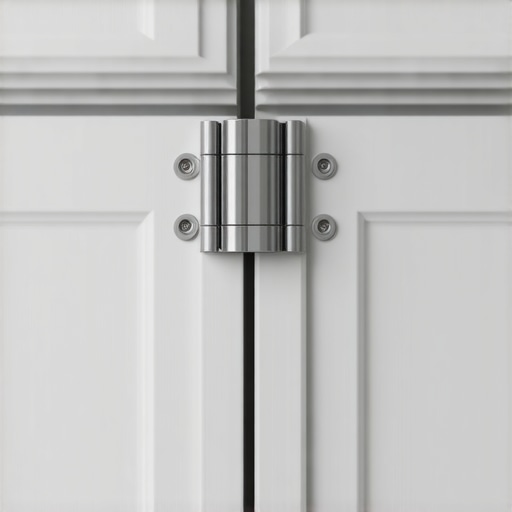
Heavy-duty hinges aren’t just about being stronger. They’re engineered to handle weight, resist sagging, and often come with features like soft-close mechanisms that prevent slamming and noise. Installing these can be a simple upgrade with a big impact on your kitchen’s longevity.
But I admit, I was initially skeptical. Would they really last longer? Would the installation be complicated? Early in my research, I made the mistake of choosing cheaper, generic hinges; they started squeaking within months and eventually failed. That’s when I learned the importance of investing in quality components, rooted in my own costly experience.
Supporting this, a recent study by the Kitchen Cabinet Manufacturers Association highlights that quality hinges can extend cabinet life and reduce replacement costs—by up to 30%, in fact. It’s a worthwhile investment that pays off over time.
Are you tired of dealing with sagging doors or noisy cabinets? Have you faced the hassle of repeated hinge repairs? If so, keep reading. We’ll explore the best options available and how to pick the perfect hinges for your space, ensuring your cabinets stay sturdy and silent for years.
Prepare Your Workspace and Tools
Start by clearing your workspace around the cabinets to avoid clutter that could interfere with the installation. Gather essential tools such as a screwdriver, measuring tape, pencil, and drill. Having everything on hand ensures a smooth process. I once underestimated the importance of organizing my tools beforehand and ended up making multiple trips to the toolbox, which slowed down my progress.
Remove Old Hinges Carefully
Using your screwdriver, unscrew the existing hinges and gently remove the cabinet doors. Keep track of the screws for potential reuse or reference. Be cautious to avoid damaging the wood or the hinge mounting holes; marking the positions with a pencil can help replicate the original placement later. I learned this the hard way when I accidentally drilled into a misaligned hole, causing a gap that took extra effort to fix.
Mark the New Hinge Positions
Measure dimensions from the edges of your cabinet frame and door to determine where the heavy-duty hinges should be installed. Use a pencil to mark these spots precisely. Think of this step as marking the spots for a new fence post—accuracy is key for proper alignment. When I replaced hinges on my own cabinets, meticulous measurements paid off with doors that hung perfectly straight, preventing sagging over time.
Ensure Alignment and Balance
Double-check your measurements before drilling. It helps to hold the hinges against the marked spots to confirm positioning. Correct alignment ensures your door opens smoothly and remains sturdy. I once misaligned hinges by a fraction, which resulted in squeaking and uneven closing that I fixed only after re-measuring and adjusting.
Attach Hinges to the Cabinets and Doors
Follow the manufacturer’s instructions for attaching hinges, typically involving screwing hinges into the marked locations on the door and frame. Use a drill with a screwdriver bit for efficiency. Tighten screws gradually and evenly to avoid warping the material. This step is akin to hanging a heavy mirror—you need to ensure the hooks or brackets are secured firmly to support the weight. After installation, test the door for proper swing and adjust as needed.
Test the Doors for Smooth Operation
Open and close each door multiple times to observe motion and listen for squeaks or resistance. Adjust the hinge screws if doors sag or don’t align properly. Remember, a small tweak can make a significant difference—like tightening a loose screw on a bicycle chain keeps everything running smoothly. I spent extra time during my first hinge swap to fine-tune the tension, resulting in quieter, more reliable cabinet doors.
Incorporate Features for Added Durability
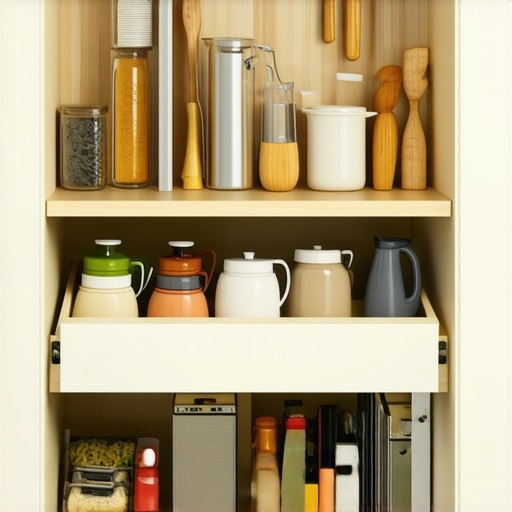
Consider choosing hinges with features like soft-close technology or corrosion resistance to enhance longevity. These make your cabinets more user-friendly and durable, especially in high-use areas. For a kitchen remodel, selecting these upgrades can reduce maintenance and improve overall quality—details I wish I’d known earlier. To explore innovative storage solutions that complement your upgraded cabinets, visit this guide.
While many homeowners rush into custom cabinetry and built-in projects with a focus on aesthetics and initial design, a common misconception is underestimating the complex nuances that determine long-term functionality and durability. Most assume that choosing high-end materials guarantees quality, but that’s only part of the story. An often-overlooked factor is the importance of precise installation and understanding the subtle interplay between storage solutions and space utilization. For instance, a beautiful custom pantry with sleek sliding shelves may seem ideal, but if not properly vented or reinforced, it can warp or sag over time, especially in high-humidity environments. This misconception can lead to costly repairs or replacements sooner than expected.
One crucial nuance is the misconception that larger or more elaborate built-ins automatically mean better storage. In reality, overly complex configurations can complicate access, increase cleaning difficulty, or cause inefficiencies. Advanced homeowners are increasingly exploring smart storage solutions that maximize every inch without sacrificing accessibility. Incorporating adjustable shelving, hidden compartments, and modular components can dramatically improve usability.
Be wary of **common myths that surround custom cabinetry**, such as the assumption that all finishes are equally durable. In truth, finishes like veneer or lacquer may chip or peel faster than newer, self-healing coatings or anti-bacterial options. Consulting with experts about material choices can prevent future headaches; for example, quartz-infused cabinets are increasingly popular due to their resilience against scratches and moisture—making them ideal for busy kitchens.
Another advanced mistake involves neglecting to plan for ongoing maintenance and adjustments. Many people fail to consider how seasonal changes, like humidity fluctuations, can impact wood expansion or contraction, leading to misaligned doors or stuck drawers. An insightful approach is to incorporate features like self-healing finishes which accommodate minor shifts and prevent damage.
How can I ensure my custom cabinets will age gracefully without surprise repairs?
The key lies in integrating advanced materials and thoughtful engineering from the outset, including proper ventilation, reinforced joints, and selecting finishes suited to your climate. Collaborating with experienced craftsmen who understand these nuances significantly extends your cabinetry’s lifespan. Remember, a well-designed built-in isn’t just about style; it’s about sustainable performance that adapts to your home’s evolving needs.
To explore more about innovative design choices, visit this comprehensive guide. Have you ever fallen into this trap? Let me know in the comments.
Prioritize Regular Maintenance for Lasting Performance
One of the most effective ways to ensure your custom cabinets and built-ins continue to serve you well over the years is through consistent maintenance. Regularly inspecting hinges, tracks, and finishes helps catch issues before they escalate. For instance, applying a small amount of silicone spray to hinges every six months can prevent squeaks and ensure smooth operation. Remember, neglecting routine upkeep often leads to costly repairs down the line.
Tools I Recommend for Maintenance and Repairs
Personally, I swear by a high-quality cordless drill equipped with adjustable torque settings. It allows me to tighten or loosen screws precisely without damaging delicate materials, which is especially important when working with custom wood finishes. Additionally, a set of mini pry bars proves invaluable for removing molding or adjusting tight-fitting doors without causing damage. For small adjustments, I use a stubby screwdriver—its compact design offers excellent control in confined spaces, typical when working with built-in cabinetry.
Leveraging Software and Planning Tools
Beyond physical tools, digital planning software like SketchUp helps me visualize modifications before lifting a screwdriver. By modeling storage solutions or layout changes, I can anticipate potential issues and plan maintenance tasks more effectively. As trends point towards smart home integrations, I foresee tools like mobile app diagnostics for hinges and motors becoming commonplace, enabling remote performance checks and maintenance alerts.
Future of Cabinet Maintenance and Longevity
Advancements such as self-healing finishes and sensor-driven hinges are on the horizon, promising to reduce manual upkeep significantly. For example, new self-healing coatings can respond to minor scratches automatically, maintaining pristine aesthetics with minimal effort. Exploring these innovations now can position homeowners to enjoy hassle-free, long-term results, aligning with the trend towards smarter, more durable home fixtures.
How do I maintain built-ins and storage solutions over time?
Implementing a schedule for regular cleaning, inspection, and preventive care is key. Keep hinges lubricated, tighten loose screws promptly, and refresh finishes as recommended by manufacturers. For high-traffic areas, consider installing fade-resistant and scratch-proof finishes like those discussed in this article. By staying proactive, you can extend your cabinetry’s lifespan and keep your space looking stylish and functional. Don’t be afraid to try applying a silicone-based spray on hinges, as it’s an easy and effective maintenance step that delivers immediate benefits.
The Hard-Won Wisdom of a Cabinet Enthusiast
One of the most surprising lessons I learned was that not all hinges are created equal—initially, I believed more expensive meant better, but discovering high-quality, heavy-duty hinges transformed my projects. I realized that patience during installation—meticulously measuring and adjusting—made all the difference, preventing future sagging or misalignment. Also, I learned that embracing innovative features like soft-close and corrosion resistance genuinely extends the life of my custom cabinets, saving me from frequent repairs. Lastly, I found that understanding the nuanced interaction between hinges and finish materials helped me select components that withstand humidity and daily wear, ensuring long-term durability and satisfaction.
Tools and Resources That Elevated My Work
I rely heavily on my cordless drill with variable torque settings, which gives precise control when tightening hinges without damaging finishes. A quality woodworking square is essential for perfect alignment, especially in custom projects. For sourcing reliable hinges, I trust the recommendations from self-healing finishes articles and the comprehensive guides on space maximization. Additionally, I’ve found that reading real-world reviews on quartz-infused cabinet materials helps me make informed choices that stand the test of time, especially in demanding environments like kitchens or outdoors.
Your Next Step Towards Flawless Built-Ins
Don’t let fear of complex installation or selecting the wrong hinges hold you back. Embrace the process, educate yourself on recent advancements like sensor-driven hinges or corrosion-resistant coatings, and take pride in your craftsmanship. Every successful upgrade adds to your confidence and results in a beautifully durable space that elevates your home’s style and functionality. Remember, small adjustments and informed choices now can lead to years of satisfaction—the future of custom cabinets and built-ins is brighter than ever. Ready to transform your space? Start by exploring innovative storage solutions that make your renovation worthwhile.