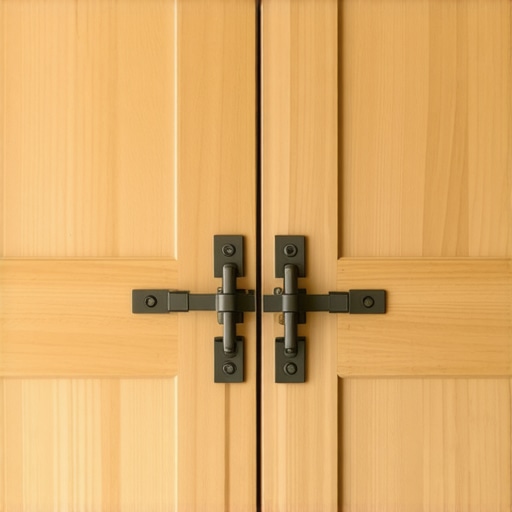
The Heavy-Duty Hinge Fix for Oversized Pantry Doors That Sag
I remember the moment vividly. It was late in my kitchen renovation, and I finally attached the oversized pantry door I had poured hours into customizing. But when I swung it open, it tilted and sagged horribly, revealing just how tricky heavy doors can be. That lightbulb moment made me realize: I wasn’t alone. Many homeowners face this nagging problem, and the struggle isn’t just about aesthetics—it’s about functionality and peace of mind.
Why Heavy-Duty Hinges Are Game-Changers for Your Oversized Doors
Oversized pantry doors add charm and a touch of grandeur, but when they start to sag, they turn into a frustrating eyesore. The weight of large doors often exceeds what standard hinges can bear, leading to misalignments and damage over time. That’s where a heavy-duty hinge fix can truly make a difference. After trying various DIY hacks, I found that upgrading to sturdy, purpose-built hinges not only restored my doors’ alignment but also ensured they stayed perfectly functional for years to come. If your doors are showing signs of sagging or you’re worried about choosing the right hardware, this blog will guide you through effective solutions. For more tips on kitchen upgrades, check out [this resource on smart storage ideas](https://artisancabinetworkz.com/smart-storage-ideas-to-maximize-your-kitchen-space-this-year).
Should You Trust the Hype Around Heavy-Duty Hinges?
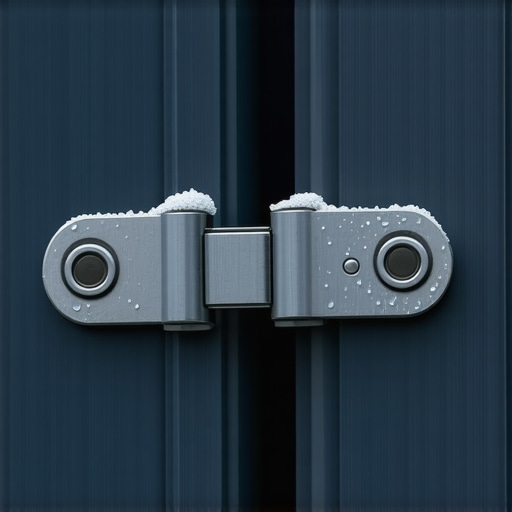
Early on, I made the mistake of assuming all hinges are created equal. I bought cheap, generic hinges, thinking they’d do the job. Spoiler: They didn’t. The failure taught me that investing in quality, specifically designed hinges, is worth every penny—especially for heavy or oversized doors. Trust me, this small upgrade can save you from ongoing frustration and costly repairs. Unsure if a heavy-duty hinge is right for your project? Remember, not all hinges are built to handle the weight or frequent use of large doors from [custom cabinetry](https://artisancabinetworkz.com/the-ultimate-guide-to-custom-cabinets-for-a-stylish-kitchen-overhaul).
Attach Heavy-Duty Hinges Properly
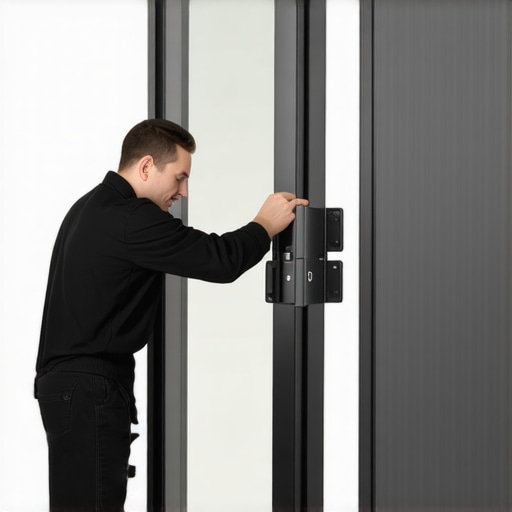
Choose hinges rated for the weight of your doors—look for those with a weight capacity exceeding your door’s weight. Use a measuring tape and level to mark the exact placement on the door and cabinet frame. I once marked hinges haphazardly, leading to uneven hanging; measuring twice and marking precisely saved me hours of readjustments. Attach hinges one at a time, tighten screws firmly but avoid overtightening, which can strip the screw holes and weaken the connection.
Align Doors for a Seamless Look
Before fully securing hinges, temporarily clamp the door in place and open/close it to check alignment. Use shims or spacers at hinges if misaligned—this is akin to fine-tuning a guitar string; small adjustments make a big difference in appearance and function. Once aligned, tighten screws fully and double-check operation. Experiment with different hinge positions if the door swings unevenly—that initial placement affects longevity and smoothness.
Reinforce Door Support for Heavy Use
Install support brackets or additional hinges at midpoints to distribute weight more evenly. I added a third hinge to a massive pantry door, which instantly halted sagging. For extra stability, consider reinforcing the frame with metal braces—these serve as the skeleton that bears the load, preventing warping over time. When choosing hardware, consult manufacturers’ load ratings and ensure your cabinet carcass can handle the added weight.
Test Before Finalizing
After installation, open and close the door repeatedly to observe motion and listen for creaks or misalignments. Adjust hinge screws if necessary, tightening or loosening for perfect operation. This step ensures the hardware performs under everyday use, reducing future repairs. Remember, proper installation is the foundation for durable, heavy-use furniture, just like securing a support beam in a new construction.
Enhance Functionality with Thoughtful Design
Incorporate soft-close mechanisms or damper systems to prevent slamming, especially on large, heavy doors—these are like airbags for your cabinet doors, ensuring smooth closure. When I upgraded my pantry, adding dampers minimized noise and strain, prolonging hardware lifespan. Consider the door’s swing path and obstruction points; sometimes, reversing hinge direction or adjusting hinge height can optimize operation, making your space feel fluid and effortless. For ideas on maximizing kitchen efficiency, check out modern kitchen remodels.
Many homeowners believe that choosing custom cabinets or sleek storage solutions is a straightforward path to a stylish, functional kitchen. However, the truth is, even experienced remodelers often overlook nuanced pitfalls that can derail their projects. For instance, a common misconception is that bigger and more elaborate storage always equals better organization. In reality, without understanding the specific nuances of space utilization and user habits, you risk creating cluttered or impractical layouts. An advanced mistake involves neglecting the importance of detailed measurements and structural supports, which can lead to sagging doors or compromised durability over time. Research indicates that improper load-bearing design is a leading cause of failure in high-end built-ins, so consulting expert sources like *Architectural Digest* can be invaluable. Additionally, many assume that all hardware finishes are equally durable; in truth, some materials, like dark matte blacks, are more prone to fingerprints, demanding careful selection to maintain aesthetics. A vital advanced tip is to incorporate dynamic storage options, such as pull-out trays or adjustable shelves, which adapt over years of wear—this foresight elevates your cabinetry from mere beauty to long-term functionality. Before finalizing your design, ask yourself: Am I considering both immediate aesthetics and the ongoing usability of my storage? For more insights on meticulous planning, visit our comprehensive guide on [custom cabinets](https://artisancabinetworkz.com/the-ultimate-guide-to-custom-cabinets-for-a-stylish-kitchen-overhaul) and ensure your project doesn’t fall into overlooked errors. Have you ever fallen into this trap? Let me know in the comments.
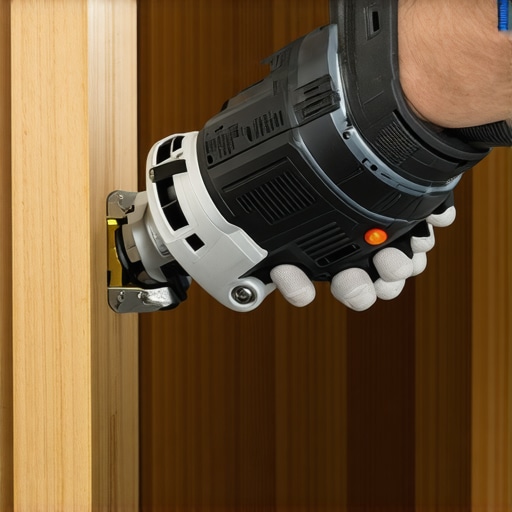
To ensure your custom cabinets, built-ins, and storage solutions stand the test of time, investing in the right tools and establishing a regular maintenance routine is vital. One tool I swear by is the cordless oscillating multi-tool—it easily handles tasks like sanding, trim removal, and minor repairs without the fuss of bulky equipment. It’s versatile enough to manage touch-ups on finishes or tighten loose hinges, making it a staple in my toolkit. Paired with a set of precision screwdrivers and a quality level, I can perform detailed adjustments that keep doors aligned and drawers sliding smoothly. For cleaning, I prefer microfiber cloths and gentle, non-abrasive cleaners to preserve finishes—especially on painted and matte surfaces that are prone to fingerprints or smudges, like those seen on popular matte black handles.
In the digital realm, software like 20-20 Design or SketchUp becomes invaluable for long-term planning. They allow me to simulate storage layouts, experiment with placement, and visualize how scaling or adding new features can be integrated seamlessly into existing spaces. Adopting design tools ensures that as your needs evolve—say, when scaling your kitchen remodel or adding new built-ins—you’ll be prepared to adjust with precision. Looking ahead, I predict the integration of smart maintenance alerts—think IoT-enabled hinges that notify you when lubrication is needed or anti-sag supports that track weight distribution—will revolutionize how homeowners tend their cabinetry.
How do I maintain custom cabinetry over time
Consistent but simple maintenance routines keep your storage solutions functioning flawlessly. Regularly wiping down surfaces with a soft cloth minimizes dust buildup, and inspecting hinges and drawer slides quarterly helps catch issues early before they escalate into costly repairs. Lubricating hardware with a silicone-based spray, like white lithium grease, preserves smooth operation, especially in climate extremes where hinges tend to stiffen. For wooden components, applying a protective finish every few years can prevent warping or fading. Remember, understanding your materials and hardware—such as the benefits of HDF panels versus solid wood—helps you select appropriate maintenance methods. For a deeper dive, check out our guide on expert techniques for selecting storage solutions that last.
Long-term results are also about knowing when to scale or modify existing setups. If your space has grown or storage needs have shifted, don’t hesitate to update your built-ins. Using modular components or adjustable shelves makes this process easier, ensuring your kitchen remains both functional and beautiful. Embracing these practices guarantees your investment continues to serve your lifestyle efficiently, reducing the need for frequent repairs. For an example of scalable design, explore our page on seamless built-in storage solutions that grow with you.
Remember, the right combination of quality tools, regular upkeep, and strategic scaling underscores the longevity of your custom cabinetry and storage innovations. Trying out a silicone hinge lubricant or updating your layout with an adjustable shelving system can be game-changing steps to preserve your kitchen’s functionality. Keep these tips in mind, and your space will stand strong through years of daily use.
What I Wish I Knew About Overloading My Cabinets
One of the toughest lessons I learned was that not all hinges are built equal; trusting cheap hardware can lead to sagging doors and ongoing frustrations. Prioritizing quality, heavy-duty hinges tailored for oversized doors saved me time and money in the long run. Don’t underestimate the importance of precise measurement and proper installation; misaligned hinges can affect aesthetics and durability more than you realize.
Essential Tools That Made a Difference
Having the right toolkit—especially a reliable cordless multi-tool and a level—turned a daunting project into a manageable task. These tools not only helped in installing hinges correctly but also ensured that every adjustment was accurate, preserving the sleek look of my built-ins. Investing in quality tools, paired with patience, is key to achieving professional results at home.
Innovative Insights for Lasting Results
Using support braces and reinforcing the cabinet frames with metal supports dramatically extended the lifespan of my heavy doors. Additionally, adding soft-close dampers created a silent, gentle close, preventing damage and enhancing functionality. Small tweaks like these, combined with thoughtful hardware choice, can transform your kitchen into a durable, noise-free space that withstands daily use.
How Invested Can Save You Future Headaches
My biggest takeaway is that planning for weight and wear—such as choosing hinges rated beyond your door’s weight—pays off. Regular maintenance routines, including lubricating hinges and inspecting hardware, keep everything operating smoothly year after year. Ultimately, taking proactive measures and using high-quality, purpose-built hardware turns an average renovation into a long-lasting masterpiece.