The Knife Drawer Strategy: Keeping Blades Sharp and Hands Safe
It was a morning like any other, but as I reached into my cluttered knife drawer, I felt that sickening wobble in my grip. One of my favorite paring knives wobbled loose; I knew instantly that I was inches away from a cut or worse. That moment was my lightbulb—my wake-up call—to finally get serious about the way I handle and maintain my kitchen blades.
Why Your Knife Drawer Matters More Than You Think
Keeping knives sharp and hands safe isn’t just about quick hacks or buying fancy storage. It’s about creating a system that promotes safety and keeps your blades in top shape. When I first started, I made the mistake of tossing my knives into a messy drawer, thinking a quick sharpen now and then would suffice. Turns out, that approach not only dulls blades faster but increases the risk of injury. The good news? There’s a simple, reliable way to keep your blades razor-sharp and your fingers out of harm’s way, one rooted in a method I’ve come to swear by.
Are Knife Safety Tips Just Overhyped?
One of my biggest skeptics was myself—thinking, ‘How much difference can proper storage really make?’ Early on, I underestimated the impact of a dedicated knife drawer, thinking regular honing was enough. But that false assumption nearly led to a severe cut—and a lesson that I shouldn’t overlook the importance of proper storage and maintenance. According to a study by the American Safety Council, kitchen knife injuries are among the most common household accidents, emphasizing the need for smarter storage solutions. If you’ve faced similar scares, you’re not alone. Let’s dive into the approach that’s saved my hands—and my sanity—time and time again.
Prioritize a Custom Storage Solution That Fits Your Space
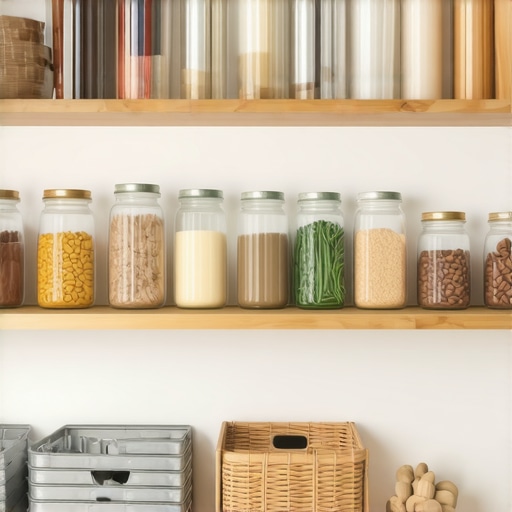
Start by evaluating your kitchen’s layout to identify ineffective storage areas. Then, opt for custom cabinets that maximize every inch, like deep drawers for pots and pans, or vertical dividers for baking sheets. I once measured a cramped corner and designed a tailored corner cabinet with pull-out shelves, instantly freeing up space and reducing clutter.
Plan Your Cabinets and Built-ins Carefully
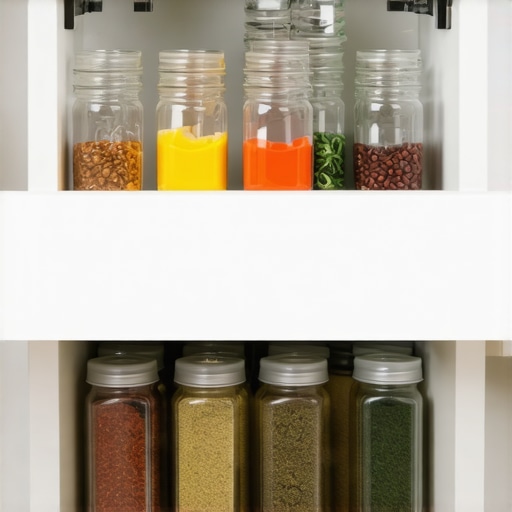
Next, sketch a layout incorporating built-in features that serve your needs. Use software or work with a designer to ensure each cabinet has a purpose—like a pull-out spice rack or integrated trash pull-outs. For example, I installed a pull-out trash can under the sink, which kept the area tidy and accessible. This approach prevents the common mistake of overstuffed, inefficient cabinet spaces.
Select the Right Storage Hardware and Accessories
Invest in quality hardware such as soft-close hinges and sturdy runners. These details enhance durability and ease of use, making your kitchen safer and more enjoyable. During my remodel, upgrading to European hinges reduced cabinet slamming, echoing the value of high-quality hardware. Complement this with accessories like drawer dividers and lazy Susans, which keep everything in its place.
Introduce Efficient Organization Tools
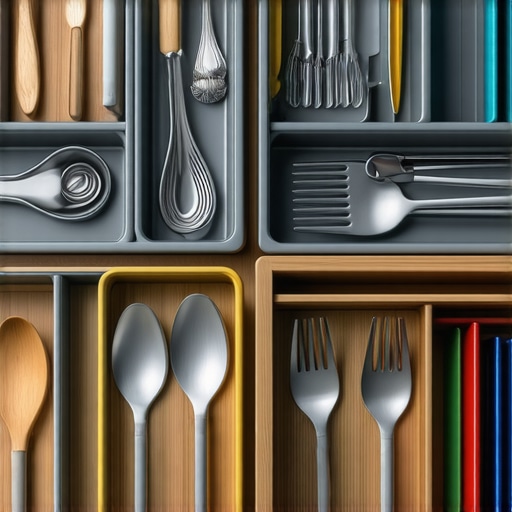
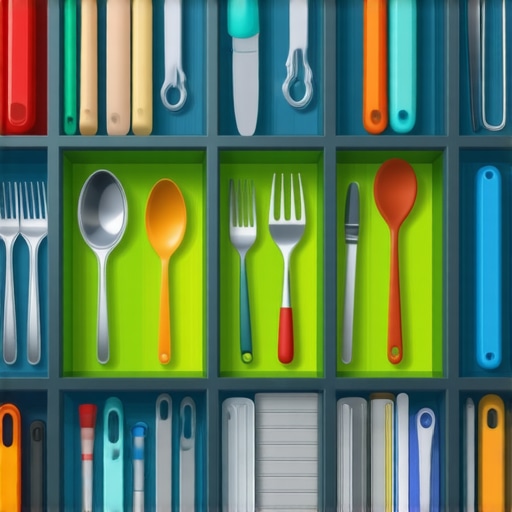
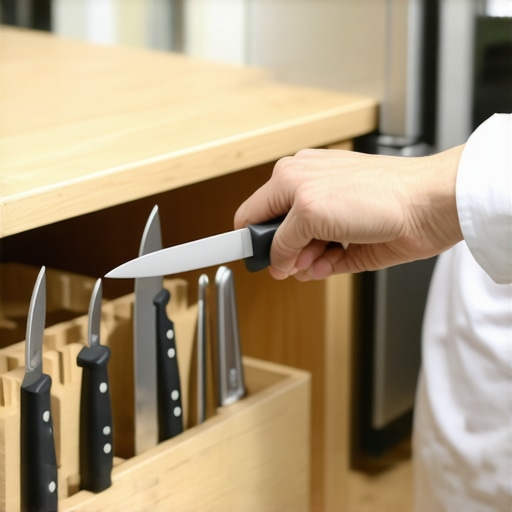
Inside your cabinets, use custom organizers to keep items grouped logically. For knives, a dedicated drawer insert with blades protected and easily reachable improves safety. I once used a magnetic strip on the wall to hang knives, which kept blades sharp and fingers safe.
Optimize Accessibility with Thoughtful Placement
Arrange frequently used items within easy reach—often the lower or central cabinets—while reserve upper cabinets for infrequently used cookware. Use pull-down shelves or motorized lifts for heavy or seldom-accessed items, reducing strain and accident risk. In my own kitchen, installing a motorized lift for my stand mixer made baking sessions safer and more efficient.
Implement Consistent Maintenance and Checks
Finally, regularly inspect your storage for loose hardware, rust, or wear. A quick monthly check can prevent accidents, like falling shelves or jammed drawers. I learned this the hard way when a loose hinge caused a door to fall—an easy fix with routine inspection. Incorporate safety features such as anti-slip mats inside drawers and cabinet handles that are easy to grip, especially if you have children or elderly family members.
Link to Further Custom Solutions and Ideas
For design inspiration and innovative storage ideas, explore options like smart storage ideas and built-in storage solutions. These resources can help transform your kitchen into a safe, highly functional space that meets your needs now and in the future.Many homeowners believe that installing custom cabinets alone guarantees a perfect kitchen, but there’s a hidden nuance often overlooked: the nuances of design details and material choices can make or break your space. For example, choosing shallow or standard-depth cabinets without considering your specific cookware or appliance sizes can limit functionality. Instead, dive into customizable solutions that truly fit your needs, like adjustable shelving or deeper drawers—these can drastically improve usability, as highlighted in our guide on built-in storage hacks.
Is Bigger Always Better When Planning Storage?
Some assume that larger cabinets or more drawers mean better storage, but overdoing it can clutter your space and hinder access. Precision in sizing and placement ensures every inch is optimized, reducing the risk of wasted space and making daily routines smoother. Avoid the trap of overgeneralizing from generic designs; instead, consider your countertop clearance, appliance dimensions, and traffic flow. Experts suggest analyzing your workflow to prevent creating cabinets that collect dust instead of serving you well. The key is smarter planning, not just larger units. To explore innovative ideas, check out space-maximizing solutions.Maintaining your custom cabinets and storage solutions requires the right set of tools and a disciplined approach to routine upkeep. Personally, I rely on a few key equipment pieces and software that streamline my remodeling projects and ensure long-term durability. For example, my go-to cordless drill is the Makita XFD10R because its lightweight design reduces fatigue during extended use, and its variable speed feature allows precise driving, essential for installing adjustable shelving or hardware. Additionally, I use a Bosch GLM 50 C laser distance measurer to quickly and accurately gauge space constraints when designing built-in units, saving time and preventing costly errors. Regular maintenance also involves specific practices; I recommend applying a silicone-based lubricant on drawer slides annually to keep movements smooth and preventing corrosion. For software, SketchUp Pro remains invaluable for visualizing cabinet layouts and storage plans before any physical work begins, enabling me to optimize space and anticipate issues before construction. Looking ahead, the trend points toward intelligent, modular components that adapt over time, making maintenance and scaling even easier. For example, integrated power outlets in pull-out shelves or customizable dividers can adjust to changing storage needs without invasive modifications.
How do I keep my custom storage solutions working like new over time?
Consistency is key. Regularly inspecting hardware for looseness, cleaning tracks, and updating organizational accessories prevent wear and tear from escalating into larger problems. Also, using high-quality materials like marine-grade plywood for outdoor kitchen cabinets or heavy-duty pull-out trash bins ensures longevity. For a deeper dive into durable materials and hardware, explore more at this resource. Remember, investing a little time monthly in routine checks and cleaning pays off by extending your cabinetry’s lifespan, especially as your needs evolve. Embrace these tools and practices, and your kitchen storage will remain functional and beautiful for years to come. If you’re ready to upgrade, try implementing magnetic knife strips combined with silicone lubrication on hinges for a noticeable difference in ease of use and safety.
What I Didn’t Expect About Custom Cabinets
One of the most surprising lessons I learned was how much the tiniest hardware details can impact safety and functionality. Small adjustments, like upgrading to soft-close hinges or adding magnetic knife strips, transformed my daily routines and prevented accidents.
Another insight was realizing that design isn’t just about aesthetics; it directly influences your workflow. Customizing shelving depths and cabinet heights meant I wasted less time searching and reached for what I needed faster, making my kitchen more efficient.
Tools That Became My Secret Weapons
Using a laser distance measurer and SketchUp Pro changed my approach to planning. These tools helped me visualize and optimize space before breaking ground, preventing costly mistakes and ensuring each piece fit perfectly.
Investing in quality hardware like European hinges and heavy-duty drawer slides proved invaluable. The durability and smooth operation kept my cabinets looking and working like new, saving me time and money in the long run.
Letting Go of Perfection to Embrace Progress
My journey taught me that even the most carefully designed storage solutions require regular maintenance. Routine inspections and updates prevent small issues from becoming big problems, extending the life of my investments.
And sometimes, accepting imperfections—like a slightly misaligned handle—allows me to focus on the bigger picture: a safer, more organized kitchen where every item has a place, and every step is safer.
Could Your Kitchen Use a Transformation?
If you’re contemplating a remodel, remember that tailored storage solutions and thoughtful design are well worth the effort. They don’t just improve aesthetics—they elevate safety, efficiency, and daily enjoyment. Dive deeper into innovative ideas with resources like built-in storage hacks and smart storage ideas.