The Mudroom Locker Design That Actually Fits a Child’s Backpack
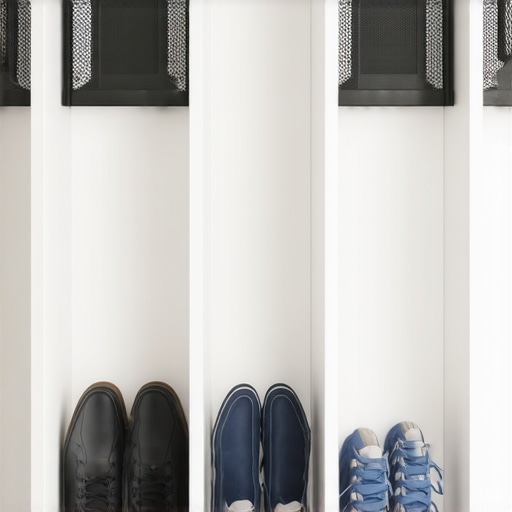
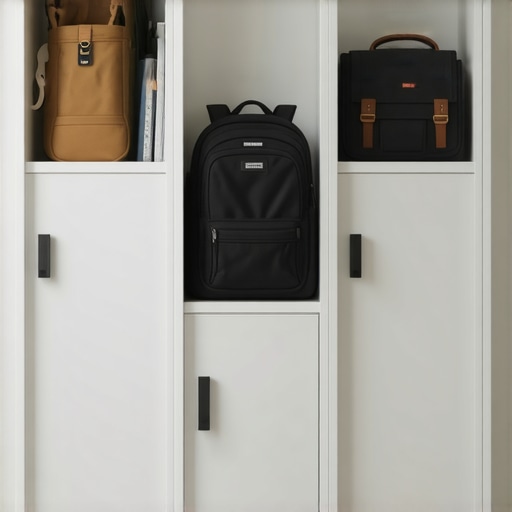
It was a typical chaos-filled morning in my house. Shoes scattered across the hallway, jackets dripping from the rain, and my kid’s backpack hanging awkwardly over a door handle, spilling its contents every time someone brushed past. That lightbulb moment hit me hard — why was I still using a one-size-fits-all locker for such a vital part of our everyday routine? I realized that my mudroom storage barely accommodated the kids’ gear, turning into a cluttered mess instead of an organized haven.
Forget the Frustration of Ill-Fitting Storage Solutions
For years, I believed I was stuck with generic lockers and sloppy hooks that never fit my child’s backpack properly. It was maddening watching backpacks topple over or spill papers, snacks, and toys all over the floor. The truth is, a poorly designed mudroom locker can turn into a source of daily stress rather than a helpful space. I promised myself that one day, I’d figure out a system that actually works — space that fits, is accessible, and keeps everything neat.
But here’s the thing: a custom-built mudroom locker, tailored to your kid’s gear, isn’t just about tidiness. It’s about making your mornings smoother, your child more independent, and your home more organized. I encountered initial setbacks, like choosing the wrong materials or miscalculating the depth needed. Still, understanding what works — and what doesn’t — has transformed my approach to storage.
Before diving into a step-by-step plan, let’s address some common doubts. Are custom lockers really worth the investment? Spoiler alert: yes, especially when you consider how much time and hassle they save. Plus, a well-designed mudroom can enhance your home’s function and even its style. But I also want to share a mistake I made early on — trying to build it myself with hastily gathered plans, which resulted in a wonky fit and wasted resources. Trust me, proper planning and expert advice can make all the difference.
So, if you’ve ever faced the frustration of a messy mudroom or felt like your child’s gear is just too much for off-the-shelf solutions, you’re in the right place. Let’s explore how to design a mudroom locker that FITS your child’s backpack — every single time, without the clutter and chaos.
Select Your Storage Modules Wisely
Think of your mudroom like a tailor-made suit—each piece must fit perfectly. Start by measuring the largest items, like backpacks and jackets, then plan shelves and hooks accordingly. I once grabbed generic cubbies without measuring, only to find the backpacks didn’t fit, turning my project into a frustrating fix.
Draft Precise Layouts Before Building
Use grid paper or design software to sketch your locker system. Break down the space into zones for shoes, jackets, and backpacks. I drew my design late at night, obsessing over each compartment, which saved me from costly mistakes during assembly. Visualize the flow to avoid clutter and make daily routines smoother.
Choose the Right Materials for Durability and Style
Opt for moisture-resistant plywood or MDF with a durable finish to withstand daily use. I selected white melamine for its easy cleaning and modern look, but real wood adds warmth if desired. Remember, the quality of materials directly impacts longevity, especially in high-traffic areas.
Create Adjustable Components for Flexibility
Incorporate adjustable hooks or shelves using cleats or slot-in brackets. This allows tweaks as your kids grow or needs change. I initially fixed everything permanently, only to realize my kids wanted more space for taller boots and longer jackets, making flexibility essential.
Install Easily Accessible Storage for Small Items
Add drawers or bins for items like gloves, hats, and lunchboxes. Label them for quick recognition. I installed a small drawer for keys and sunglasses, which kept clutter off the main shelves and made mornings less hectic.
Incorporate Safety and Accessibility Features
Use rounded edges and avoid heavy doors that can slam. Mount taller units at waist height to prevent tipping hazards. I learned the hard way that children should be able to reach hooks safely without risking injury or damaging the setup.
Fine-Tune Space with Creative Solutions
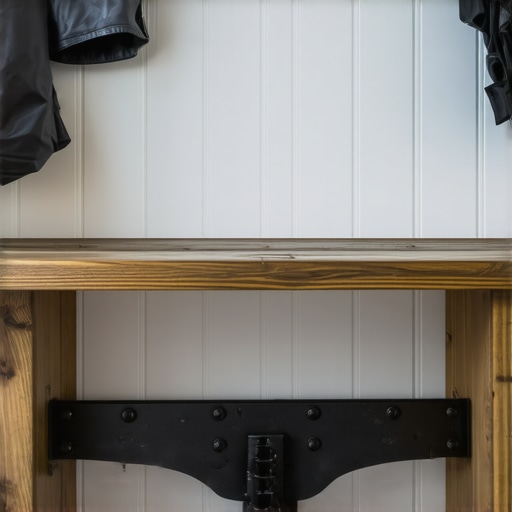
Utilize vertical space with pegboards or wall-mounted organizers. Consider a fold-down bench for changing shoes or packing backpacks. I added a bench that doubled as storage, turning a wasted corner into a practical zone.
Finish with Personal Touches
Decorate with color-coded hooks or themed bins to motivate kids to keep their area tidy. A splash of bright paint or fun knobs can make the space inviting and encourage independence.
If you’re ready to bring your vision to life or need expert help, contact artisans who specialize in custom cabinetry at this link. Remember, a well-designed mudroom isn’t just storage—it’s part of your home’s daily rhythm, making mornings less stressful and more organized.
Many homeowners assume that opting for custom cabinets or built-ins guarantees perfection and long-term satisfaction. However, there are subtle pitfalls and misconceptions that can derail even the most well-planned projects. One prevalent myth is that custom solutions always come with a straightforward, foolproof process. In reality, the complexity of custom cabinetry demands meticulous planning, expert craftsmanship, and realistic expectations about timelines and costs. Skimping on detailed measurements or choosing inexperienced carpenters can lead to misaligned doors, uneven finishes, or storage inefficiencies, undermining the investment.
A common oversight is underestimating the importance of understanding the nuanced differences between material qualities. For instance, many assume that all MDF or plywood is created equal, but expert insights reveal that low-grade materials can warp, swell, or delaminate over time, especially in humid environments. Engaging with seasoned professionals ensures the selection of durable, sustainable materials that maintain their beauty and function for years.
When it comes to storage solutions, a surprising mistake is failing to tailor the interior architecture to actual usage patterns. Installing generic shelving or drawers without assessing specific needs—such as accessibility for children, or the dimensions of frequently used items—can result in wasted space or items being difficult to reach. Advanced homeowners realize that integrating adjustable components and smart storage hacks, like dedicated zones for specific items, maximizes usability.
In the realm of kitchen remodels, many think that a beautiful facade equates to optimal functionality. Yet, the hidden nuance is in the details: the strategic placement of outlets, the height of countertop appliances, or the integration of lighting. Ignoring these intricacies can lead to frustrations down the line. For those serious about a seamless transformation, exploring custom cabinets as a game changer can reveal how thoughtful details elevate both form and function.
A sophisticated challenge lies in understanding how built-ins affect the property’s value and daily workflow. For example, building a storage unit that isn’t accessible or ergonomically sound can cause more annoyance than benefits. Consulting with design experts and referencing studies on space efficiency ensures your investments enhance your lifestyle and home’s worth. According to a report by the National Kitchen & Bath Association, carefully planned built-ins contribute significantly to property resale value when executed correctly.
Keep in mind that rushing into a project without considering these nuances often leads to costly revisions or dissatisfaction. Planning meticulously, choosing skilled artisans, and understanding material and design intricacies are the keys to a successful renovation. For professional guidance, you can reach out to experienced designers through this contact page. Harnessing expert insights ensures your custom cabinets and built-ins truly meet your needs, transforming your space into a harmonious blend of beauty and practicality.
Have you ever fallen into this trap? Let me know in the comments.
Investing in Tools That Stand the Test of Time
When managing custom cabinets and built-ins, the right tools are crucial for precision and durability. I personally rely on a high-quality cordless drill with adjustable torque settings, such as the DeWalt DCD791. Its lightweight design and long-lasting battery make it perfect for both assembly and adjustments, reducing fatigue during lengthy projects. For fine tuning, a digital caliper ensures exact measurements, especially when tweaking adjustable components for perfect fit. I also swear by a brad nailer, like the Johnson 18-Gauge, which helps in securing delicate trims without visible fasteners. These tools collectively streamline the process and ensure professional results that last.
Expert-Recommended Software for Design & Planning
Accurate planning saves time, money, and frustration. I recommend SketchUp for 3D modeling—its intuitive interface allows me to visualize storage solutions in real space before building. To keep track of measurements and cut lists, I use Trello, which organizes steps and materials seamlessly. These digital tools help prevent costly mistakes and make scaling projects manageable, whether you’re adjusting a mudroom locker or designing a multi-room storage system. As technology evolves, integrating user-friendly design software will become even more essential, enabling homeowners and artisans to collaborate more effectively.
Creating Long-Term Storage Success
Maintenance is the key to preserving the functionality and appearance of custom cabinetry. Regularly inspecting hardware and tightening loose screws prolongs lifespan. I recommend applying a protective finish every couple of years—perhaps a clear polyurethane—to guard against humidity and wear. When cleaning, avoid harsh chemicals; instead, use a soft cloth with mild soap, which keeps surfaces looking fresh and prevents discoloration. Labeling adjustable components allows quick future tweaks as needs change, saving you from disassembling entire units. Embracing routine checks and simple repairs keeps these investments performing beautifully for decades.
How do I maintain my built-ins over time?
Keeping your custom storage solutions functioning well involves a combination of regular inspections, proper cleaning, and prompt repairs. For example, lubricate sliding mechanisms like drawer glides with silicone spray to prevent sticking. Periodically verify that shelves remain level, especially if your home experiences settling or shifting. If you notice warping or damage, addressing it early—either DIY or through professional help at this contact page—will prevent more extensive issues. Using quality hardware and finishes from the outset makes maintenance easier, as they resist corrosion and deterioration. Trends point toward smarter storage systems; integrating sensors or automated adjustments in future designs will further simplify upkeep, ensuring your cabinetry stays seamless and functional.
One advanced tip I highly recommend is installing soft-close hardware on all drawers and doors. Not only does this prevent slamming and reduce wear, but it also adds a touch of luxury and longevity to your cabinetry. Try upgrading your current fixtures with simple soft-close kits—the investment is minimal compared to the prolonged lifespan it offers. Remember, consistent maintenance combined with quality tools and thoughtful planning ensures your custom solutions remain problem-free, beautiful, and highly functional for years to come.Reflecting on the journey to optimize home spaces, I’ve realized that the true magic lies in embracing unique solutions tailored to our lifestyles. The hardest lesson I learned was that DIY projects, no matter how passionate, sometimes fall short without professional guidance—investing in skilled artisans ensures your vision becomes reality. A myth I busted was believing that high aesthetics compromise durability; with the right materials and craftsmanship, beauty and longevity go hand in hand. What I wish I had known earlier is how integrating smart storage hacks transforms not just closets or kitchens but the entire home’s flow, making daily routines seamless. The future of home renovation hinges on personalization: bespoke cabinetry and built-ins are no longer luxury but necessity for a space that truly feels like yours, blending function, style, and innovation.