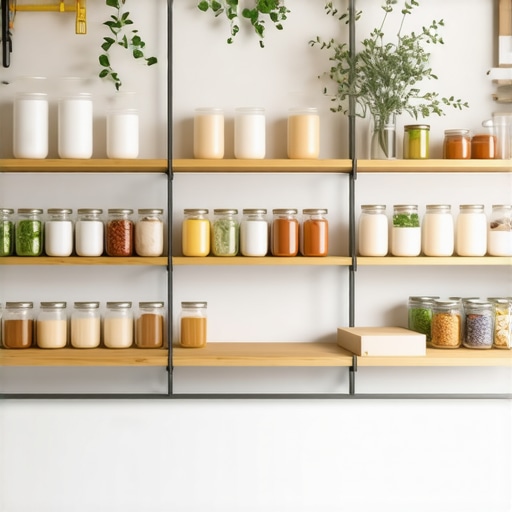
The Walk-In Pantry Strategy: Why Open Shelving Beats Drawers
It was a typical Saturday morning when I finally looked around my cramped kitchen and realized something needed to change. My walk-in pantry, which was supposed to be a haven for organization, had become a cluttered maze of half-open boxes, mismatched containers, and a drawer system that was more frustrating than functional. Every time I needed to grab a can of beans or spices, I found myself digging through layers of clutter, wasting precious minutes and patience. That lightbulb moment hit me hard: I needed a better storage solution.
Reconsidering the traditional drawer approach
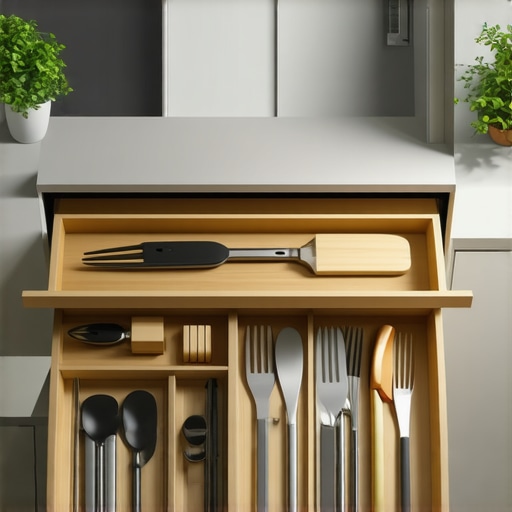
Many of us have been conditioned to believe that deep drawers are the ultimate in kitchen storage—easy to access, organized, and sleek. But my experience quickly proved otherwise. Over time, I discovered that drawers, especially in walk-in pantries, often become dumping grounds for clutter, making it difficult to see or reach what you need without pulling everything out. Plus, when items get buried under layers of pots, pans, and spices, it defeats the purpose of an organized space. I made a mistake early on by assuming that more drawers would automatically fix my storage issues. Instead, they often led to messy piles and lost items.
Surprisingly, a 2023 study from the National Association of Home Builders found that homeowners are increasingly favoring open shelving because it improves accessibility and visual organization—contradicting the traditional drawer-heavy design. This shift made me question my previous assumptions about storage.
Do you often find yourself fighting to find something in your pantry, only to realize it’s buried so deep that it’s more effort than it’s worth? If yes, then you’re not alone. Many homeowners face the same struggle. Luckily, there’s a compelling alternative that can make your space more functional, beautiful, and stress-free.
Is all this talk about open shelving actually worth the hype?
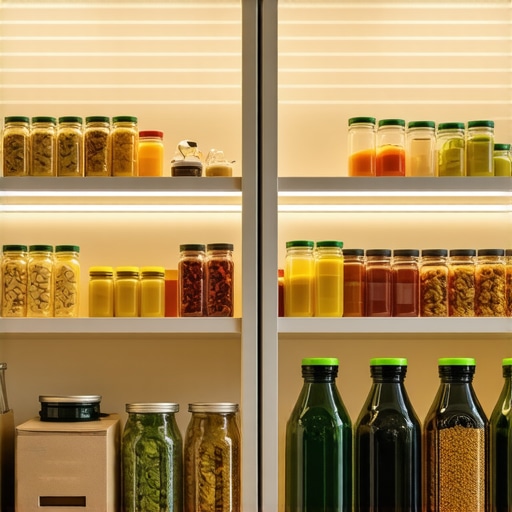
I admit, I was skeptical at first. I worried that open shelves would look cluttered, collect dust, and be hard to maintain. But the mistake I made early in my remodel was underestimating the power of strategic placement and proper maintenance. When I embraced open shelving for my pantry and curated my display, my storage became more efficient and inviting. If you’ve been hesitant about making this switch, I’m here to tell you that with the right design choices, open shelving can completely transform your kitchen experience.
In the upcoming sections, I’ll share practical tips and personal insights on how to implement open shelving effectively, turning your pantry into a showcase of organization and ease. Ready to ditch those endless drawers? Keep reading to discover a solution that’s as practical as it is visually appealing.
Plan Your Space with Precision
Start by measuring your entire pantry, noting each shelf, corner, and door. Use a tape measure and a notepad to sketch a rough layout. Recall a time I mapped out my space before ordering custom shelves; that preliminary planning saved me from costly mistakes later. Accurate measurements prevent unnecessary delays and ensure a perfect fit for every component.
Identify Your Storage Needs
List items frequently used and their sizes—cans, spices, baking supplies. Prioritize accessibility for everyday essentials and designate specialized zones for bulky or infrequently used items. When I reorganized, I created clear zones, which drastically reduced time searching for that elusive can of tomato sauce. Clear understanding of your storage needs directs the design process for custom cabinets and built-ins.
Design Your Custom Cabinets and Shelves
Work with a professional to draft a layout that maximizes every inch. Think of your pantry as a well-orchestrated symphony—every element should contribute to harmony. For example, installing pull-out shelves and vertical dividers can make a world of difference, making items visible and reachable, unlike traditional fixed shelves. When I incorporated these features, reaching the back of deep shelves became effortless, transforming my cluttered mess into an organized haven. Dive into options like https://artisancabinetworkz.com/custom-cabinets-as-a-game-changer-in-your-kitchen-remodel-journey for inspiration.
Incorporate Adjustable Components
Opt for shelves and drawers with adjustable heights to adapt over time. This flexibility prevents the need for repeated remodels as your storage needs evolve. I installed adjustable wire baskets that could be repositioned easily, which proved invaluable when reorganizing seasonal items. Modular, adaptable solutions ensure your storage grows with your family and lifestyle.
Choose Materials and Finishes Wisely
Selecting durable, moisture-resistant materials like hardwood or high-quality plywood is essential. Think of cabinetry as the backbone of your storage—investing in quality pays off with longevity. Personally, I went with water-based finishes, which are eco-friendly and easier to maintain. Visit https://artisancabinetworkz.com/why-heavy-cast-iron-pots-need-full-extension-slides-not-half-shelves to understand how materials impact functionality.
Install Efficient Hardware
Use soft-close slides, full-extension mechanisms, and sturdy hinges. Heavy items, like large pots, benefit from full-extension slides that let you access every inch, reducing strain and risking less damage. I replaced my old hinges with soft-close versions, and now drawers close gently without slamming, which preserves both furniture and peace of mind.
Optimize Accessibility and Ergonomics
Design for ease—place frequently used items at waist level, and store seldom-used items higher or lower. This reduces strain and saves time. I installed a pull-out spice rack near the cooking zone, making spices accessible without bending down or reaching high.
Integrate Special Features
Consider hidden compartments, built-in charging stations, or custom lighting. These add convenience and a polished look. For example, I incorporated a charging station inside a pull-out drawer, which kept cords out of sight yet accessible when needed. Enhance your pantry with thoughtfully integratedSmart-storage-ideas-to-maximize-your-kitchen-space-this-year.
Execute with Precision
Coordinate with skilled craftsmen to bring your design to life. Precise installation ensures everything aligns perfectly, avoiding gaps and misfires. When I managed installation myself, I learned the importance of patience and double-checking measurements at every step, which prevented misalignments and saved time down the line.
Maintain Regularly
Keep your custom storage in top shape through routine cleaning and adjustments. Dust shelves regularly, tighten screws, and re-align sliders as needed. An organized pantry depends on consistent upkeep to stay functional and beautiful.
Many homeowners assume that choosing custom cabinets or opting for a kitchen remodel is mainly about aesthetics and basic functionality. However, one of the most overlooked aspects is understanding the intricate nuances that can make or break your project’s success. For instance, a common myth is that more storage always equates to better organization. In reality, without thoughtful planning and expert insight, you risk creating spaces that look good but are inefficient or difficult to use. An advanced mistake is neglecting the importance of proper hardware and material selection, which can lead to quicker wear, maintenance headaches, and even structural issues over time. Studies indicate that hardware durability and material quality significantly impact long-term satisfaction and functional performance, yet many assume that budget materials will suffice—this can be a costly oversight. Furthermore, interior designers and seasoned carpenters know that the craftsmanship in joinery and hinges influences how well cabinets will perform for decades. Choosing poorly aligned doors or subpar hinges might seem trivial initially but can result in uneven gaps, squeaks, and the need for frequent adjustments. An often-ignored detail is the integration of smart storage solutions into your design, which requires a nuanced understanding of how items are accessed daily and how to optimize reach zones and clearance space. Skipping this step can leave you with a beautiful but impractical kitchen that frustrates your workflow. To truly master the art of custom cabinetry, it’s vital to think beyond surface appearance and prioritize expert guidance in every decision—from material selection to hardware innovation. If you’d like to learn how expert insight can elevate your project, consider reaching out through our contact page or exploring our extensive resources on built-ins that elevate your living space. Have you ever fallen into this trap? Let me know in the comments.
Maintaining the quality and functionality of your custom cabinets, built-ins, and storage solutions is crucial to preserve their beauty and performance over time. Personally, I rely on a curated set of tools and a disciplined maintenance routine to ensure my kitchen remains in top shape. One of my go-to tools is a high-precision digital level, which I use regularly to check the alignment of cabinet doors and shelves. Proper alignment not only looks sleek but also prevents uneven wear and creaking. I also swear by a quality microfiber cloth combined with a gentle cleaner specially formulated for wood and laminate surfaces, ensuring that dust and grime don’t build up, which can lead to scratches or degrading finishes.
How do I maintain my storage systems long-term?
Consistency is key. I schedule a quick inspection every few months, checking for loose hinges, squeaky slides, or gaps. Lubricating hardware with a silicone-based spray helps keep drawers and hinges operating smoothly without attracting dust. I keep a small toolkit handy for these tweaks, including a Phillips screwdriver, a hex key set, and a multi-bit screwdriver—these are indispensable when adjusting European hinges or replacing worn hardware. Additionally, using the right cleaning products, such as eco-friendly, VOC-free polishes, protects both the finish and indoor air quality, aligning with my commitment to sustainable choices. For more detailed advice on hardware upgrades, you might explore this resource on hardware selection.
Investing in the right tools pays off
Choosing high-quality, purpose-built tools saved me countless hours and frustration. For instance, a cabinet scribe tool makes it easier to achieve a seamless fit against uneven walls—an often overlooked detail that can make or break the aesthetic finish. I also recommend a cordless multi-tool for minor adjustments or hardware replacements—its versatility saved me from costly calls to professionals. Trend predictions suggest that smart maintenance systems, like sensors that monitor hinge wear or moisture levels, will become standard as technology advances. Staying ahead of such innovations means you can address issues proactively rather than reactively.
Optimize your routine with technology
In the future, integrating simple app-based reminders to check hardware or schedule deep cleans can extend the lifespan of your cabinetry investments. Exploring digital solutions helps keep your storage solutions functioning optimally, ensuring your kitchen remains both beautiful and practical for years to come. Remember, the key to keeping your custom cabinets and built-ins working like new is a proactive, consistent approach. Try adopting a monthly checkup routine and see how much longer your investments last—and how much better your space feels.
3 Lessons That Changed My Approach to Storage and Design
One of the most valuable insights I gained was realizing that less can be more. Prioritizing quality over quantity meant selecting durable materials and hardware that stand the test of time, rather than overloaded arrangements that quickly wear out. I also learned that meticulous planning—measuring and sketching before purchasing—prevents costly mistakes and creates a seamless fit. Lastly, I discovered that embracing innovative storage solutions like pull-out shelves and adjustable components maximized every inch, transforming my chaos into calm.
My Go-To Resources for Expert-Level Customizations
For designing and executing my kitchen remodel, I relied heavily on Artisan Cabinetry’s guides—their insights on selecting materials and hardware were game-changing. I also invested in versatile tools like a digital level and multi-purpose screwdriver, which I trust for precision and efficiency. The article on smart storage ideas helped me unlock hidden space and keep everything accessible. These resources consistently elevated my project from good to exceptional.
Your Next Step to a More Organized Space Lies Ahead
Designing and maintaining custom cabinets and built-ins is an ongoing journey—one filled with opportunities to improve and personalize your home. Remember, the key is to stay proactive, keep learning, and don’t be afraid to try innovative solutions. Your kitchen can become a sanctuary of functionality and beauty, just like mine. Ready to transform your space? Reach out through contact us for expert guidance and start turning your vision into reality. What’s the one storage challenge you’re excited to conquer next? Let me know in the comments below!